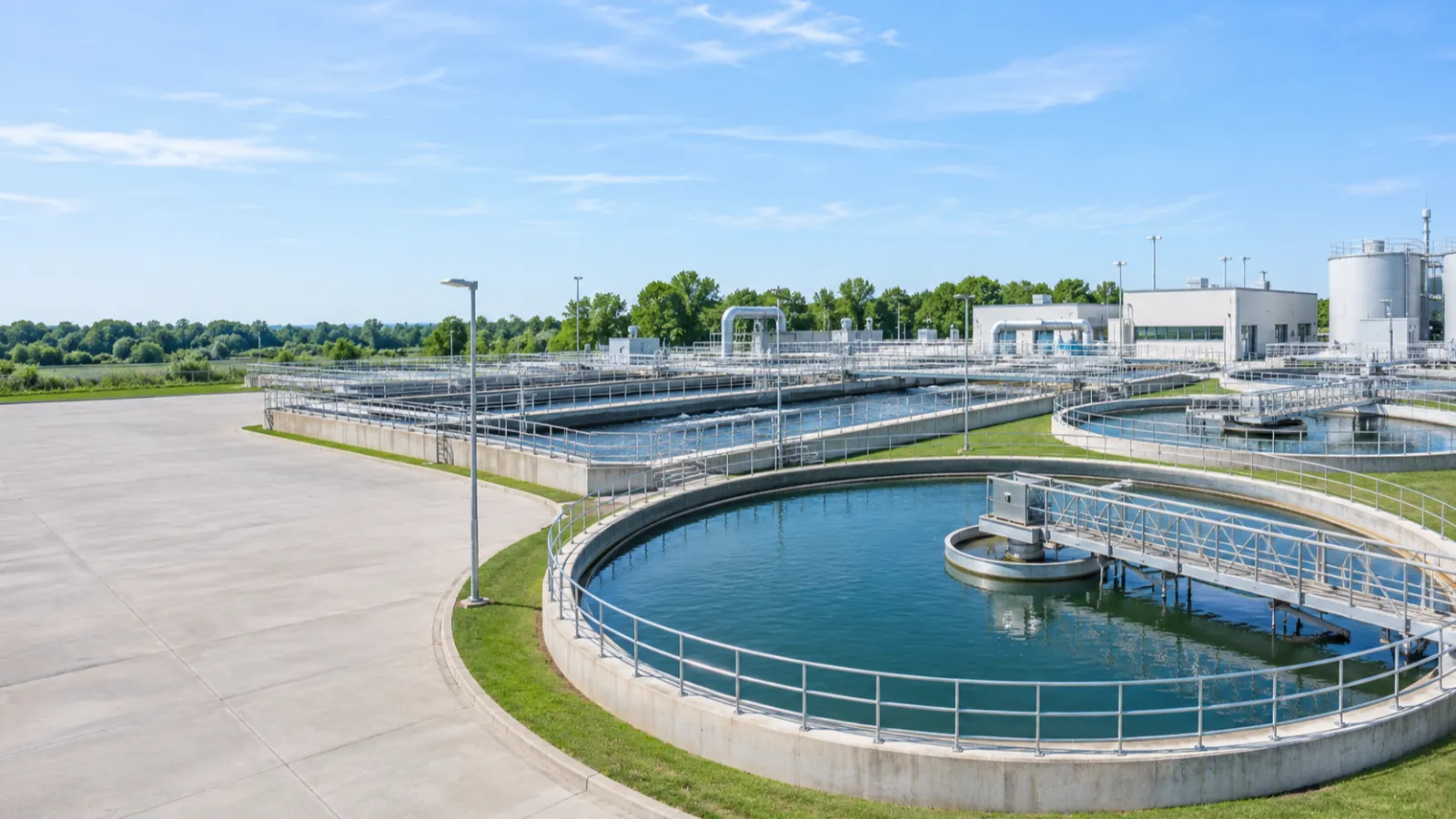
PAC and polyacrylamide, matched to your water
Polyaluminium chloride (PAC) and polyacrylamide (PAM), chosen on your water and held to the limits written on your order. Send us a litre: we jar-test it and recommend a grade and a starting dose — and the PAC : PAM ratio if you need both — in writing.
Free jar test
Send a litre of water or sludge. We test PAC and PAM combinations and report in writing.
National standards
GB/T 22627, GB 15892, GB/T 17514 and GB/T 31246, one for each product line.
COA every batch
The batch number on the bag matches the COA, plus TDS and SDS. Certificate of origin with every shipment.
Private label
Your brand on the bag, or neutral packing. Mixed grades in one container.
Product Categories
Coagulants and flocculants for municipal, industrial and mining water treatment.
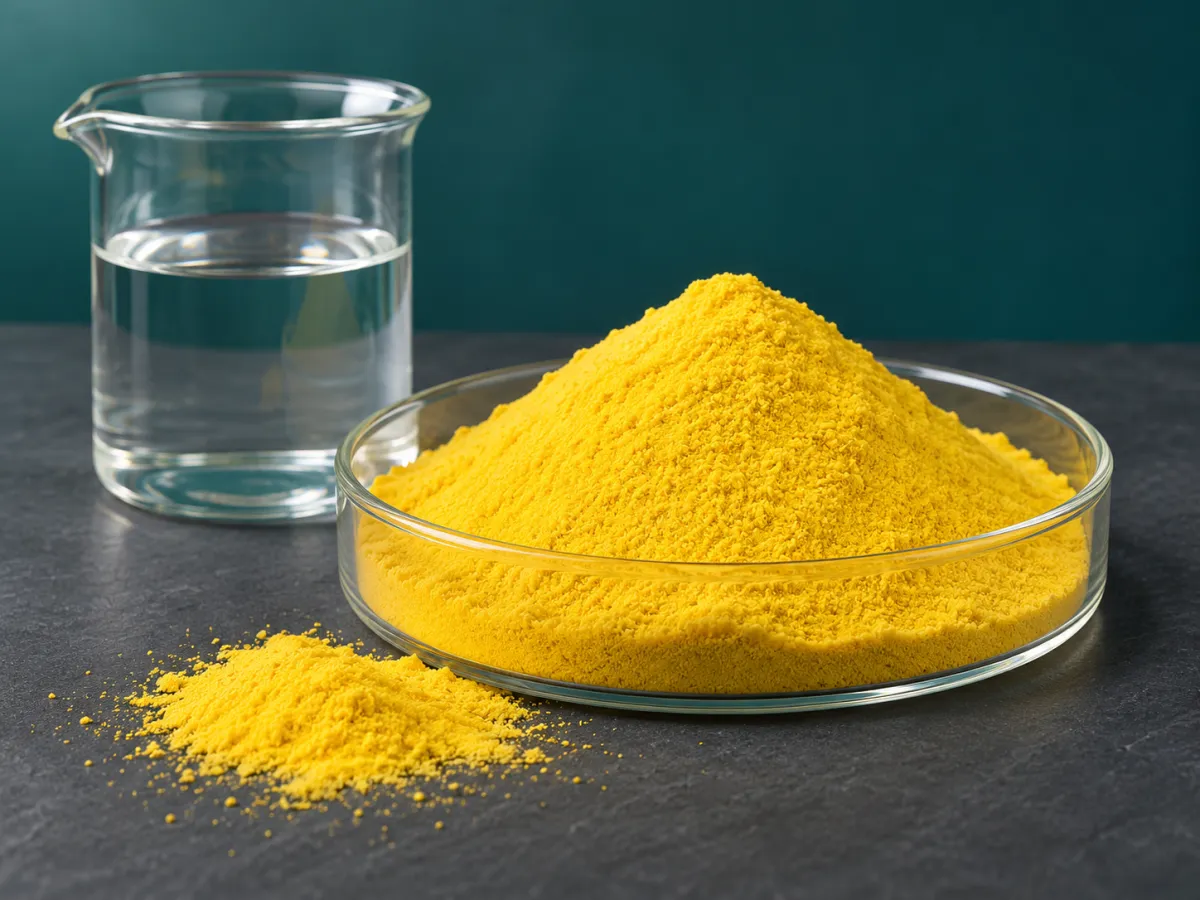 PAC photo
Polyaluminium Chloride(PAC)
Industrial 28% / 30% · drinking-water ≥ 29% Industrial PAC · Drinking-water PAC →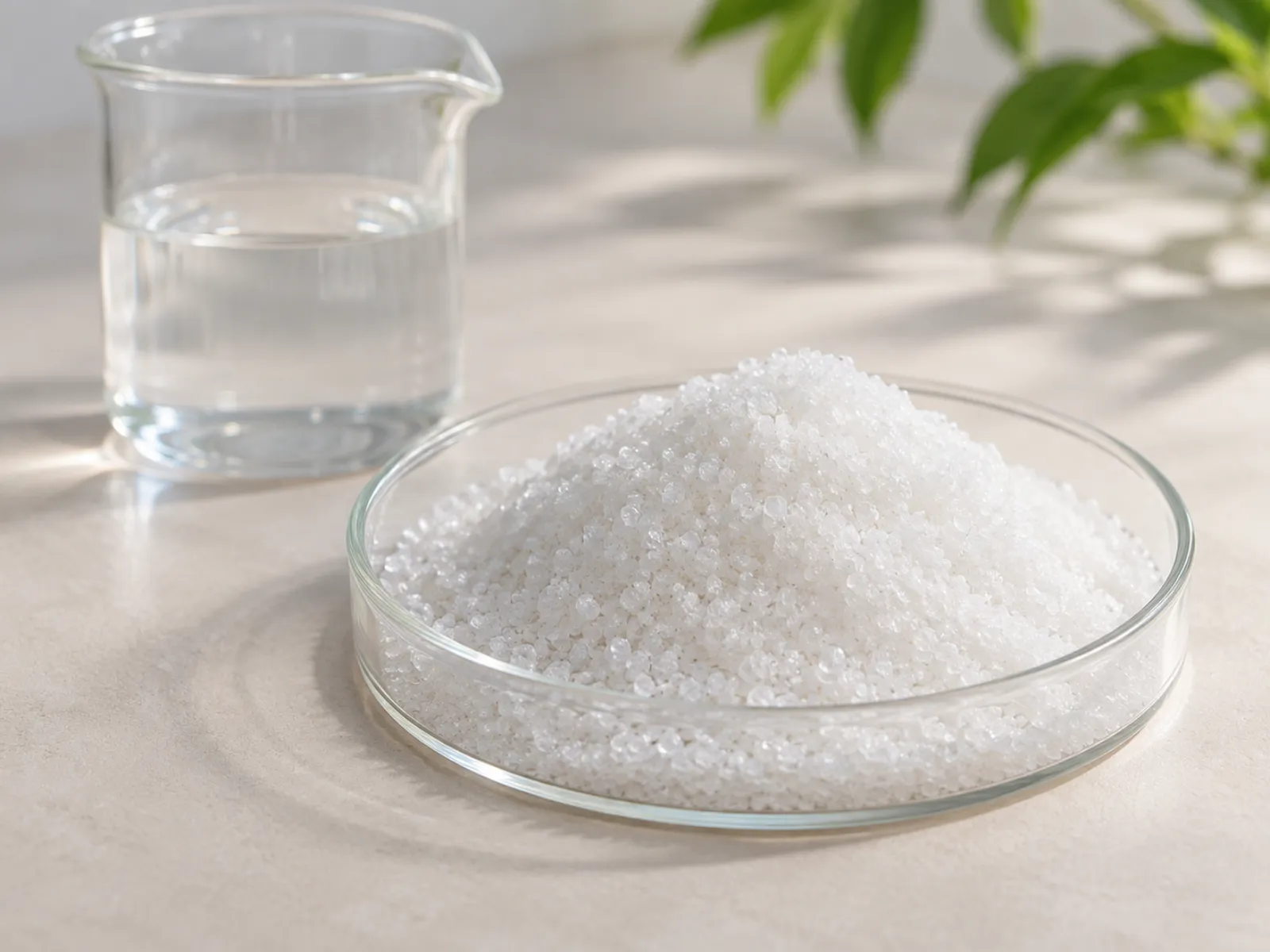 CPAM photo
Cationic Polyacrylamide(CPAM)
Solids ≥ 88% · GB/T 31246 CPAM for sludge dewatering →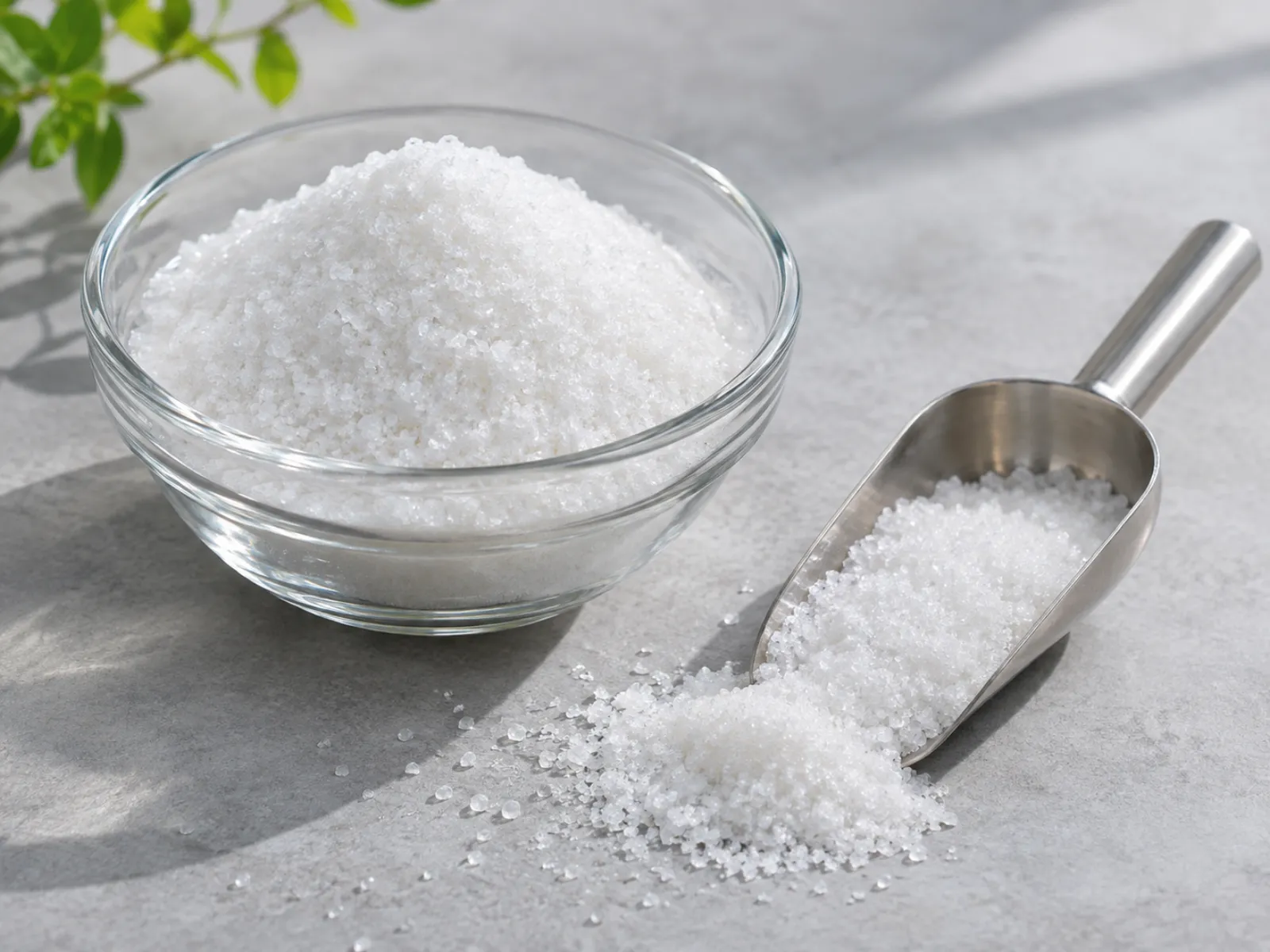 APAM photo
Anionic Polyacrylamide(APAM)
Solids ≥ 88% · GB/T 17514 APAM for sand washing & tailings →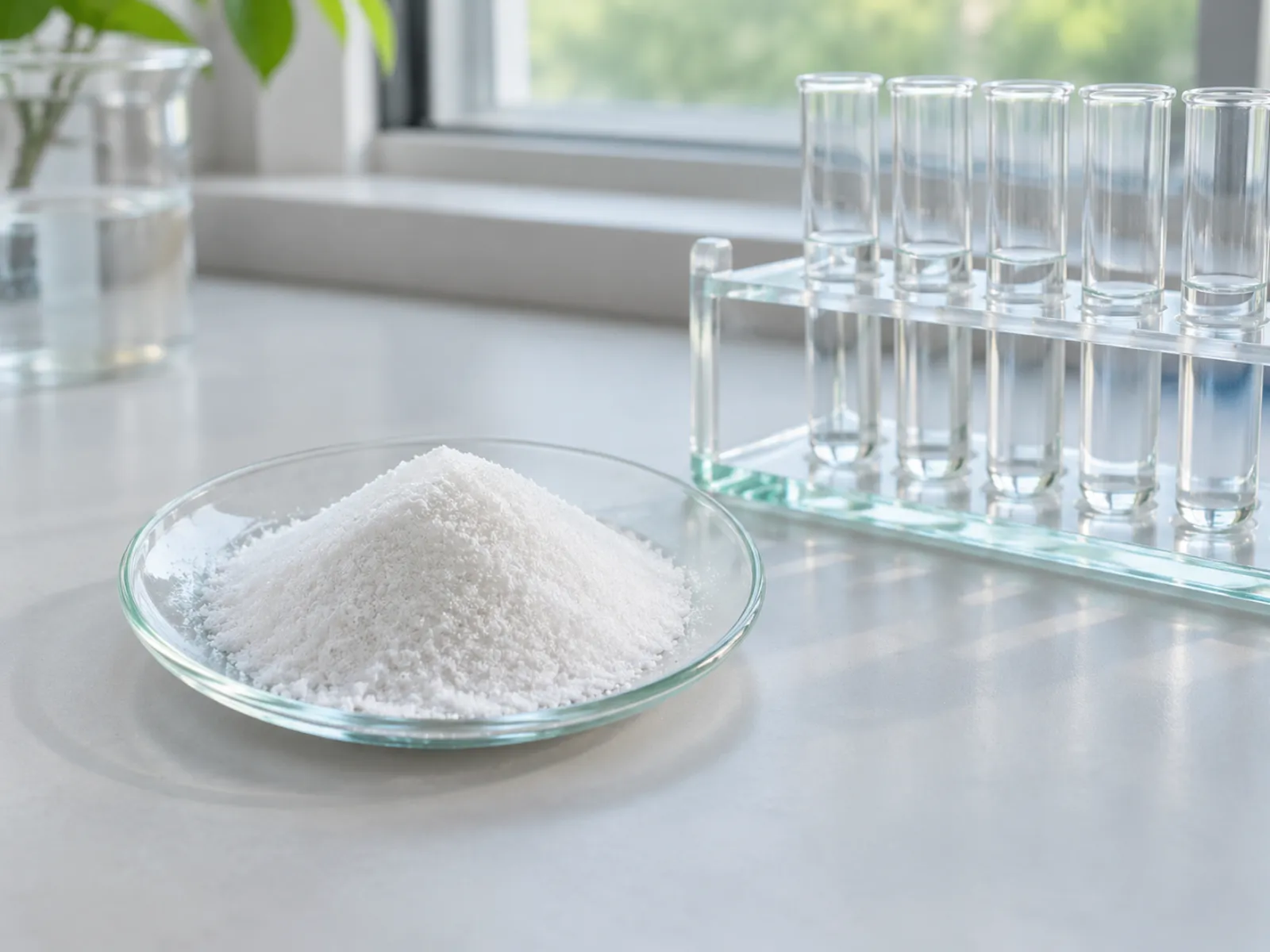 NPAM photo
Nonionic Polyacrylamide(NPAM)
Solids ≥ 88% · GB/T 17514 NPAM for acidic & dyeing water →Not sure which grade fits? Send a water sample for a free jar test →
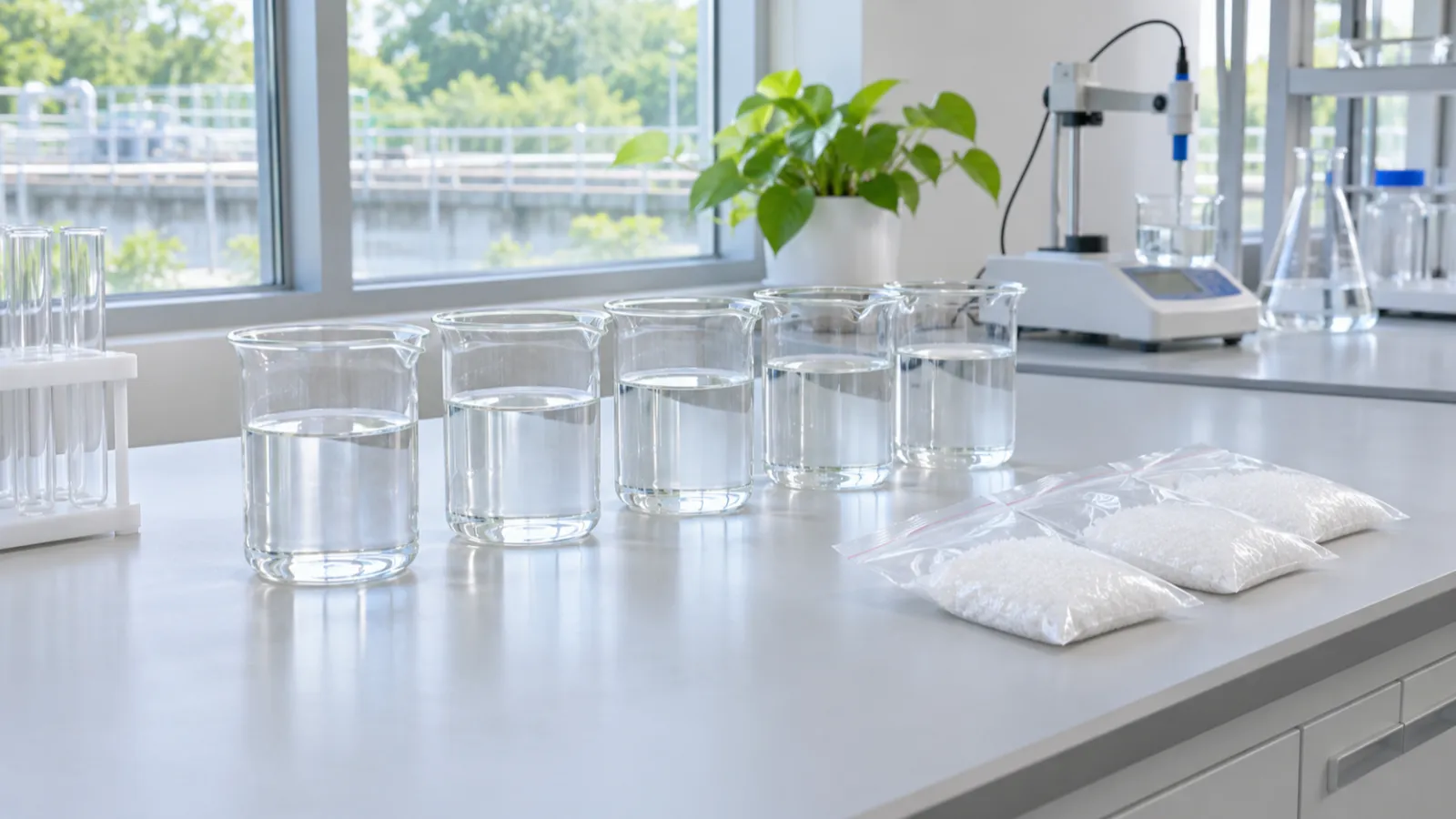
Same grade, every shipment.
Claripoly supplies PAC and polyacrylamide from Gongyi, Henan — one of China's main production centres for water treatment chemicals. We choose the grade on your own water, write it on every order, and keep it the same from the first shipment to the next.
Chosen on your water
The grade comes from a jar test on your sample, not from a catalogue page.
Written on every order
The agreed grade and its key limits go on every order, so a repeat order means the same product.
Every batch on paper
A COA for each batch, with the batch number printed on the bag, so you can check what arrived against what was agreed.
From water sample to steady supply.
Six steps from the first sample to repeat orders. The jar test is free, and the result comes back in writing.
Clarification, illustrated. Every water sample is different.
Send a Sample
1 litre of raw water or sludge, plus your process, equipment and current product.
Jar Test
Several PAC and PAM combinations side by side, at different doses.
Written Report
Recommended grades, PAC : PAM ratio, starting dose and floc photos.
Site Trial
Samples of the recommended grades for a trial on your own equipment.
Bulk Supply
PAC and PAM loaded together, COA with every batch, full export documents.
Ongoing Support
Dosing, dissolution and site questions answered when your water changes.
Where our PAC and PAM go to work
Eight industries, each with a typical starting program. Your own jar test sets the final grade and dose.
-
 01 / 08
Municipal sewage & sludge
Primary and secondary clarification, then sludge thickening and dewatering on belt presses, screw presses and centrifuges.
Typical programPACCationic PAMAsk about this application → -
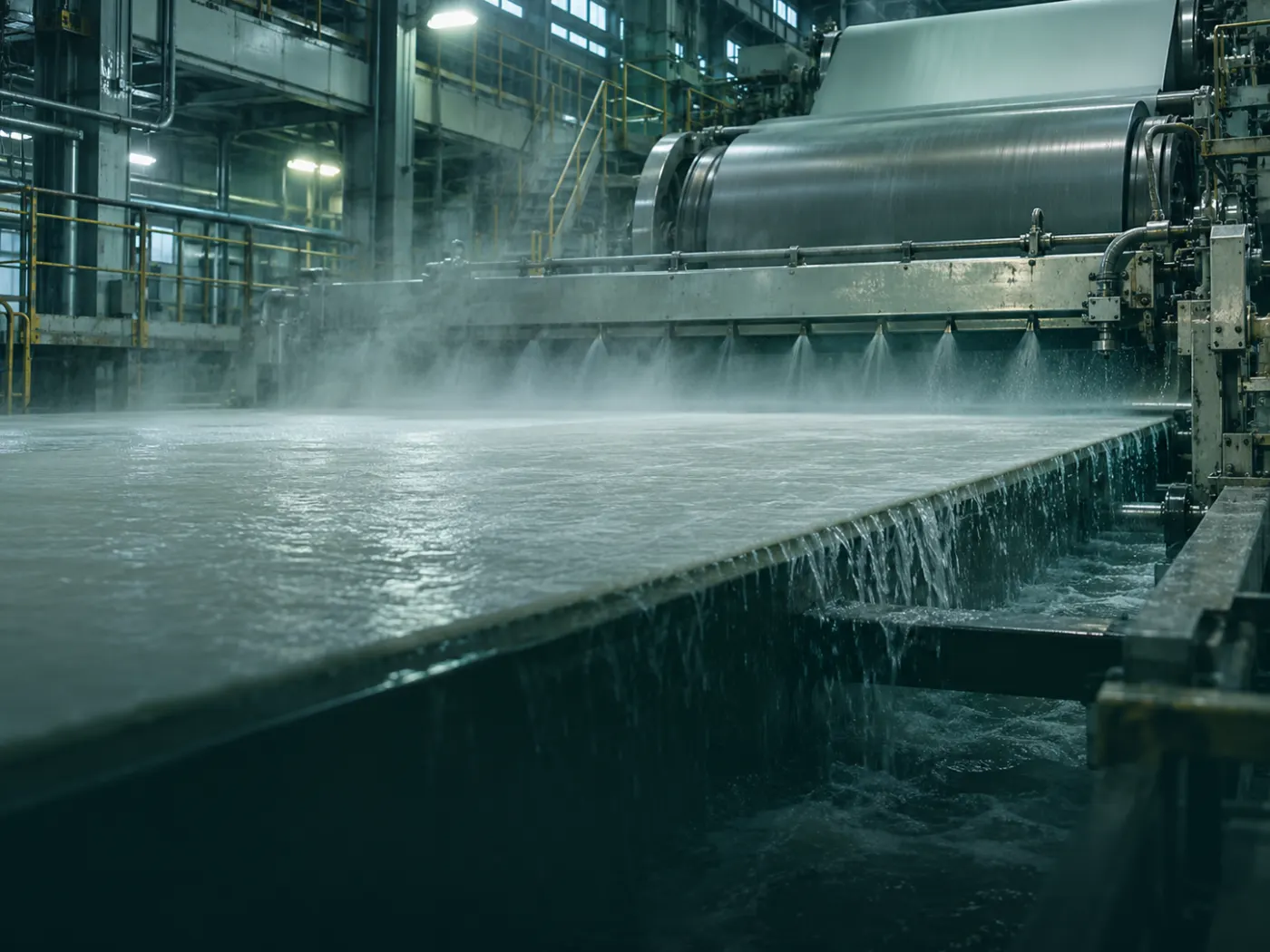 02 / 08
Paper & pulp
Retention and drainage on the paper machine, white-water clarification and dewatering of mill sludge.
Typical programCationic PAMPACAsk about this application → -
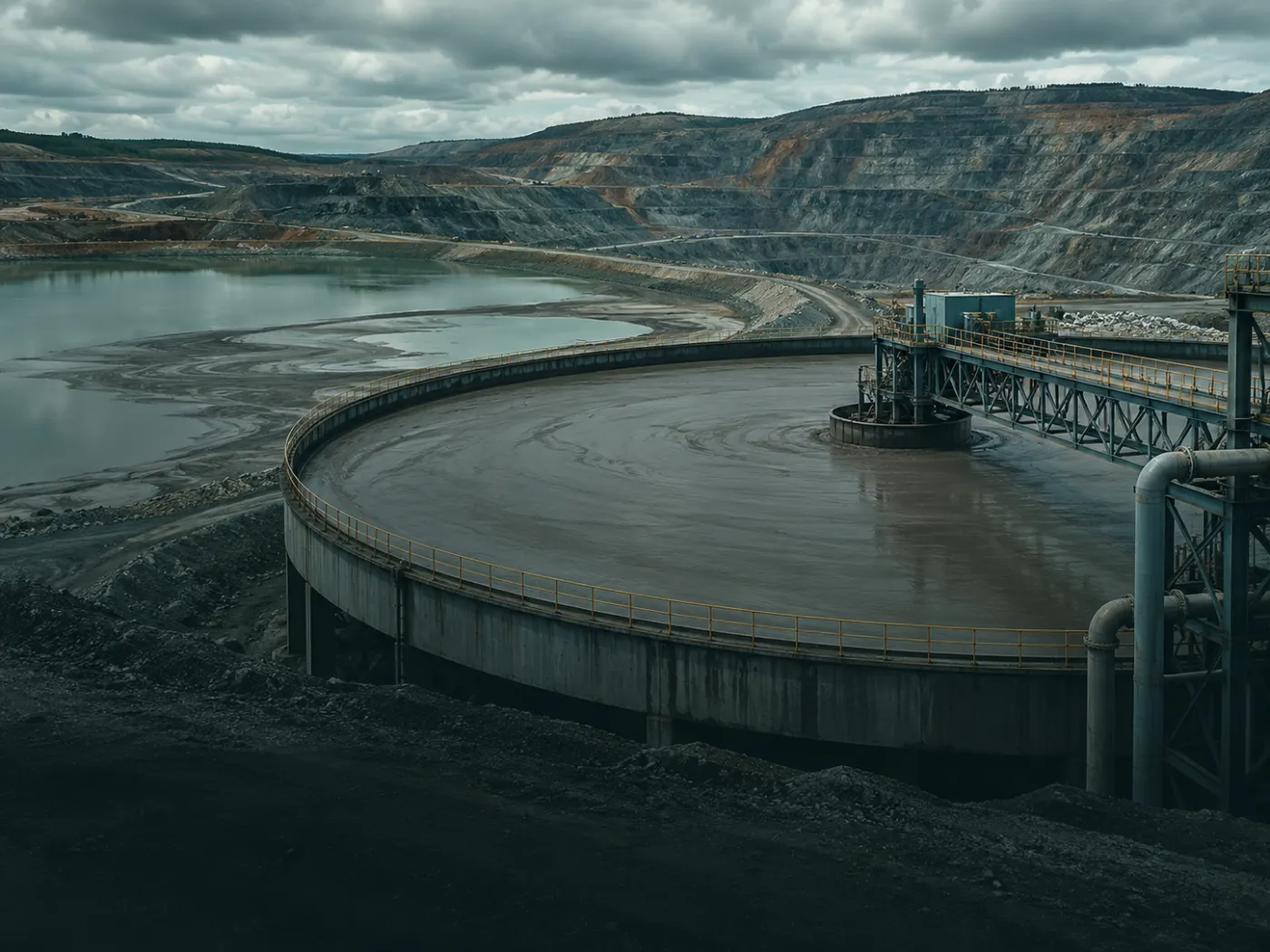 03 / 08
Mining & tailings
Thickener feed, tailings ponds and process-water recycling at metal and iron ore mines.
Typical programPACAnionic PAMAsk about this application → -
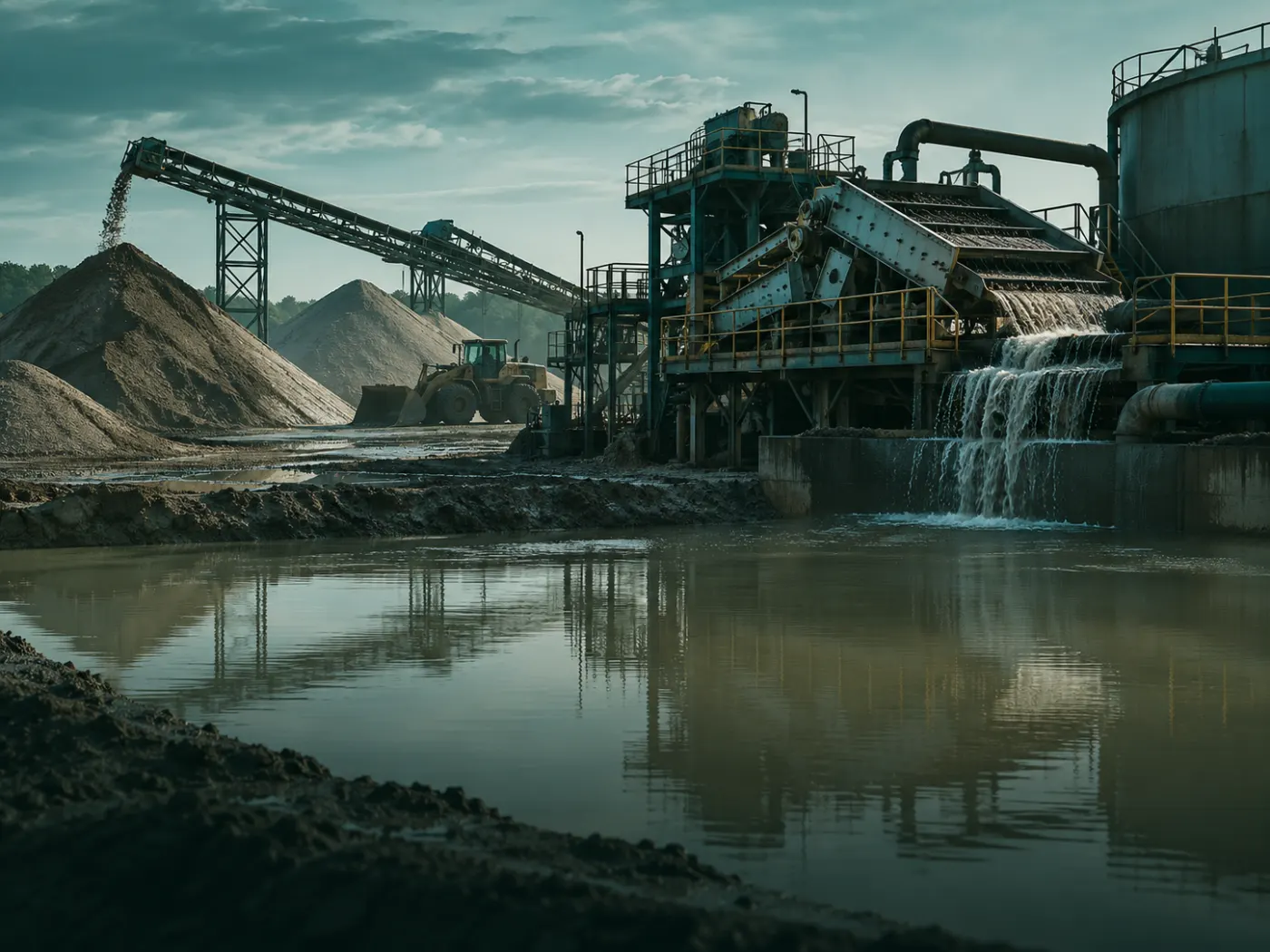 04 / 08
Sand & coal washing
Wash-water recycling, slurry ponds, piling mud and tunnel muck, where solids are high and settling must be fast.
Typical programAnionic PAMAsk about this application → -
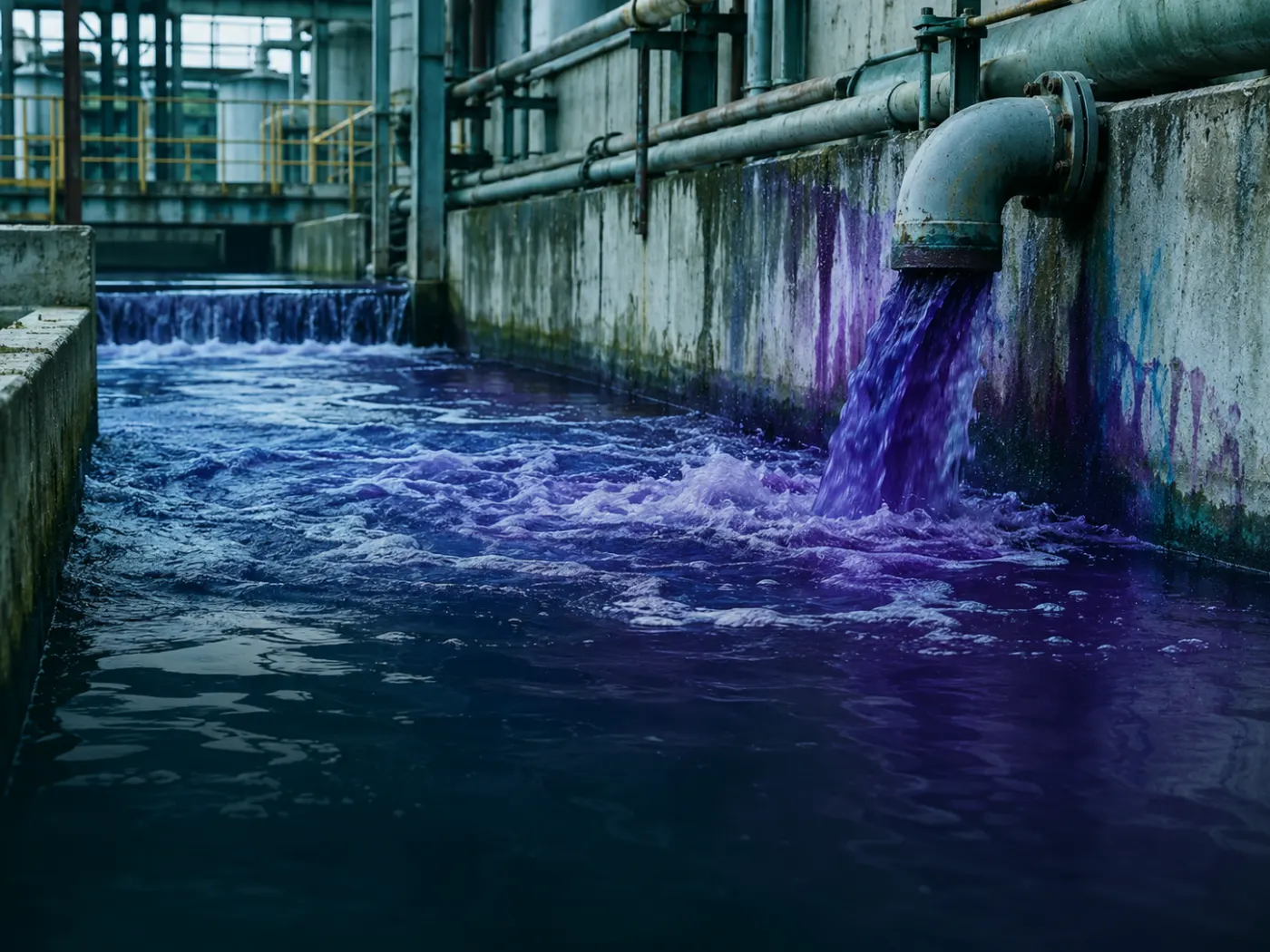 05 / 08
Textile dyeing
Removing colour, COD and suspended solids from dyeing and printing effluent before biology or discharge.
Typical programPACCationic / nonionic PAMAsk about this application → -
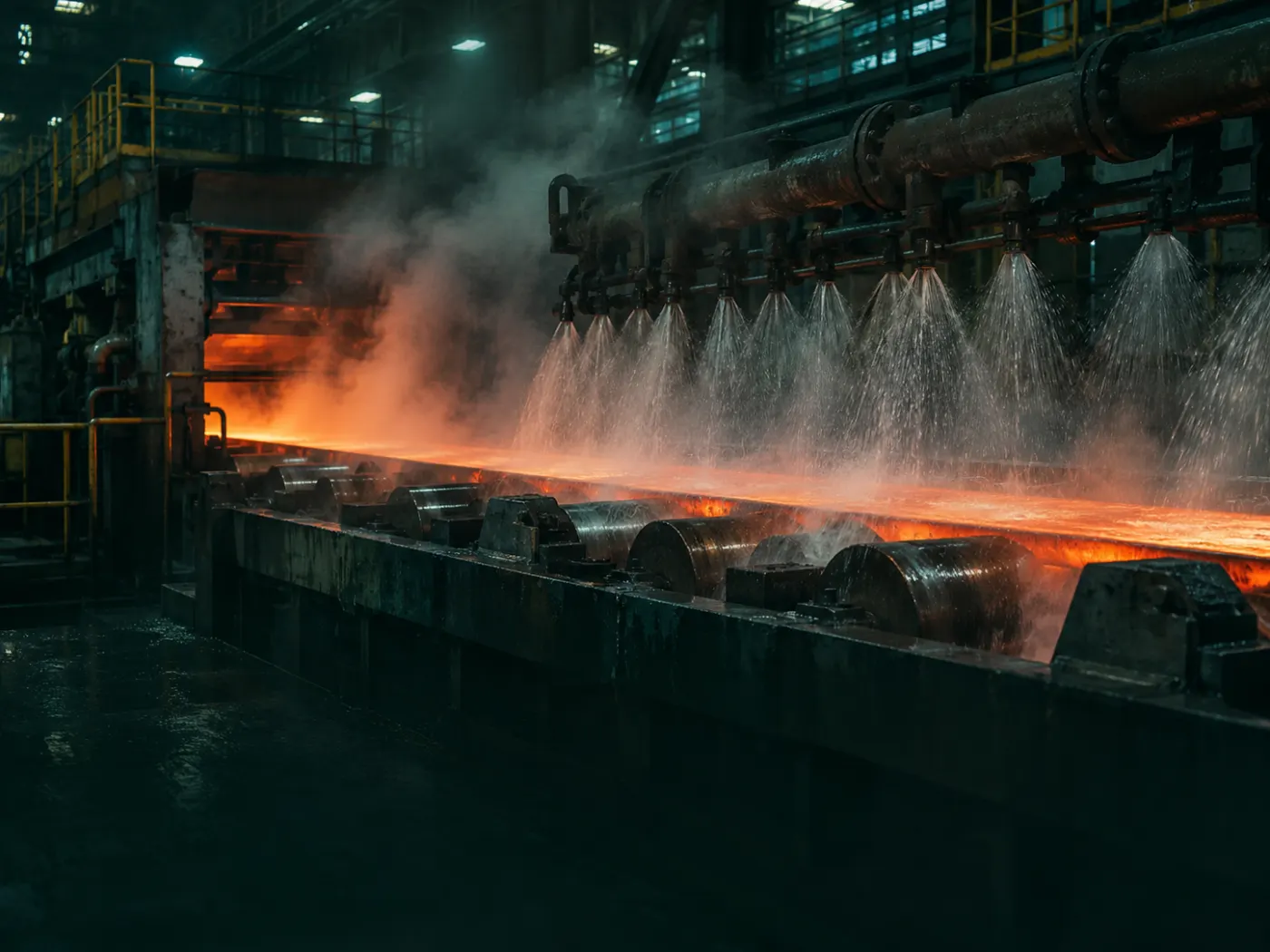 06 / 08
Steel, metallurgy & coking
Scale pits, rolling-mill water and coking wastewater with oil, iron fines and high temperatures.
Typical programPACAnionic PAMAsk about this application → -
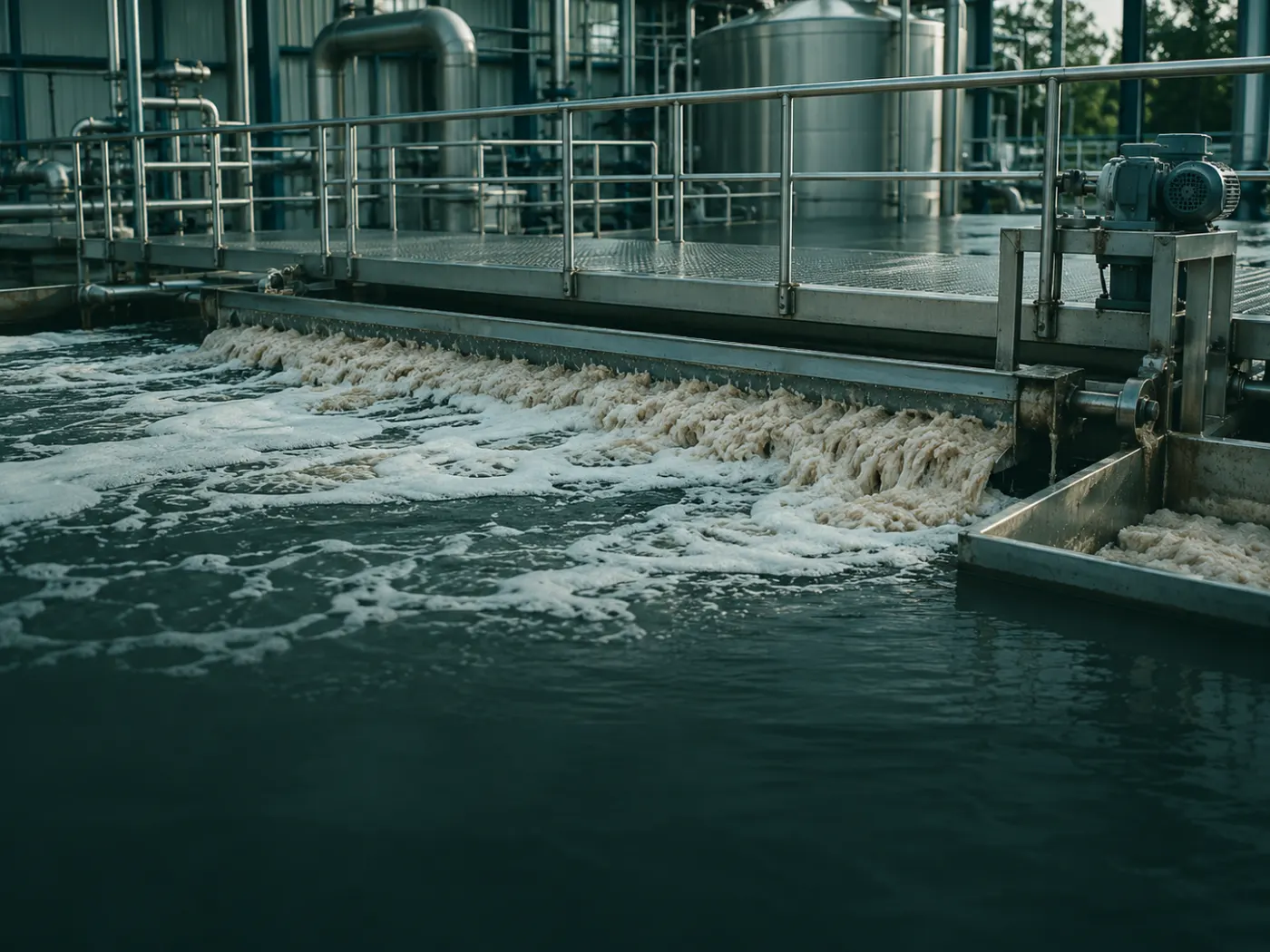 07 / 08
Food, slaughter & livestock
Fats, proteins and high-organic sludge, often treated by dissolved-air flotation before dewatering.
Typical programPACCationic PAMAsk about this application → -
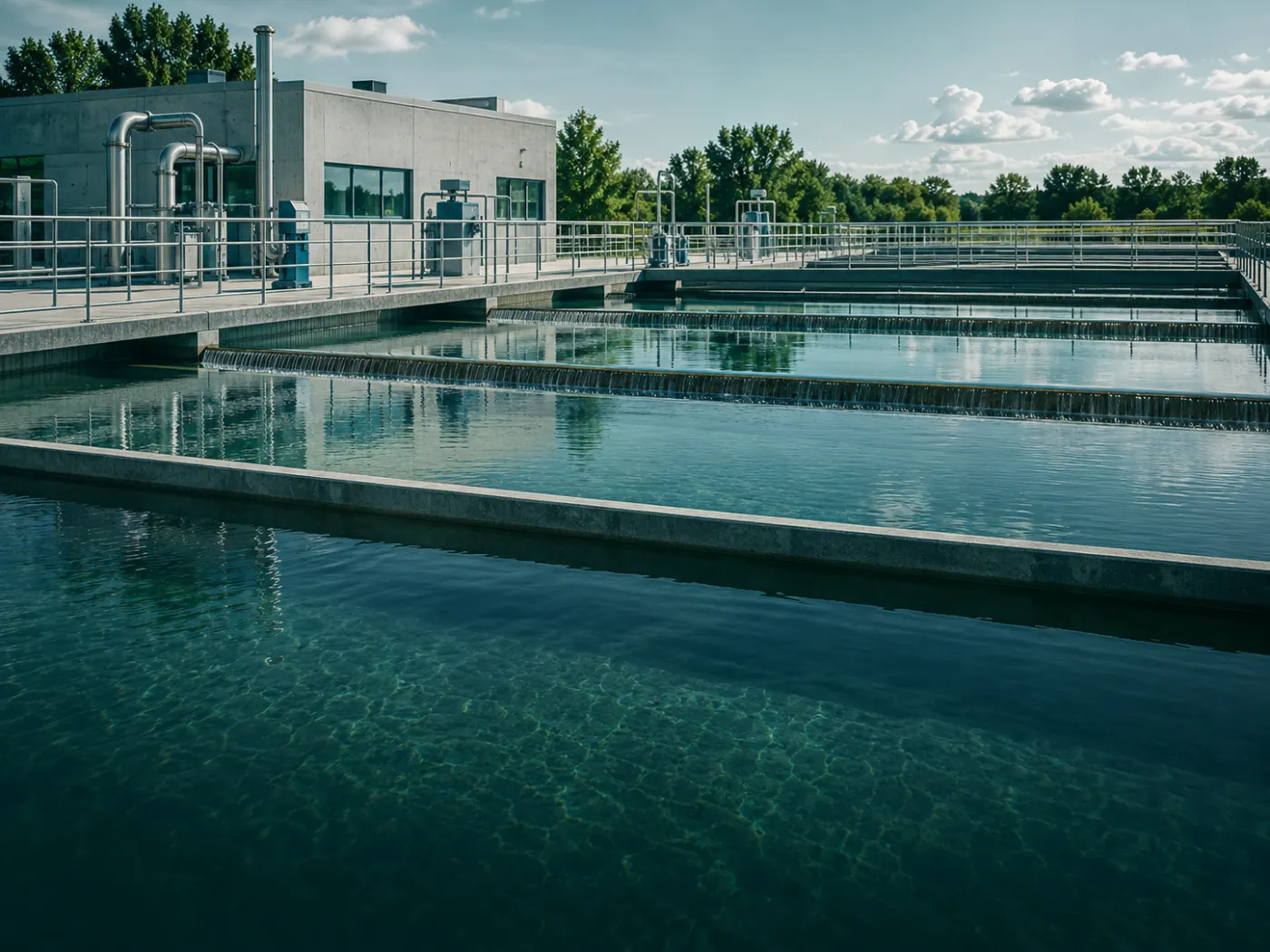 08 / 08
Drinking water
Turbidity removal at water works and package plants, with heavy-metal limits to GB 15892.
Typical programDrinking-water PACAsk about this application →
Know your water? Find your program in seconds.
Pick the water that looks most like yours. This is the usual starting program — a free jar test on your own sample confirms the grade and dose.
High suspended solids
Silt, coal fines and mineral slurry at high concentration.
Long anionic chains bridge heavy mineral particles into fast-settling flocs; PAC helps when very fine clay keeps the water cloudy.
Common in: Sand & coal washing, mining, piling and tunnel mud
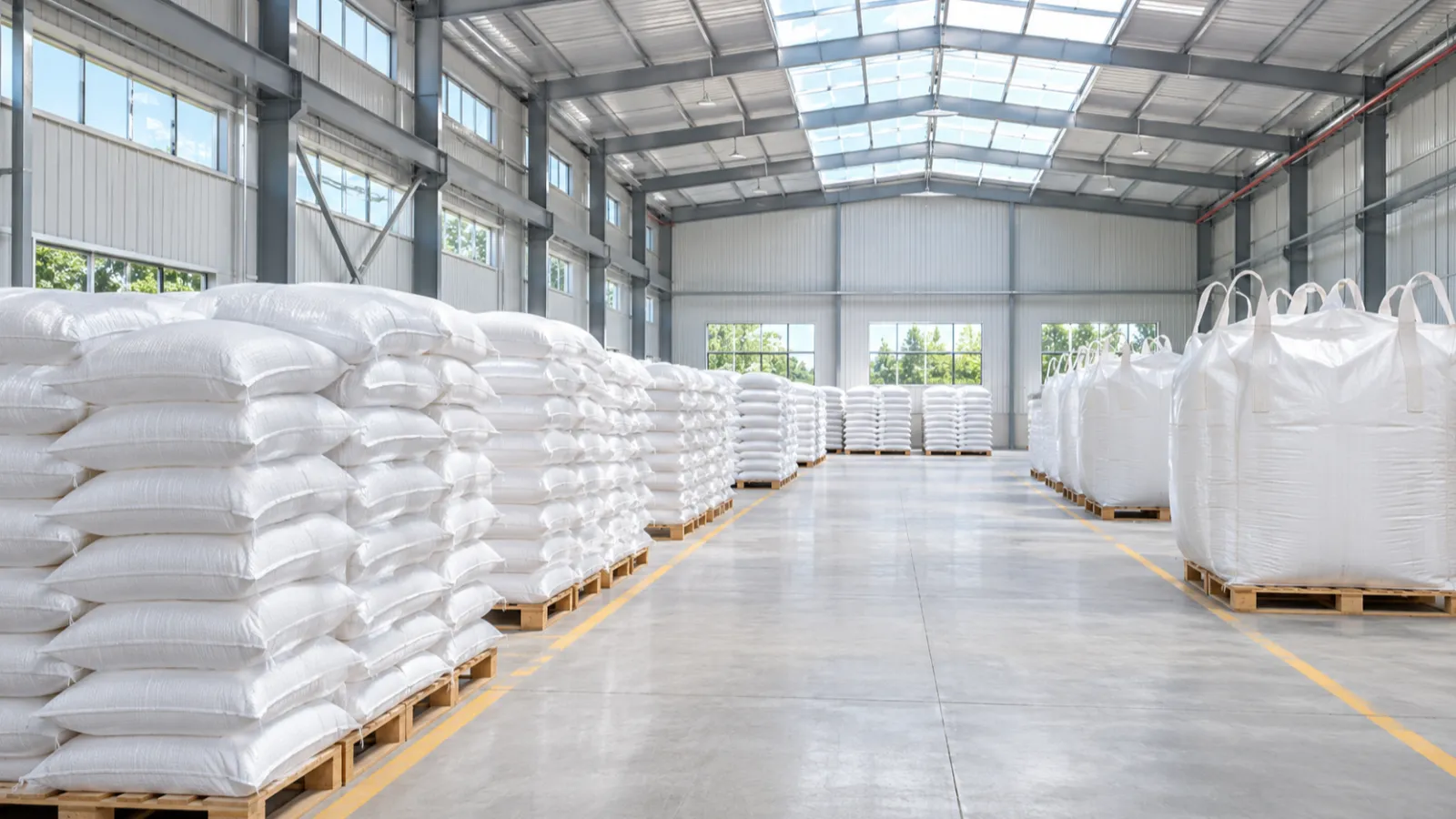
Supply, private label and support — under your brand or ours.
Whether you resell water treatment chemicals or run a treatment plant, this is what comes with working with us.
Territory exclusivity for distributors who commit to an annual volume.
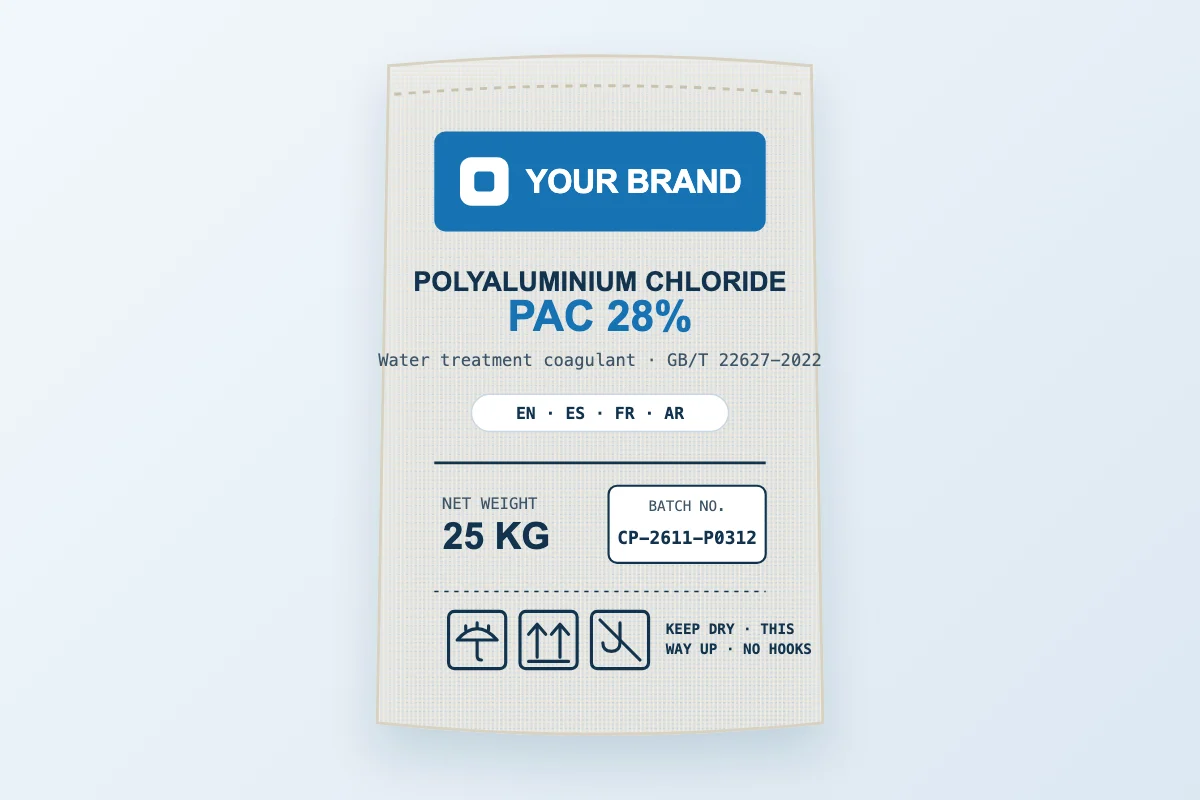
Your brand, artwork and label language on 25 kg bags or 1 t big bags — or plain neutral packing for your own relabelling.
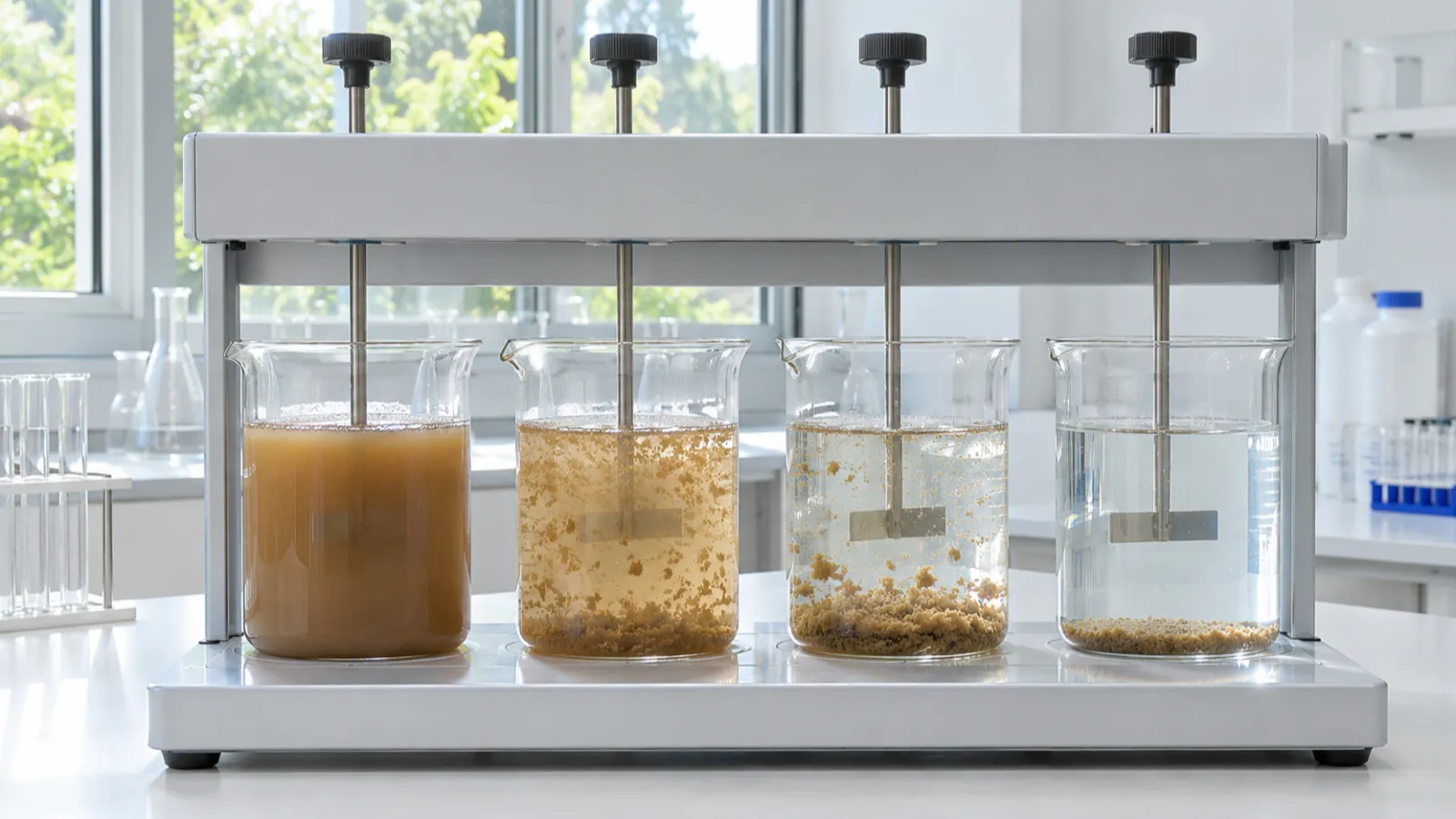
Send a water or sludge sample and get a written grade and dose recommendation before you buy anything.
1 kg samples of the recommended grades, so you can trial them on your own equipment.
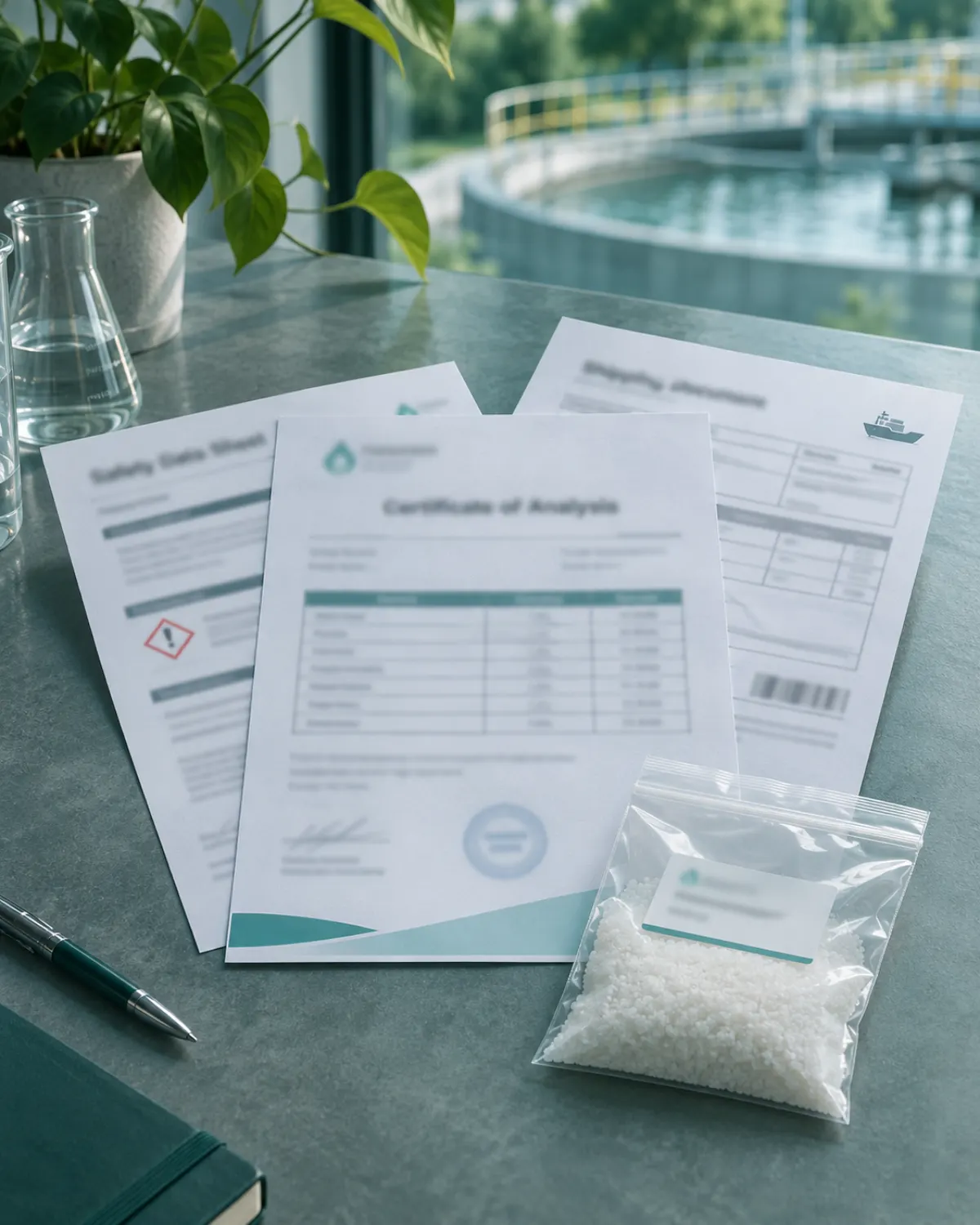
A COA with every batch, plus TDS, SDS, certificate of origin with every shipment; Form E for ASEAN destinations.
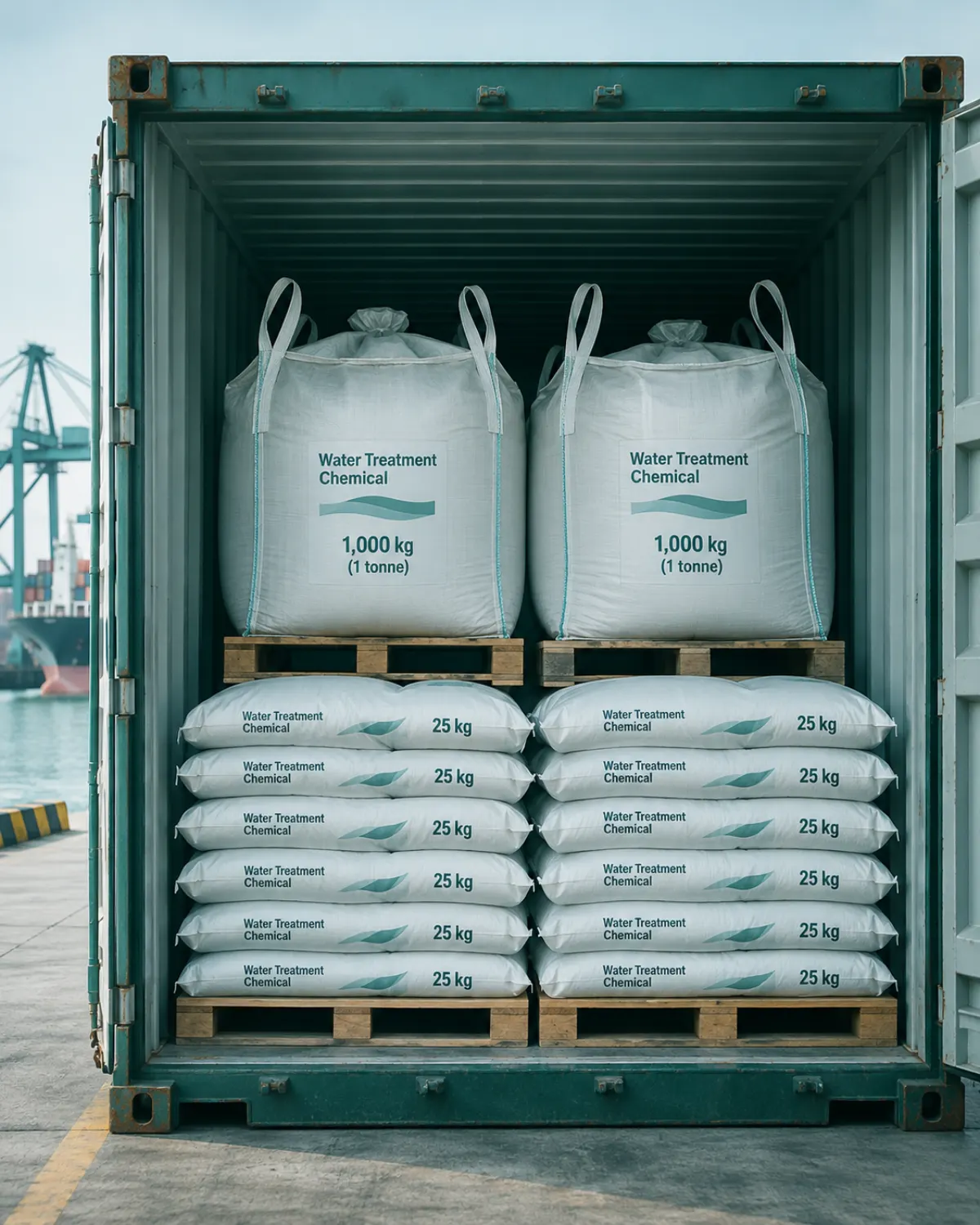
Coagulant and flocculant grades consolidated into one shipment when you need both.
Start small, then scale up once the grade is proven on site.
Every batch, on paper.
Made to Chinese national standards, with a certificate of analysis for every batch — and pre-shipment inspection by SGS, BV or Intertek.
- 1Batch numberMatches the number printed on every bag.
- 2Production standardThe national standard the batch is made and tested to.
- 3What we testSolids, residual monomer, dissolution, insolubles and charge.
| Test item3 | Specification | Result4 |
|---|---|---|
| Solid content | ≥ 88.0% | 90.6% |
| Residual acrylamide | ≤ 0.05% | 0.02% |
| Dissolution time | ≤ 90 min | 55 min |
| Insoluble matter | ≤ 0.3% | 0.12% |
| Anionic degree | Reported | 25.3% |
PASSED
- 4Measured resultsActual values for each item, not just “pass”.
- 5QC release & retained sampleReleased by QC; a sample of the batch is kept for re-testing.
Industrial PAC 28 / 30%
- Al₂O₃28% / 30% grades
- Basicity30–95%
- pH (10 g/L)3.5–5.0
Drinking-water PAC
- Al₂O₃, solid≥ 29%
- Al₂O₃, liquid≥ 10%
- Heavy metalslimited
Anionic & nonionic PAM
- Solids≥ 88%
- Residual monomer≤ 0.05%
- Dissolution≤ 90 / 120 min
Cationic PAM
- Solids≥ 88%
- Residual monomer≤ 0.10%
- Charge5–95%
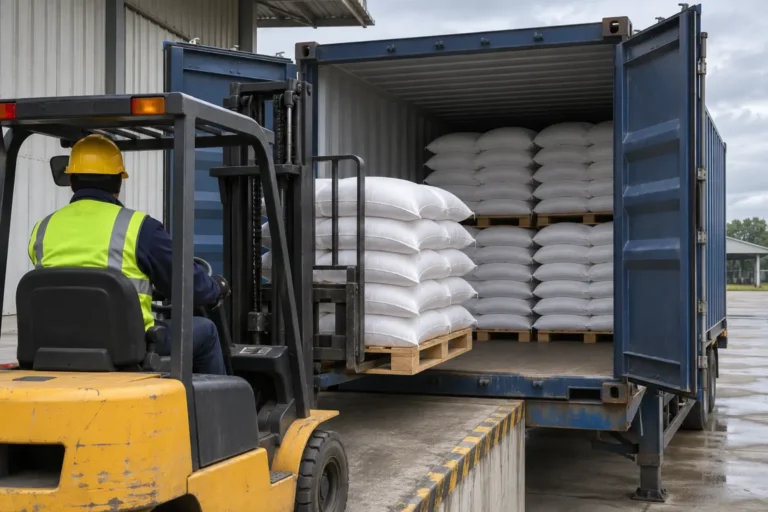
Packed, loaded, documented.
What to expect once the grade is agreed.
PAM ≈ 16–20 t
Before you order, read these.
Short, practical guides for choosing, testing and dosing PAC and PAM.
 Buying
12 questions to ask before your first container
Grade, limits, documents, packing and loading — settled before you pay.
Read guide →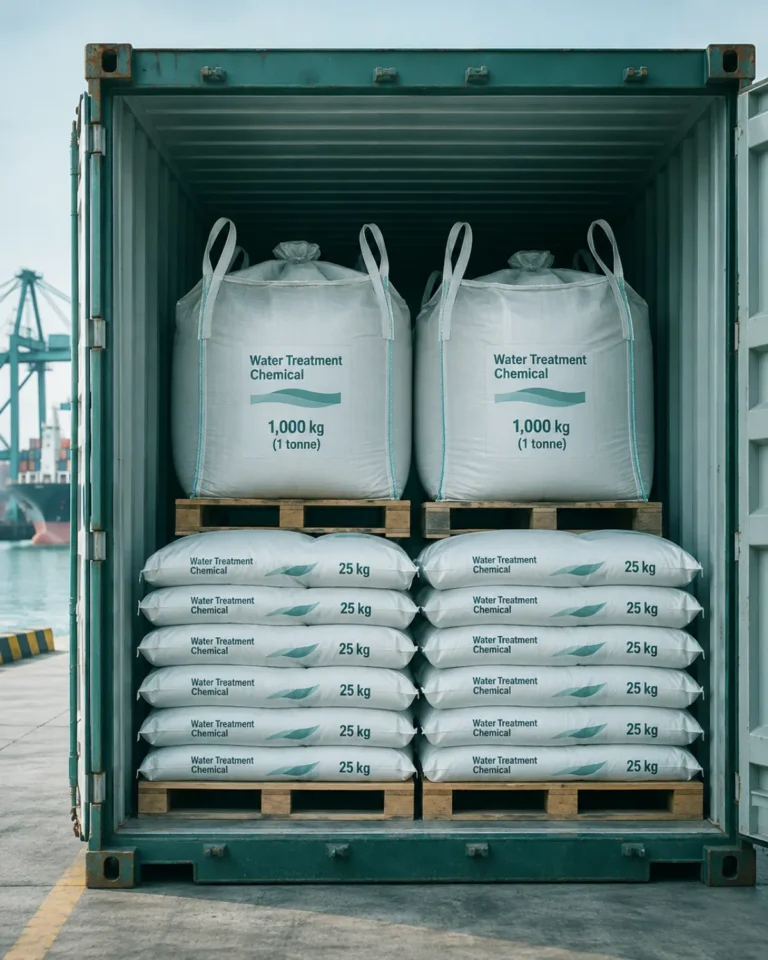 Buying
FOB vs CIF for chemical buyers
Who pays for what, who carries the risk, and which term suits a first order.
Read guide →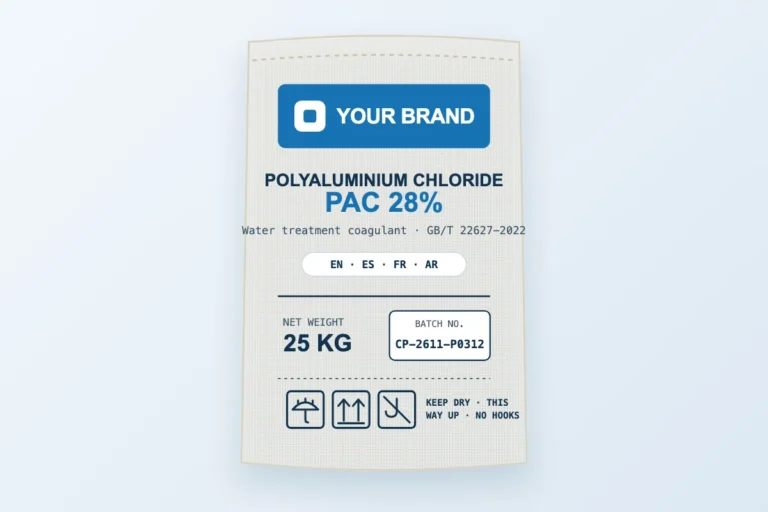 Buying
Private label vs neutral packing
What each option costs you in time and money, and which suits your market.
Read guide →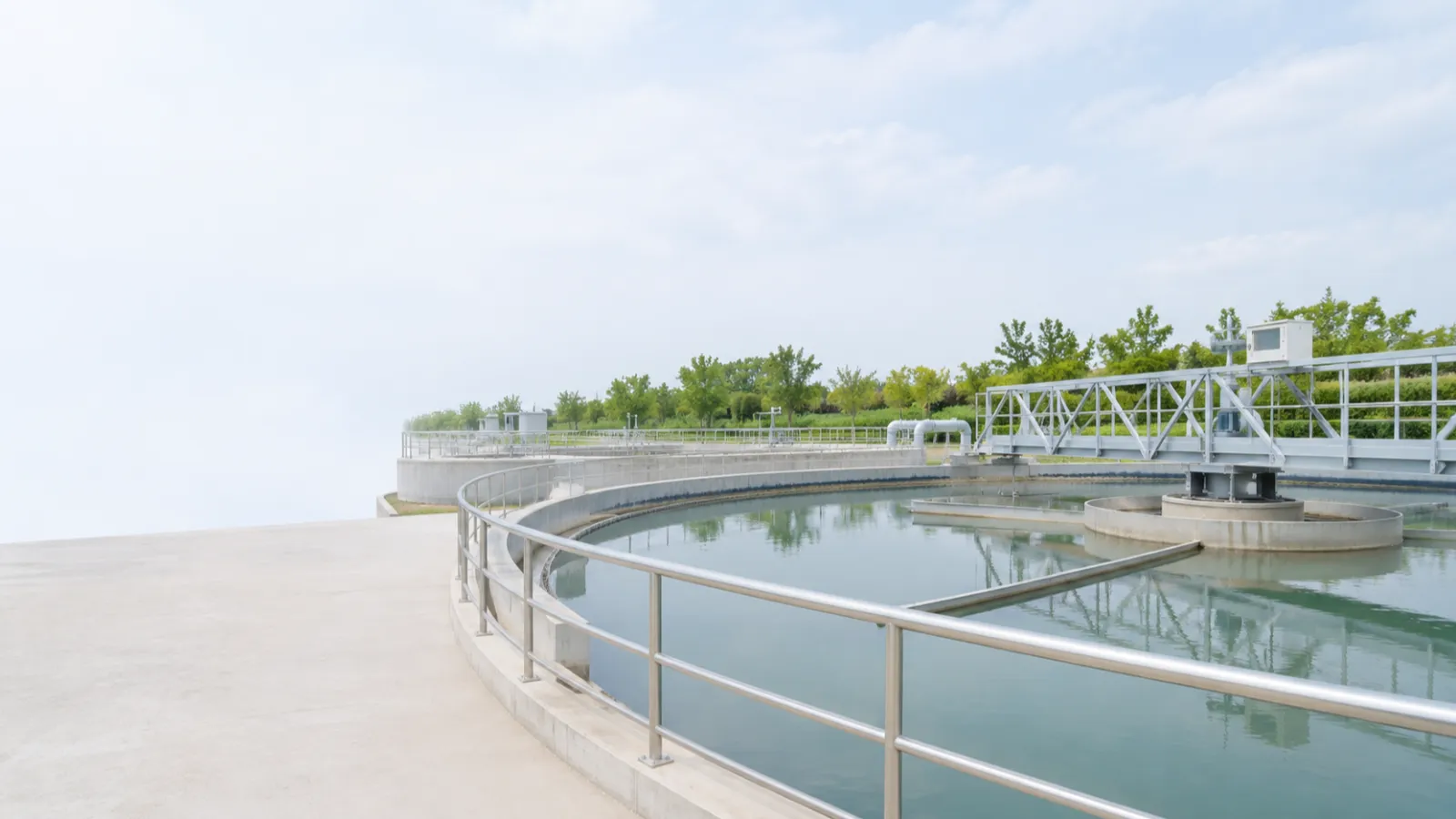
Questions buyers ask first.
Short answers on products, testing, documents and orders. Anything else, ask us directly.
Replies within one working day
What is the difference between PAC and PAM?
Many plants dose PAC first and PAM second. The jar test tells you whether you need both and in what ratio.
Cationic, anionic or nonionic PAM — which one do I need?
As a starting point: cationic PAM for organic sludge dewatering (municipal, food, paper); anionic PAM for mineral solids (sand and coal washing, mining, steel); nonionic PAM for acidic water and some dyeing effluent. A jar test on your own sample confirms the grade and dose.
Which standards do your products meet?
Industrial PAC is made to GB/T 22627-2022 and drinking-water PAC to GB 15892-2020. Anionic and nonionic PAM are made to GB/T 17514-2017, and cationic PAM to GB/T 31246.
What documents come with each shipment?
A certificate of analysis (COA) for every batch, plus the TDS and SDS. A certificate of origin comes with every shipment, and Form E for ASEAN destinations.
How does the free jar test work?
Send 1 litre of raw water or sludge with a short note on your process, equipment and current product. We test several PAC and PAM combinations side by side and send back a written report with the recommended grades, the PAC : PAM ratio and a starting dose.
Are samples free?
We send 1 kg samples of the recommended grades for a trial on your own equipment. Samples are free of charge; the buyer pays the courier.
What is the minimum order and what payment terms do you accept?
Minimum order is 1 tonne per grade. We accept T/T (30% deposit, balance before shipment) and L/C at sight. Trial orders start at 1 tonne, so you start small and scale up once the grade is proven.
How are orders packed and shipped, and how long does it take?
PAC and PAM are packed in 25 kg bags or 1 t big bags, and both ship in one container. A 20 ft container typically holds about 20–25 t of PAC or 16–20 t of PAM, depending on the grade and whether pallets are used. Lead time is 7–15 days from order confirmation, shipping from Qingdao, Tianjin or Shanghai.
How should PAM be dissolved and stored?
Add the powder slowly into clean water under gentle stirring to make a 0.1–0.3% solution, and avoid adding it in lumps, which form undissolved “fish eyes”. Keep bags sealed, dry and out of direct sun. Shelf life is typically 12–24 months depending on the grade, and is stated on each TDS.
Tell us about your water.
Tell us what you treat and what you use now. We reply within one working day and tell you where to send the sample.
To get a quote in one reply, include
- Application or industry
- Product and dose you use now
- Monthly volume and destination port