Test it on your water before you buy.
Send us about a litre of your water or sludge. We test several PAC and PAM combinations side by side and send back a written report: the grades, the ratio and a dose to start with.
From water sample to steady supply
Six steps from the first sample to repeat orders. The test and the written report are free — you only order once the grade is proven.
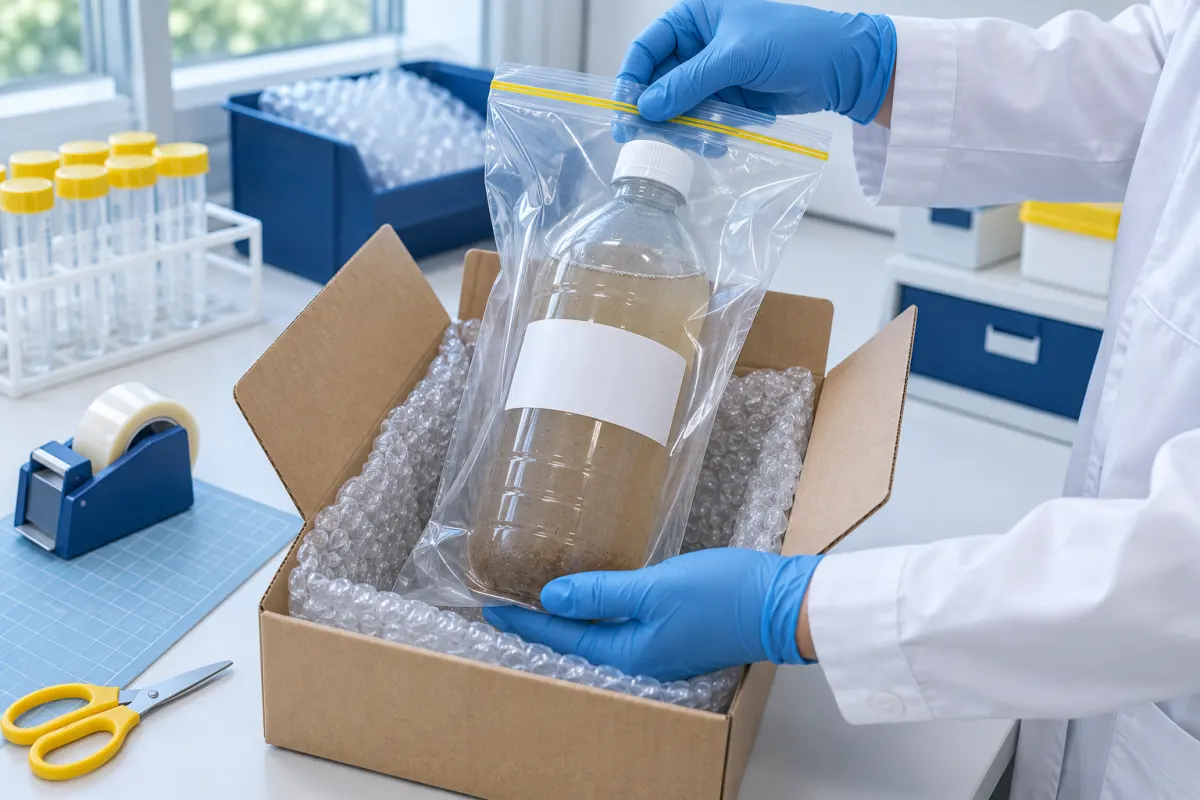
1 litre of raw water or sludge, plus your process, equipment and current product. You cover the courier cost.
 Free
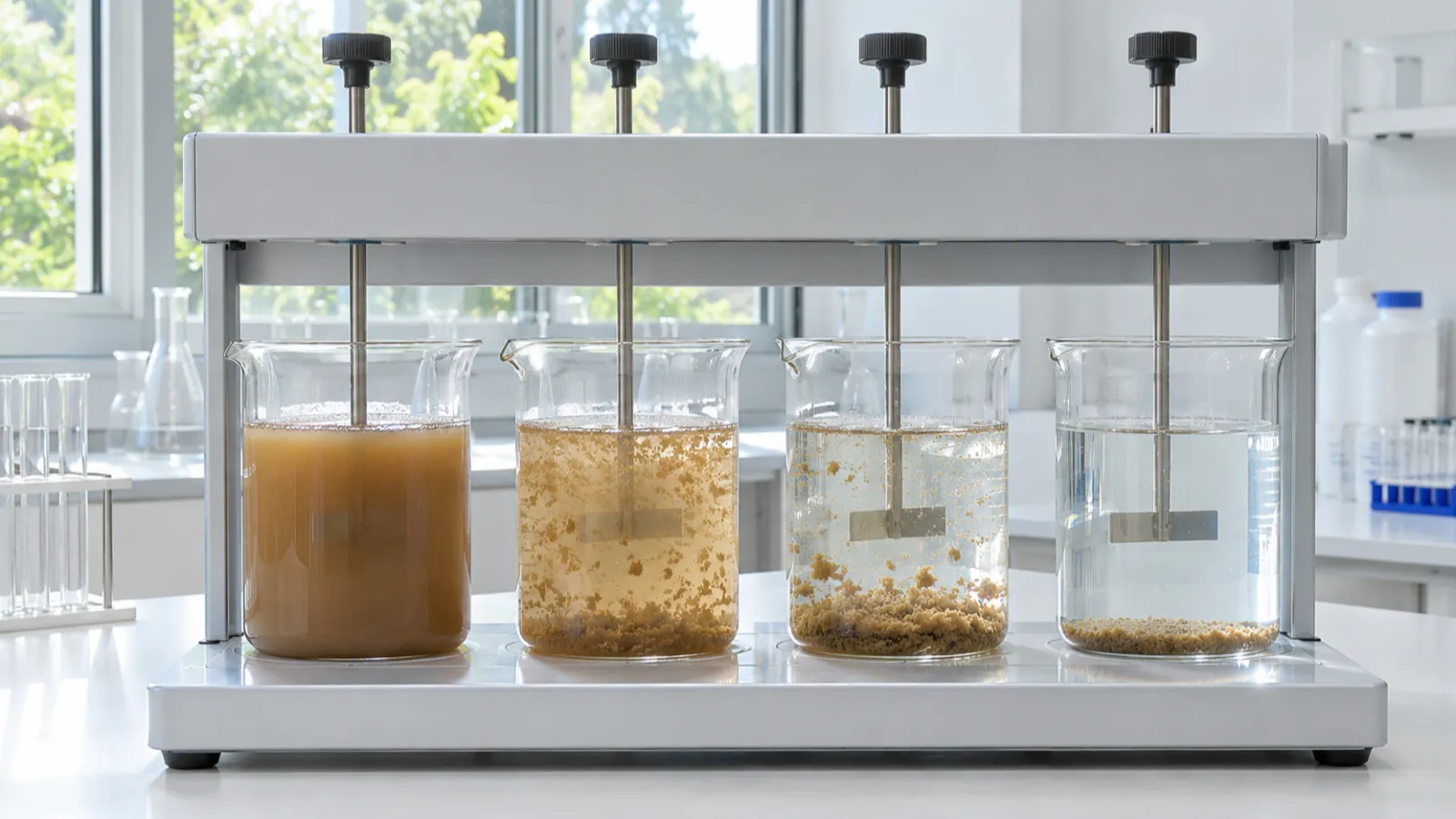
Several PAC and PAM combinations side by side, at different doses.
 Free
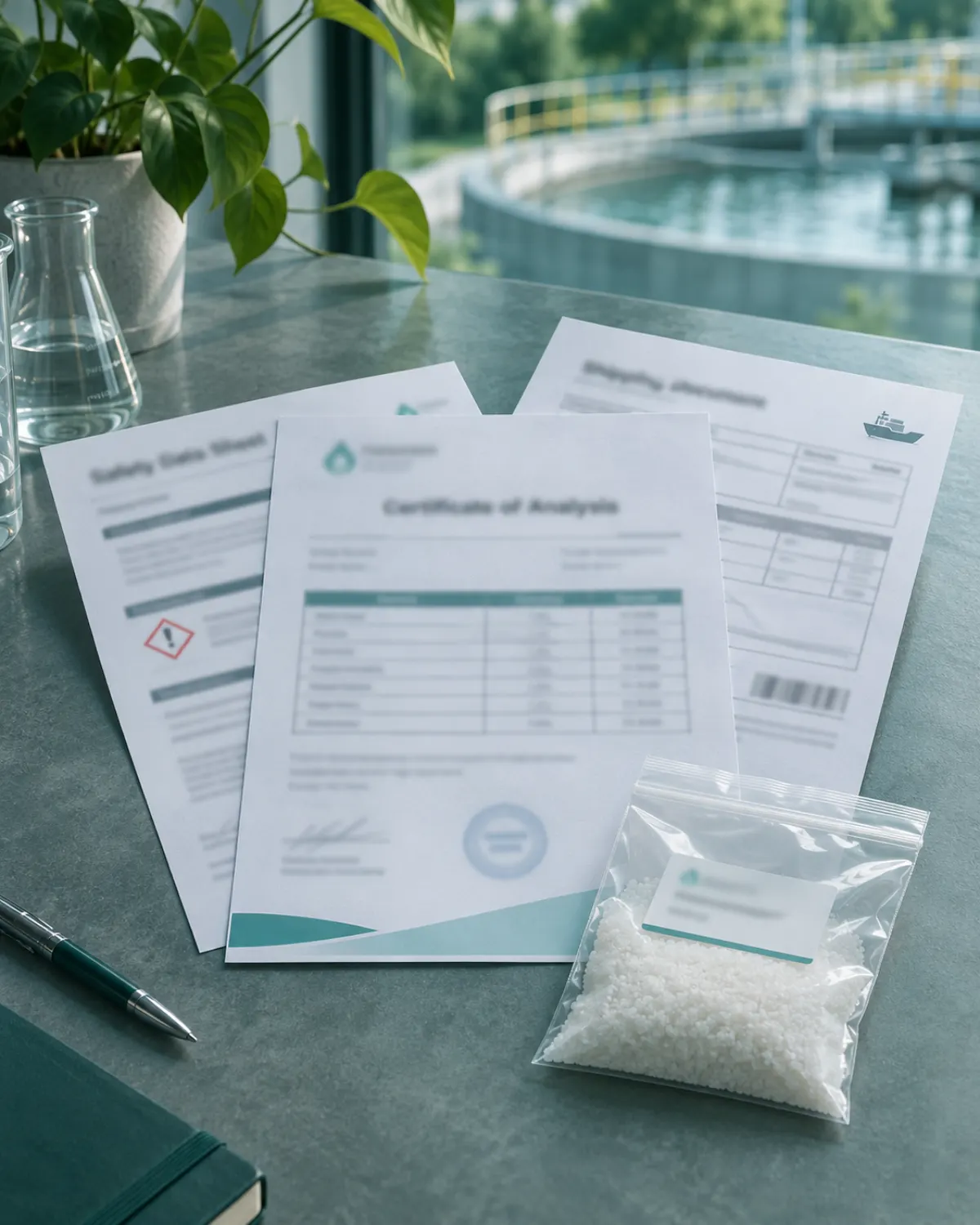
Recommended grades, PAC : PAM ratio, starting dose and floc photos.
Samples of the recommended grades for a trial on your own equipment.
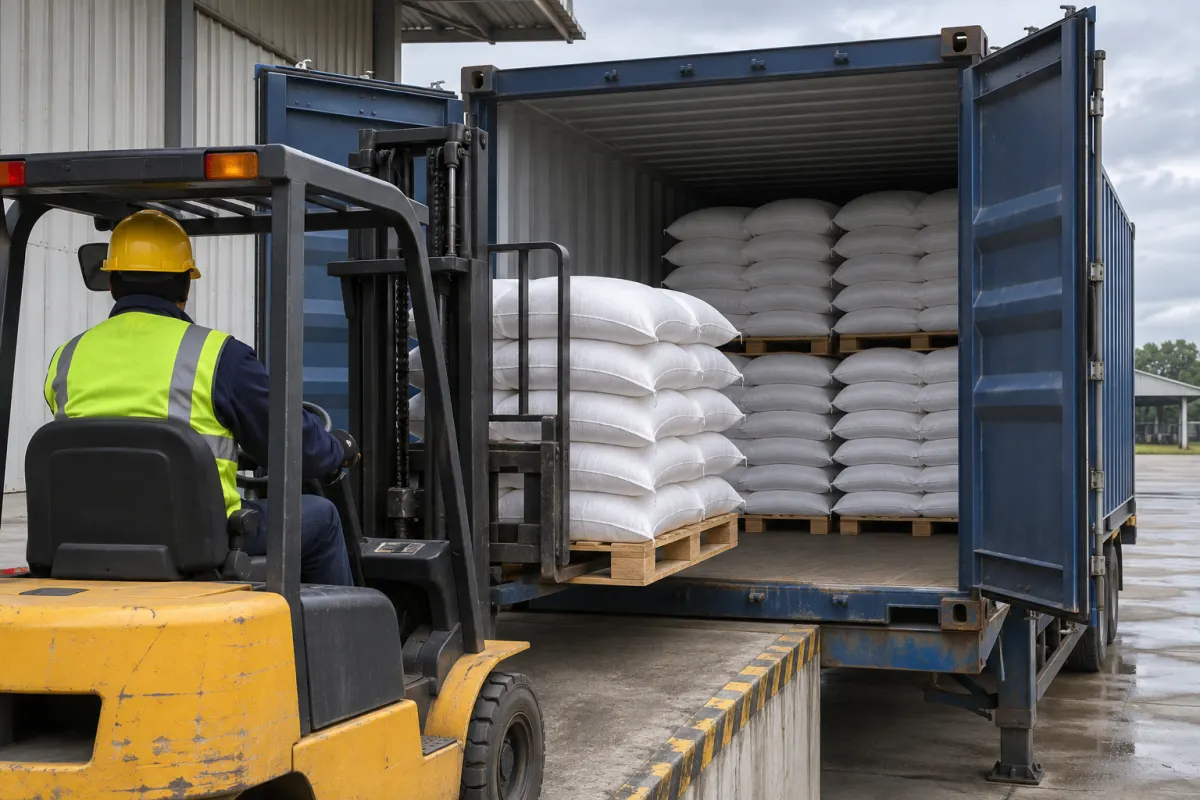
PAC and PAM loaded together, COA with every batch, full export documents.

Dosing, dissolution and site questions answered when your water changes.
What happens in the beaker
One beaker, six stages — the same sequence we run side by side at different doses on your sample.
A litre and a short note
The more the sample behaves like your water on the day, the more useful the result. A few simple steps make the difference.
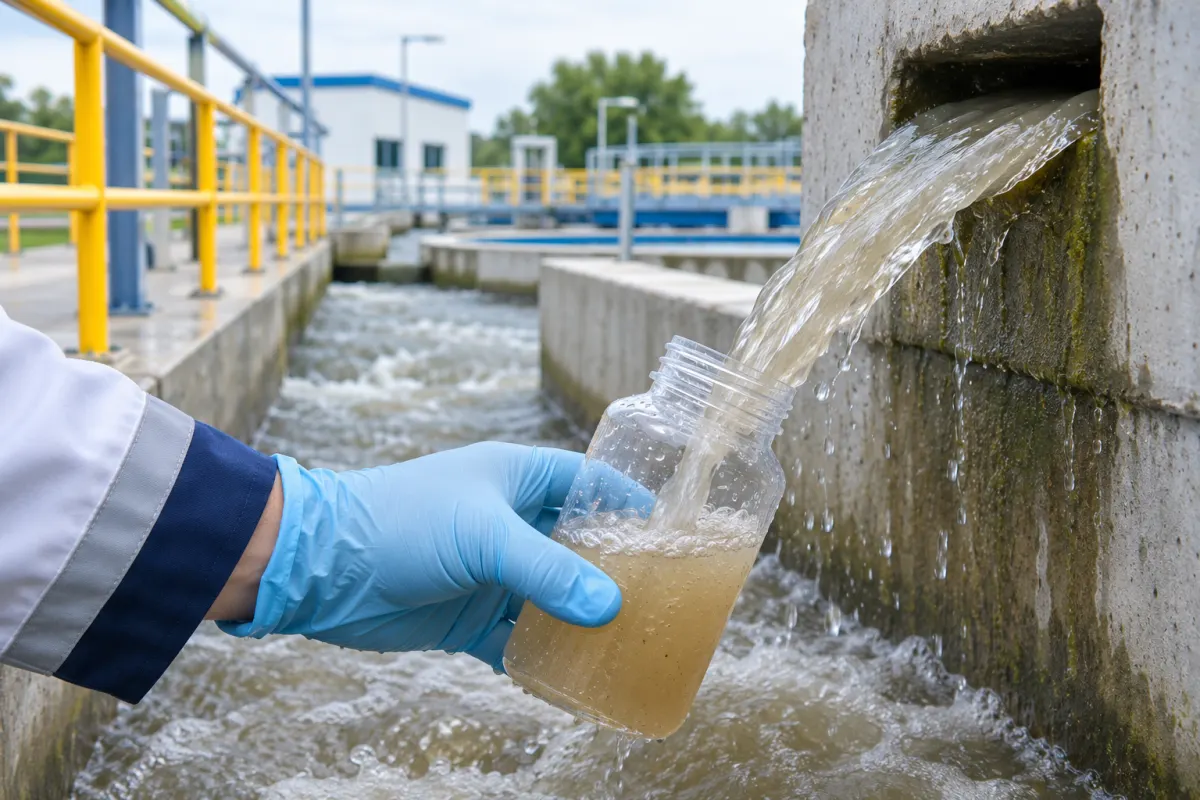 Water
1 litre from the point you want to treat — raw water, process water or effluent.
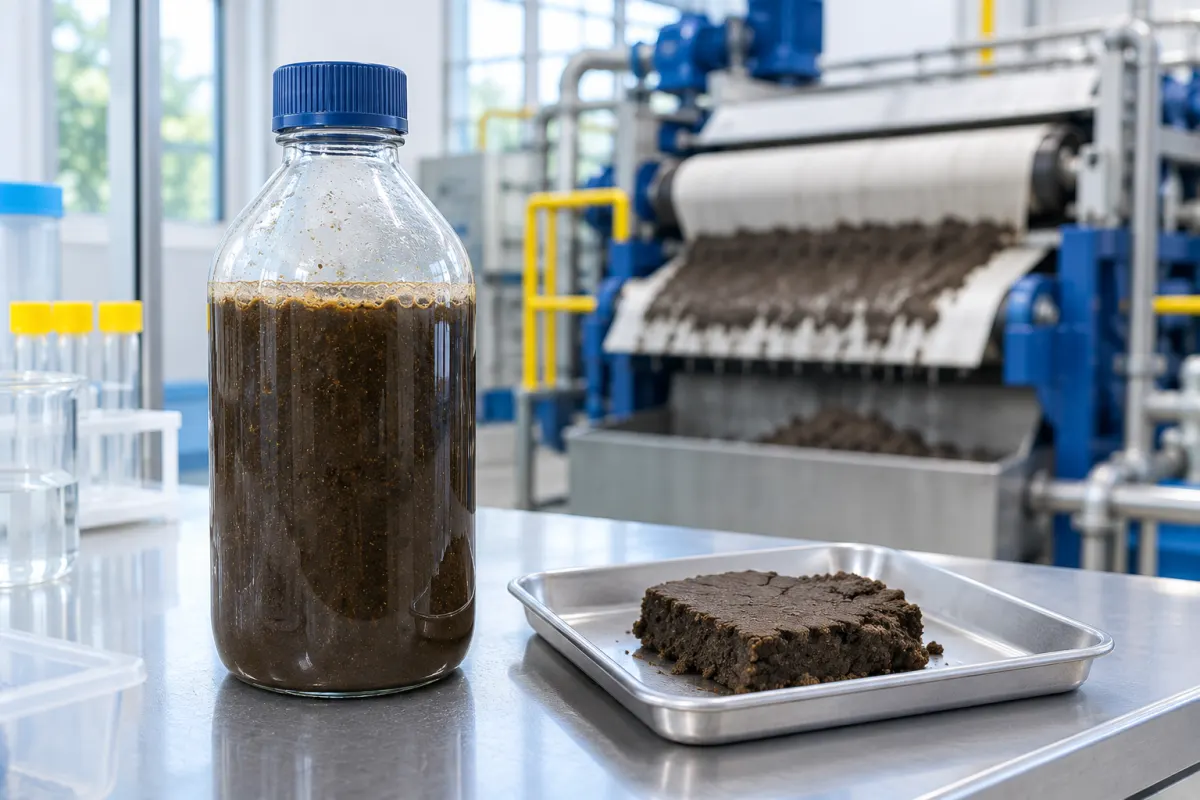 Sludge
1 litre of the sludge that goes to your press or centrifuge, if dewatering is the goal.
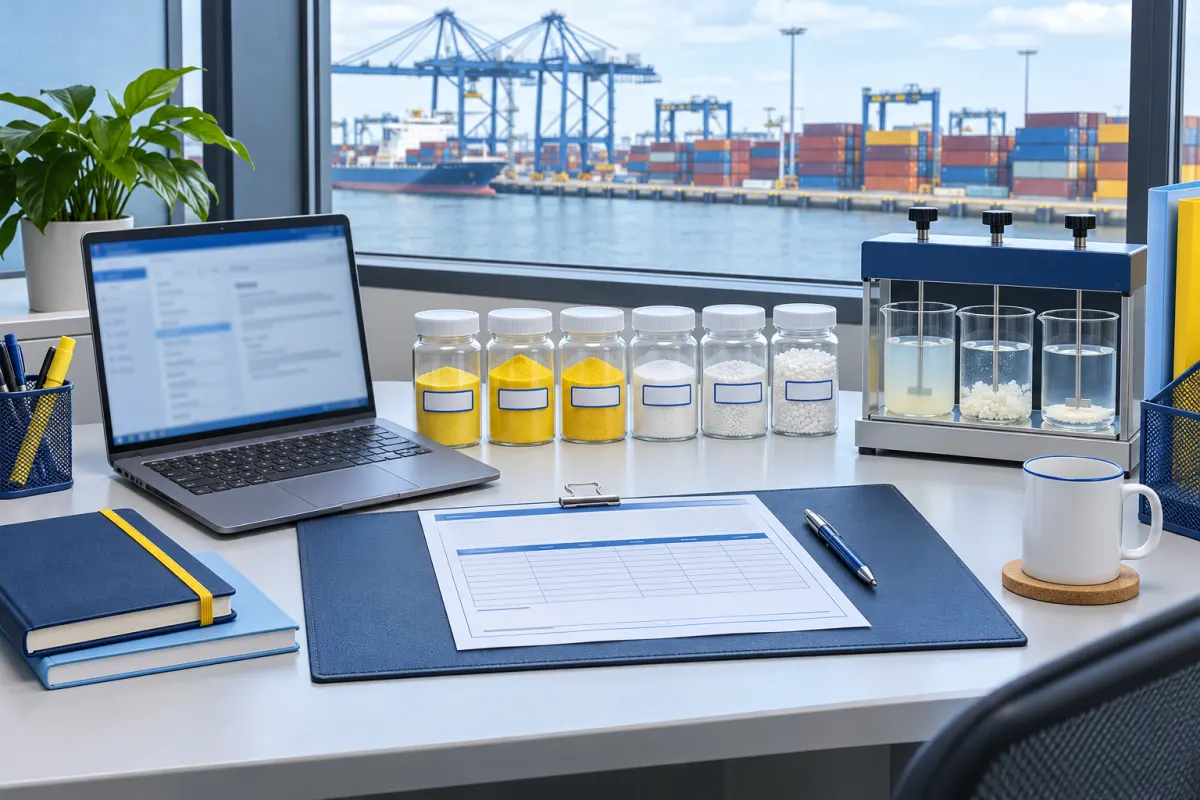 A short note
Your process and equipment, the product and dose you use now, and what you need to improve.
- Raw water
- Turbidity 180 NTU · pH 7.2 · SS 420 mg/L
- Jar 3
- PAC 30% 40 mg/L + anionic PAM 0.8 mg/L
- Result
- Residual turbidity 4 NTU · settled in 3 min
- Start dose
- PAC 40 mg/L · PAM 0.8 mg/L · ratio 50 : 1
What you get back
A written report you can share with your plant manager or your customer.
Which PAC and which PAM worked best on your sample.
How much coagulant to flocculant, where both are needed.
A dose to begin your site trial with.
How the flocs formed and settled, jar by jar.
Timing: 3–5 working days after the sample arrives.
More is not better. The right dose is.
Too little coagulant leaves the water cloudy. Too much can turn it cloudy again and wastes product. The jar test finds the range in between — on your water.
Drag to compare. Your report includes a photo of every jar.
One test, three kinds of buyer
Whoever doses the product — or sells it — gets a result based on real water, not a datasheet.
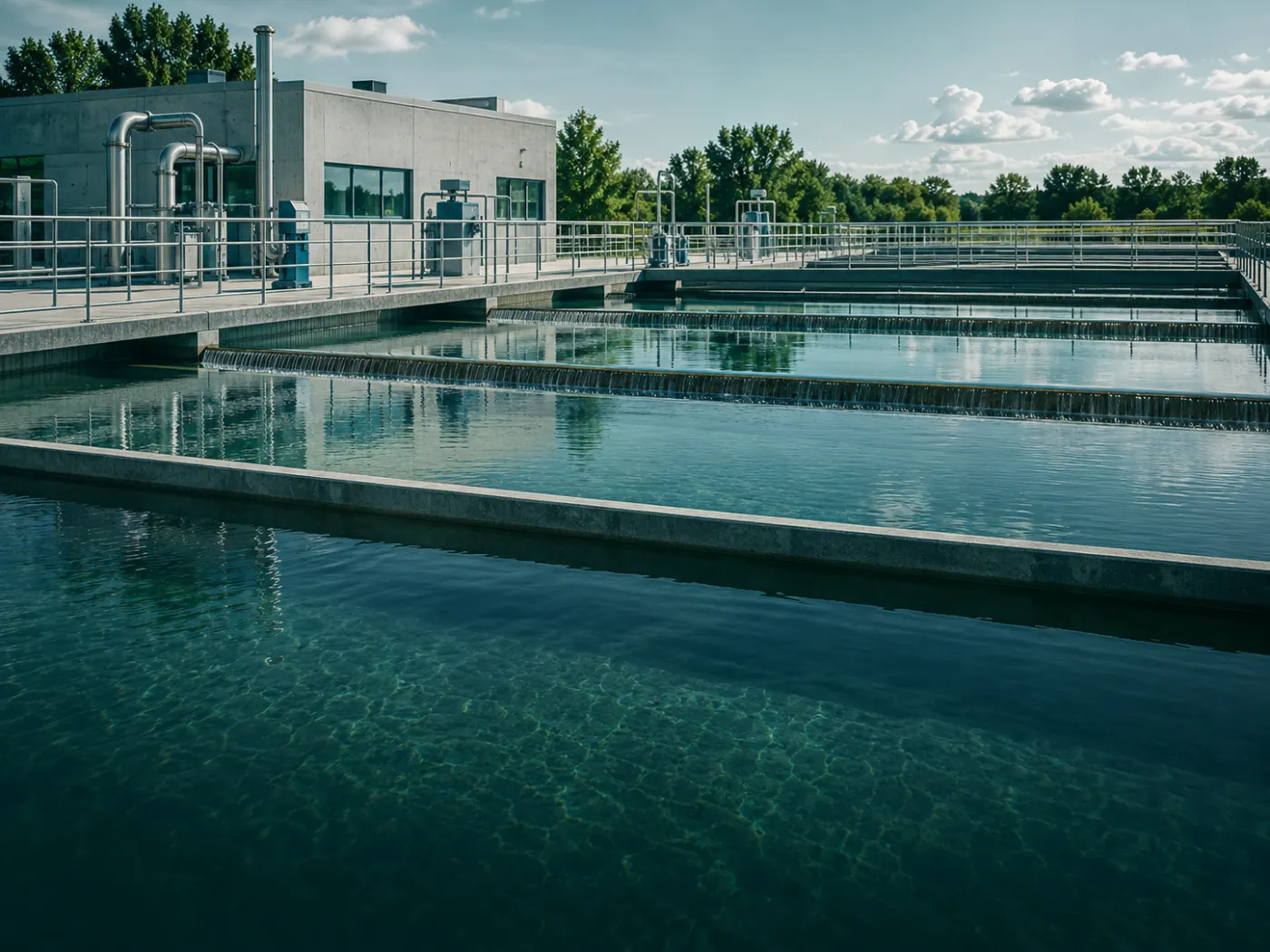 Seasonal changes in raw waterWater works
Check the grade and dose when turbidity, colour or temperature changes — before it shows up at the filters.
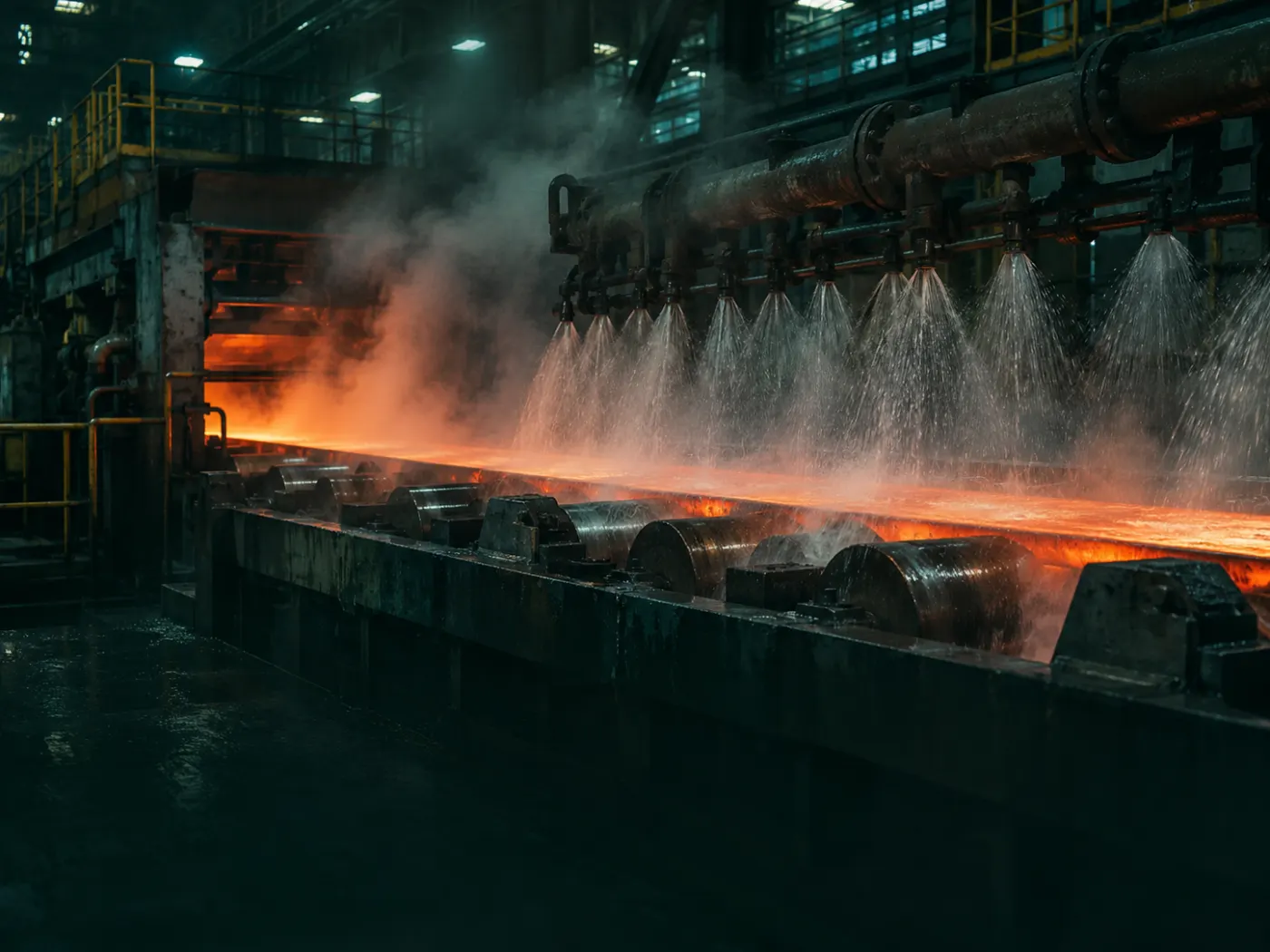 Effluent and sludgeIndustrial plants
Find the PAC and PAM pairing for your effluent, or the cationic PAM for your press or centrifuge.
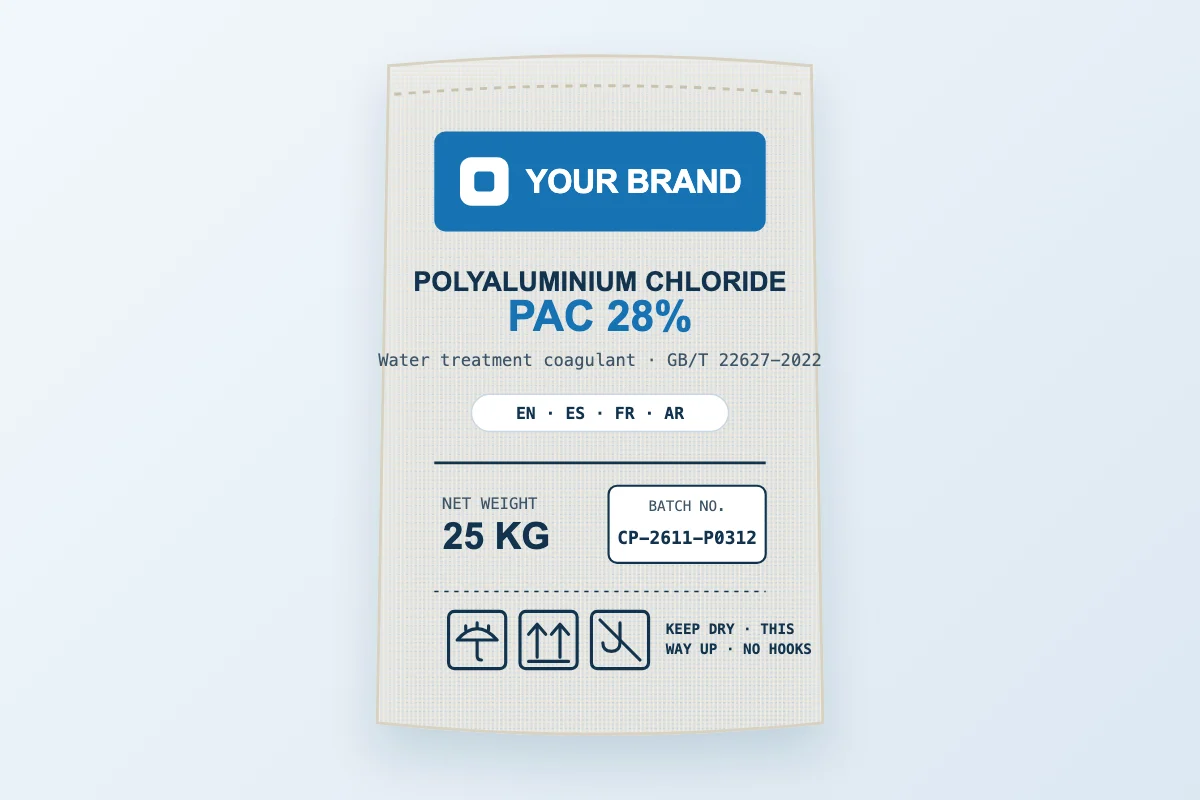 Samples from your customersDistributors
Send samples from several end users. Each bottle gets its own result, so you can recommend with confidence.
Three things a catalogue can’t tell you
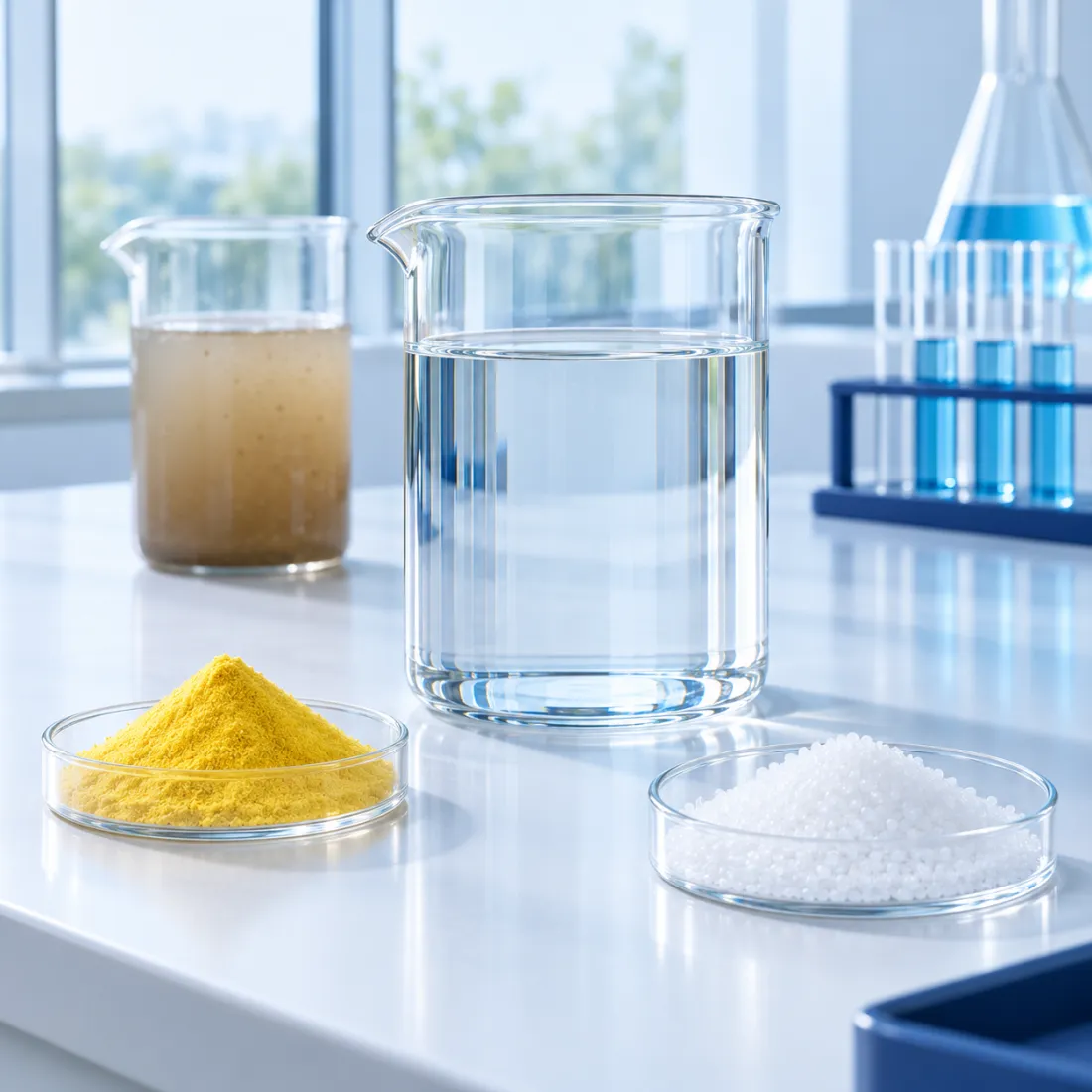
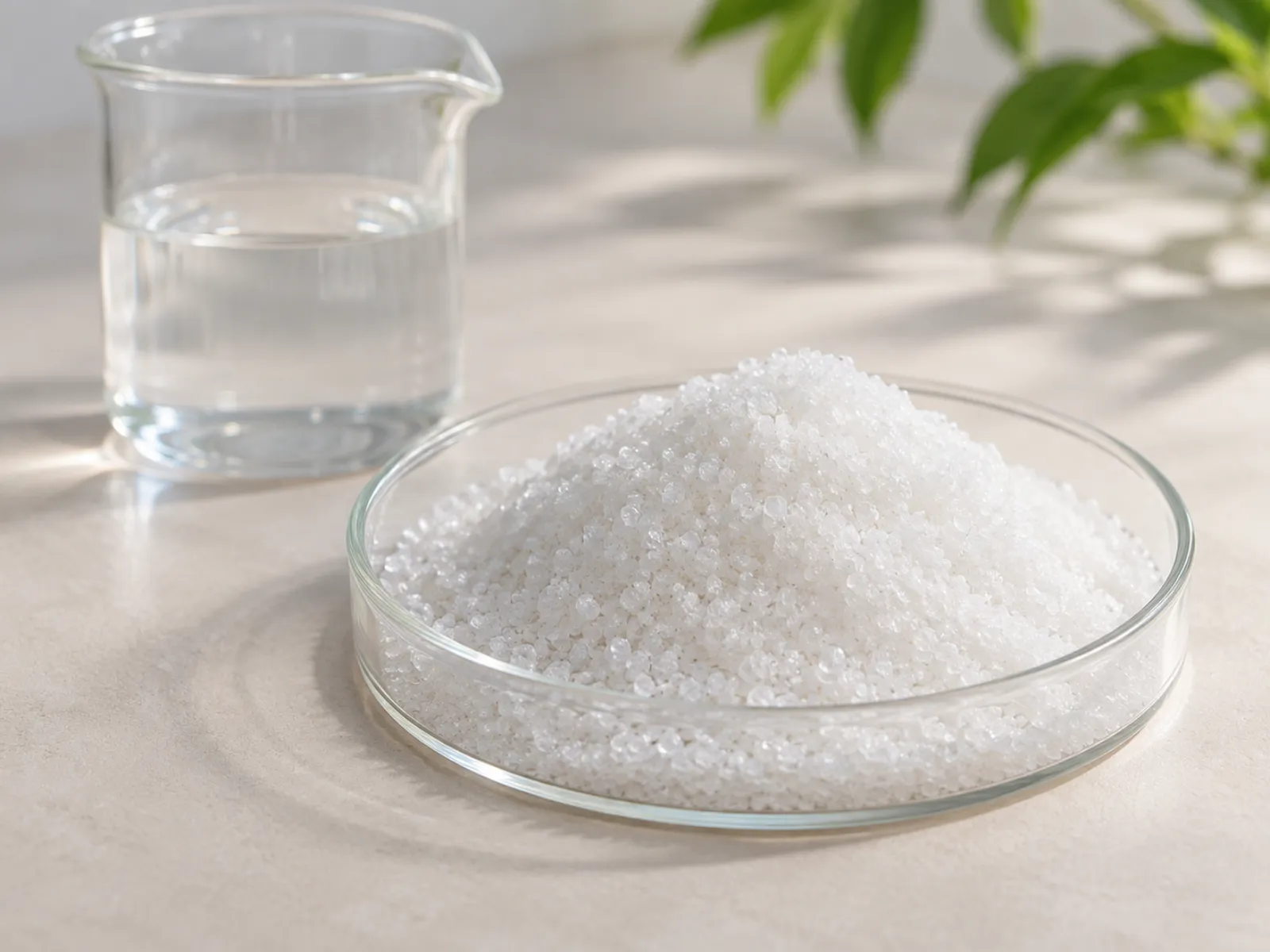 The right charge
Cationic, anionic or nonionic PAM — the wrong one barely works. The test shows which fits your particles.
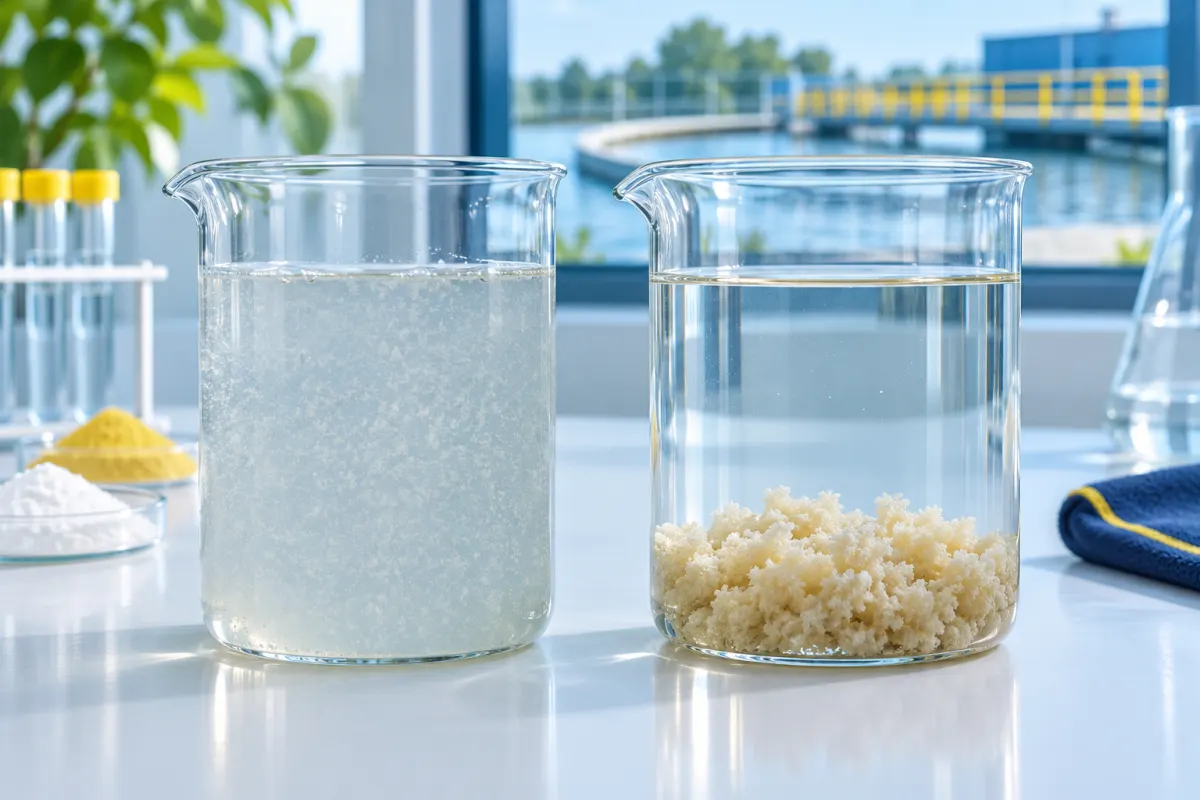
 The right pairing
Some waters need PAC and PAM, some only one. The test shows whether a two-product program lowers your total treatment cost.
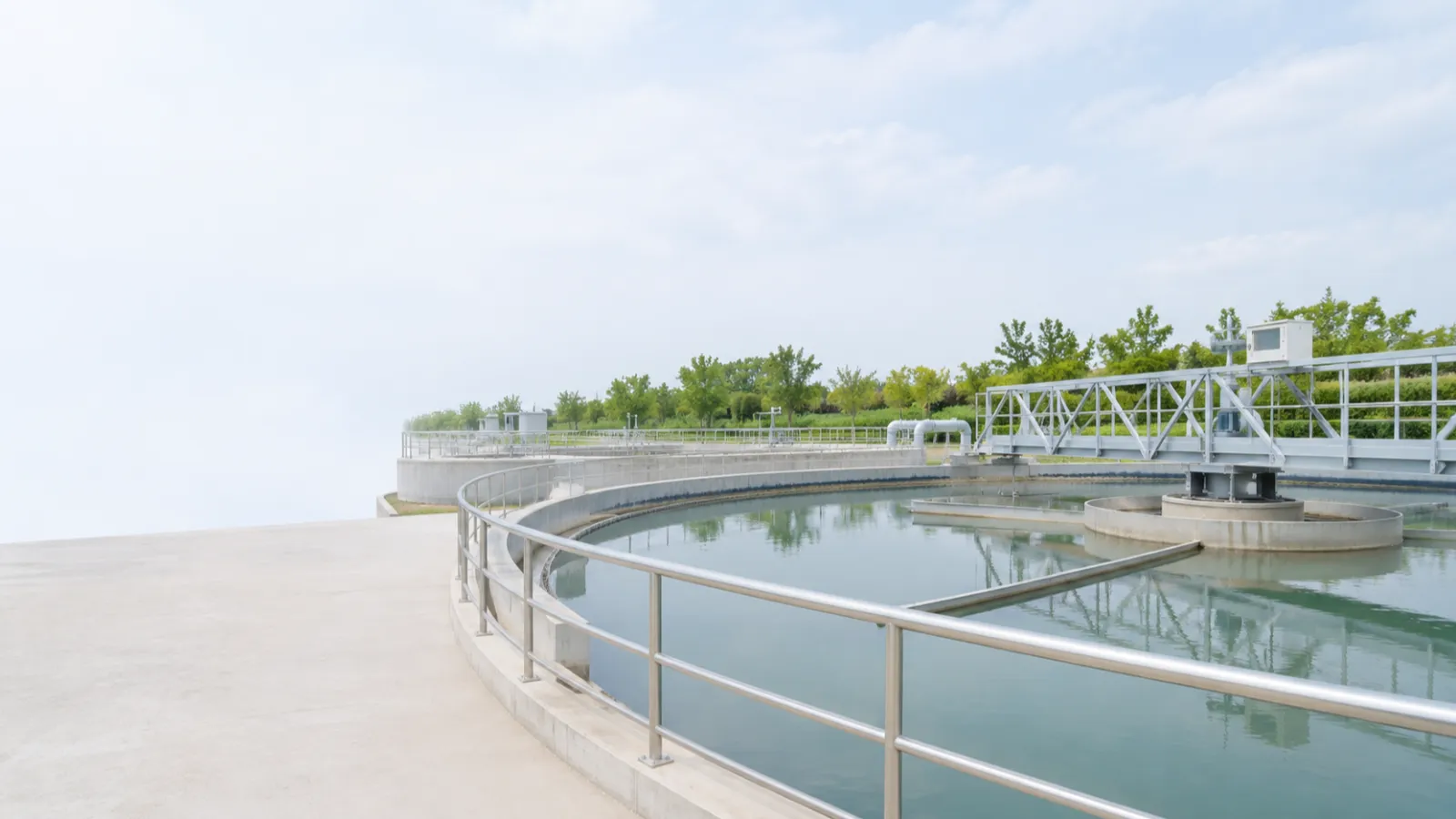
 A dose to start from
Too little leaves the water cloudy; too much wastes product and can make it worse. The test finds the range.
Questions about the jar test.
Short answers on samples, timing, shipping and the report. Anything else, ask us directly.
Replies within one working day
How does the free jar test work?
Send 1 litre of raw water or sludge with a short note on your process, equipment and current product. We test several PAC and PAM combinations side by side and send back a written report with the recommended grades, the PAC : PAM ratio and a starting dose.
Is the jar test really free?
Yes, the test and the written report are free. You send your sample by courier at your own cost, and there is no obligation to order afterwards.
How long does it take?
The written report is ready within 3–5 working days after your sample arrives.
How much sample do you need?
1 litre of water from the point you want to treat. If dewatering is the goal, add 1 litre of the sludge that goes to your press or centrifuge.
How should I pack and ship the sample?
Use a clean, leak-proof plastic bottle filled nearly to the top, label it, seal it in a bag and pad it in a box. Send it soon after sampling. We tell you where to send it when you request the test.
What is in the report?
The recommended grades, the PAC : PAM ratio where both are used, a starting dose for your site trial and photos of the flocs.
Our water changes with the season. Do we need to test again?
If your raw water or sludge changes noticeably — a new season, a new discharge, new equipment — send a fresh sample and we compare it with the last result.
Are samples free?
We send 1 kg samples of the recommended grades for a trial on your own equipment. Samples are free of charge; the buyer pays the courier.
Can a distributor send samples from its customers?
Yes. Distributors send samples from several end users. Label each bottle clearly and we report on each one separately.
Tell us about your water.
Tell us what you treat and what you use now. We reply within one working day and tell you where to send the sample.
To get a quote in one reply, include
- Application or industry
- Product and dose you use now
- Monthly volume and destination port