PAC and PAM guides for water treatment.
Practical guides on polyaluminium chloride (PAC) and polyacrylamide (PAM): how coagulation and flocculation work, how to choose a grade, run a jar test, dissolve and dose PAM, and order water treatment chemicals with confidence. Short answers first, details after.
Start here
Practical guides that answer most first questions.
Applications
Programs for specific industries.
 Guide
Applications
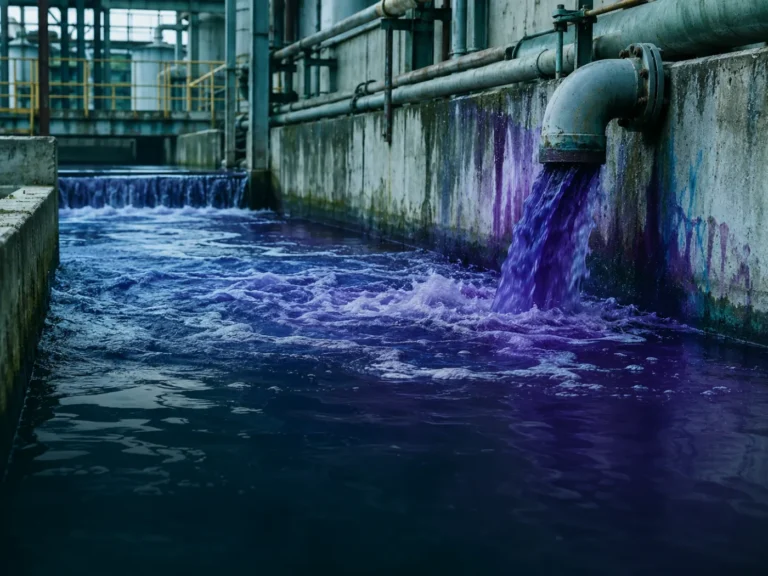
Textile dyeing wastewater: colour removal with PAC + PAM
Coagulation for colour and COD, then flocculation for a clear effluent.
Read guide →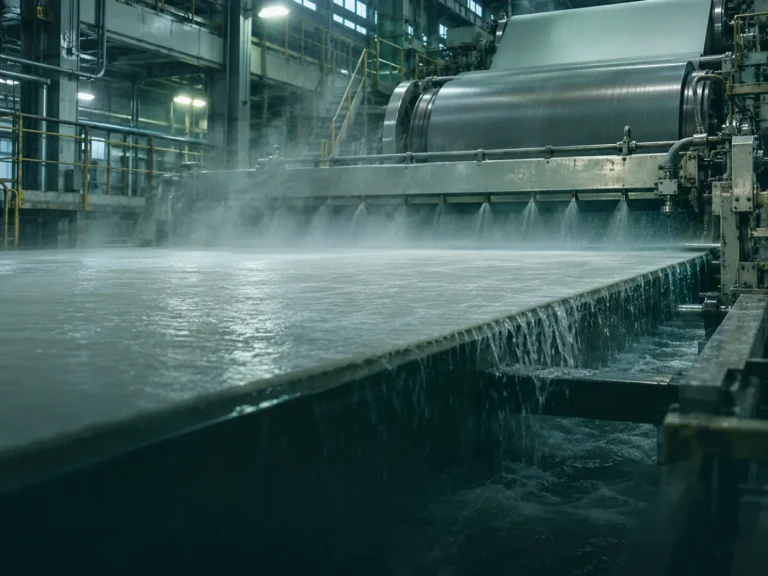 Guide
Applications
Paper mill white water clarification
Recovering fibre and fillers, and closing the water loop.
Read guide → Guide
Applications
Sand washing wastewater: settling ponds vs filter press
Anionic PAM for fast settling and clear water you can reuse.
Read guide →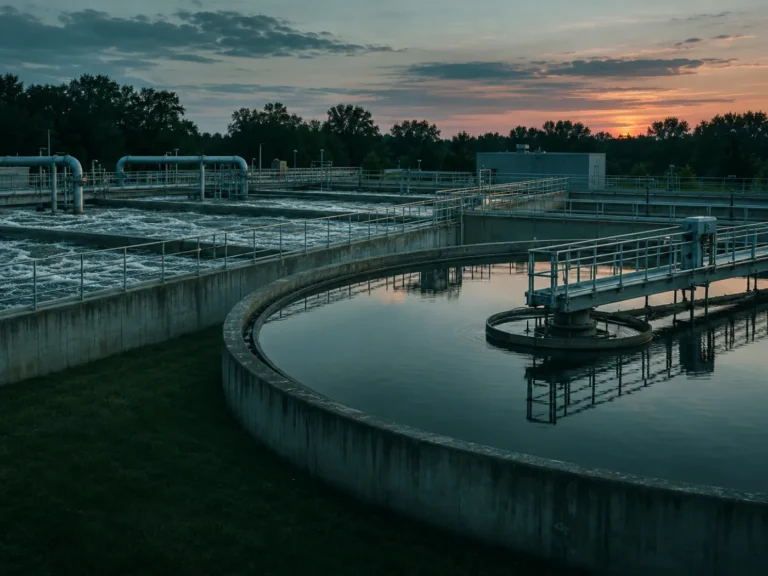 Guide
Applications
Municipal sludge dewatering: belt vs screw vs centrifuge
Which cationic PAM each machine needs, and how to tell it is working.
Read guide →Send 1 litre of raw water or sludge. We test PAC and PAM combinations and send a written report.
Basics
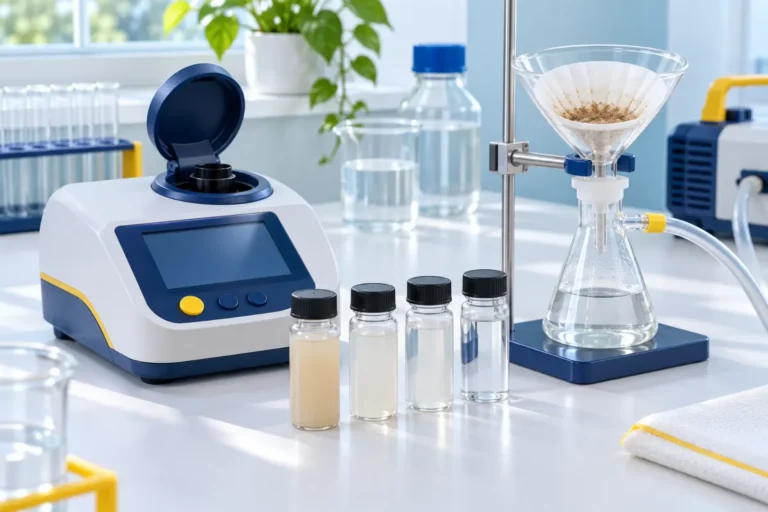
How coagulants and flocculants work, in plain words.
 Explainer
Basics
Turbidity vs TSS: which one should you control?
What each measurement tells you, and which one your permit really cares about.
Read guide →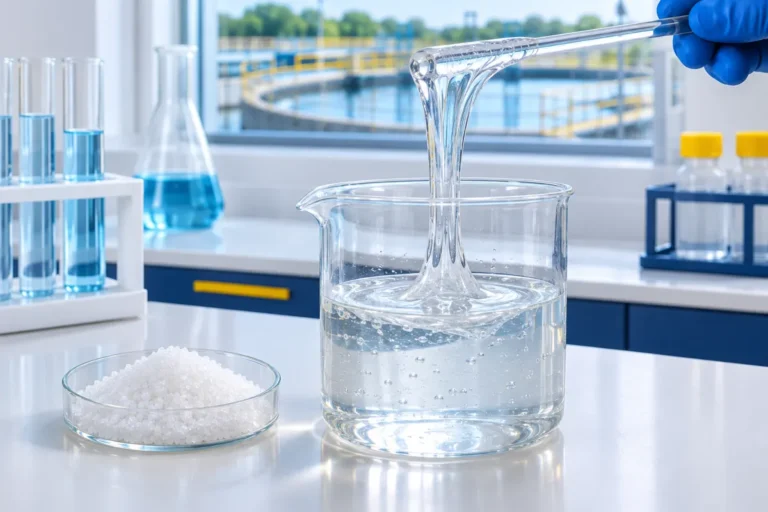 Explainer
Basics
Charge density and molecular weight: what each one changes
The two numbers that decide how a polyacrylamide behaves in your water.
Read guide →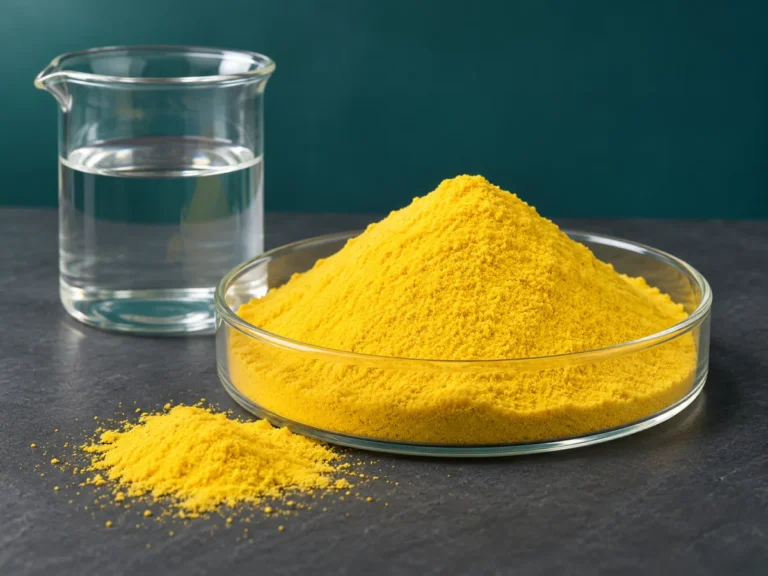 Guide
Basics
PAC and PAM: why most plants need both
Coagulation and flocculation explained, with dosing order and typical ratios.
Read guide →Send 1 litre of raw water or sludge. We test PAC and PAM combinations and send a written report.
Buying
Ordering, shipping and private label.
 Checklist
Buying
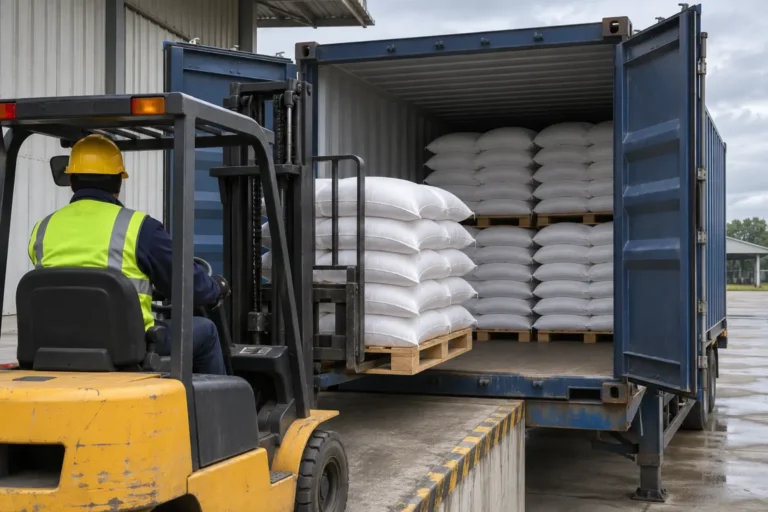
12 questions to ask before your first container
Grade, limits, documents, packing and loading — settled before you pay.
Read guide →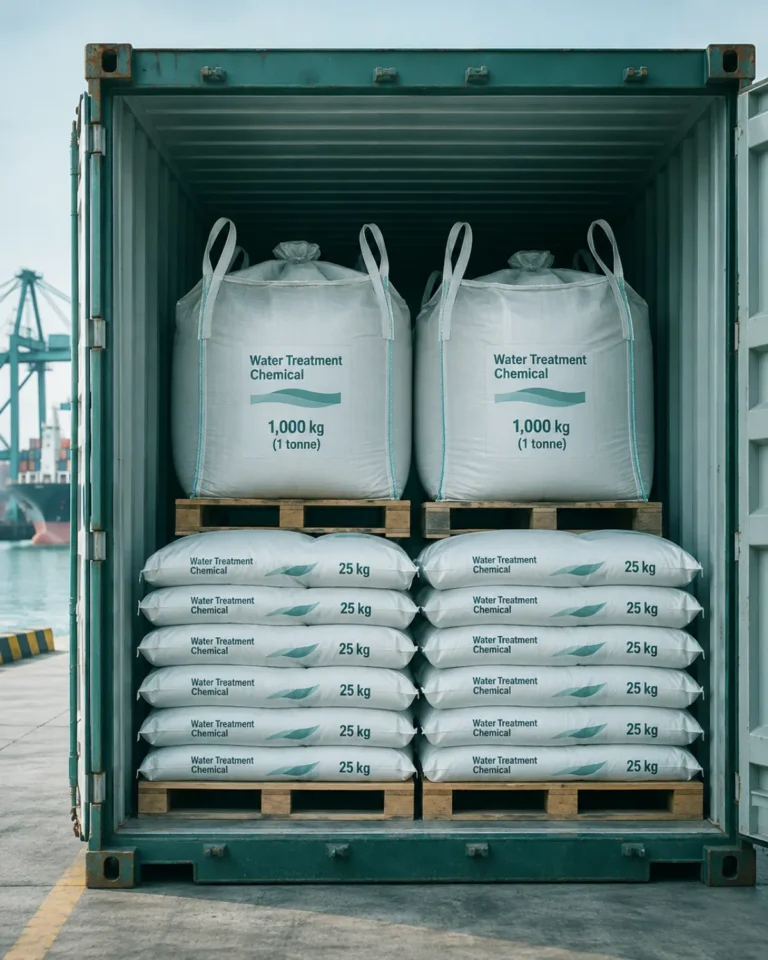 Guide
Buying
FOB vs CIF for chemical buyers
Who pays for what, who carries the risk, and which term suits a first order.
Read guide →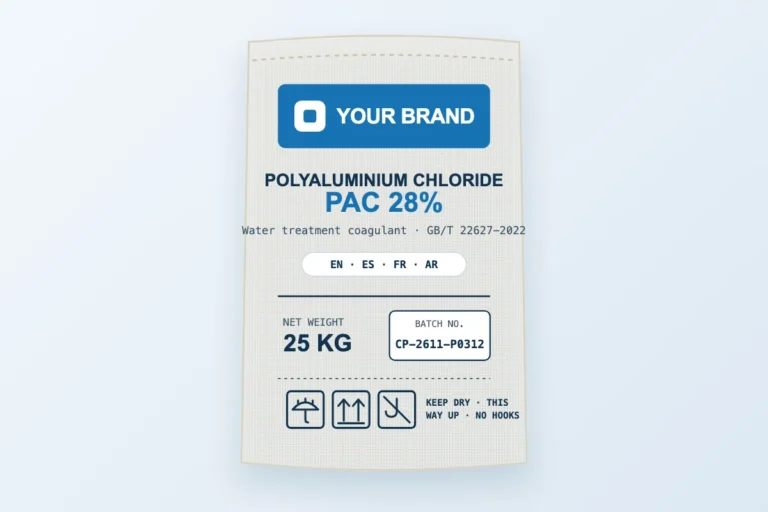 Guide
Buying
Private label vs neutral packing
What each option costs you in time and money, and which suits your market.
Read guide →Send 1 litre of raw water or sludge. We test PAC and PAM combinations and send a written report.
Dosing & handling
Getting the most out of every kilogram.
 Checklist
Dosing & handling
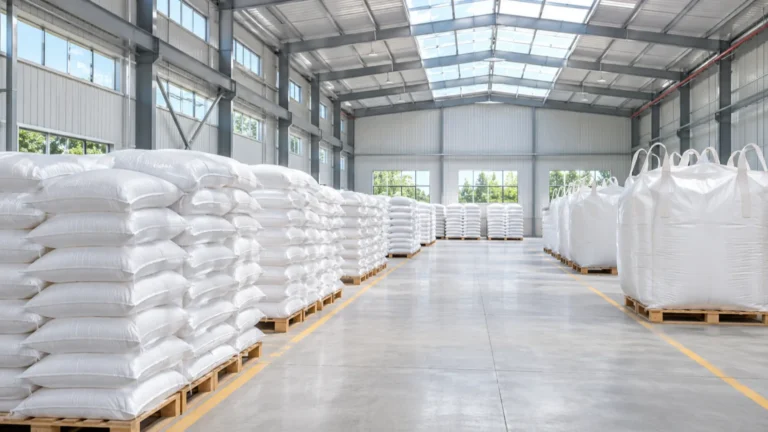
Storing PAC and PAM: moisture, shelf life and handling
Keeping bags dry, rotating stock and handling acidic PAC safely.
Read guide →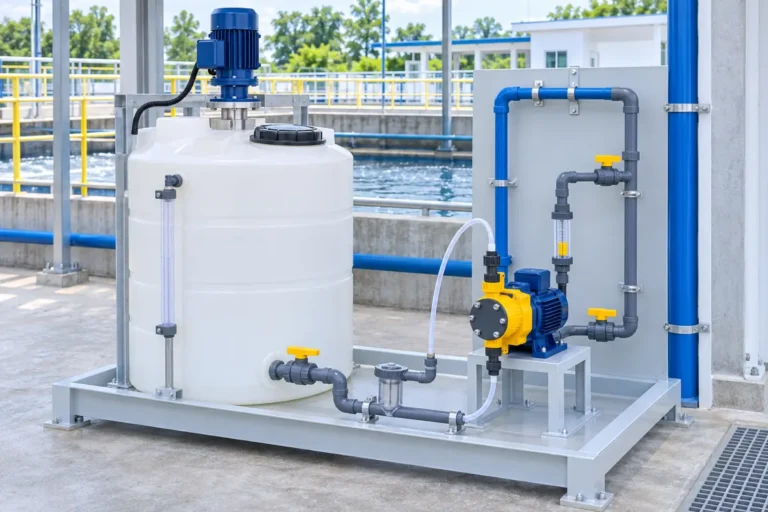 Guide
Dosing & handling
How to calculate polyacrylamide dosage
From g/m³ to kg per day, with worked examples for water and sludge.
Read guide →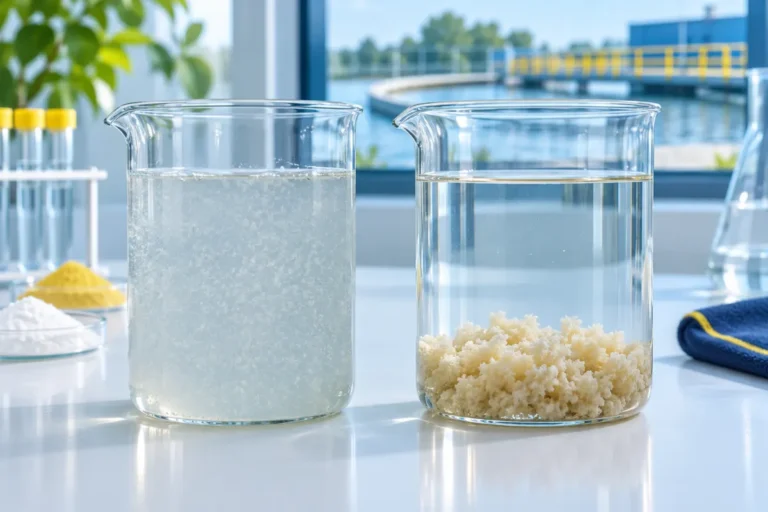 Troubleshooting
Dosing & handling
Why your floc is small: 8 common causes
Dose, mixing energy, pH and polymer age — a checklist for the plant floor.
Read guide →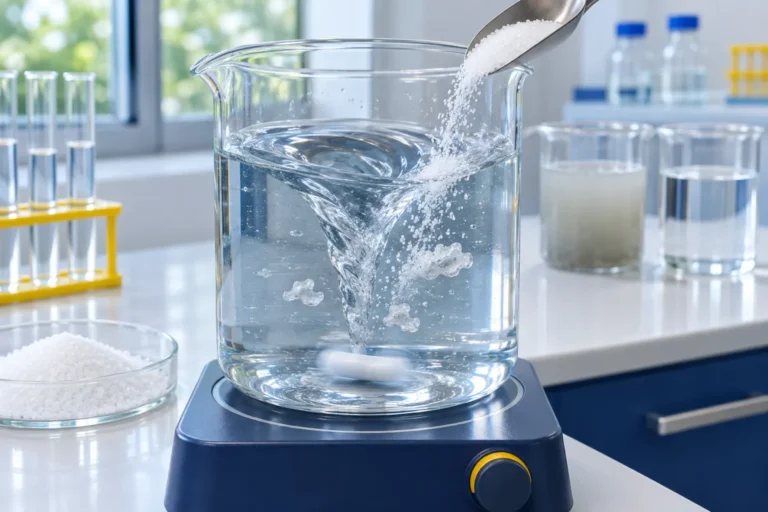 Guide
Dosing & handling
Dissolving PAM without fish eyes
Wetting, ageing time and concentration for a clean polymer solution.
Read guide →Send 1 litre of raw water or sludge. We test PAC and PAM combinations and send a written report.
Selection
Picking the product and the grade.
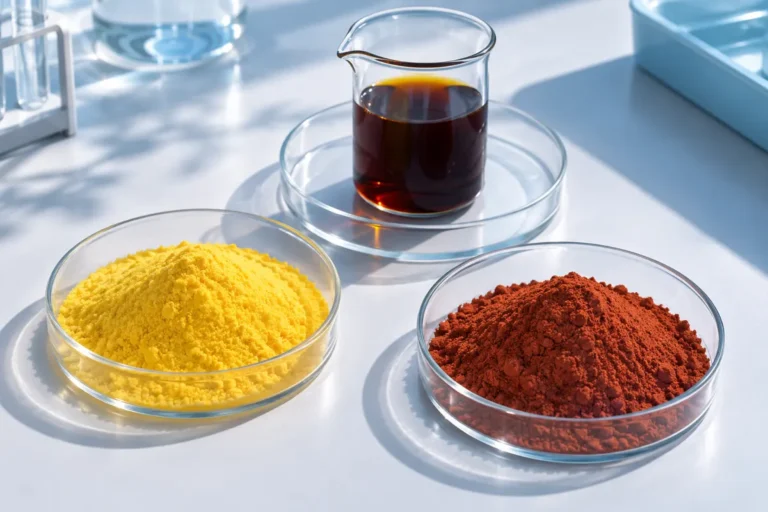 Guide
Selection
PAC vs ferric chloride vs PFS: choosing a coagulant
pH range, sludge volume, colour and corrosion compared.
Read guide →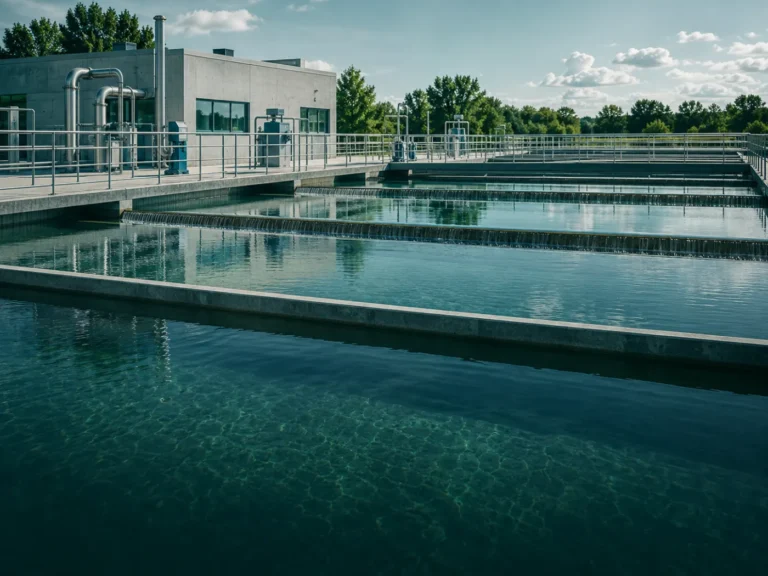 Reference
Selection
Industrial or drinking-water PAC: which standard applies
GB/T 22627 and GB 15892 side by side, and when you need the stricter one.
Read guide →Guide
Selection
PAC 28% vs 30%: what the Al₂O₃ number means
Content, dose and cost per cubic metre — why the higher number is not always cheaper.
Read guide →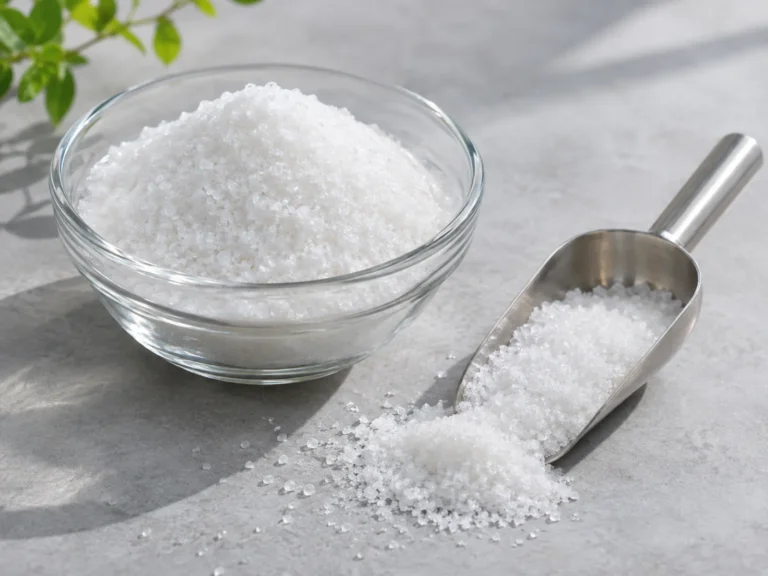 Guide
Selection
Cationic or anionic PAM: how to choose
What the charge does, which water each type suits, and when nonionic wins.
Read guide →Send 1 litre of raw water or sludge. We test PAC and PAM combinations and send a written report.
Testing
Prove the grade on your own water.
 Reference
Testing
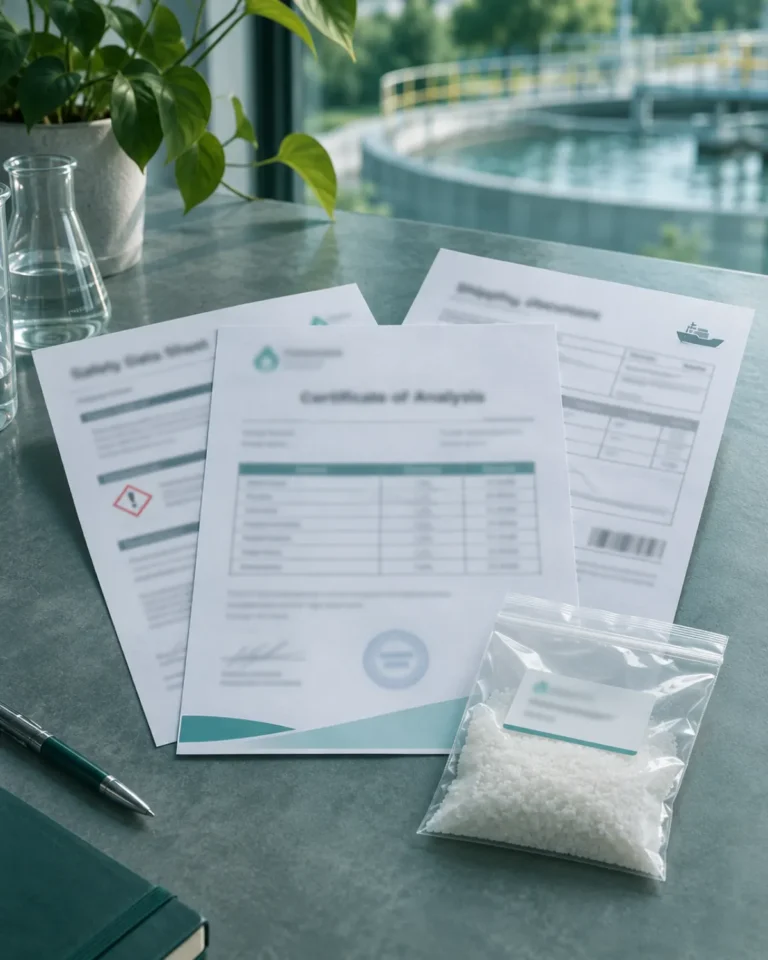
How to read a certificate of analysis
Batch number, standard, specification and measured results, line by line.
Read guide →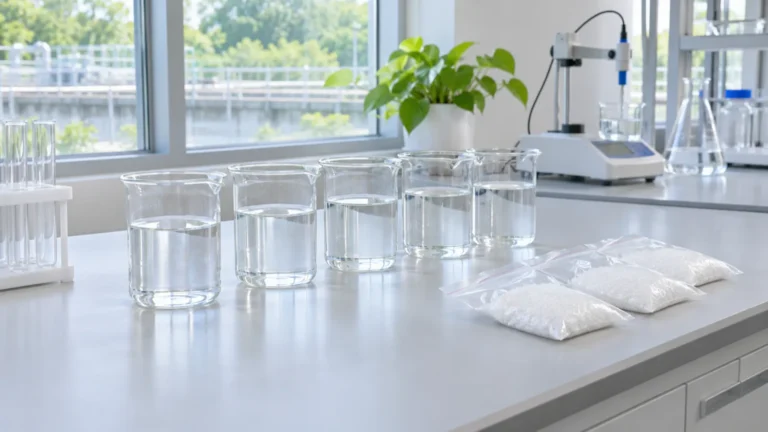 Checklist
Testing
How to compare two polymer samples fairly
Same water, same make-down, same mixing — a fair test in five rules.
Read guide →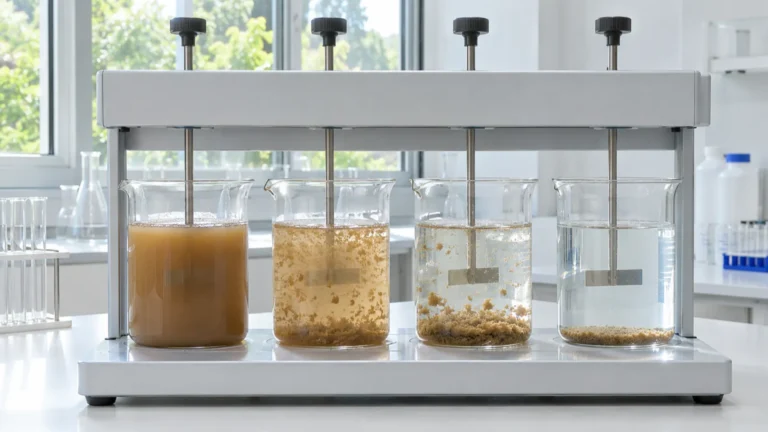 Guide
Testing
How to run a jar test in 30 minutes
Equipment, dosing steps and what to look for in the flocs.
Read guide →Send 1 litre of raw water or sludge. We test PAC and PAM combinations and send a written report.
Ask us directly — send your question →
 Tool · Dose calculator
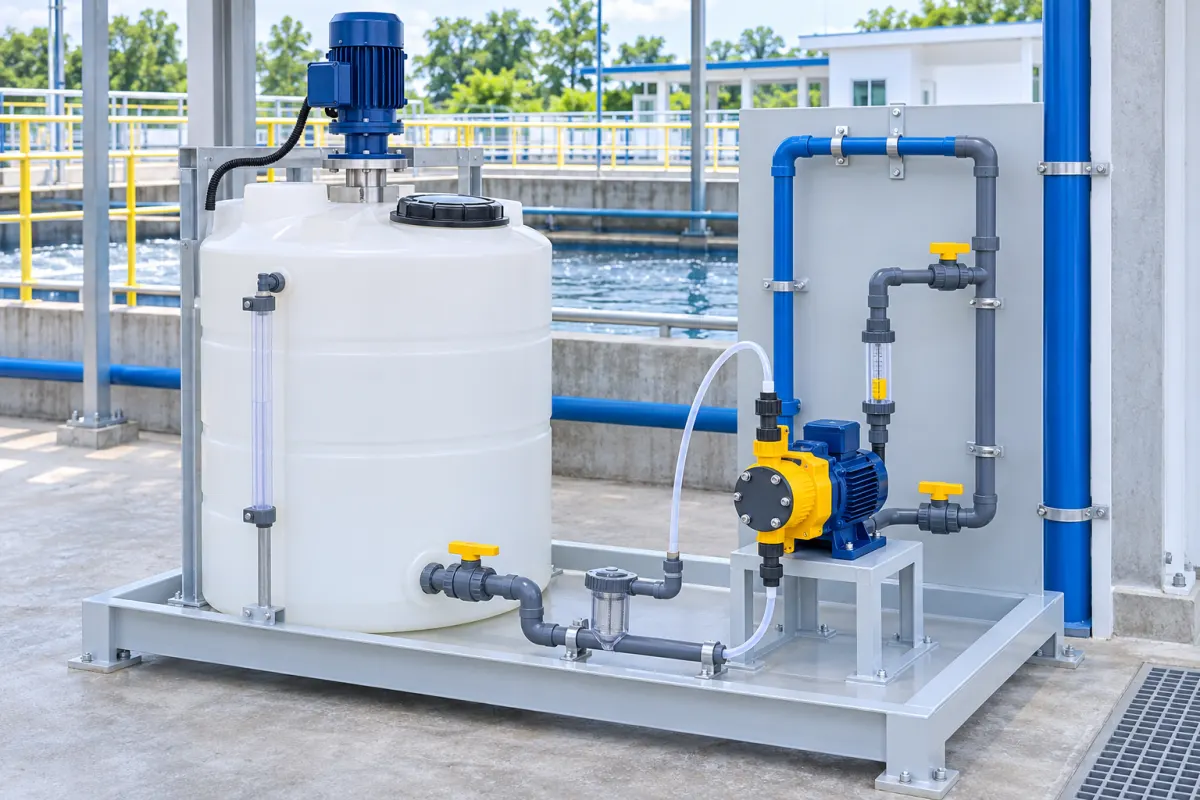
From g/m³ to kilograms a day
Enter your flow and the dose from your jar test. The numbers update as you type.
The right dose comes from a jar test on your water — we run one free →
Ten terms used across these guides
Plain definitions, so the rest of the page reads quickly.
- Coagulant
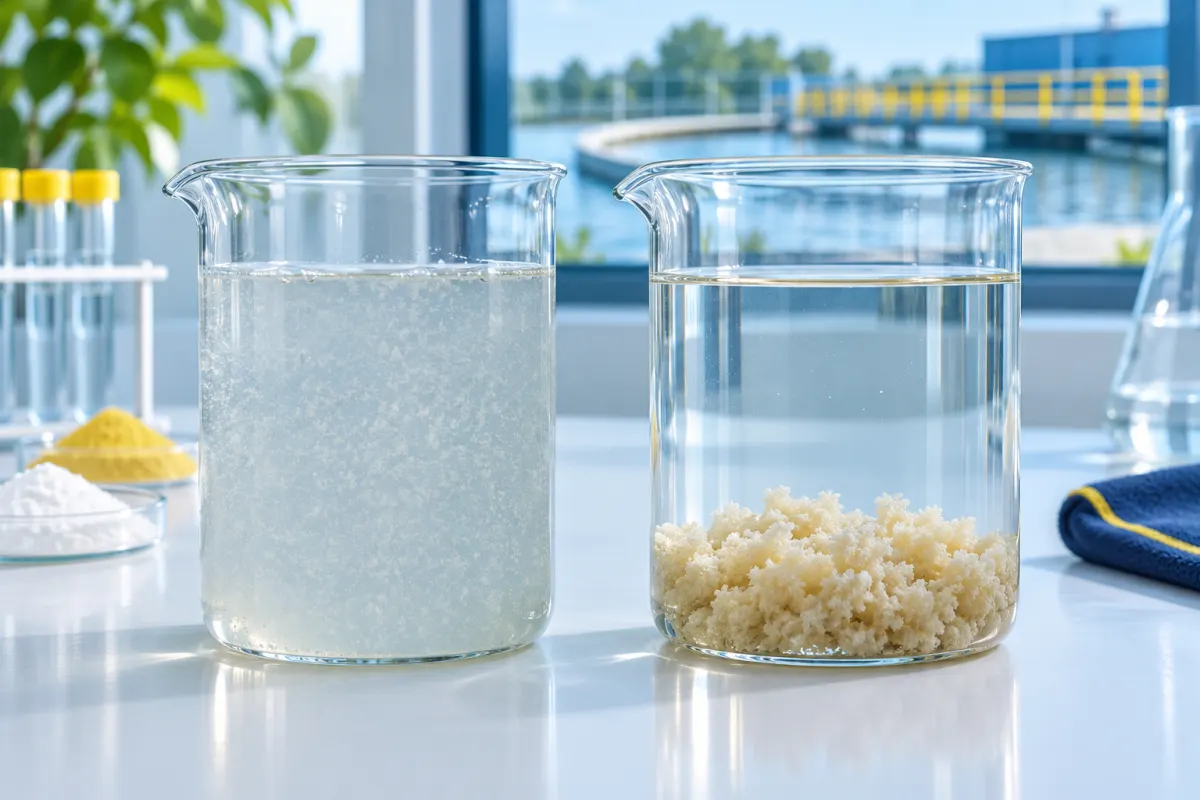
- A chemical (like PAC) that neutralises the charge on tiny particles so they can clump together.
- Flocculant
- A long-chain polymer (like PAM) that bridges small clumps into large flocs that settle or press.
- Al₂O₃ content
- The active aluminium oxide percentage in PAC, e.g. 28% or 30%.
- Basicity
- The degree of polymerisation in PAC. It affects how fast and across what pH range PAC works.
- Charge density
- The share of charged units on a cationic or anionic PAM chain, matched to your solids.
- Molecular weight
- The length of the PAM polymer chain. Higher molecular weight builds larger flocs.
- Jar test
- A bench test comparing grades and doses side by side on your own water or sludge.
- Fish eyes
- Undissolved gel lumps formed when PAM powder is dumped into water too fast.
- COA
- Certificate of analysis: the measured lab values for the exact batch printed on the bag.
- Cake dryness
- The solids percentage of dewatered sludge leaving a belt press, screw press or centrifuge.
Still have a question?
Ask about choosing, dosing or dissolving PAC and PAM. We reply within one working day.
For a quick technical answer, include
- Your industry or water source
- What you are seeing, e.g. small flocs or a wet cake
- The product and equipment you use now