Nonionic PolyacrylamideNPAM · low / medium / high MW · GB/T 17514-2017
Neutral-charge polymer flocculant that keeps working in acidic or high-salinity water where ionic grades lose performance. Widely paired with PAC for textile dyeing, acid mine drainage and mixed industrial effluent.
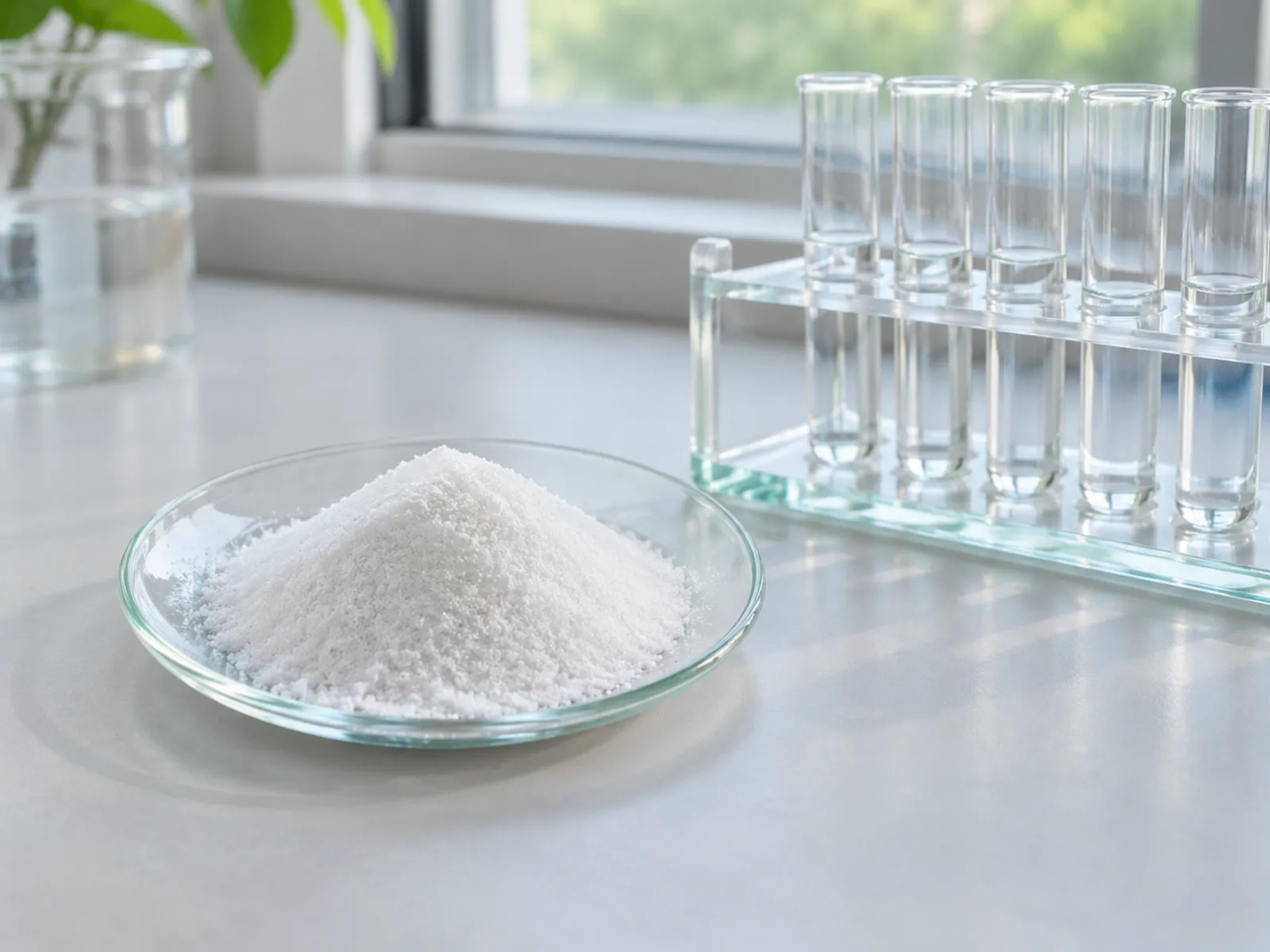
Choose by molecular weight
Nonionic PAM works by adsorption and bridging rather than strong ionic charge, making it less sensitive to low pH and dissolved salts.
| Grade | Molecular weight | Appearance | Standard | Typical use |
|---|---|---|---|---|
| Low–medium MW NPAM | Low–medium MW | White granules or powder | GB/T 17514-2017 | Acidic process water, metallurgy acid-leach streams, filtration aid |
| Medium–high MW NPAM | Medium–high MW | White granules or powder | GB/T 17514-2017 | Textile dyeing & printing effluent (paired with PAC), mixed industrial wastewater |
| High MW NPAM | High MW | White granules or powder | GB/T 17514-2017 | Acidic mineral tailings, paper dry-strength & retention aid |
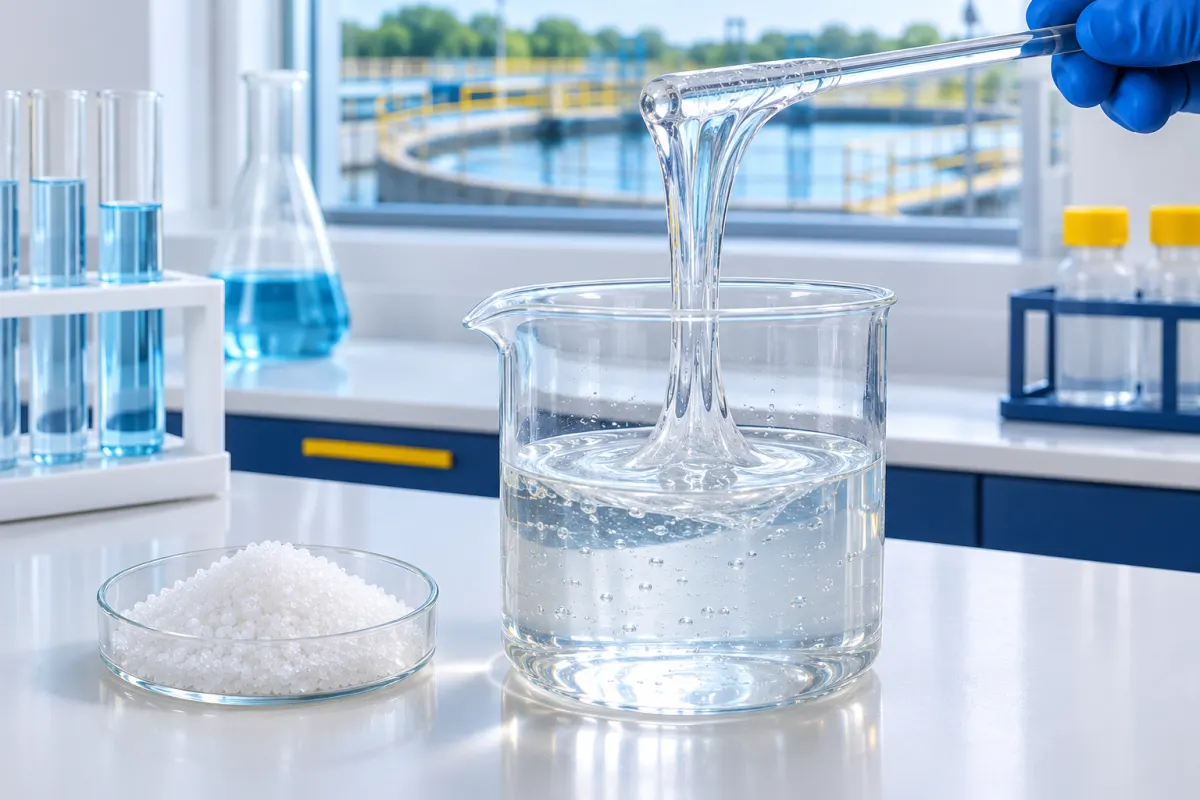
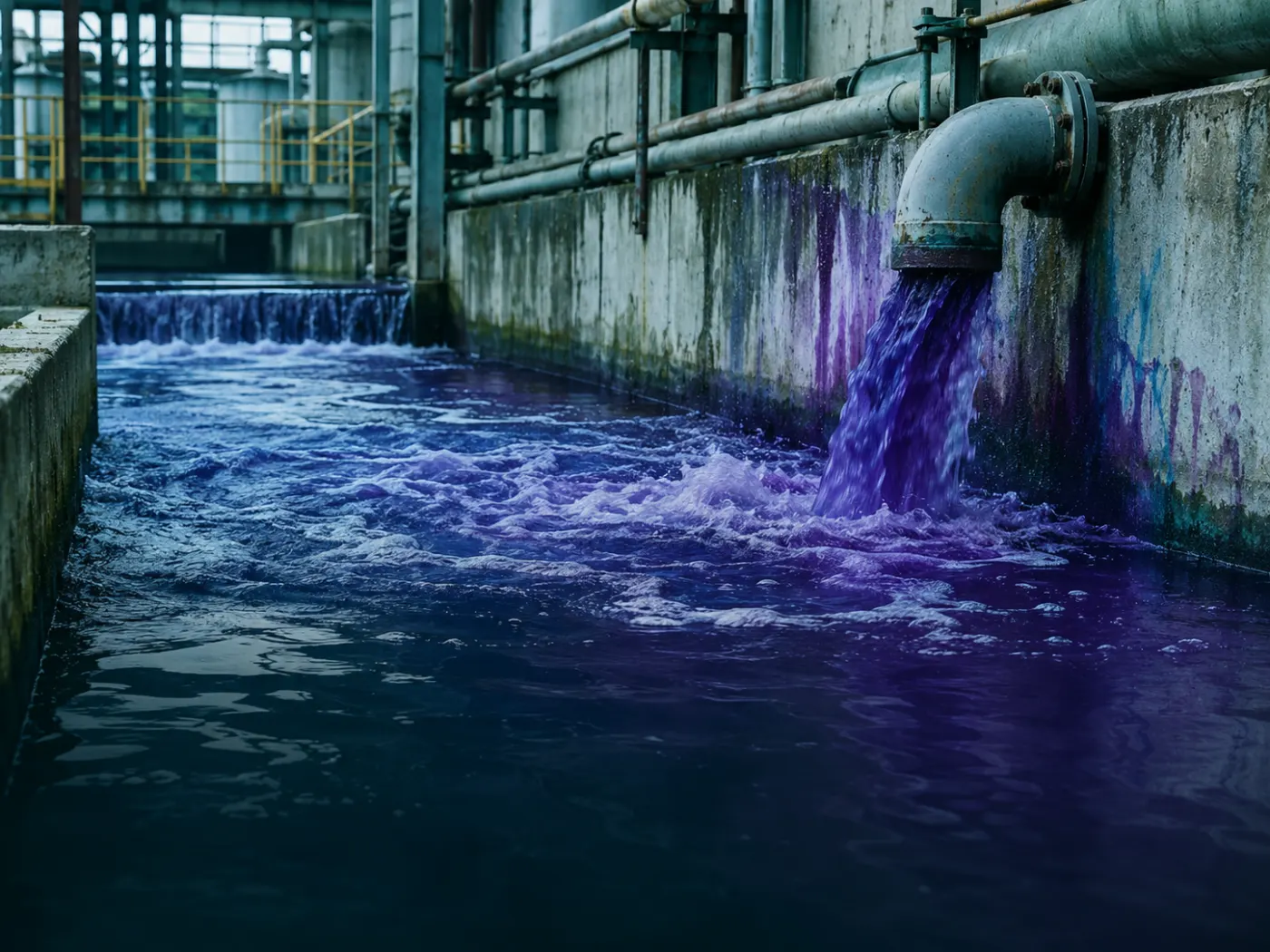
Typical specification
Made to GB/T 17514-2017. Exact molecular weight is confirmed on every batch COA.
| Item | Value |
|---|---|
| Appearance | White granules or powder |
| Solid content | ≥ 88.0% |
| Residual acrylamide monomer (dry) | ≤ 0.05% |
| Dissolution time | ≤ 120 min |
| Water-insoluble matter | Per COA |
| Molecular weight | Low / medium / high — actual value on batch COA |
| Standard | GB/T 17514-2017 |
Where nonionic PAM goes to work
Chosen when low pH, high salts or complex dye chemistry limit cationic and anionic grades.
Textile dyeing
Clarifying dyed and printed wastewater after PAC coagulation.
Acidic mining & metallurgy
Acid-leach slurries, electroplating and low-pH metal finishing effluent.
Paper & pulp
Acidic papermaking systems and fibre recovery.
Mixed industrial effluent
Effluent with fluctuating pH or high dissolved solids.
Not on the list?
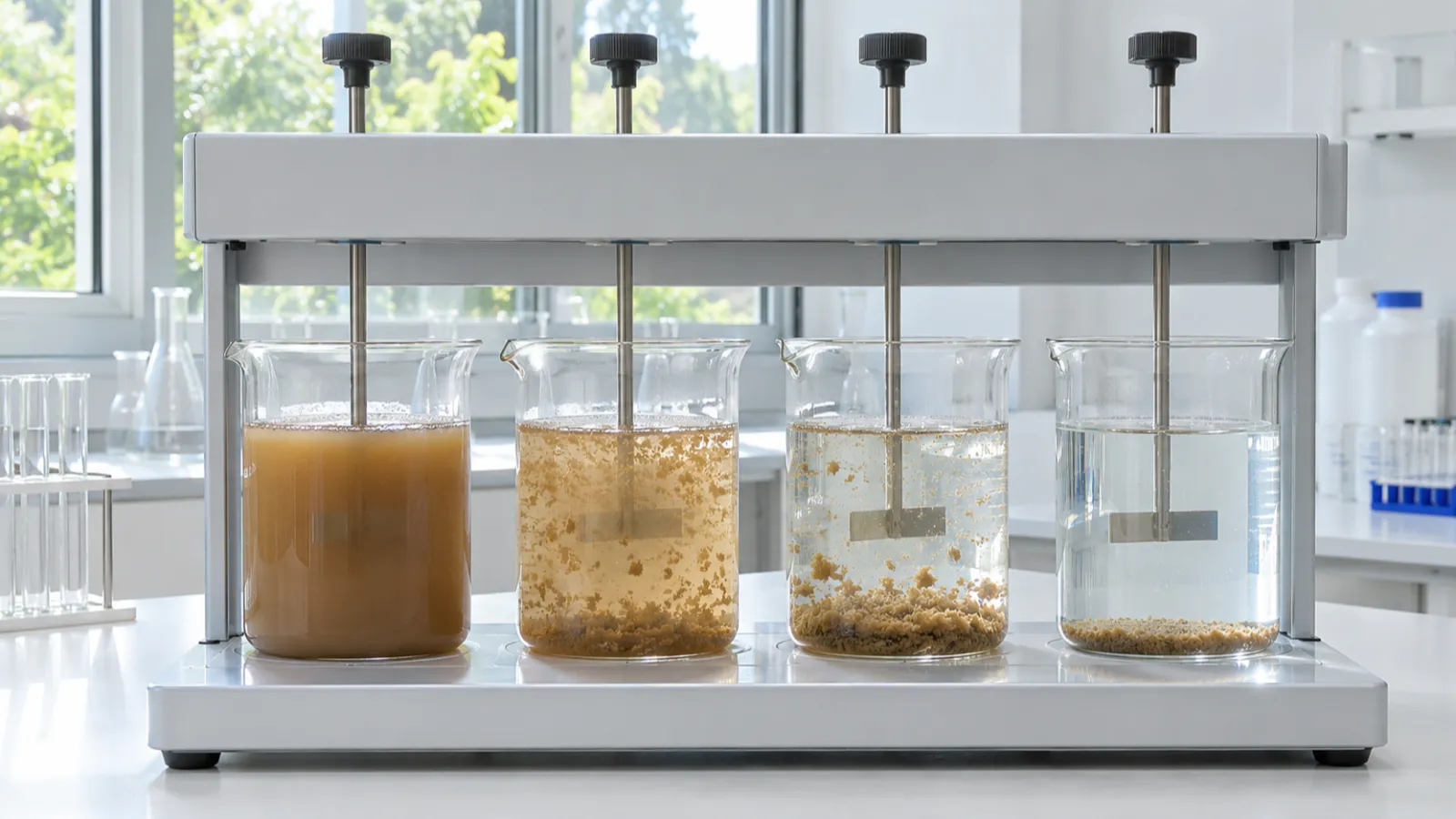
Send a litre of your water. We test it with PAC and PAM side by side and tell you which grade works, in writing.
Free jar test →Nonionic PAM is frequently paired with industrial PAC in dyeing and acidic industrial lines. We test nonionic against cationic and anionic side by side on your sample.
Four things to get right
Nonionic PAM hydrates slightly slower than ionic grades — give the make-down tank enough time.
 01
Compare against ionic grades
Always check pH and test nonionic alongside anionic and cationic on a jar test before locking the grade.
 02
Allow full dissolution time
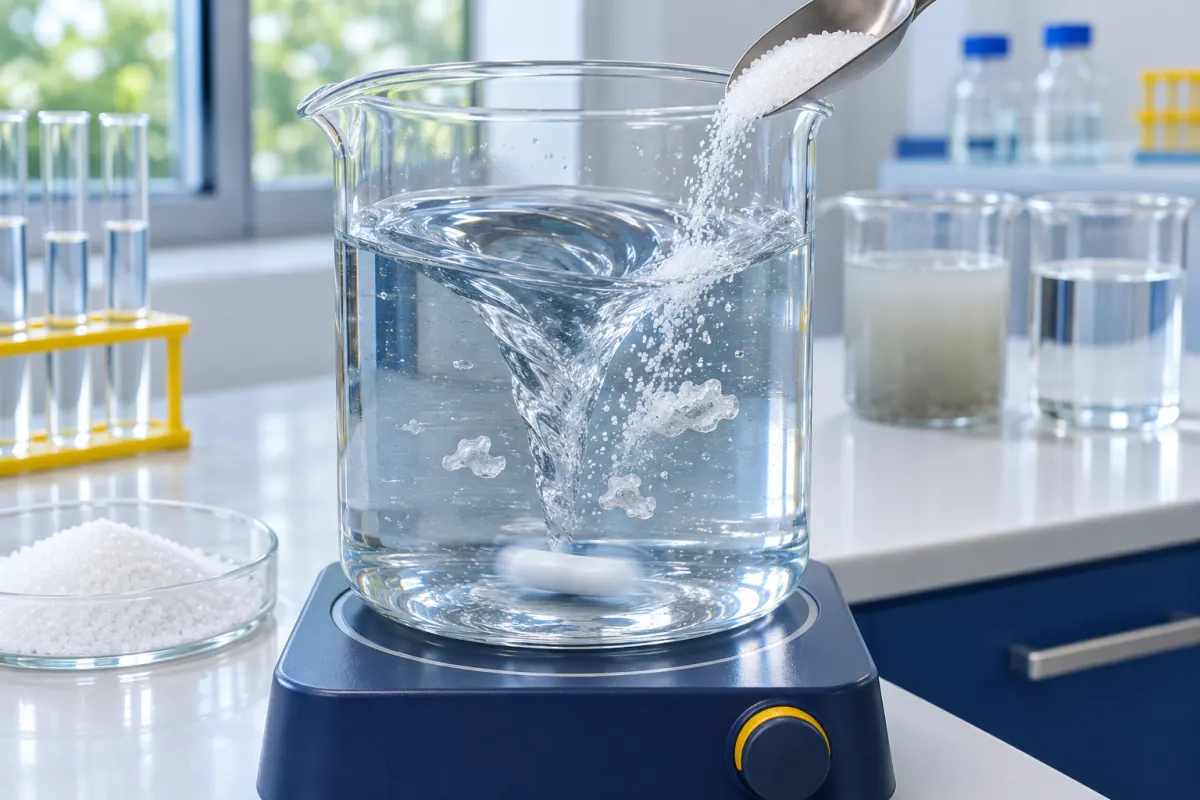
Dissolve to 0.1–0.3% in clean water under gentle stirring. Allow up to 90–120 minutes so chains fully uncoil.
03
Dose after PAC
When paired with PAC, add PAC in fast mixing first, then add nonionic PAM in gentle mixing.
 04
Store dry and sealed
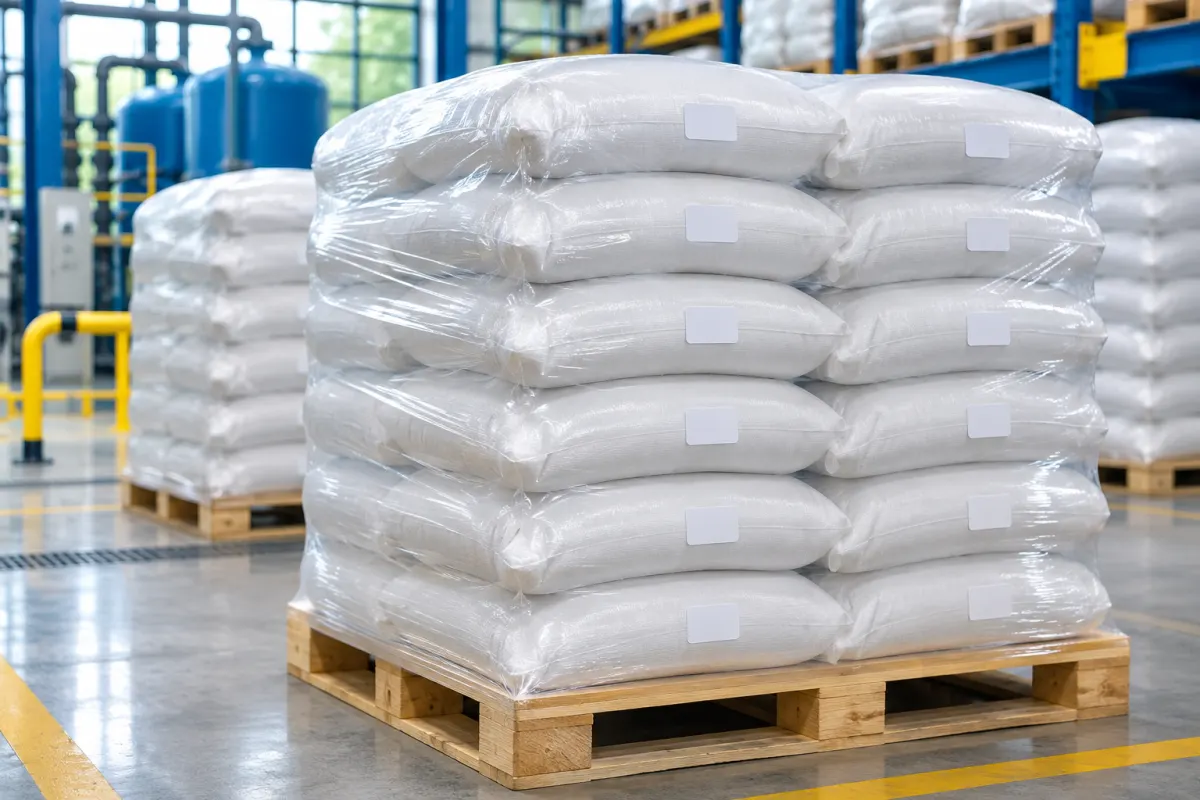
Keep bags sealed, dry and out of direct sun. Exact shelf life is stated on the TDS.
Packed dry, shipped with PAC
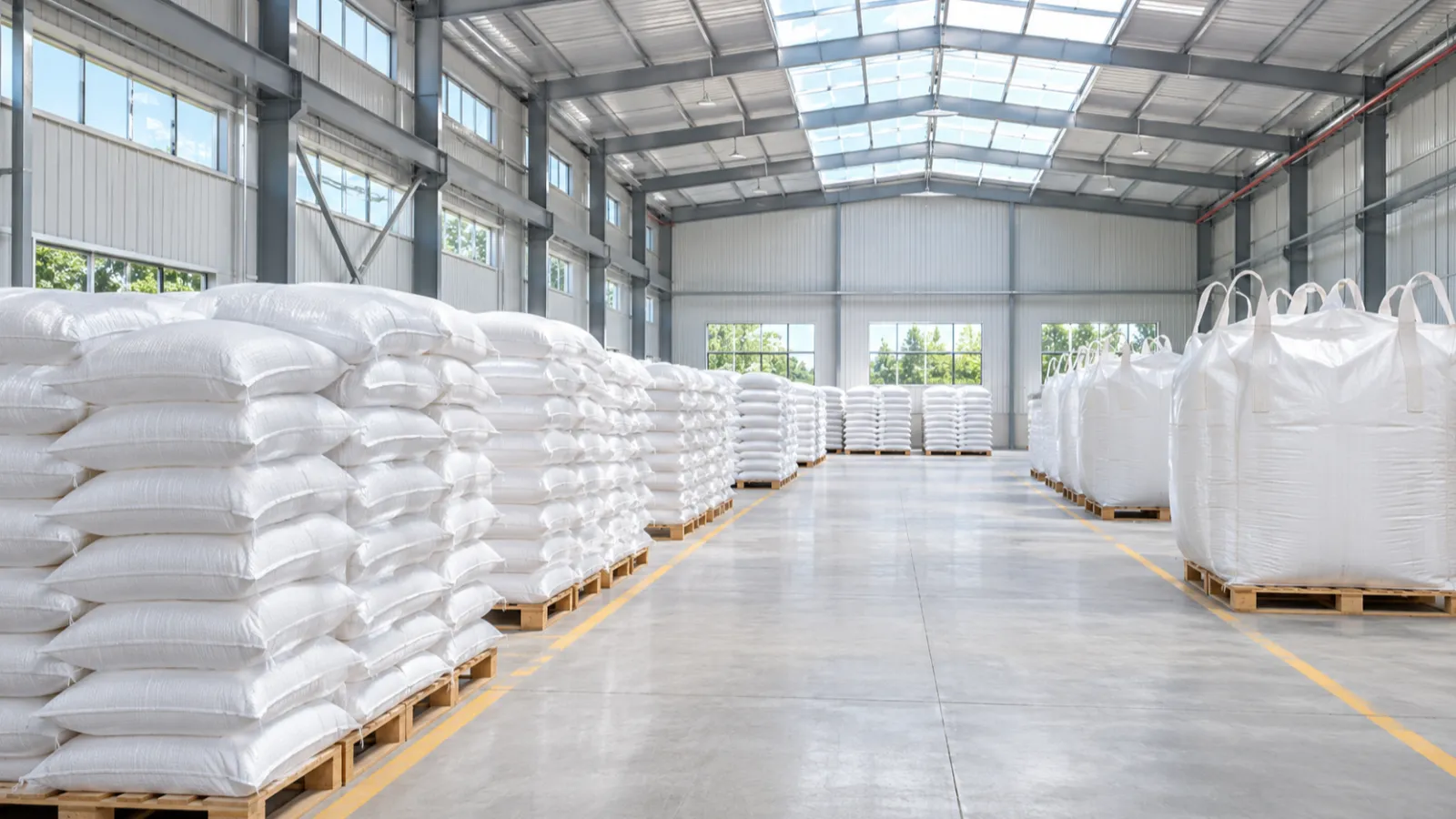
25 kg bags or 1 t big bags, able to load alongside PAC and other PAM grades.
Every batch, on paper.
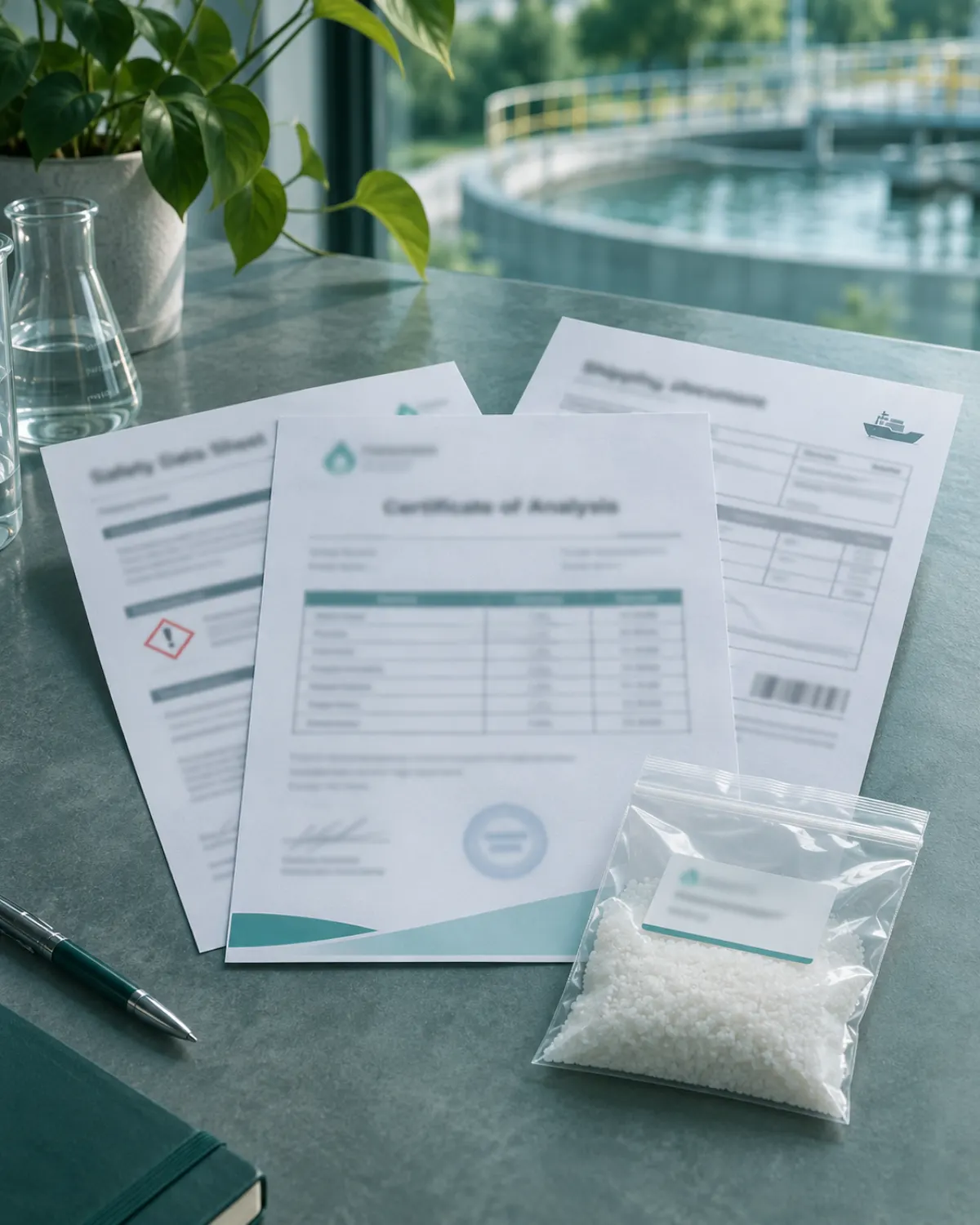
Ask for the TDS and SDS before you order. The COA travels with every shipment.
Certificate of analysis
Every batchMeasured values for the batch, matched to the batch number on the bag.
Request COA →Technical data sheet
Before you orderGrade specification, recommended solution strength, storage and shelf life.
Request TDS →Safety data sheet
Before you orderHazards, handling, storage and transport information.
Request SDS →Certificate of origin · Form E
Every shipment · Form E for ASEANCertificate of origin with every shipment; Form E for ASEAN destinations, for preferential duty.
Request C/O →
Questions buyers ask about nonionic PAM.
Short answers on low-pH performance, dissolving and shipping.
Replies within one working day
When should I choose nonionic PAM instead of anionic or cationic?
Choose nonionic PAM when your wastewater is acidic (low pH), has high dissolved salts, or contains complex dyeing chemicals where anionic or cationic polymers lose bridging efficiency.
Why does nonionic PAM take slightly longer to dissolve?
Because the polymer chain has no ionic repulsion to pull it apart in water. Under GB/T 17514-2017, dissolution time is ≤ 120 minutes; gentle stirring in clean water ensures full hydration.
Can nonionic PAM be paired with PAC?
Yes — pairing industrial PAC with nonionic PAM is a standard program for dyeing and acidic industrial effluents.
Is nonionic PAM suitable for sludge dewatering?
In acidic mineral or chemical sludges, yes. For neutral organic municipal or food sludge, cationic PAM usually gives a drier cake.
How is it packed and shipped?
In 25 kg bags or 1 t big bags (16–20 t per 20 ft container), shipping in 7–15 days from Qingdao, Tianjin or Shanghai.
Can I test nonionic and cationic samples together?
Yes. Send 1 L of your water for a free jar test, or request 1 kg samples of the recommended grades (samples are free; buyer pays courier).
Are samples free?
We send 1 kg samples of the recommended grades for a trial on your own equipment. Samples are free of charge; the buyer pays the courier.
What is the minimum order and what payment terms do you accept?
Minimum order is 1 tonne per grade. We accept T/T (30% deposit, balance before shipment) and L/C at sight. Trial orders start at 1 tonne, so you start small and scale up once the grade is proven.
What documents come with each shipment?
A certificate of analysis (COA) for every batch, plus the TDS and SDS. A certificate of origin comes with every shipment, and Form E for ASEAN destinations.
Get a price for nonionic PAM.
Tell us your water pH, industry and monthly volume. We reply within one working day.
For a quote in one reply, include
- Application & approximate water pH
- Whether paired with PAC
- Monthly volume & destination port