Application file · Steel & metallurgy

Steel, metallurgy & coking

Scale pits & scrubbingAnionic PAMsettle iron fines · recycle
Oily & coking waterPACbreak oil emulsions · clarify

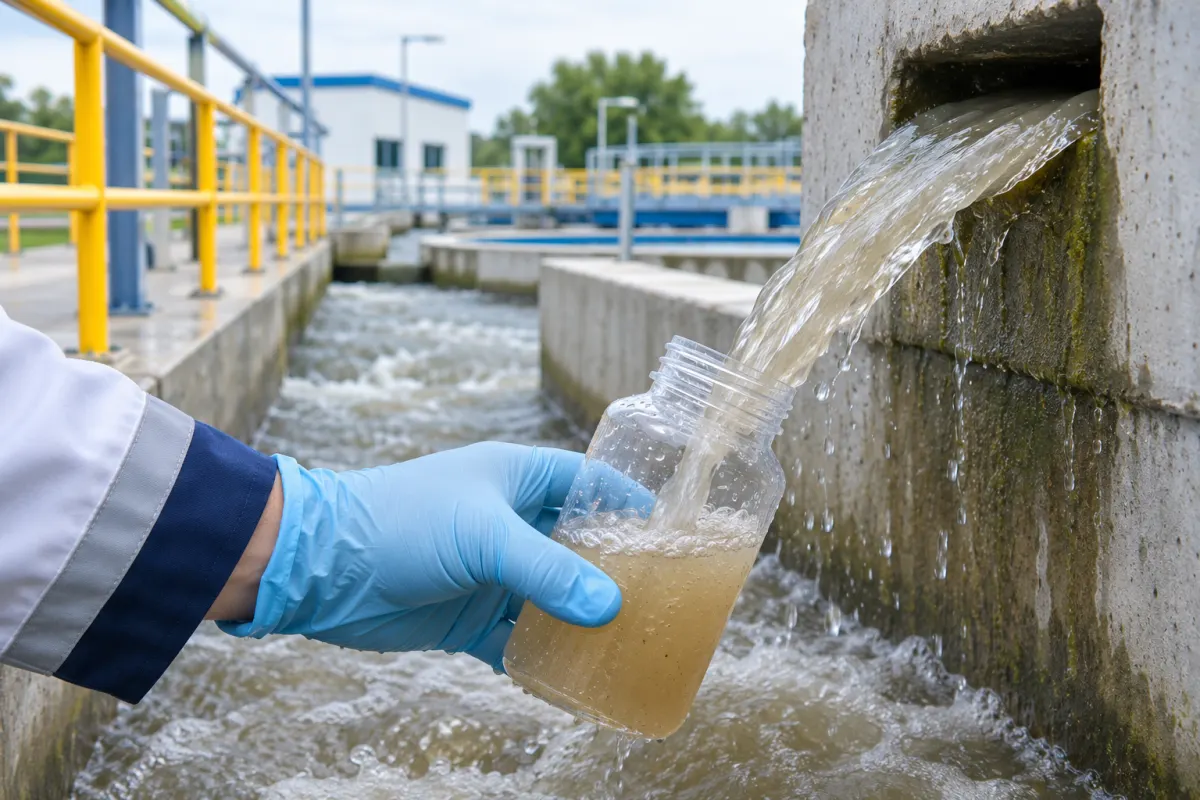
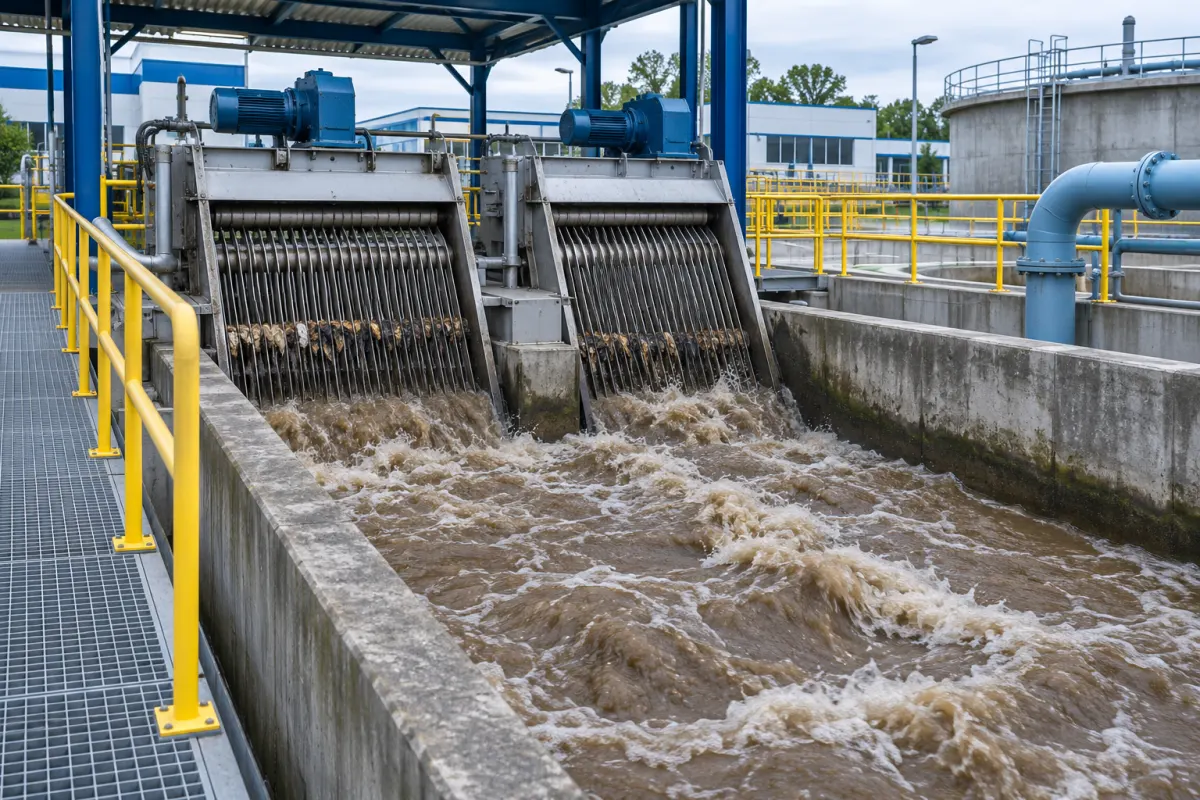
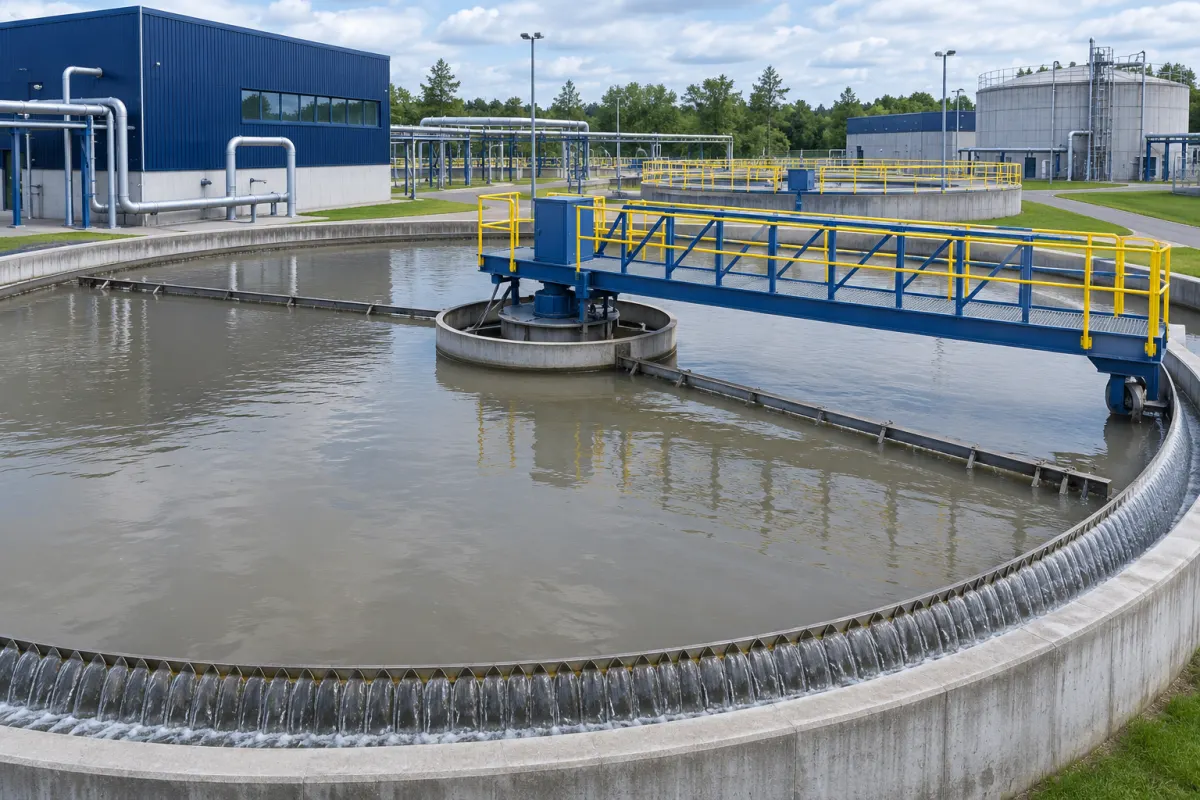
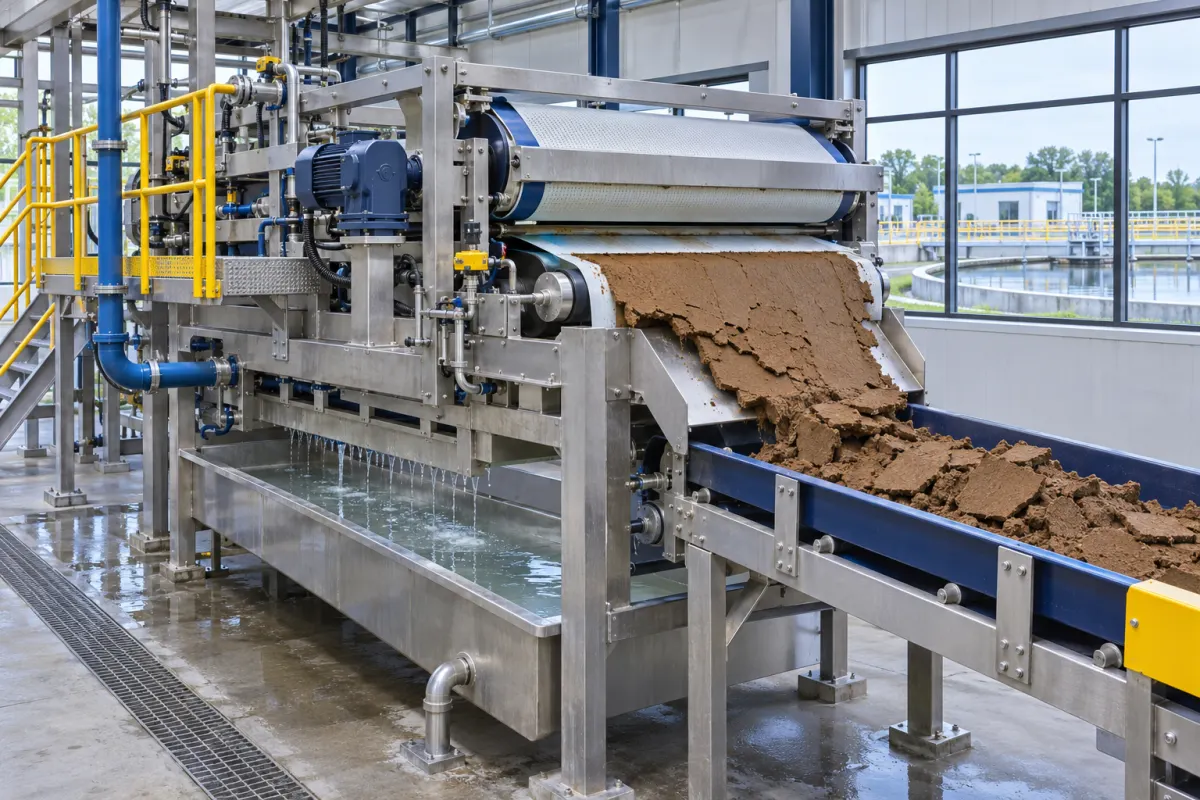
Mill scale, iron fines and emulsified rolling oils demand fast settling in compact pits and clarifiers. Grades are verified on your own plant water.

Steel metallurgy wastewater treatment
Dosed at
Scale pit · clarifier · gas scrubber · filter press
Equipment
Sedimentation basin, lamella clarifier, DAF, press
Targets
Suspended iron fines, oil removal, water reuse
Set by
Jar test on your mill water
The challenge

Four water challenges in steel and coking plants

High suspended iron fines, rolling oil emulsions and heat put heavy load on recycling circuits.

Mill & coking water inRecycled water & iron cake out
01020304
Scale pits

Fine iron oxide won’t settle fast enough

Ultra-fine mill scale stays in suspension and clogs spray nozzles.

Rolling mill

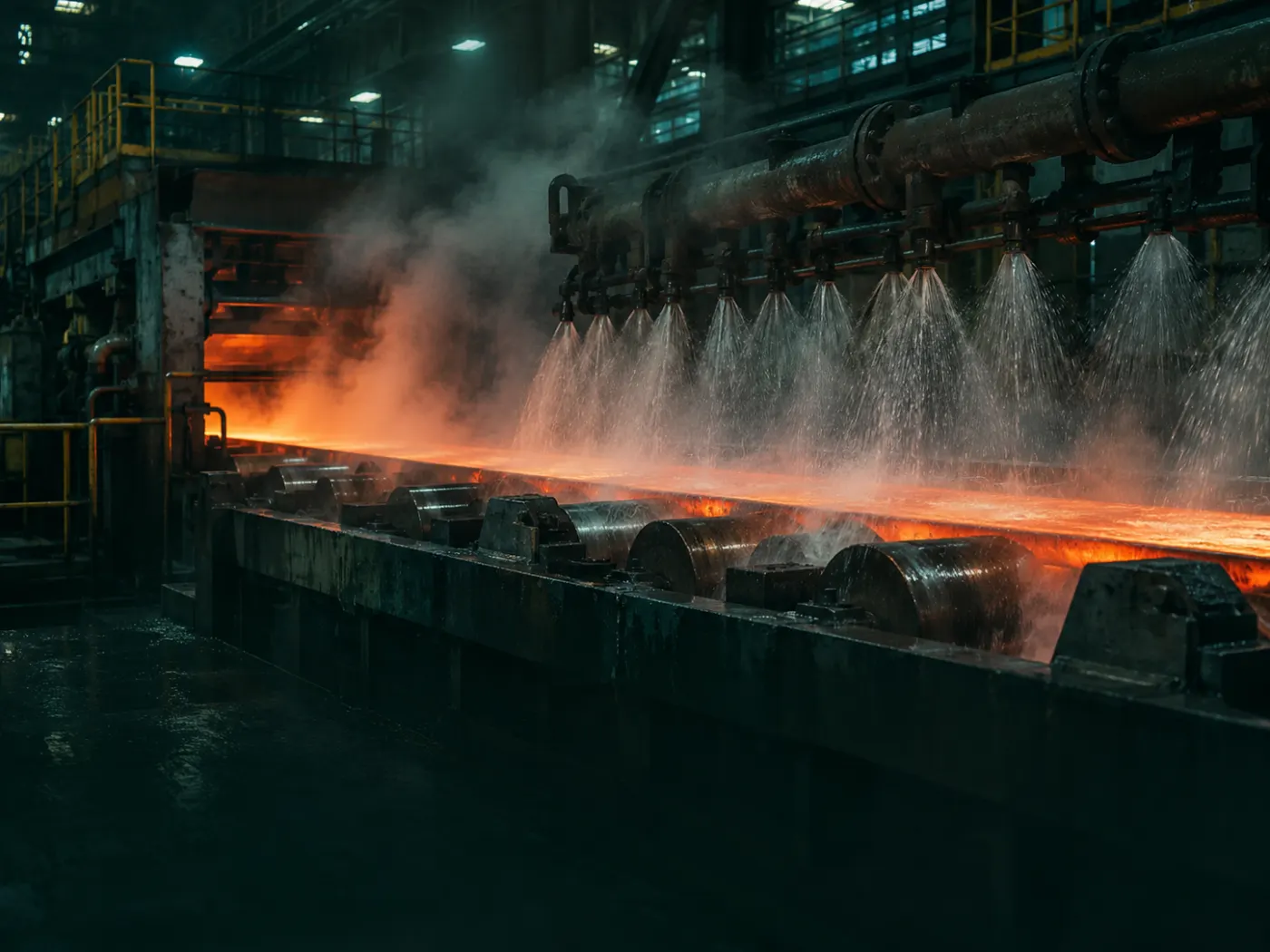
Emulsified rolling oils

Oil-in-water emulsions foul cooling towers and sand filters.

Blast-furnace scrubbing

High-solids dust slurry

Scrubber blowdown needs rapid settling to keep closed-loop water clean.

Sludge dewatering

Dense abrasive sludge

Iron-rich sludge needs strong flocs for clean filtration and recovery.

Treatment program

A typical steel-plant program

PAC breaks oil emulsions and fine colloids; high-MW anionic PAM settles heavy iron oxide and scrubber solids rapidly.

01

Oil & emulsion breaking

PAC

ProblemMilky rolling-mill or coking effluent

What it doesBreaks oil emulsions and coagulates fine scale

Where to doseFlash mixer ahead of DAF or clarifier
02

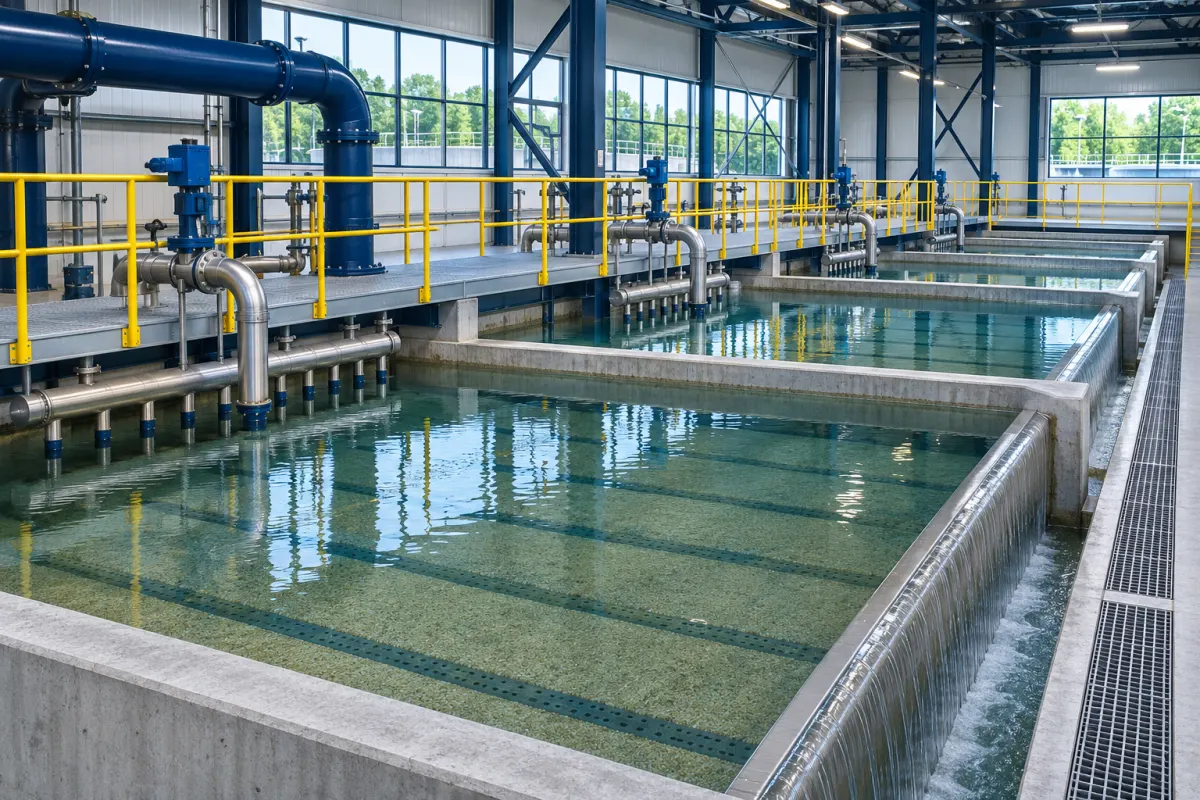
Scale-pit & scrubber settling

Anionic PAM

ProblemFine iron oxide carries over into cooling loop

What it doesBridges heavy mineral fines into fast-settling flocs

Where to doseClarifier or thickener feedwell

03

Polishing before reuse

PAC · optional

ProblemResidual turbidity ahead of sand filters

What it doesForms tight micro-flocs caught by media filters

Where to doseFilter inlet line

04

Iron-sludge dewatering

Anionic PAM

ProblemWet iron-rich sludge

What it doesProduces dense, handleable filter cake

Where to doseFilter-press feed line

Dosing points

Where each product goes in

Send your water circuit details (rolling mill, gas scrubbing or coking) and we mark dosing points.

Water lineSludge lineDosing pointOptionalHover or tap points 1–5
WATER LINESLUDGE LINEMill / cokingwaterOil skimmer& gritClarifier /thickenerSandfilterCooling /reuseScalethickenerFilterpressIroncake1234
1PAC
Before clarifier

Breaks rolling oil emulsions and fine scale.

2Anionic PAM
Clarifier flocculation

Settles iron fines rapidly for clean reuse.

3PACOptional
Ahead of sand filter

Polishes residual turbidity.

4Anionic PAM
Filter-press feed

Improves iron-sludge cake dryness.

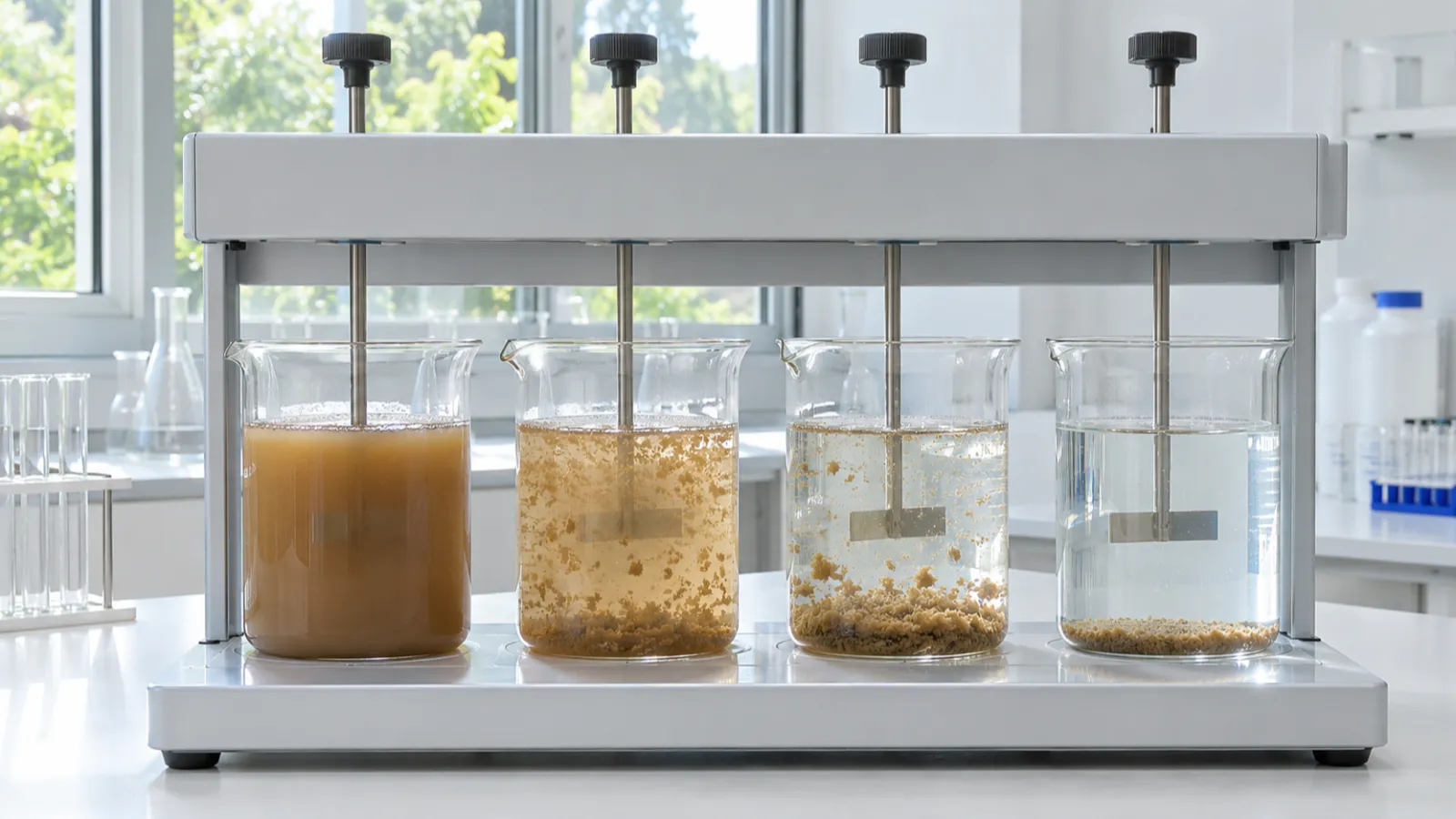
Free jar test

Tested on your mill water

Temperature, oil load and pH vary across steel circuits. We test your sample before recommending grades.

01 Send 1 L of water

From the scale pit, scrubber blowdown or coking effluent.

02 Parallel jar test

Compare PAC + anionic PAM (or cationic PAM if biological coking sludge).

03 Written report

Grades, PAC : PAM ratio and starting dose.

04 Site trial

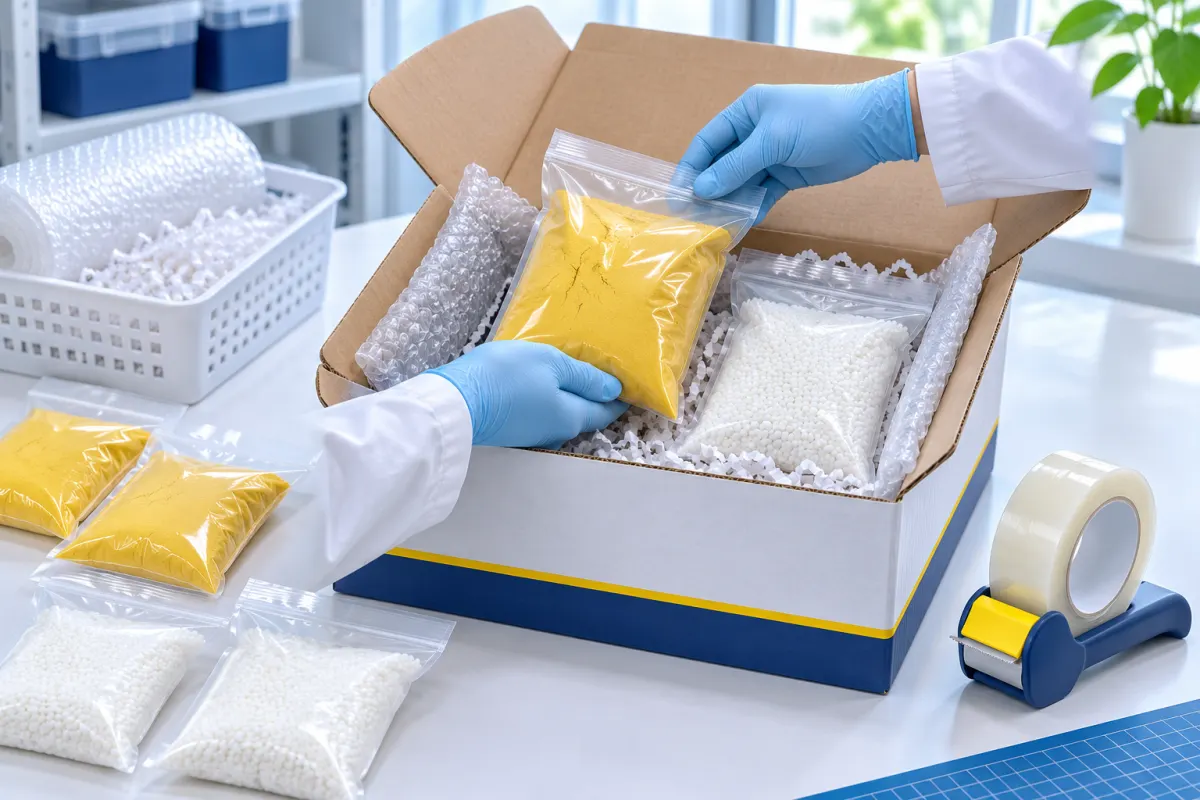
1 kg samples for confirmation on your clarifier or press.

FAQ

Questions steel and metallurgy plants ask.

Short answers on oil emulsions, iron fines and bulk supply.

Talk to us sales@claripoly.com WhatsApp +86 134 1983 6447
ZZhanteng · Export & Technical Sales
Replies within one working day
What we provide Ask a question →
Anionic or cationic PAM for steel-mill water?

Anionic PAM is standard for inorganic iron fines, scale pits and blast-furnace scrubbing. For biological coking sludge dewatering, cationic PAM is usually better.

Does PAC remove emulsified rolling oil?

Yes. PAC destabilises oil droplets and fine scale so they separate cleanly in a DAF unit or clarifier.

Can anionic PAM handle warm steel-mill water?

Yes, within normal recycling-loop temperatures. Share your water temperature so we select an appropriate molecular weight.

Can PAC and PAM ship in the same container?

Yes — 25 kg bags or 1 t big bags combined in one 20 ft container, with batch COAs.

What is the lead time?

7–15 days from order confirmation from Qingdao, Tianjin or Shanghai.

What documents come with every shipment?

Batch COA, TDS, SDS and certificate of origin (plus Form E for ASEAN).

Are samples free?

We send 1 kg samples of the recommended grades for a trial on your own equipment. Samples are free of charge; the buyer pays the courier.

What documents come with each shipment?

A certificate of analysis (COA) for every batch, plus the TDS and SDS. A certificate of origin comes with every shipment, and Form E for ASEAN destinations.

What is the minimum order and what payment terms do you accept?

Minimum order is 1 tonne per grade. We accept T/T (30% deposit, balance before shipment) and L/C at sight. Trial orders start at 1 tonne, so you start small and scale up once the grade is proven.

Tell us about your steel or coking circuit.

Tell us what you treat and what you use now. We reply within one working day and tell you where to send the sample.

Z
Your contactZhantengExport & Technical Sales

To get a quote in one reply, include

  • Application or industry
  • Product and dose you use now
  • Monthly volume and destination port

    Jar test or quotation · steel & metallurgy

    What do you need?

    Your water, as far as you know:

    We reply within one working day.