Coagulants · PAC

Polyaluminium chloride, from wastewater to drinking water.

PAC is the first step in most treatment lines: it neutralises the charge on fine particles so they clump together. Two product lines — industrial grade to GB/T 22627-2022 and drinking-water grade to GB 15892-2020.

2 product linesIndustrial · drinking water
Al₂O₃ 20–30%Economy, 28%, 30% and ≥ 29%
2 national standardsGB/T 22627-2022 · GB 15892-2020
COA every batchBatch number on the bag matches the COA
Show 2 products

PAC products

Pick the line by the water you treat; pick the grade by Al₂O₃.

Coagulant

Industrial PAC

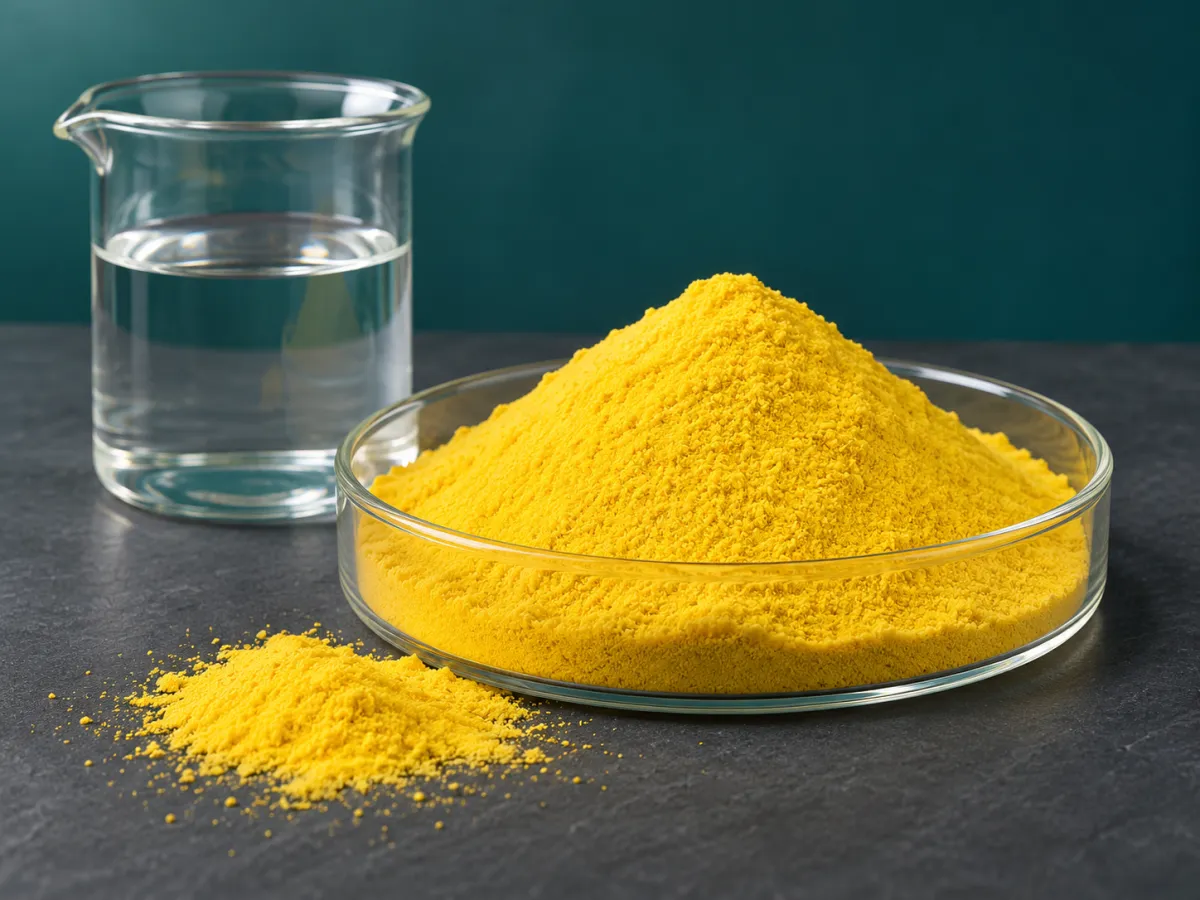
Polyaluminium chloride, industrial grade

Industrial and municipal wastewater, sludge, dyeing effluent, mining and steel water.

30% 28% Economy 20–26%
Al₂O₃
28% / 30%
Standard
GB/T 22627-2022
pH (10 g/L)
3.5–5.0
Coagulant

Drinking-water PAC

Polyaluminium chloride for potable water

Turbidity removal at water works and package plants, with heavy-metal limits for drinking water.

30% grade (Al₂O₃ ≥ 29.0%)
Al₂O₃
≥ 29.0%
Standard
GB 15892-2020
pH (10 g/L)
3.5–5.0

Not sure which one you need?

Send a litre of your water: we test the combinations side by side and report the grades, ratio and starting dose in writing.

Choose a grade

Every PAC grade on one page

Higher Al₂O₃ means more active aluminium per kilogram, so the dose is usually lower. A jar test tells you which grade costs less per tonne of water treated.

GradeAl₂O₃StandardProduct pageTypical use
Economy grades20% / 24% / 26%Values on TDS and COAIndustrial PACWastewater, sludge, sand-washing water
PAC 28%28%GB/T 22627-2022Industrial PACIndustrial and municipal wastewater, sludge
PAC 30%30%GB/T 22627-2022Industrial PACWastewater, dyeing effluent, sludge
Drinking-water PAC≥ 29.0%GB 15892-2020Drinking-water PACWater works, package plants
01Coagulate

PAC neutralises the negative charge on fine particles, colour and colloids, so they start to clump into micro-flocs.

02Add a flocculant

A PAM flocculant then bridges the micro-flocs into large flocs that settle, float or dewater quickly.

03Confirm on your water

Turbidity, pH and solids decide the grade and dose. Send 1 litre and we report both in writing.

Often dosed after PACFlocculants · PAM

Cationic PAM for organic sludge, anionic PAM for mineral solids, nonionic PAM for acidic water.

See flocculants →
FAQ

Questions about choosing PAC.

Short answers on grades, standards and use. Anything else, ask us directly.

Talk to us sales@claripoly.com WhatsApp +86 134 1983 6447
ZZhanteng · Export & Technical Sales
Replies within one working day
What we provide Ask a question →
What is the difference between industrial and drinking-water PAC?

They are made to different standards. Industrial PAC follows GB/T 22627-2022 and is for industrial water, wastewater and sludge. Drinking-water PAC follows GB 15892-2020, which sets stricter limits on heavy metals and other impurities for potable water. For drinking water, use drinking-water PAC only.

Which Al₂O₃ content should I choose?

Higher Al₂O₃ means more active aluminium per kilogram, so you usually dose less. Lower grades cost less per tonne. Which is cheaper per tonne of water treated depends on your water — a jar test compares them side by side.

How are the economy grades specified?

The 20%, 24% and 26% grades are made for wastewater, sludge and sand-washing water. Their values are stated on the TDS and on every batch COA, and the jar test shows whether an economy grade does the job on your water.

Do I need PAM as well?

Often, yes. PAC forms small flocs; PAM bridges them into large, fast-settling ones. The jar test tells you whether you need both and in what ratio. PAC and PAM can ship in the same container.

How does the free jar test work?

Send 1 litre of raw water or sludge with a short note on your process, equipment and current product. We test several PAC and PAM combinations side by side and send back a written report with the recommended grades, the PAC : PAM ratio and a starting dose.

Are samples free?

We send 1 kg samples of the recommended grades for a trial on your own equipment. Samples are free of charge; the buyer pays the courier.

What documents come with each shipment?

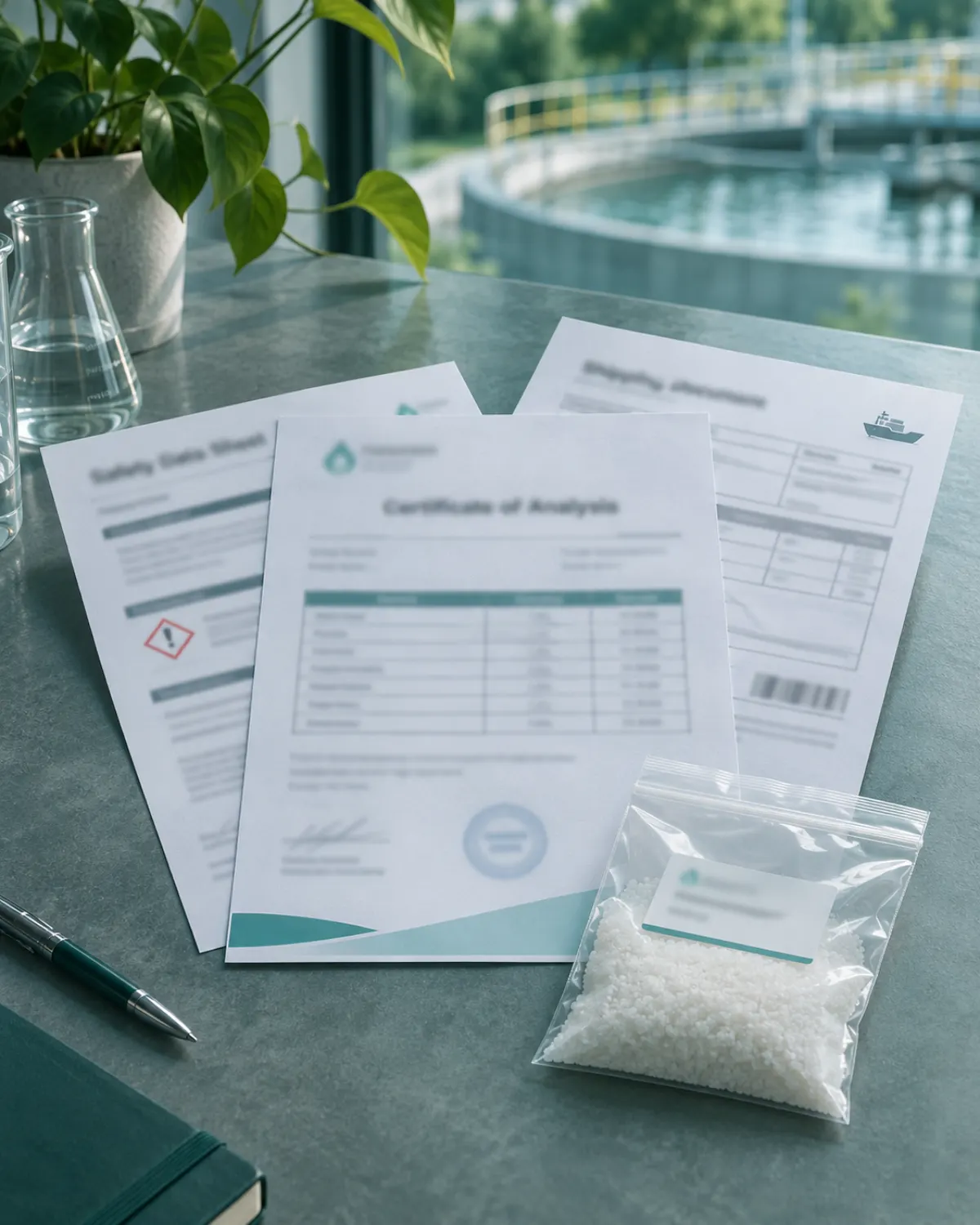
A certificate of analysis (COA) for every batch, plus the TDS and SDS. A certificate of origin comes with every shipment, and Form E for ASEAN destinations.

How is PAC packed and shipped?

In 25 kg bags or 1 t big bags. A 20 ft container typically holds about 20–25 t of PAC, depending on the grade and whether pallets are used. Lead time is 7–15 days from order confirmation, shipping from Qingdao, Tianjin or Shanghai.

What is the minimum order and what payment terms do you accept?

Minimum order is 1 tonne per grade. We accept T/T (30% deposit, balance before shipment) and L/C at sight. Trial orders start at 1 tonne, so you start small and scale up once the grade is proven.

Buying

Same terms for every product

Buying FAQ →
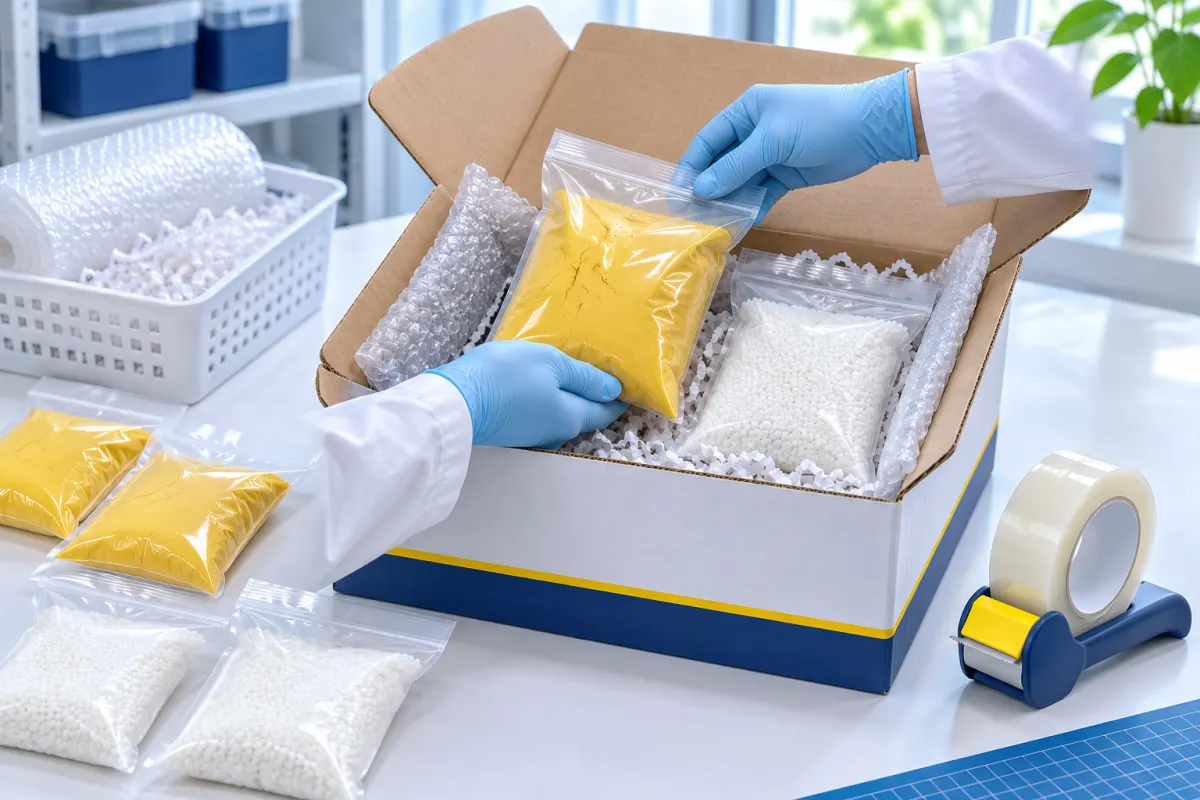
1 kg sample bags being packed for courierSamples

1 kg samples of the recommended grades, free of charge. The buyer pays the courier.

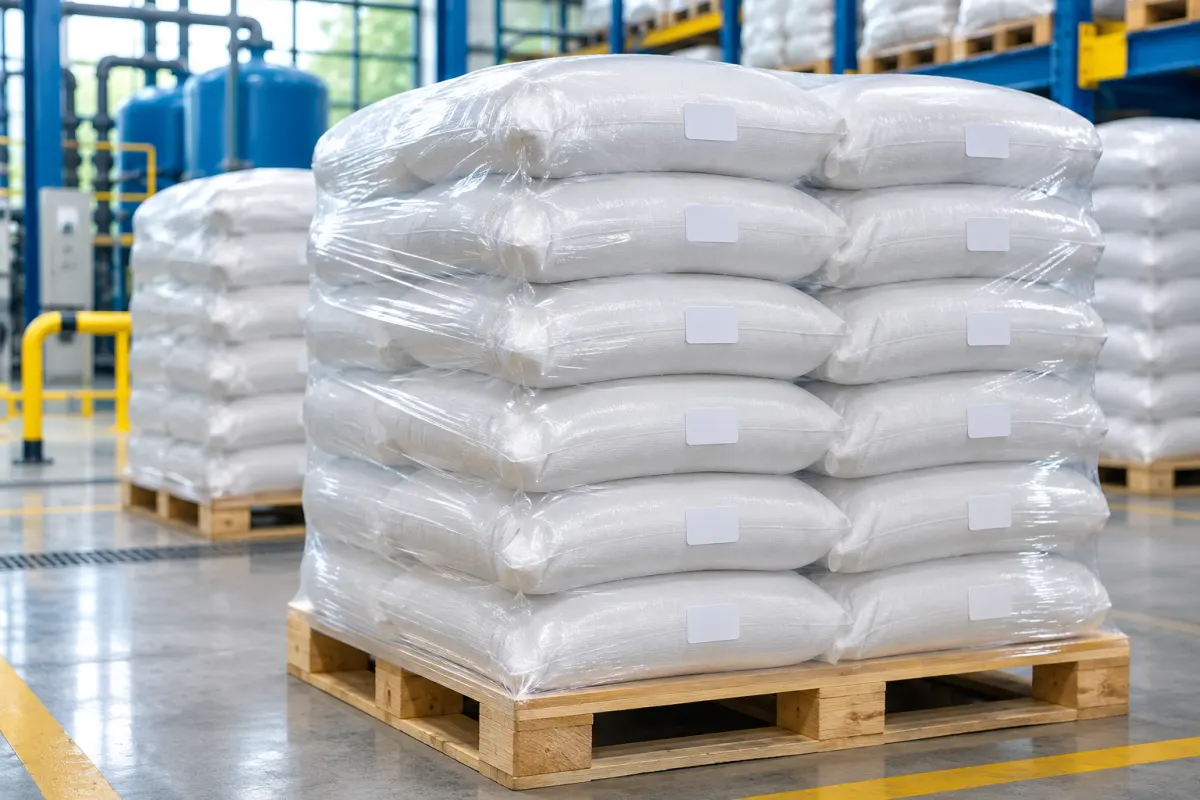
25 kg bags stacked on palletsPacking

25 kg bags or 1 t big bags. Your brand or neutral packing — see OEM.

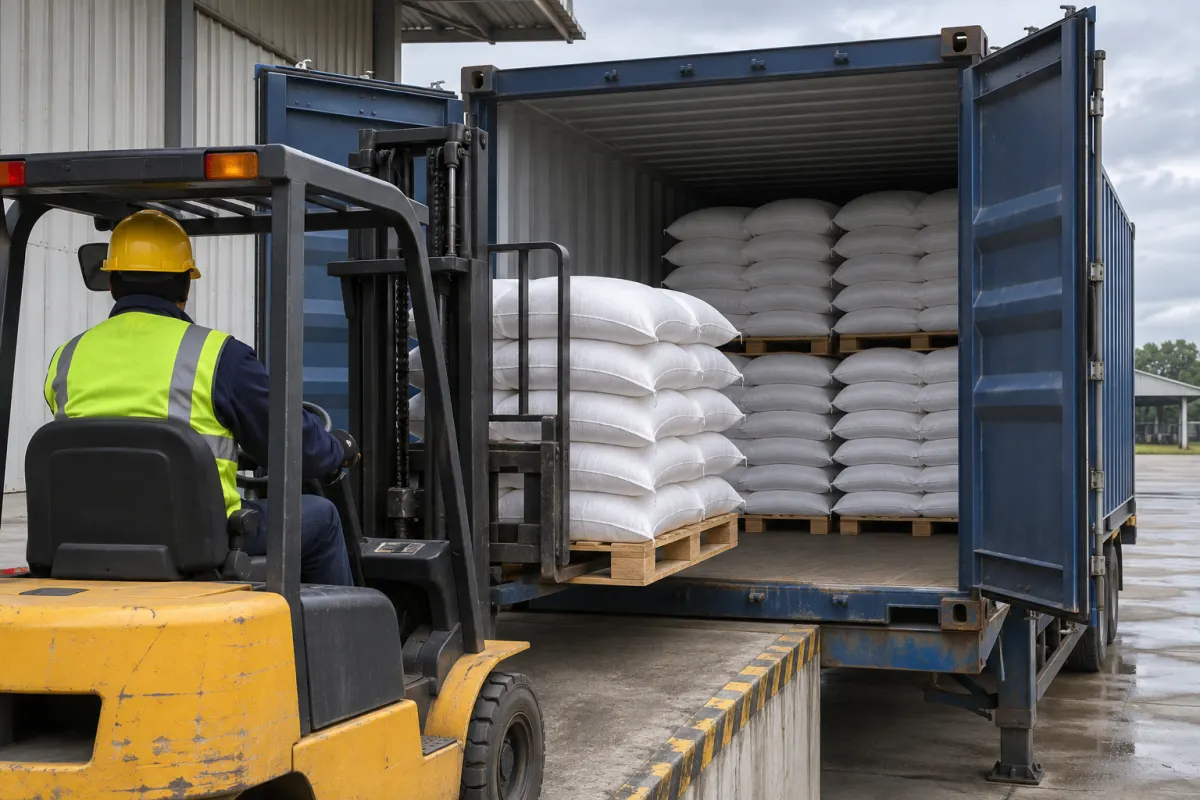
Bags being loaded into a shipping containerShipping

7–15 days from order confirmation, from Qingdao, Tianjin or Shanghai.

A certificate of analysis and data sheetsDocuments

COA with every batch, plus TDS and SDS. Certificate of origin with every shipment.

Get a price for PAC.

Tell us the grade, monthly volume and destination port. We reply within one working day.

Z
Your contactZhantengExport & Technical Sales

To get a quote in one reply, include

  • Application or industry
  • Product and dose you use now
  • Monthly volume and destination port

    Quotation for PAC

    What do you need?

    Your water, as far as you know:

    We reply within one working day.