Application file · Paper & pulp

Paper & pulp

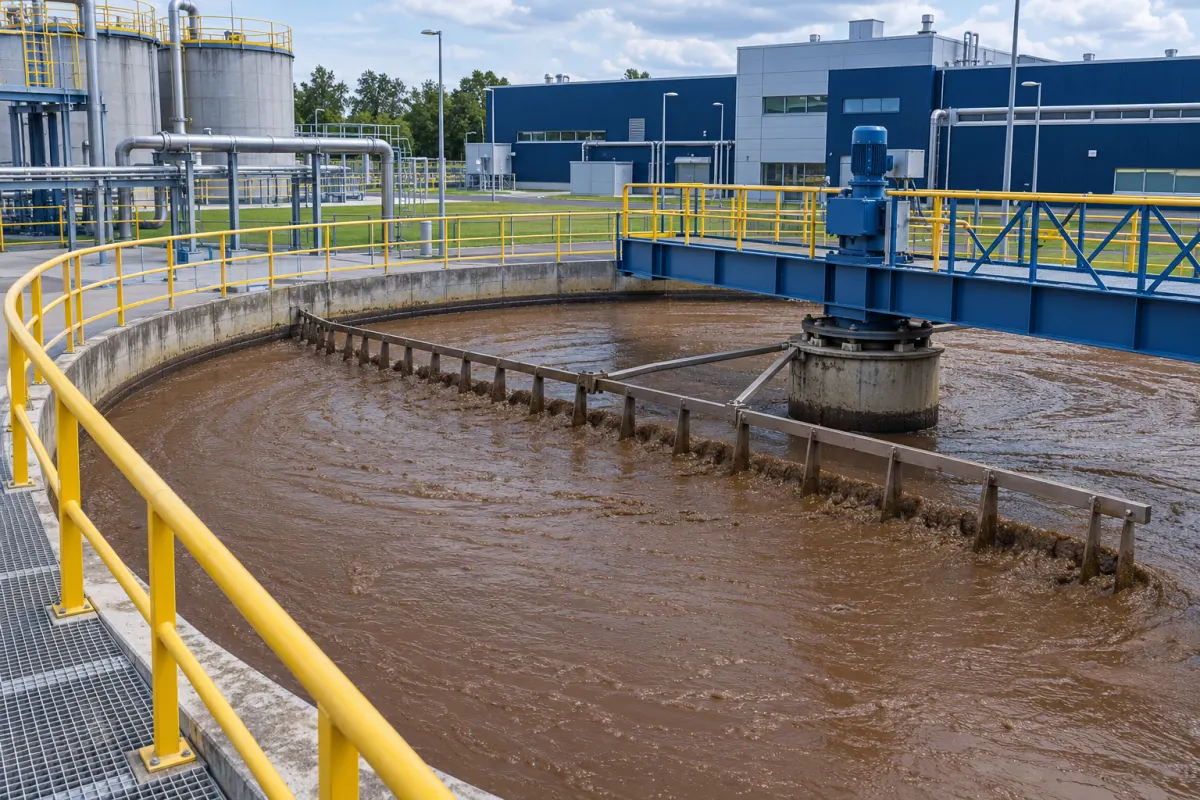
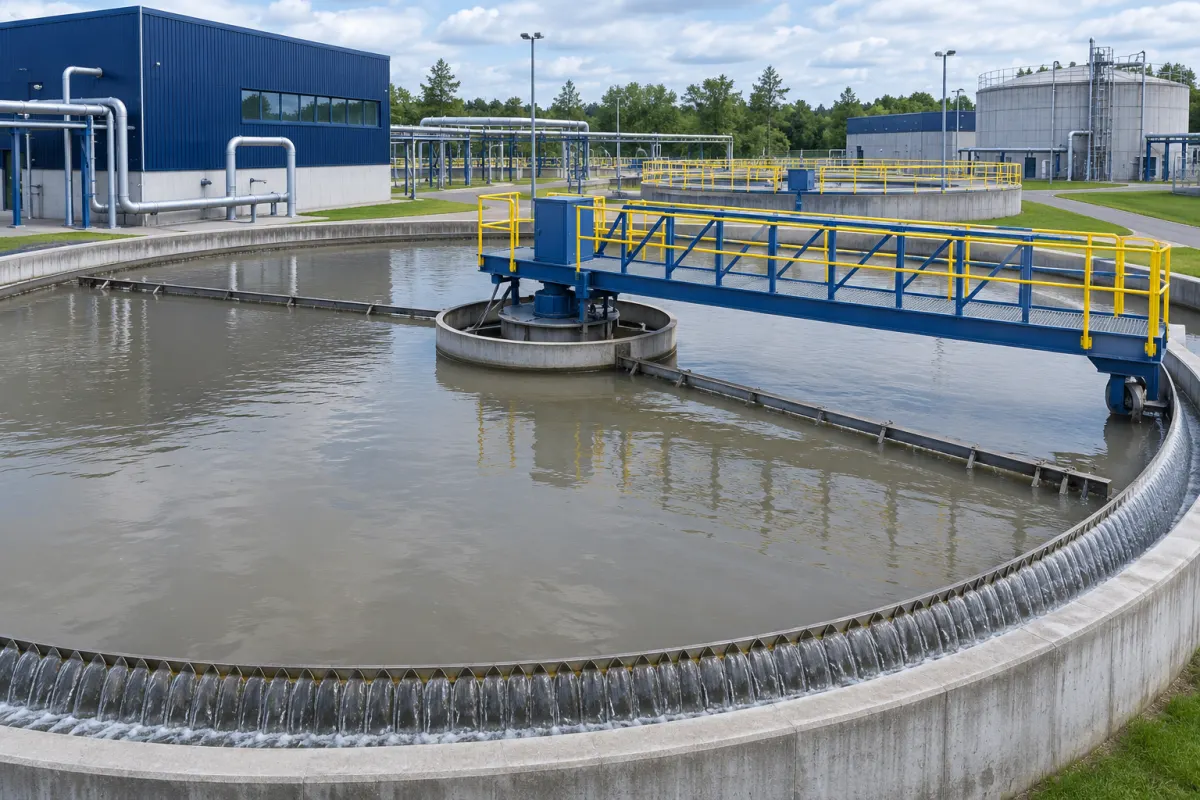
White water & effluentPACclarify · lower COD
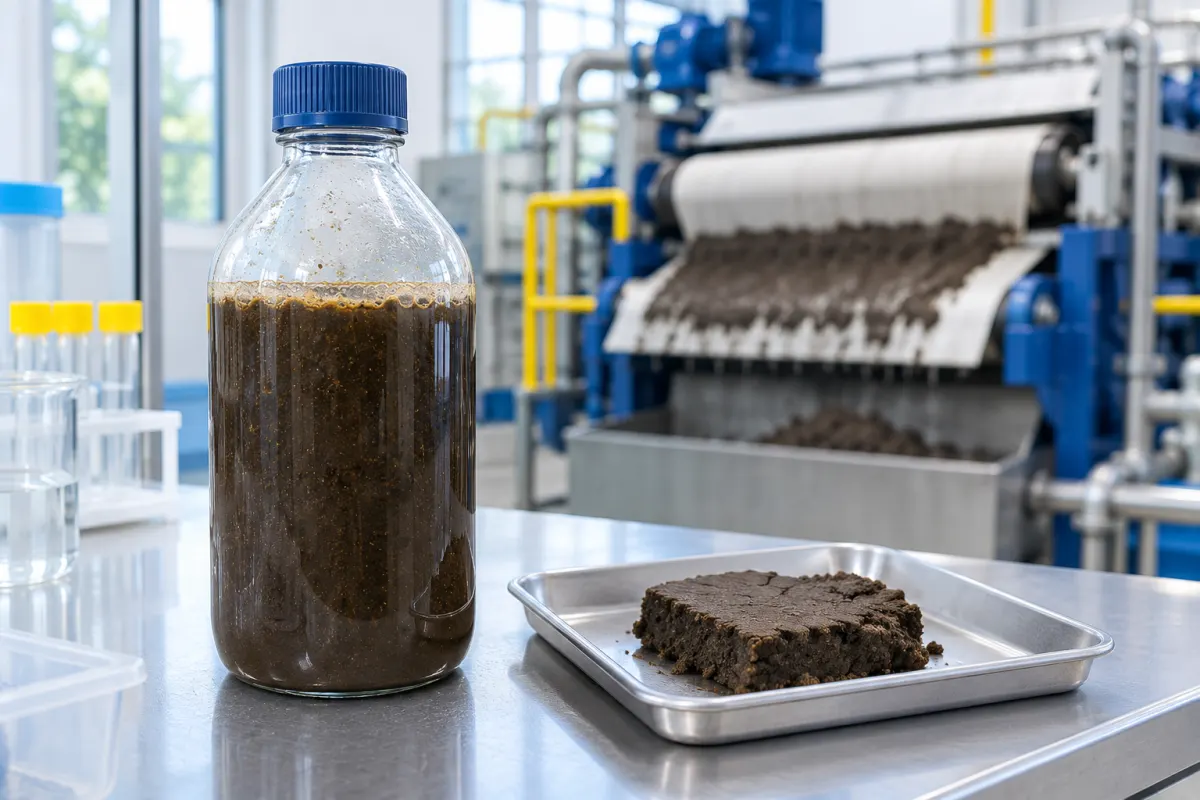
Machine & sludge lineCationic PAMretain fibres · dewater

White-water fibre recovery, effluent clarification and mill sludge dewatering each ask for different polymer chains. Grades and dose are confirmed on your own furnish and mill water.

Paper & pulp
Dosed at
Headbox · DAF / save-all · clarifier · press
Equipment
DAF, disc filter, belt press, screw press
Targets
Fibre retention, clear white water, dry cake
Set by
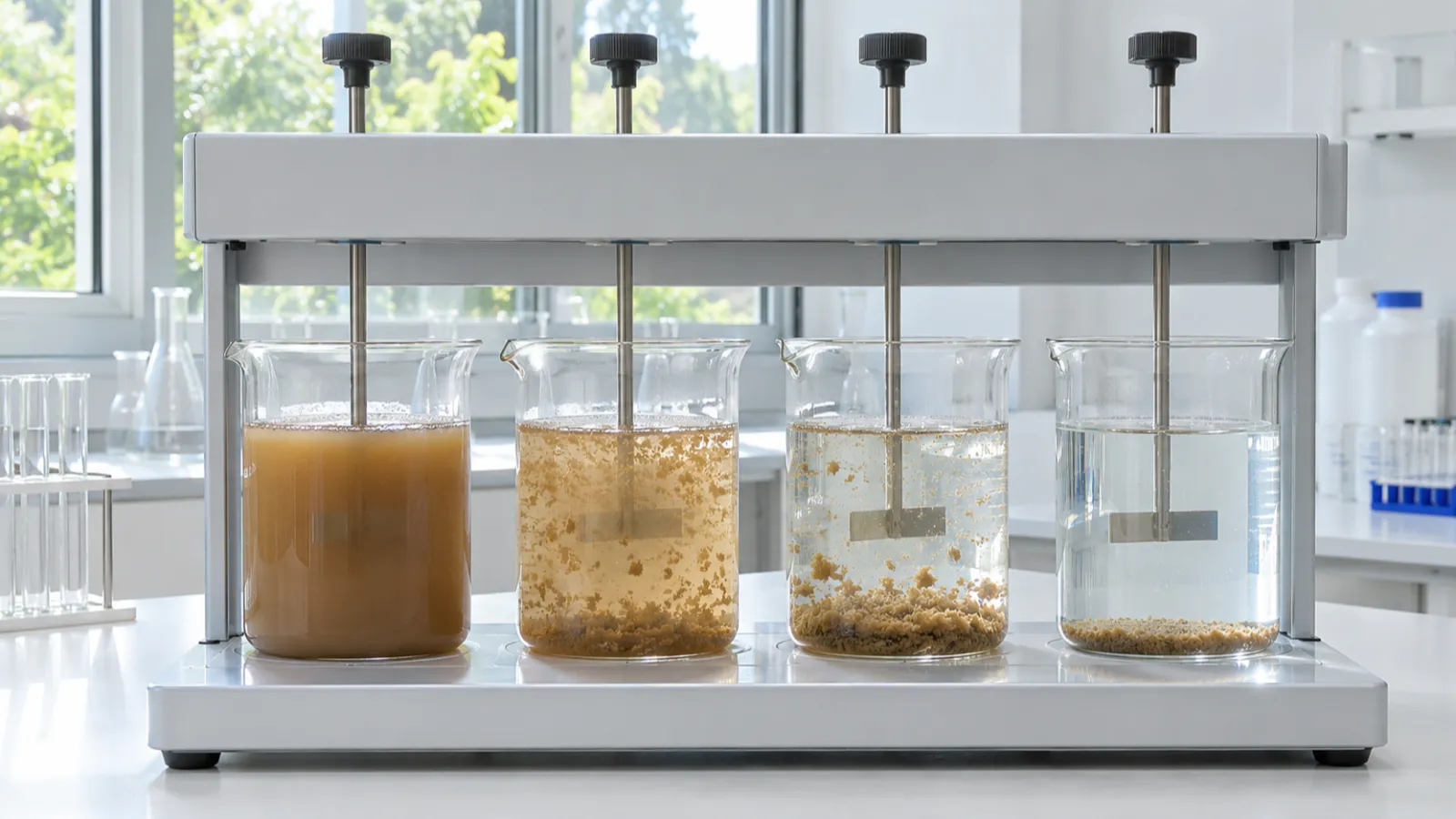
Jar test on your own mill sample
The challenge

Four places where paper mills lose water and fibre

From the paper machine loop to the final effluent clarifier and sludge press, fine fibres and fillers behave differently at each stage.

White water & effluent inRecycled water & cake out
01020304
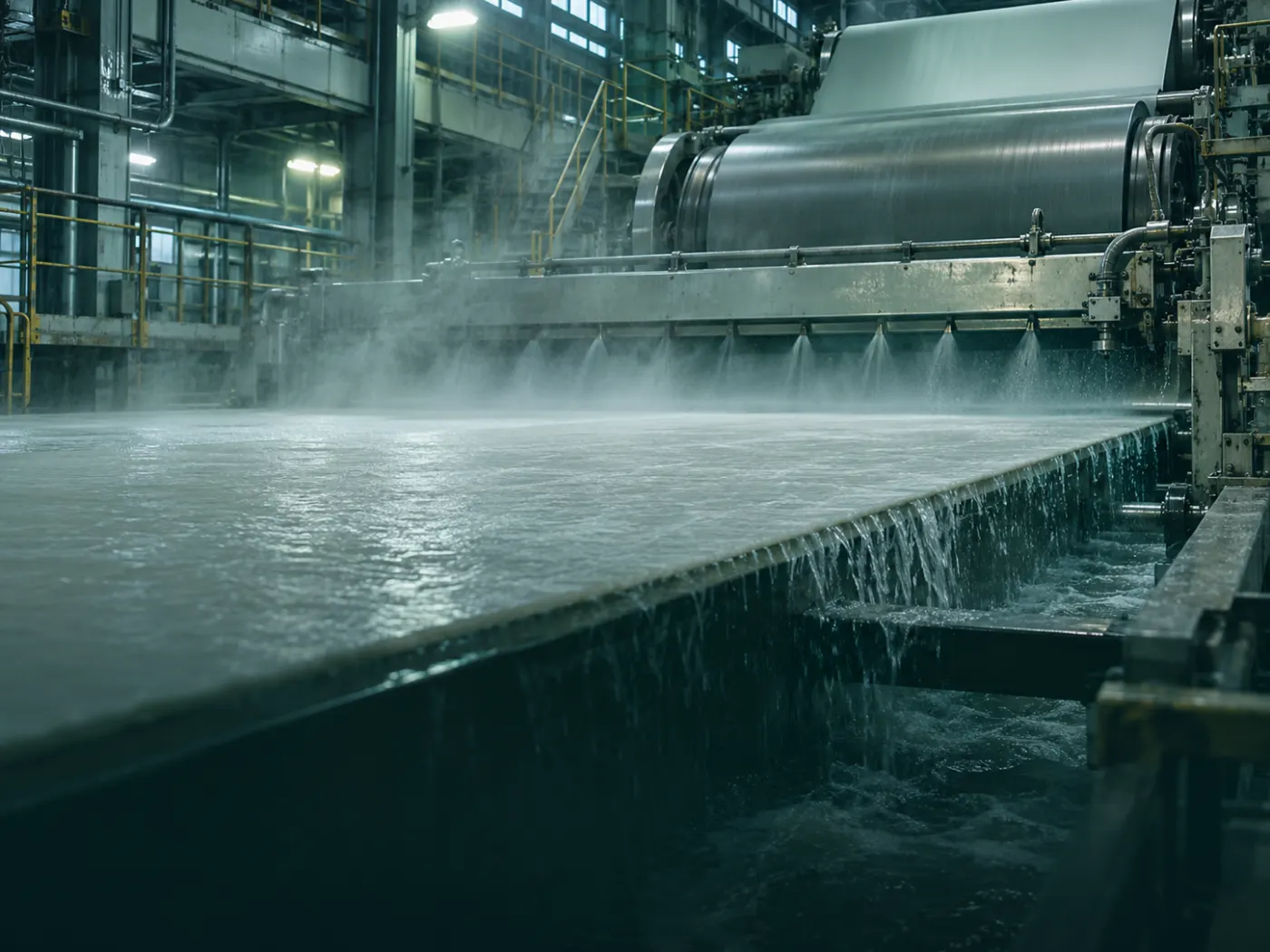
Paper machine

Fine fibre and filler loss

Short fibres and calcium carbonate slip through the wire into white water, raising furnish cost and biological load.

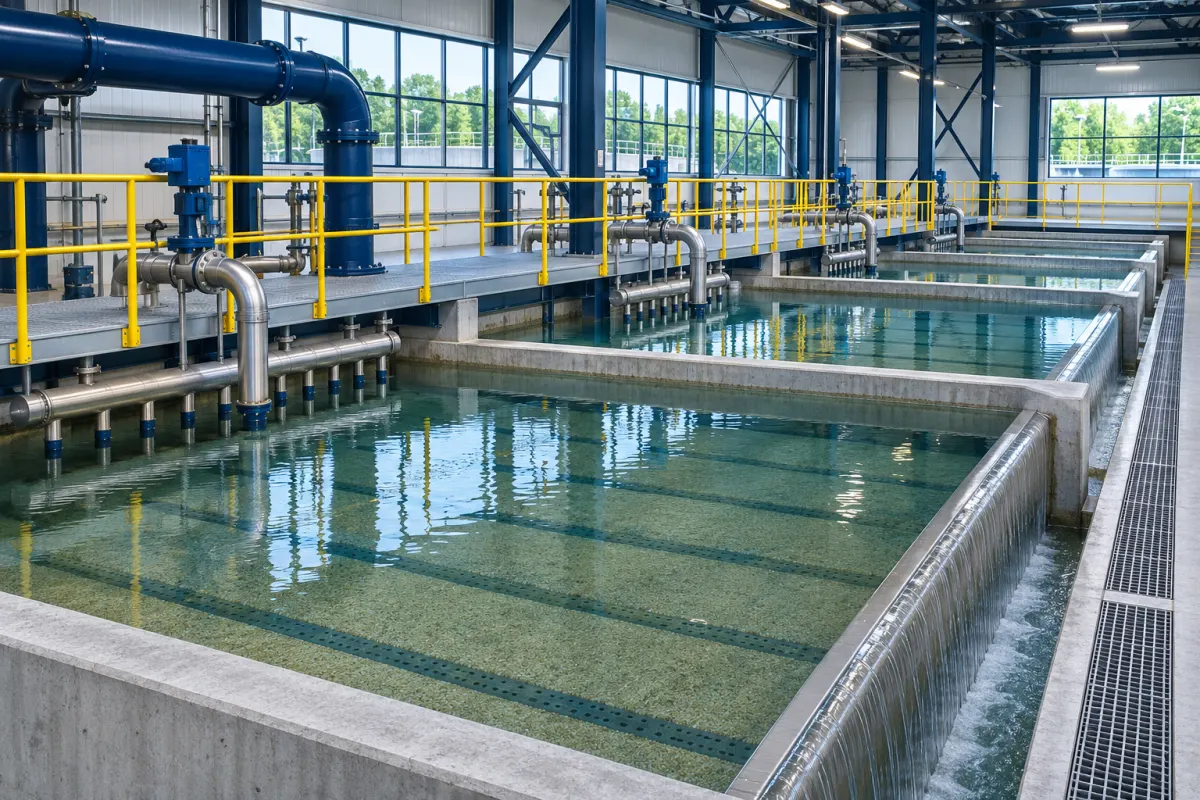
Save-all / DAF

Cloudy white water

Recycled water with high suspended solids plugs shower nozzles and causes sheet breaks.

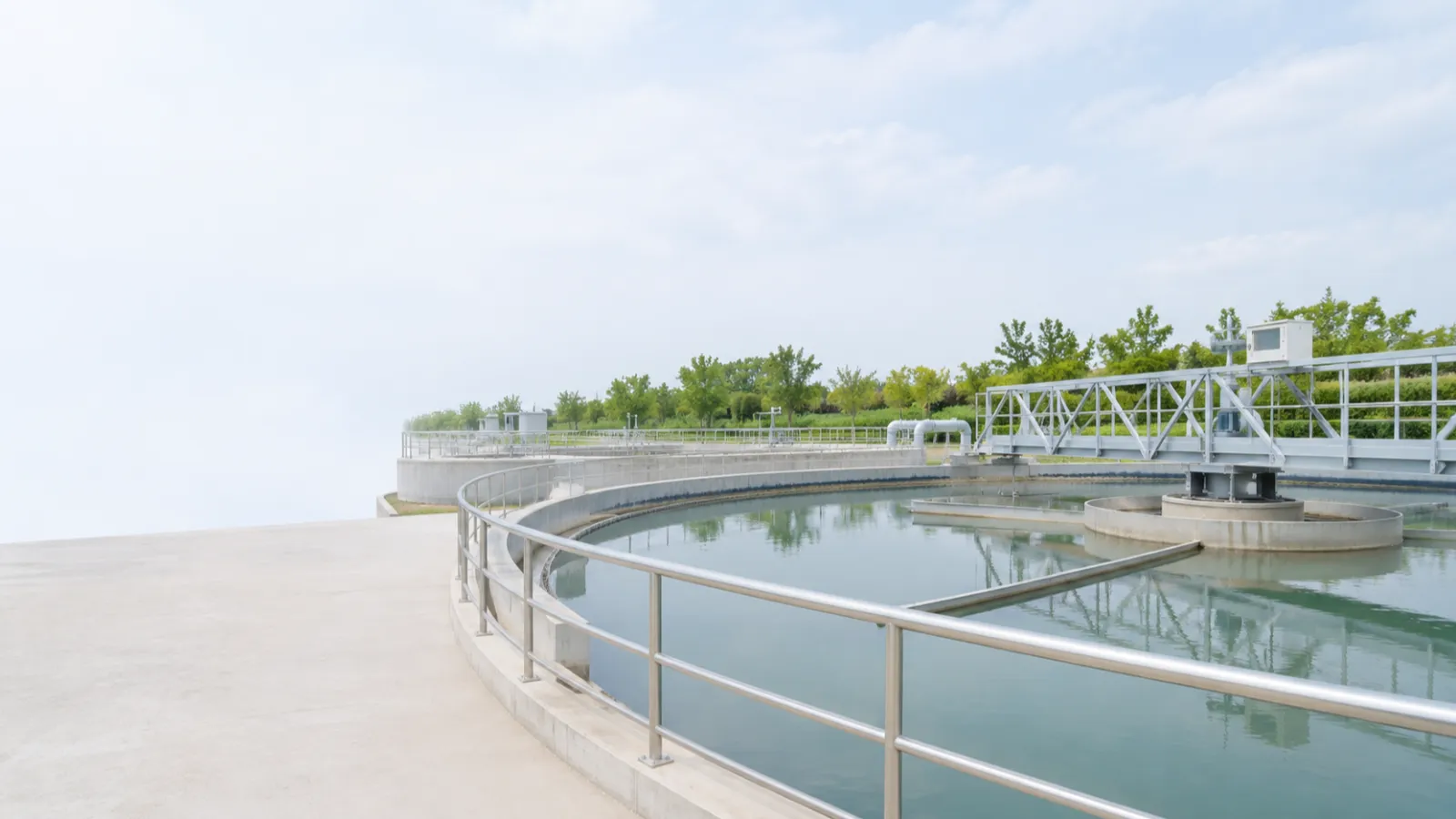
Effluent clarifier

Colour, COD and colloids

De-inking and pulping effluent carries anionic trash and dissolved colour that biological tanks alone cannot clear.

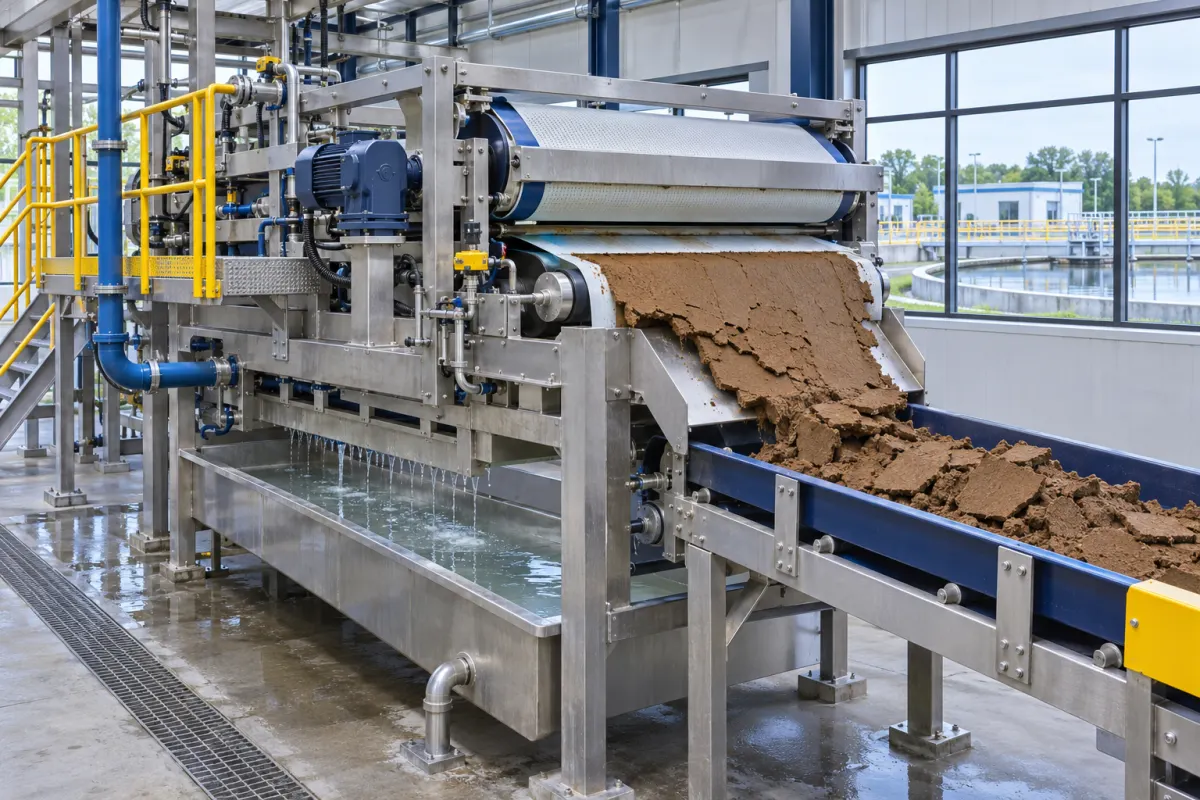
Sludge press

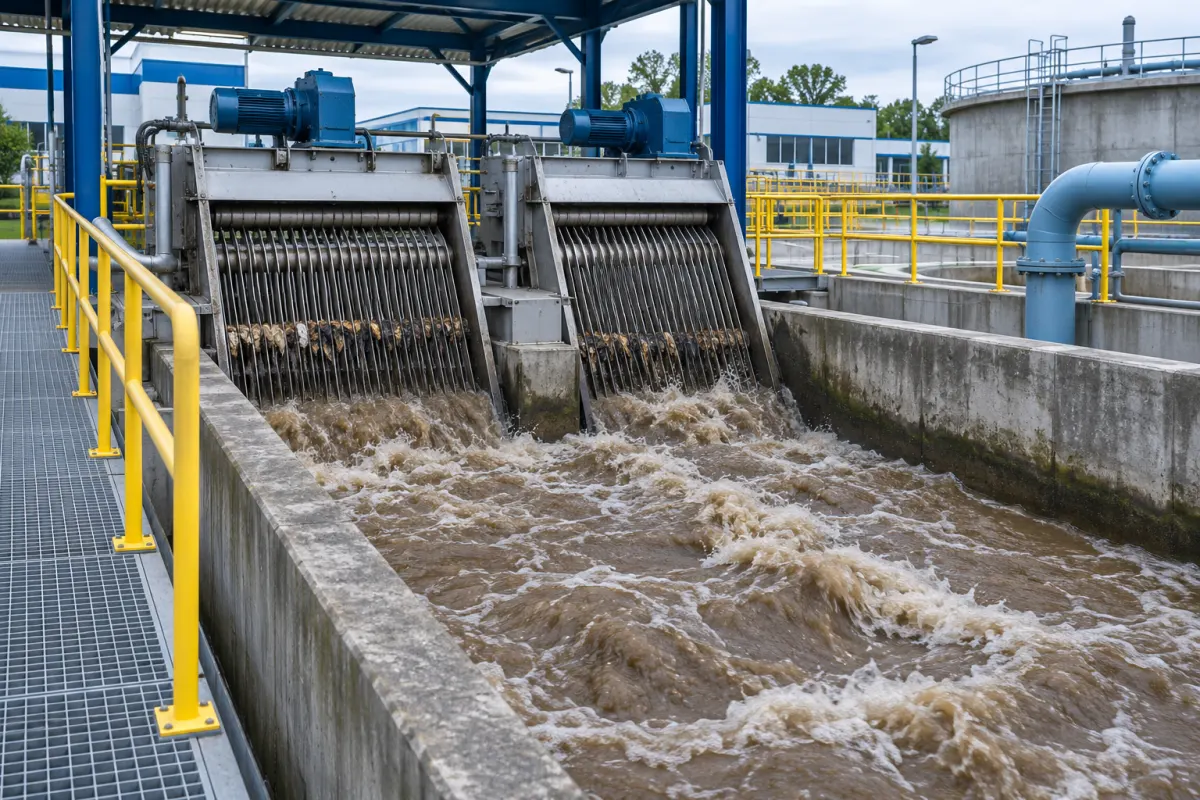
Slimy fibrous sludge

Mixed primary and biological mill sludge blinds press belts and leaves a wet cake when polymer charge is off.

Treatment program

A typical paper-mill program, stage by stage

Most mills pair cationic PAM on the fibre and sludge lines with industrial PAC on white-water and effluent clarification.

01

Retention & drainage

Cationic PAM

ProblemFine fibres and fillers lost to white water

What it doesBridges fine fibres and fillers onto the sheet for faster drainage

Where to doseHeadbox approach flow, diluted cleanly
02

White-water DAF / save-all

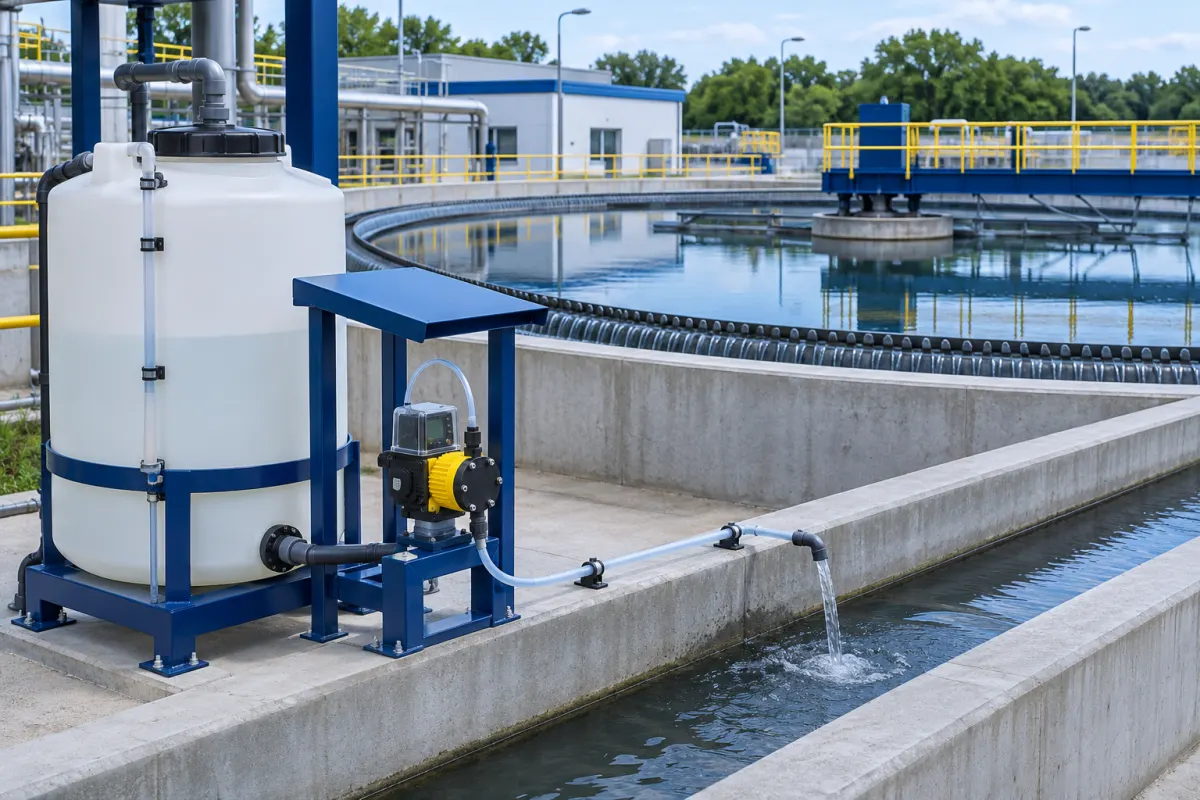
PAC · optional Cationic PAM

ProblemCloudy recycled water plugs showers

What it doesCoagulates colloids and floats fine fibre for reuse

Where to doseAhead of the DAF or disc save-all

03

Effluent clarification

PAC

ProblemHigh COD, colour and suspended solids

What it doesNeutralises anionic trash and breaks colour into micro-flocs

Where to doseFlash mixer ahead of the effluent clarifier

04

Sludge thickening

Cationic PAM · optional

ProblemHigh volume of dilute mill sludge

What it doesConcentrates primary and biological sludge before pressing

Where to doseThickener feed line

05

Sludge dewatering

Cationic PAM

ProblemWet cake, belt blinding

What it doesForms strong fibrous flocs that drain fast on the press

Where to doseSludge feed pipe before belt or screw press

Dosing points

Where each product goes in

Send us your mill water loop and effluent flow sheet; we mark the dosing points for your line.

Water lineSludge lineDosing pointOptionalHover or tap points 1–5
WATER LINESLUDGE LINEMilleffluentFibrescreenSave-allDAFBiologicaltreatmentSecondaryclarifierPolishingfilterRecycledwaterThickenerBelt / screwpressMill cake12345
1PACOptional
Before DAF / save-all

Coagulates fine colloids and anionic trash.

2PAC
Before secondary clarifier

Lowers effluent COD, colour and turbidity.

3PACOptional
Ahead of polishing filter

Captures fine pin flocs for clean reuse water.

4Cationic PAMOptional
Thickener feed

Speeds settling of dilute primary and bio sludge.

5Cationic PAM
Press feed line

Builds shear-resistant flocs for drier mill cake.

Free jar test

Tested on your mill water and sludge

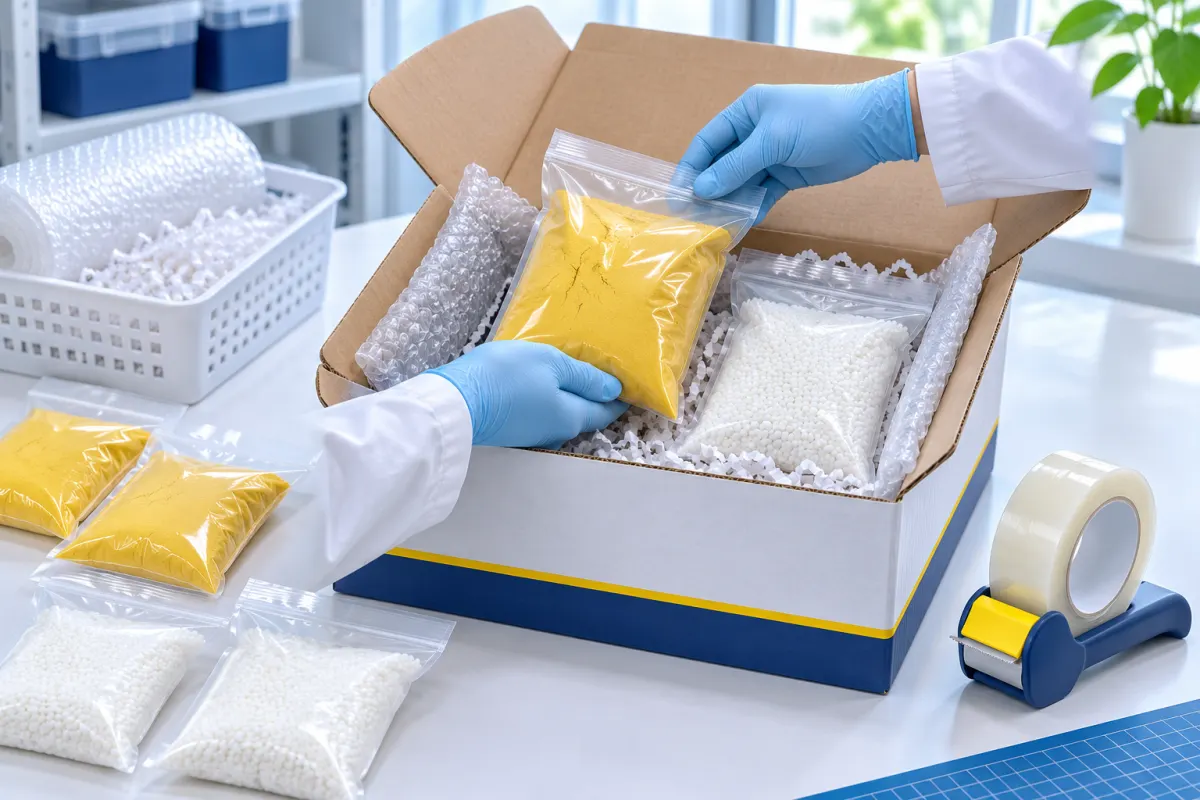
Recycled corrugated, tissue and virgin pulp mills carry very different anionic trash loads. We test your own sample first.

01 Send water and sludge

1 L of white water or effluent, plus 1 L of feed sludge from your press.

02 Parallel screening

We compare PAC grades for clarity and COD, and cationic PAM charges for drainage and cake release.

03 Written report

Recommended grades, PAC : PAM ratio and a starting dose range.

04 Mill trial samples

1 kg samples of the winning grades for a trial on your own DAF or press.

FAQ

Questions paper mills ask.

Short answers on white water, sludge dewatering and shipping.

Talk to us sales@claripoly.com WhatsApp +86 134 1983 6447
ZZhanteng · Export & Technical Sales
Replies within one working day
What we provide Ask a question →
Which PAM is best for paper-mill sludge?

Cationic PAM is the usual starting point, especially when primary fibre sludge is blended with biological sludge. Low to medium charge grades are tested first on your sample.

Do we need PAC for white-water clarification?

When recycled water carries fine clay, starch or ink colloids, a small dose of industrial PAC ahead of PAM helps clear the haze and protect machine showers.

Can nonionic or anionic PAM be used in paper mills?

Yes — anionic PAM is sometimes used on pure inorganic filler sludge or with PAC on neutral effluent, and nonionic PAM on acidic streams. A jar test confirms which performs best.

How should PAM be dissolved to avoid spots or belt blinding?

Dissolve slowly to 0.1–0.2% in clean water under gentle stirring and filter out any undissolved “fish eyes” before dosing.

Can PAC and PAM ship together in one container?

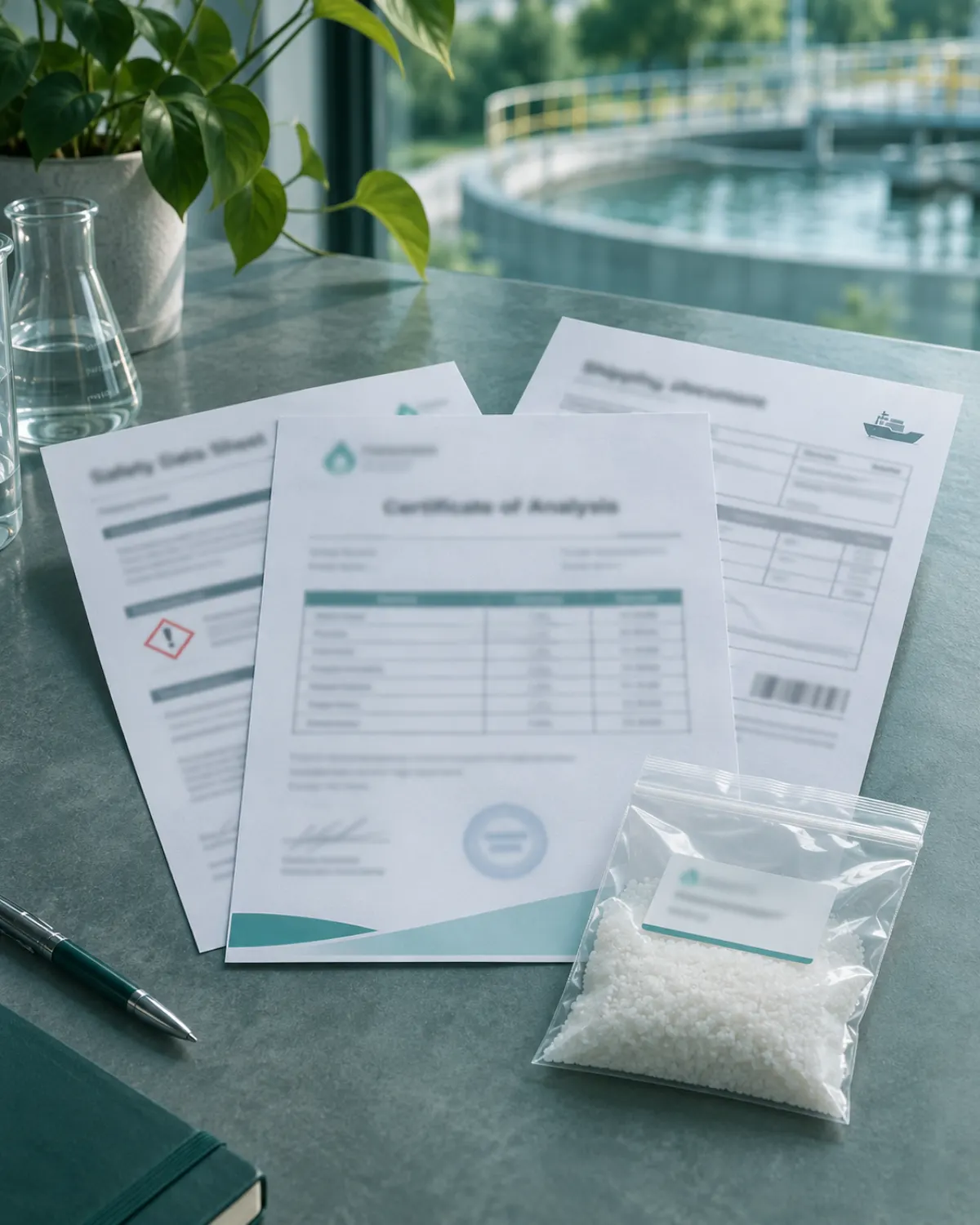
Yes. Both ship in 25 kg bags or 1 t big bags inside one 20 ft container, each with its own batch COA.

What documents come with each order?

Batch COA, TDS, SDS and certificate of origin with every shipment, plus Form E for ASEAN destinations.

Are samples free?

We send 1 kg samples of the recommended grades for a trial on your own equipment. Samples are free of charge; the buyer pays the courier.

What documents come with each shipment?

A certificate of analysis (COA) for every batch, plus the TDS and SDS. A certificate of origin comes with every shipment, and Form E for ASEAN destinations.

What is the minimum order and what payment terms do you accept?

Minimum order is 1 tonne per grade. We accept T/T (30% deposit, balance before shipment) and L/C at sight. Trial orders start at 1 tonne, so you start small and scale up once the grade is proven.

Tell us about your paper mill.

Tell us what you treat and what you use now. We reply within one working day and tell you where to send the sample.

Z
Your contactZhantengExport & Technical Sales

To get a quote in one reply, include

  • Application or industry
  • Product and dose you use now
  • Monthly volume and destination port

    Jar test or quotation · paper & pulp

    What do you need?

    Your water, as far as you know:

    We reply within one working day.