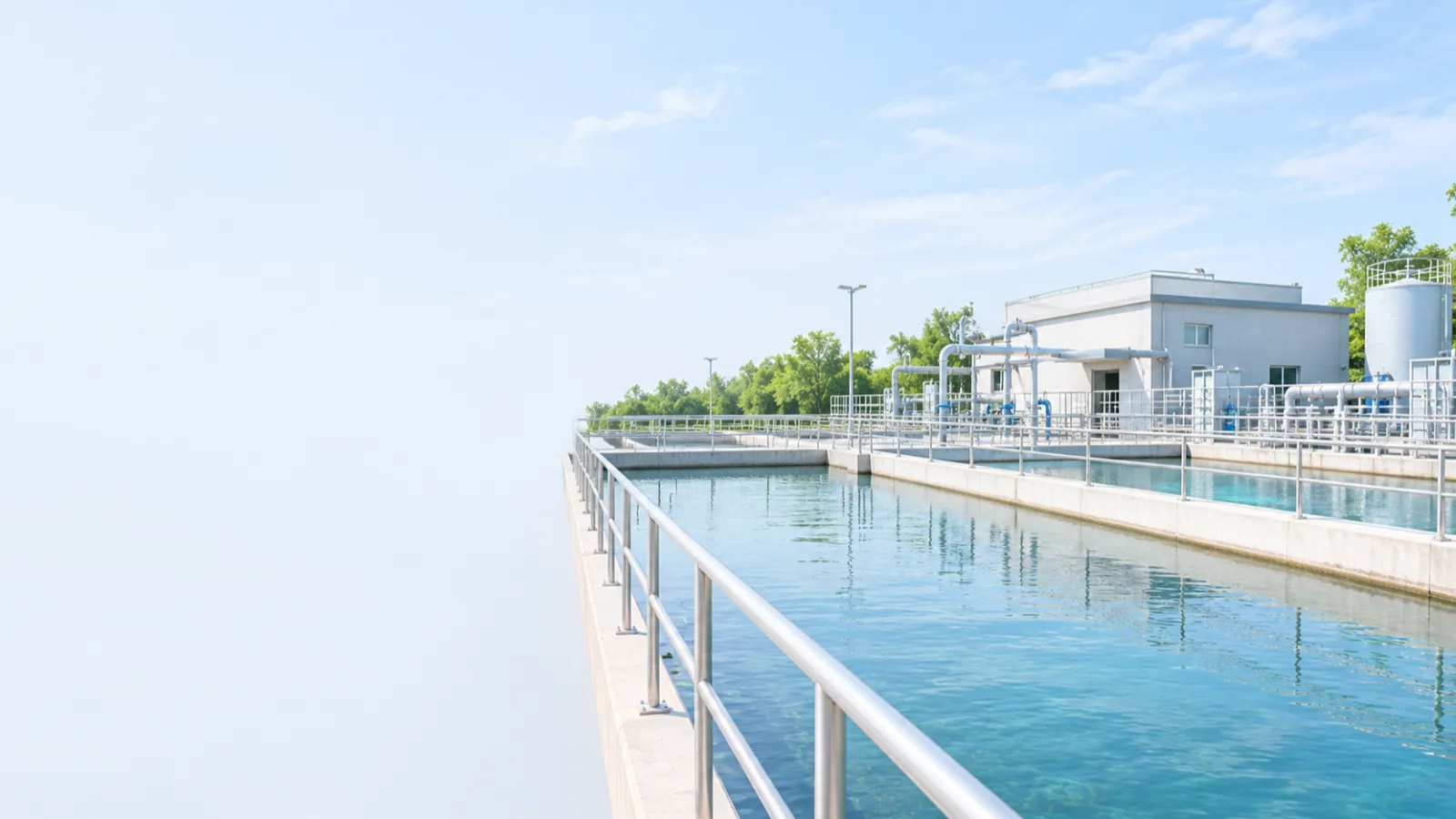
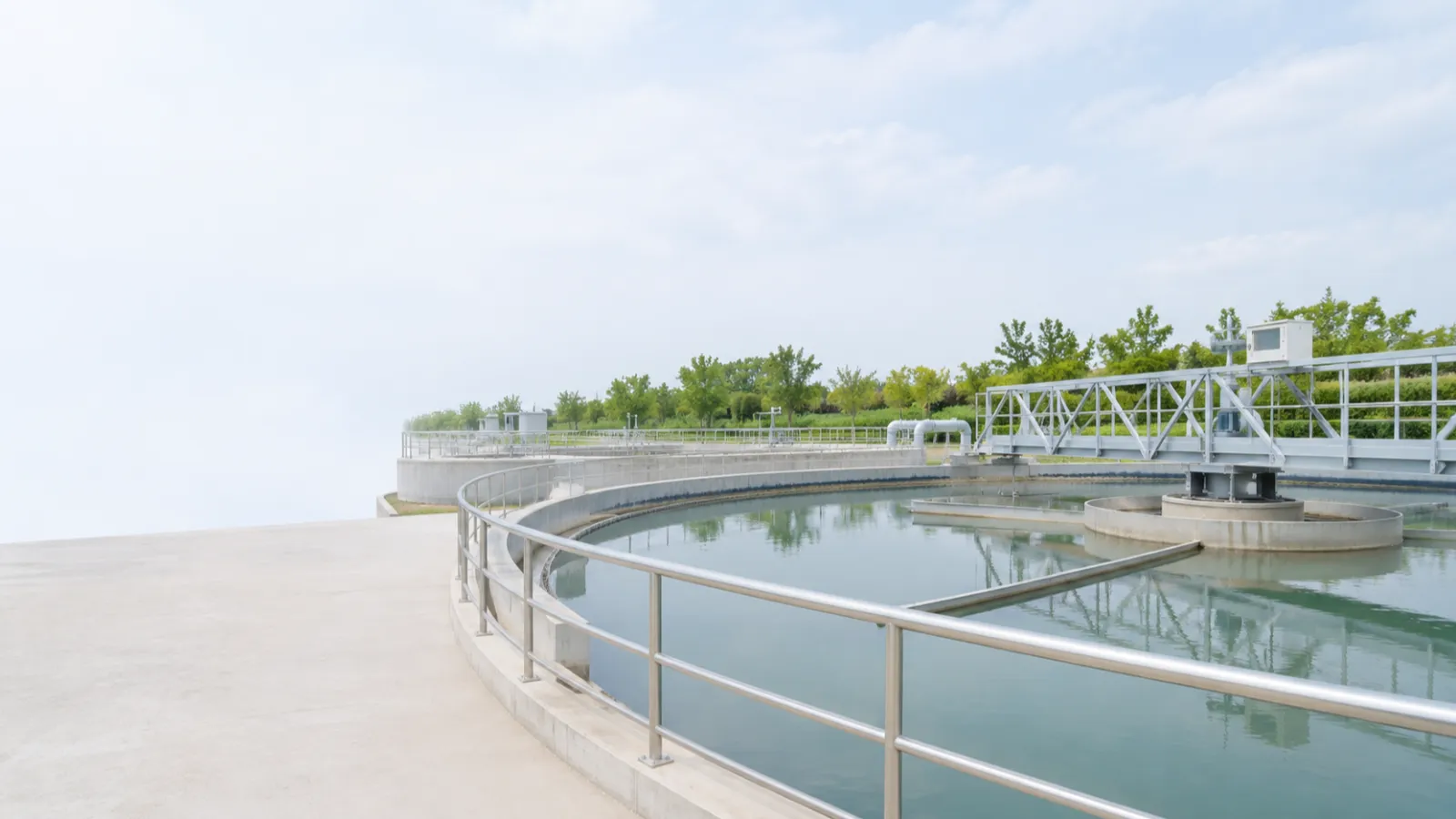
Municipal sewage & sludge
Primary and secondary clarification, then sludge thickening and dewatering on belt presses, screw presses and centrifuges.
Municipal sludge, dyeing effluent and mine tailings need different chemistry. Each application below shows the usual starting program — and every recommendation is confirmed on a jar test with your own water.
Every water is different — which is why we test yours before recommending a grade.
Primary and secondary clarification, then sludge thickening and dewatering on belt presses, screw presses and centrifuges.
Retention and drainage on the paper machine, white-water clarification and dewatering of mill sludge.
Thickener feed, tailings ponds and process-water recycling at metal and iron ore mines.
Wash-water recycling, slurry ponds, piling mud and tunnel muck, where solids are high and settling must be fast.
Removing colour, COD and suspended solids from dyeing and printing effluent before biology or discharge.
Scale pits, rolling-mill water and coking wastewater with oil, iron fines and high temperatures.
Fats, proteins and high-organic sludge, often treated by dissolved-air flotation before dewatering.
Turbidity removal at water works and package plants, with heavy-metal limits to GB 15892.
Find the sample that looks most like yours. Each card shows what it is, where it usually comes from and the program we start the jar test with.
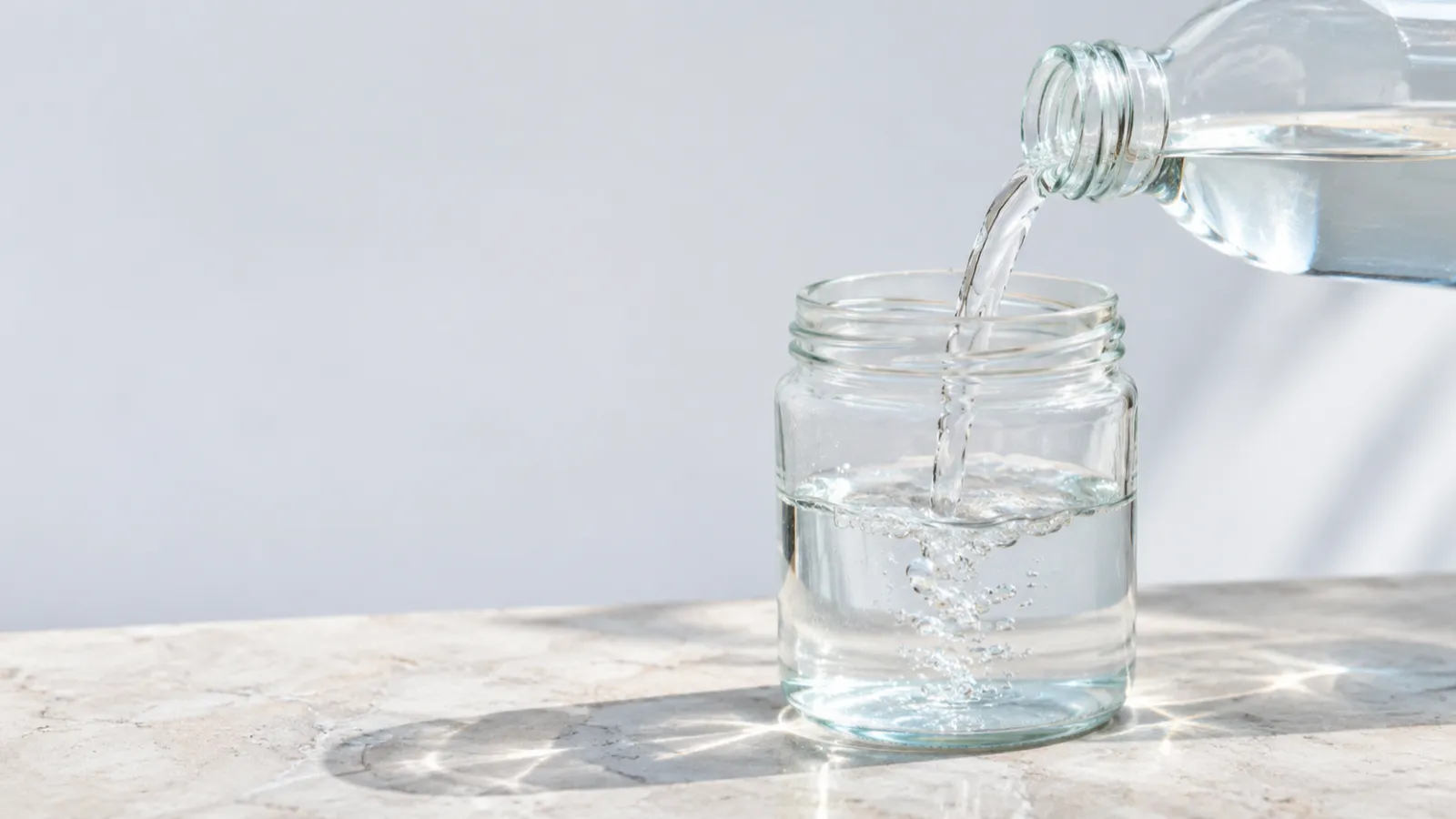
Cloudy river, lake or borehole water with fine silt and clay.
Thick dark sludge from biological treatment or food plants.
Heavy grey or brown slurry that takes hours to settle.
Deeply dyed wastewater with high COD and suspended solids.
Milky or emulsified water with fats, oil and proteins.
Send 1 litre. The jar test tells you which program fits — in writing.
Free jar test →Send 1 litre of your water or sludge. We test PAC and PAM side by side and reply in writing with the grades, ratio and a starting dose. We reply within one working day.
Short answers on choosing products for your water. Anything else, ask us directly.
Send us 1 litre of your raw water or sludge with a short note on your equipment and goal. We test PAC and PAM combinations side by side and send a written report.
The table gives the starting program (PAC, cationic, anionic or nonionic PAM). Exact grade, charge density and dose always depend on your own water — a jar test confirms them.
Send 1 litre of raw water or sludge with a short note on your process, equipment and current product. We test several PAC and PAM combinations side by side and send back a written report with the recommended grades, the PAC : PAM ratio and a starting dose.
We send 1 kg samples of the recommended grades for a trial on your own equipment. Samples are free of charge; the buyer pays the courier.
Yes. Both are packed in 25 kg bags or 1 t big bags and ship together in one container, with a COA for every batch. Lead time is 7–15 days from order confirmation.
Minimum order is 1 tonne per grade. We accept T/T (30% deposit, balance before shipment) and L/C at sight. Trial orders start at 1 tonne, so you start small and scale up once the grade is proven.
Tell us what you treat and what you use now. We reply within one working day and tell you where to send the sample.