Application file · Sand & coal washing

Sand & coal washing

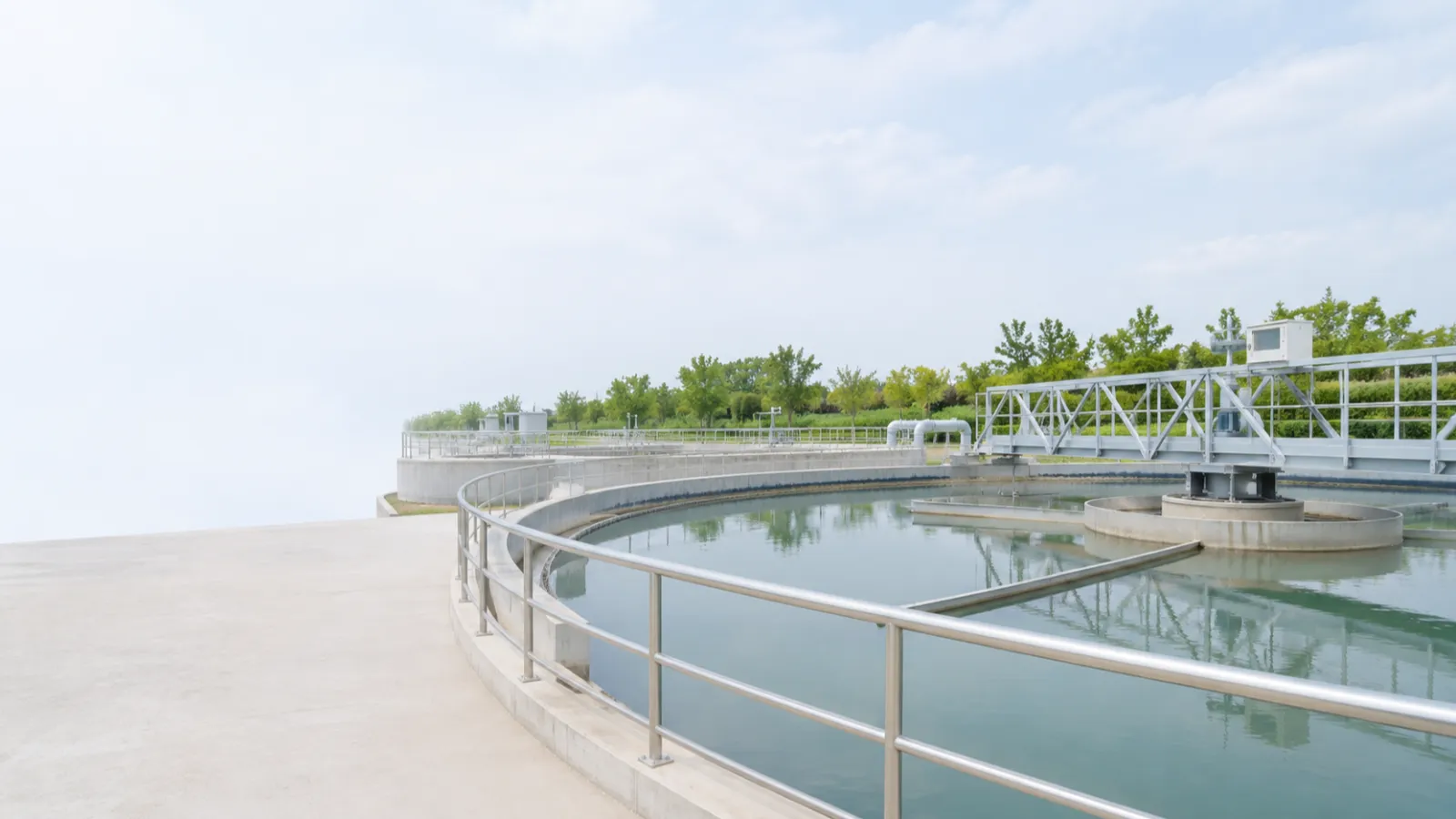
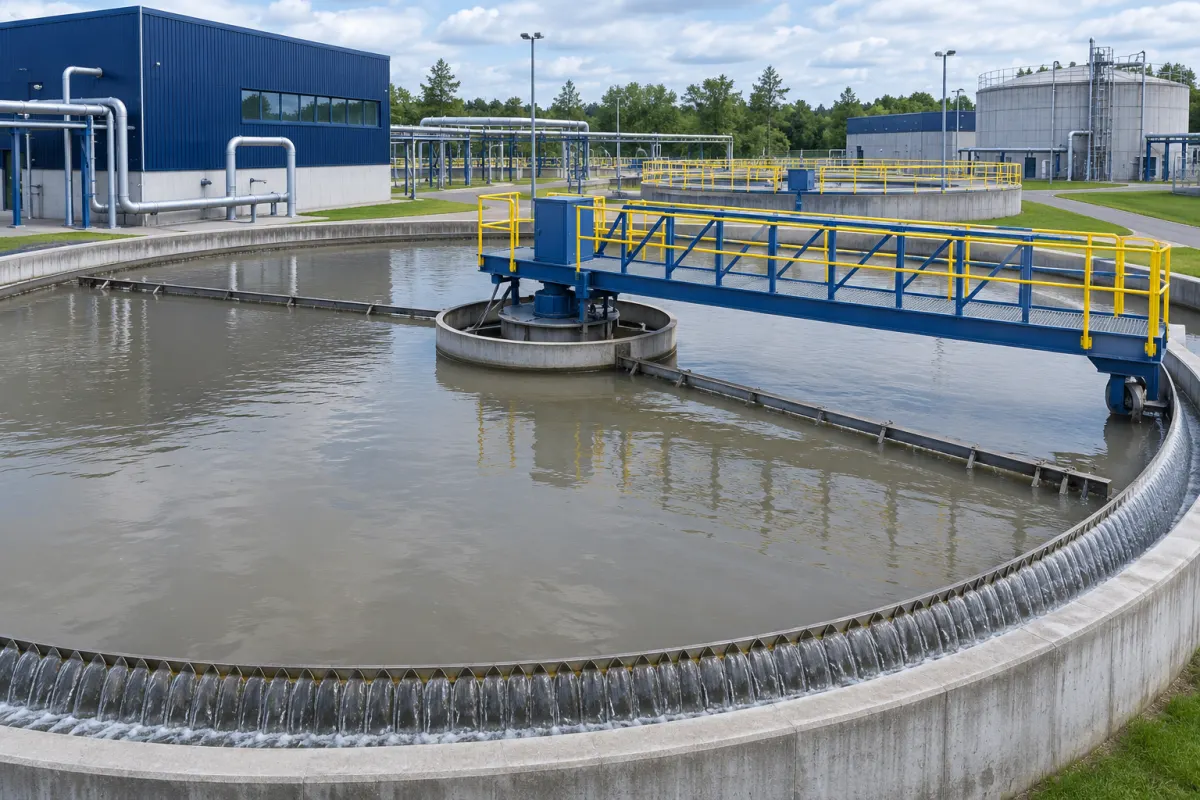
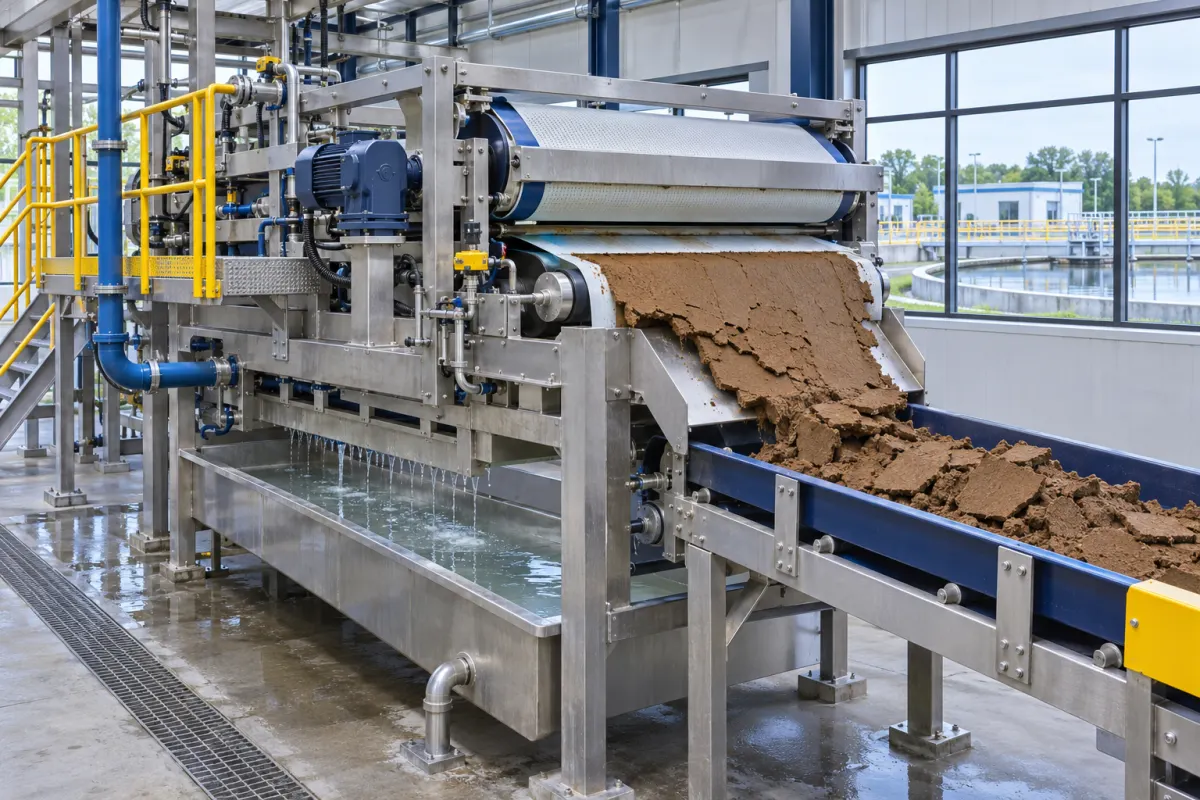
Thickener & pondAnionic PAMfast settling · water reuse
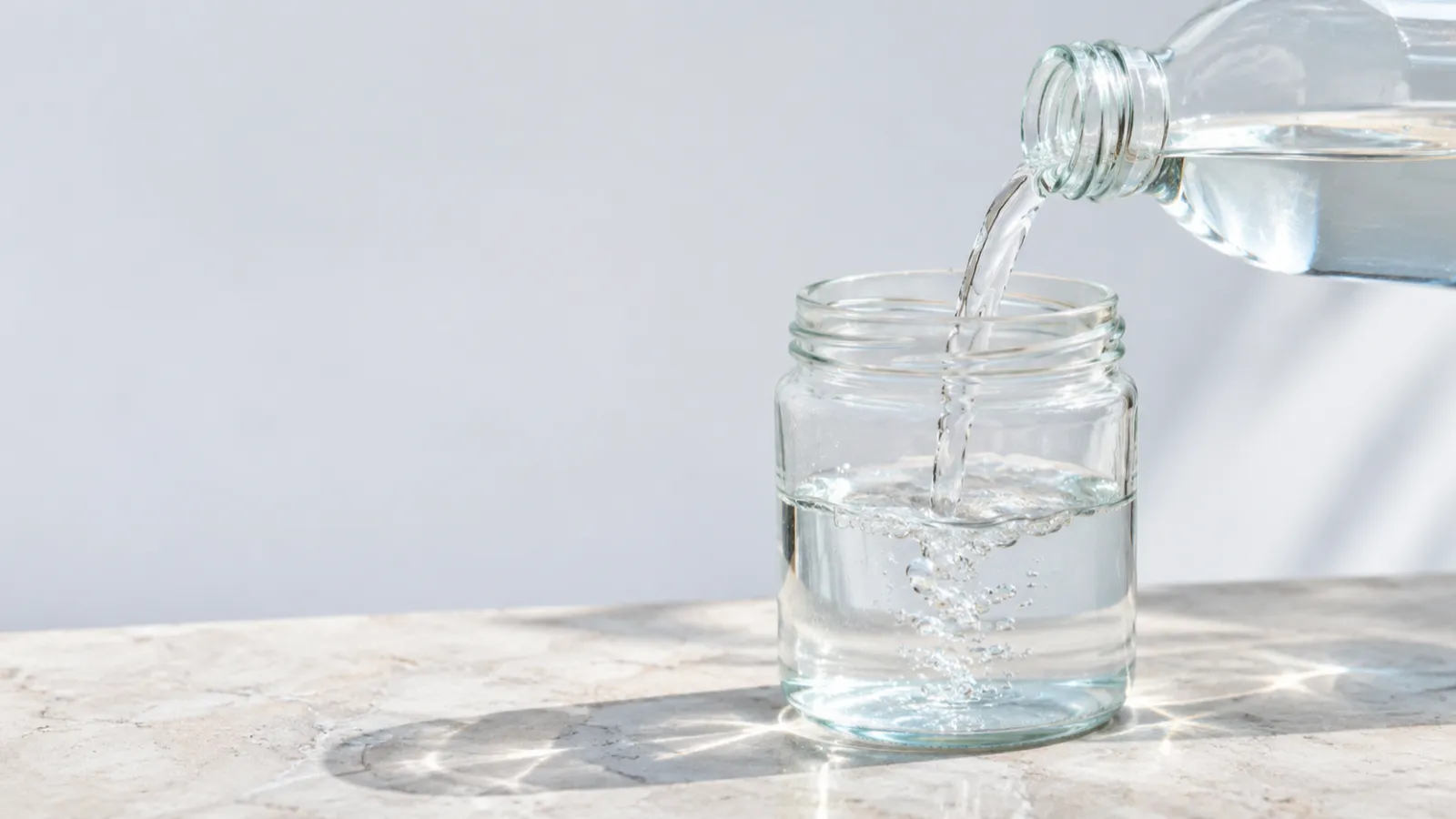
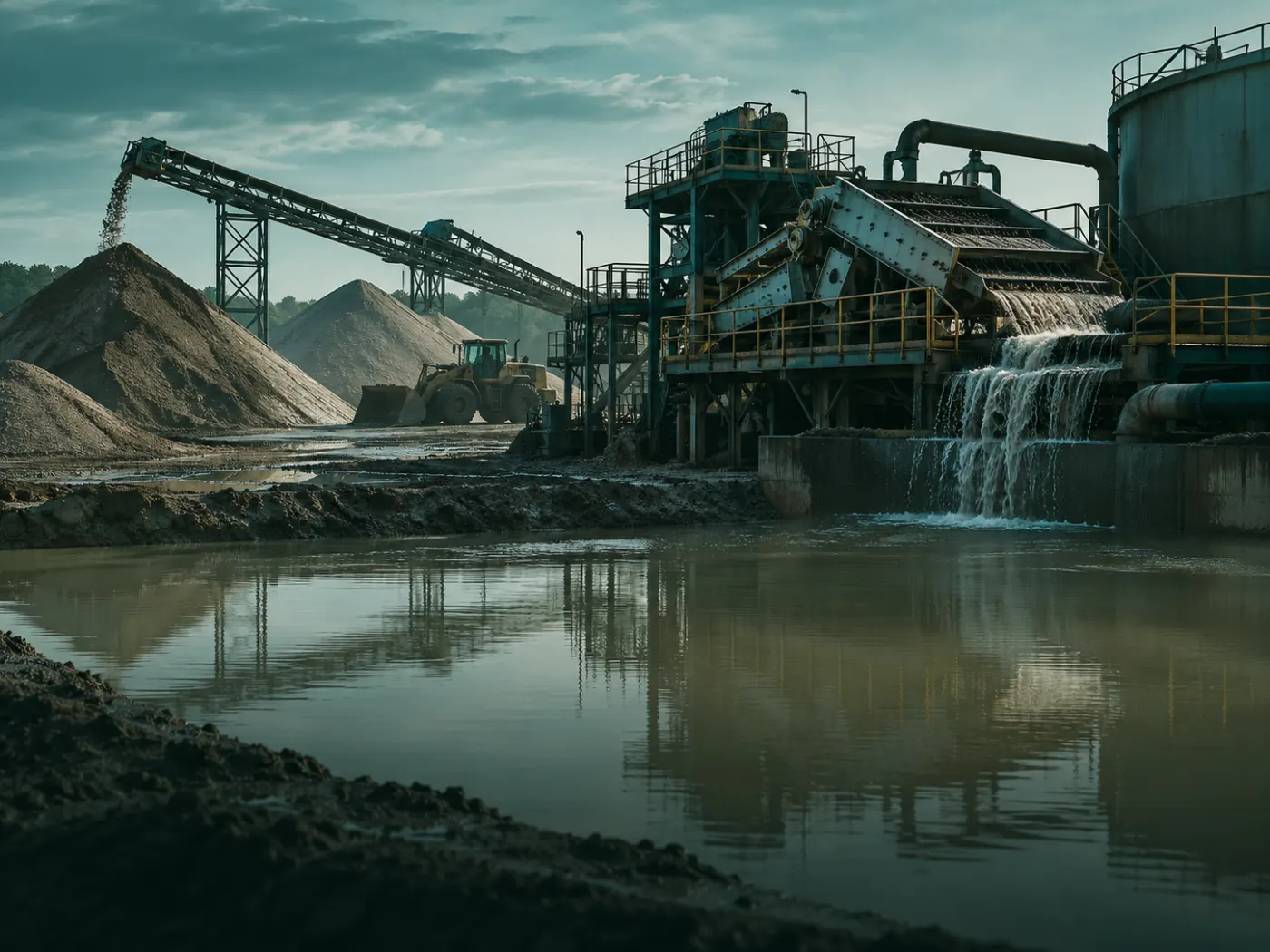
Fine clay hazePAC (when needed)clear wash water

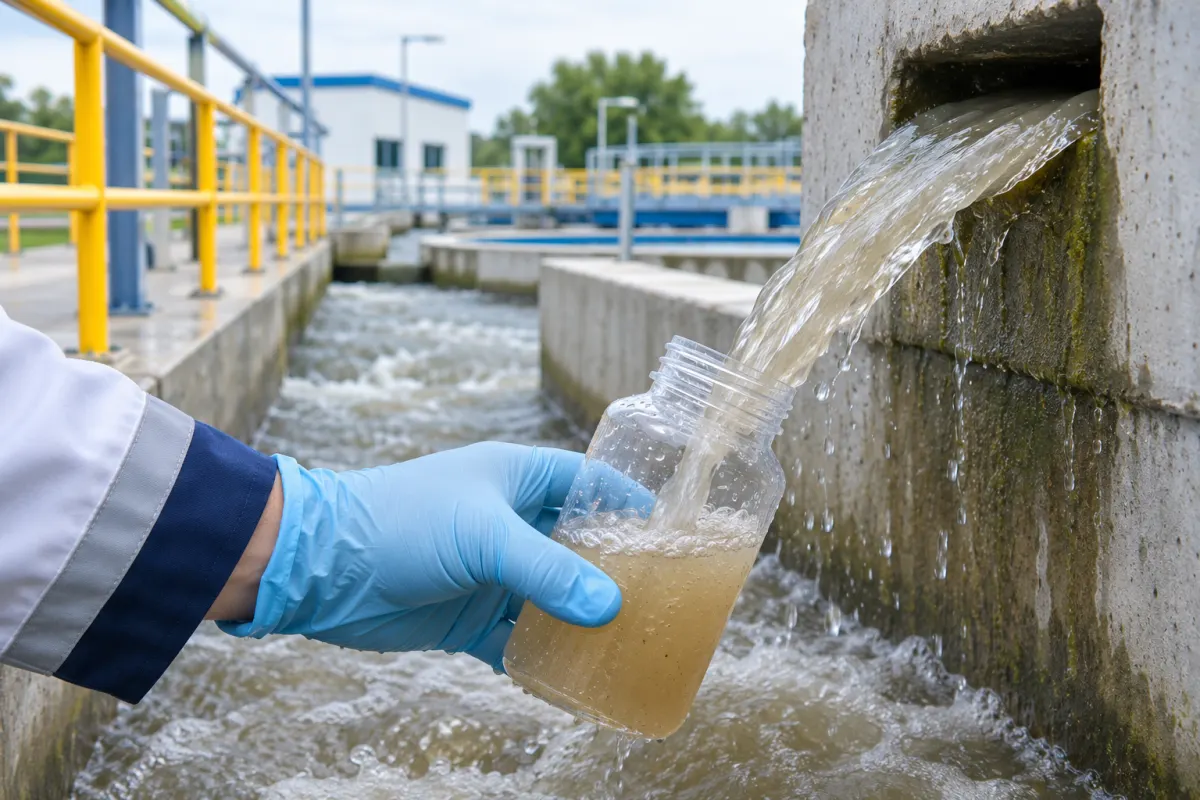
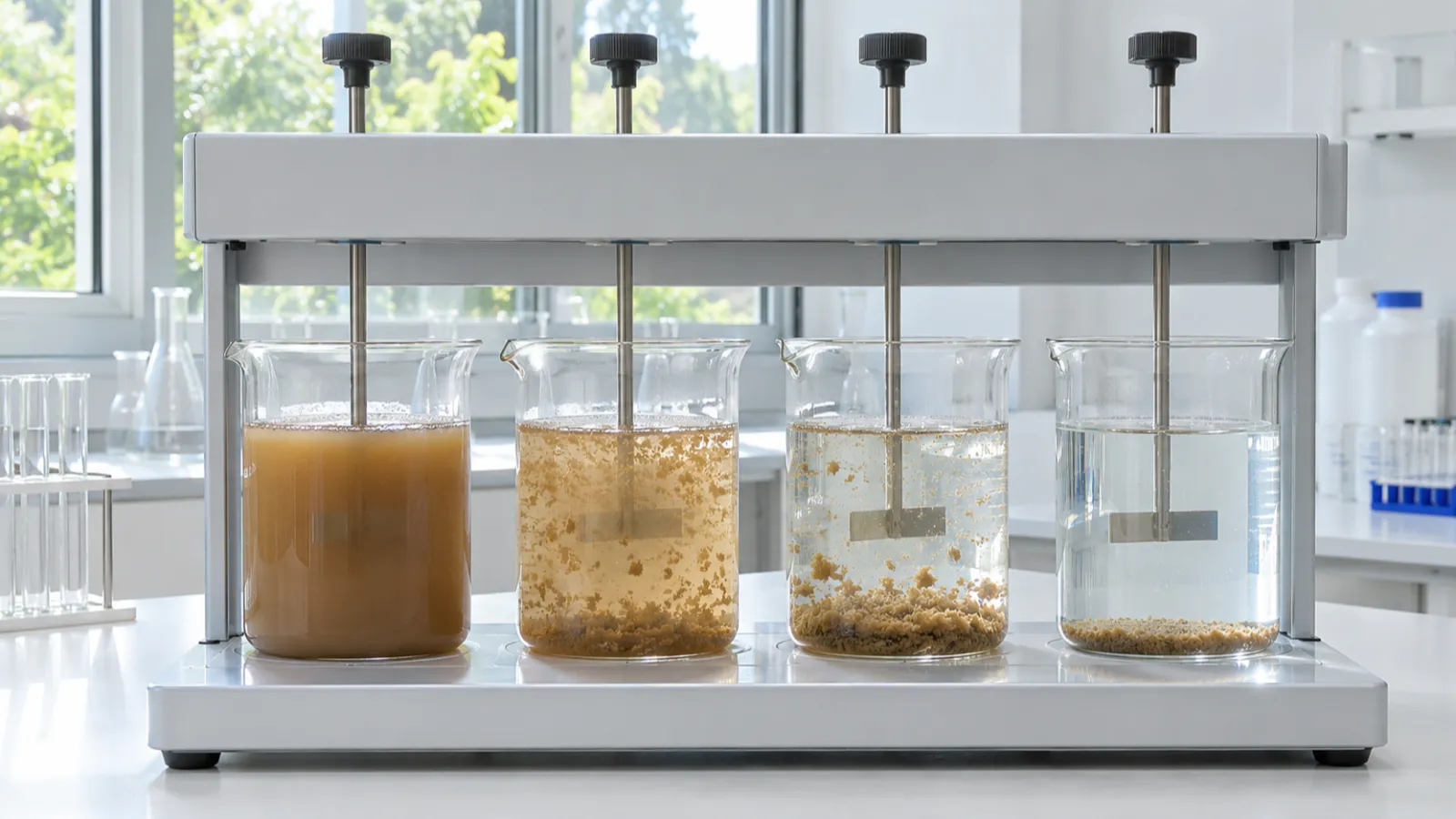
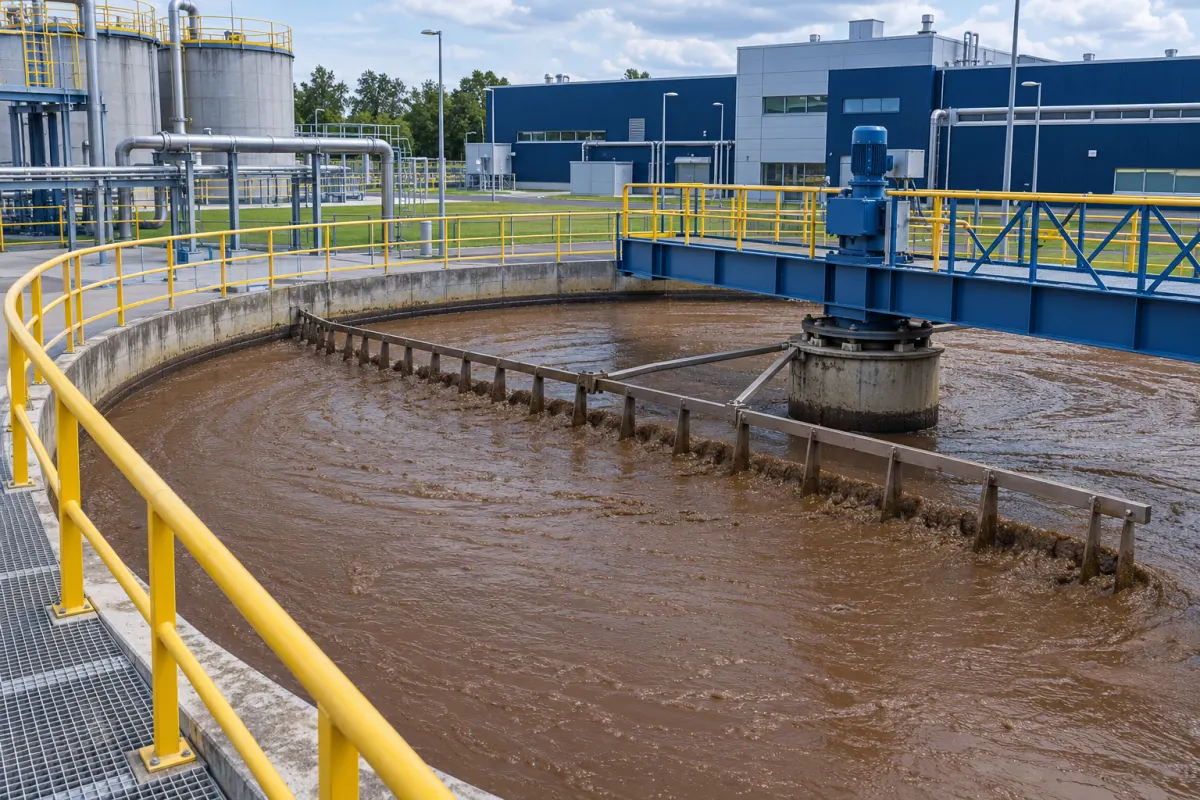
Clay-rich sand and coal fines turn wash water into thick mud. The right anionic PAM drops solids in minutes so clean water loops straight back to the screens.

Sand & coal washing
Dosed at
Thickener inlet · settling pond · filter press
Equipment
Deep-cone thickener, plate filter press, belt press
Targets
Fast settling, clear reuse water, dry mud cake
Set by
Cylinder test on your wash water
The challenge

Four bottlenecks in sand and coal wash plants

When wash water stops settling cleanly, the entire washing line slows down.

Muddy wash water inClean wash water & cake out
01020304
Wash screen outflow

High-solids clay slurry

Fine silt and bentonite-like clay stay suspended for hours without a flocculant.

Settling tank

Cloudy return water

Dirty return water leaves silt on washed sand and wears out slurry pumps.

Filter press feed

Slow press cycles

Weak flocs collapse under feed-pump pressure, blinding filter cloths.

Cake discharge

Sticky, wet mud cake

High moisture cake sticks to cloths and adds hauling cost.

Treatment program

A typical washing-plant program

High-MW anionic PAM handles the bulk settling; economy or 28% PAC is added only if fine clay stays cloudy.

01

Fine clay coagulation

PAC · optional

ProblemSuspended yellow/grey haze won’t clear

What it doesNeutralises fine clay colloids before flocculation

Where to doseInlet trough ahead of the thickener
02

Thickener settling

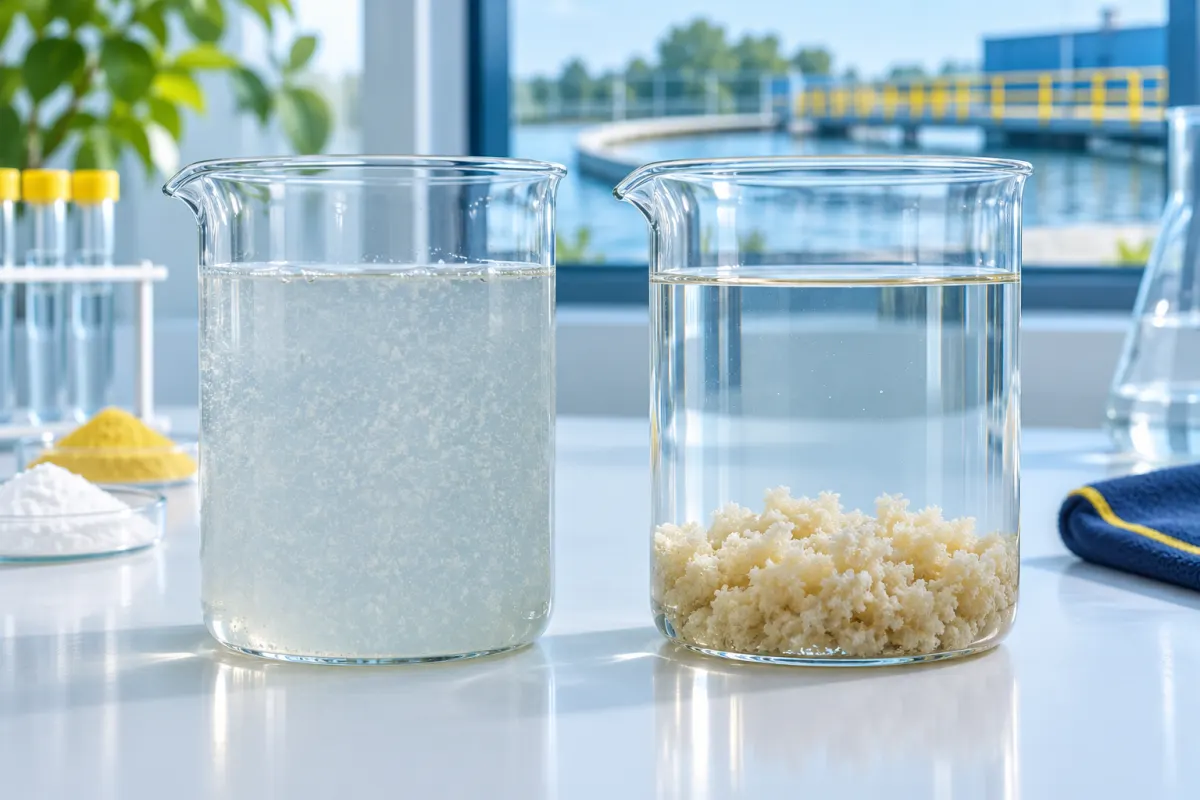
Anionic PAM

ProblemMuddy water takes hours to settle

What it doesBuilds heavy flocs that settle in minutes for water reuse

Where to doseThickener feedwell with inline dilution

03

Filter-press dewatering

Anionic PAM

ProblemLong cycle times, wet sticky cake

What it doesMaintains open floc structure for fast water release

Where to doseSlurry feed line ahead of press

Dosing points

Where each product goes in

Send 1 L of muddy wash water and tell us whether you run a thickener, settling pond or plate filter press.

Water lineSludge lineDosing pointOptionalHover or tap points 1–5
WATER LINESLUDGE LINEMuddywash waterFinescreenDeep-conethickenerClean watertankReuse onscreensMudunderflowPlate filterpressDry mudcake123
1PACOptional
Before thickener

Clears colloidal clay haze if water stays milky.

2Anionic PAM
Thickener feedwell

Drops sand, coal fines and clay in minutes.

3Anionic PAMOptional
Filter-press feed

Boosts press throughput and cake dryness.

Free jar test

Tested on your wash water in 30 minutes

Clay mineralogy varies by quarry and coal seam. A quick settling test picks the fastest-settling MW grade.

01 Send 1 L of wash water

Take a well-mixed sample from the wash screen outflow.

02 Settling test

Compare anionic MW grades side by side, with and without a small PAC dose.

03 Written report

Grade, ratio and starting dose per cubic metre of wash water.

04 Plant trial

1 kg samples to verify on your own thickener and press.

FAQ

Questions sand and coal wash plants ask.

Short answers on settling speed, economy PAC and container loading.

Talk to us sales@claripoly.com WhatsApp +86 134 1983 6447
ZZhanteng · Export & Technical Sales
Replies within one working day
What we provide Ask a question →
Can anionic PAM work alone without PAC?

In many coarse sand and coal plants, yes. You only need PAC if fine clay stays suspended as a milky haze above the settled mud.

What about piling and tunnel-boring mud?

High-MW anionic PAM (sometimes paired with PAC) is widely used to clarify bentonite and piling slurry before filter pressing.

How strong should the anionic PAM solution be?

Dissolve to 0.1–0.2% in clean water under gentle stirring. Stronger solutions are too viscous to mix evenly into thick slurry.

Can we mix economy PAC and anionic PAM in one container?

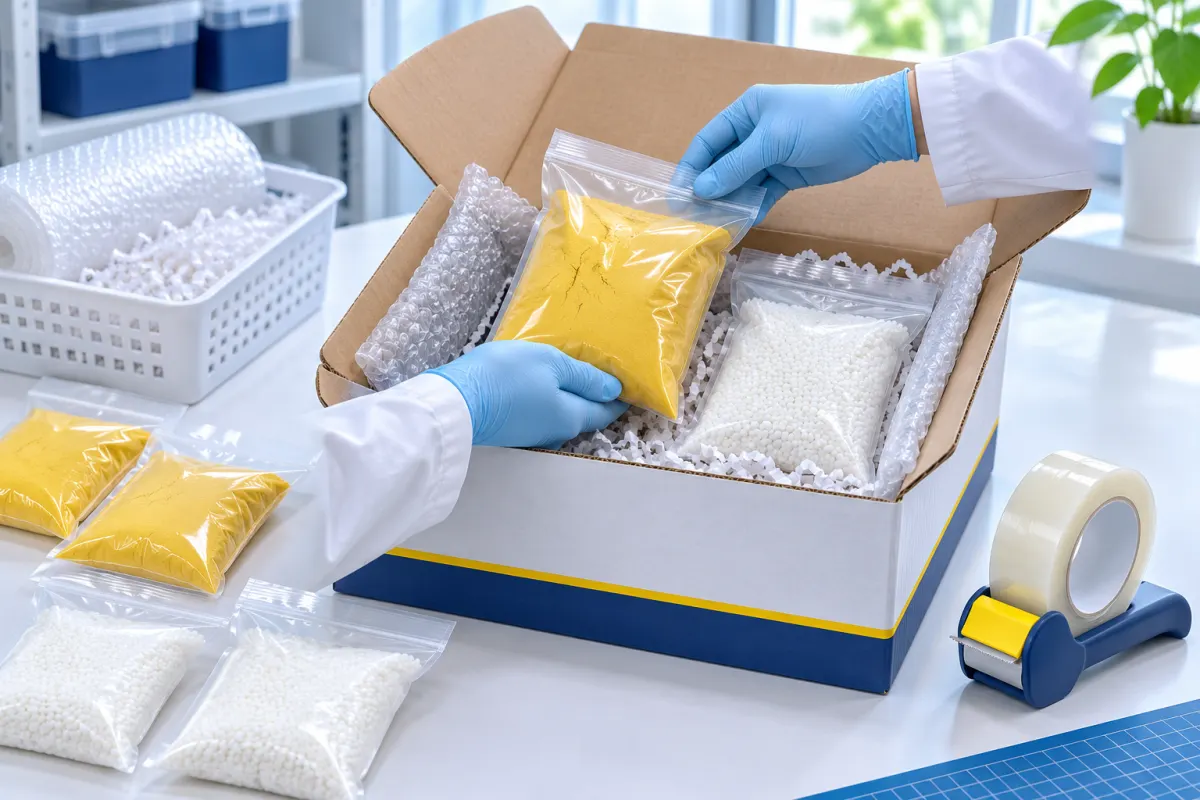
Yes. Both ship together in 25 kg bags or 1 t big bags inside one 20 ft container.

What is the minimum order?

1 tonne per grade, so you can start with a small trial order before scaling to full containers.

What documents come with every shipment?

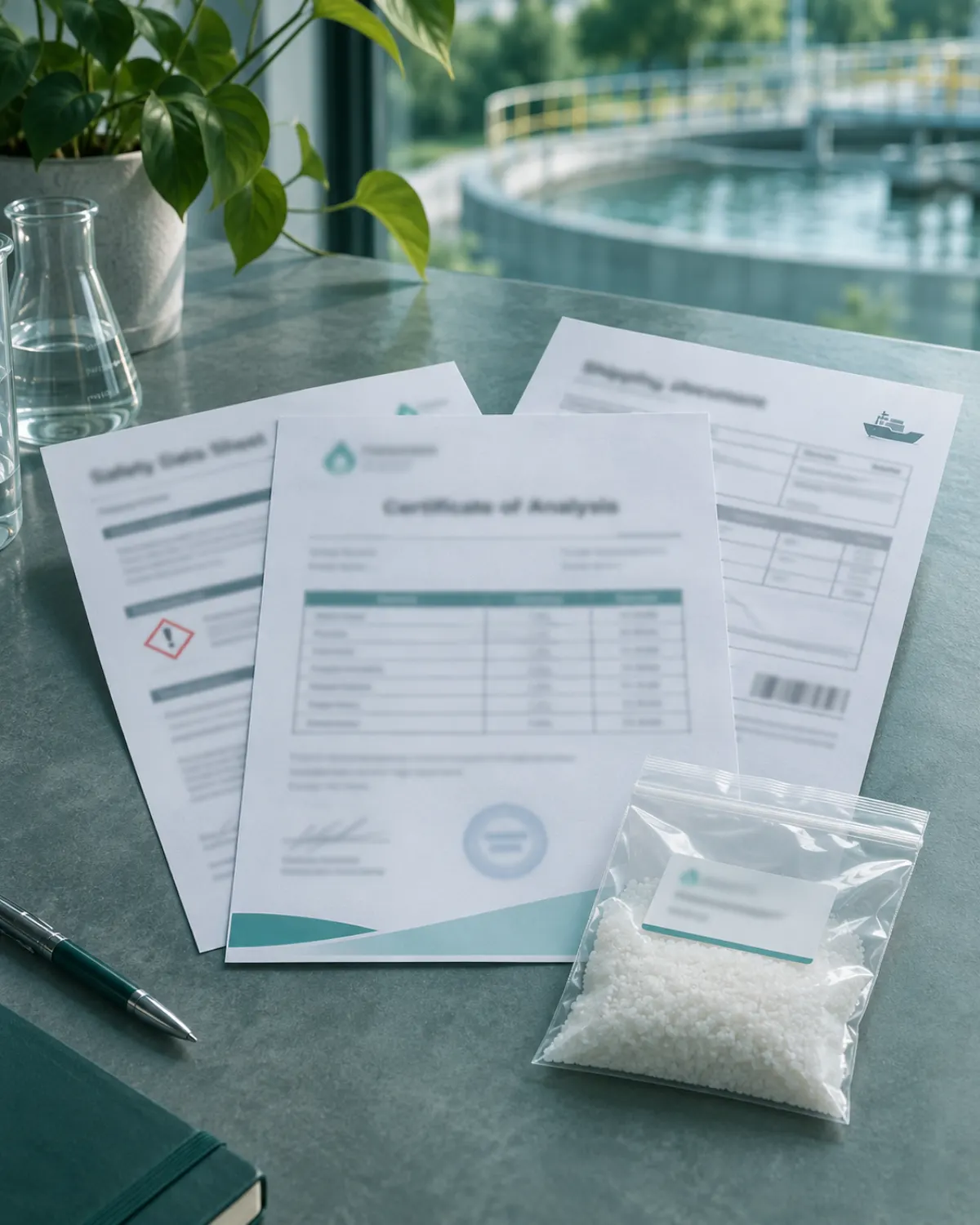
Batch COA, TDS, SDS and certificate of origin (plus Form E for ASEAN).

Are samples free?

We send 1 kg samples of the recommended grades for a trial on your own equipment. Samples are free of charge; the buyer pays the courier.

What documents come with each shipment?

A certificate of analysis (COA) for every batch, plus the TDS and SDS. A certificate of origin comes with every shipment, and Form E for ASEAN destinations.

What is the minimum order and what payment terms do you accept?

Minimum order is 1 tonne per grade. We accept T/T (30% deposit, balance before shipment) and L/C at sight. Trial orders start at 1 tonne, so you start small and scale up once the grade is proven.

Tell us about your wash plant.

Tell us what you treat and what you use now. We reply within one working day and tell you where to send the sample.

Z
Your contactZhantengExport & Technical Sales

To get a quote in one reply, include

  • Application or industry
  • Product and dose you use now
  • Monthly volume and destination port

    Jar test or quotation · sand & coal washing

    What do you need?

    Your water, as far as you know:

    We reply within one working day.