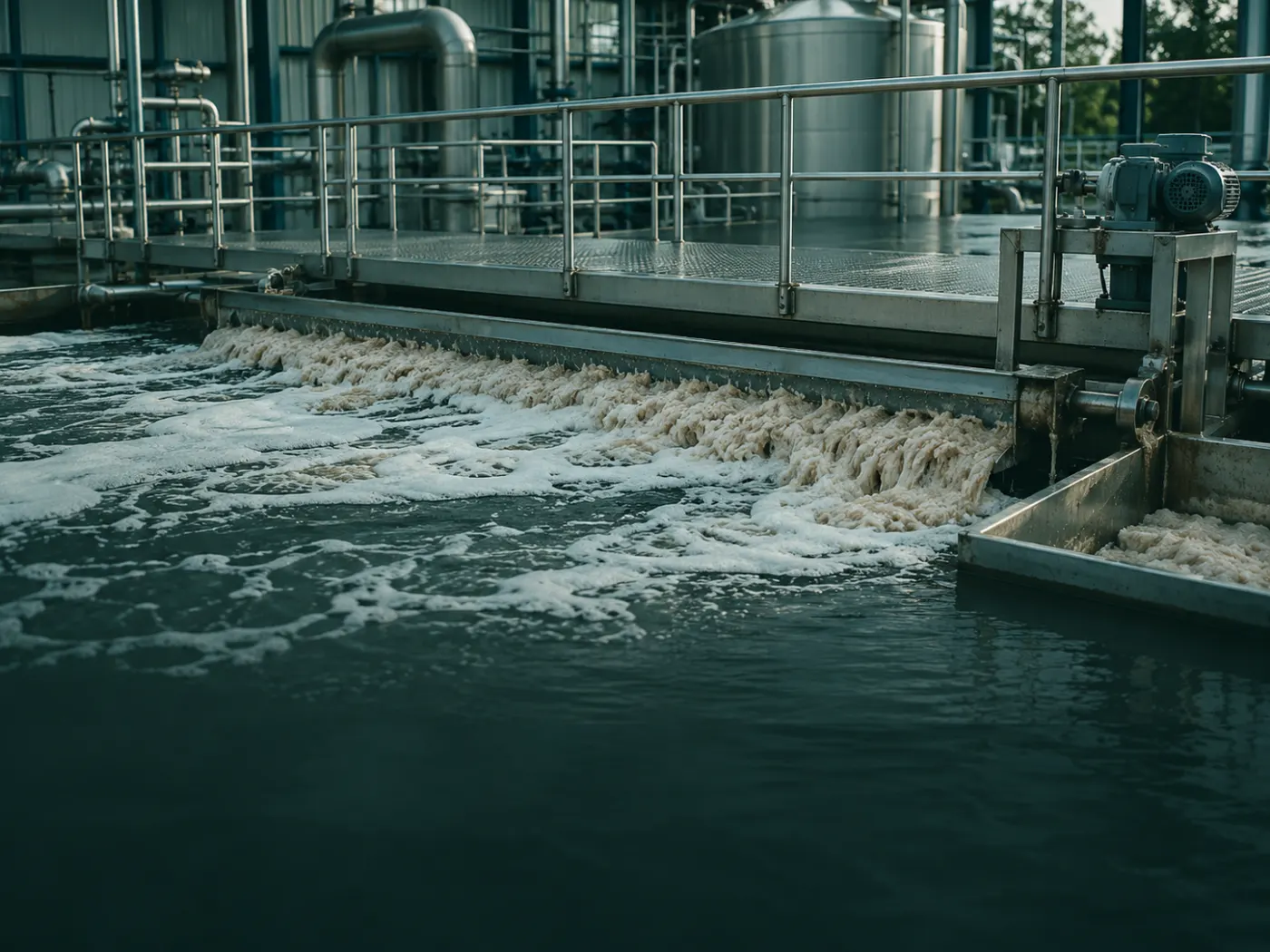
01
DAF coagulation
ProblemEmulsified fats, oils and proteins
What it doesBreaks fat emulsions and coagulates suspended proteins
Where to doseFirst injection point in DAF pipe flocculator
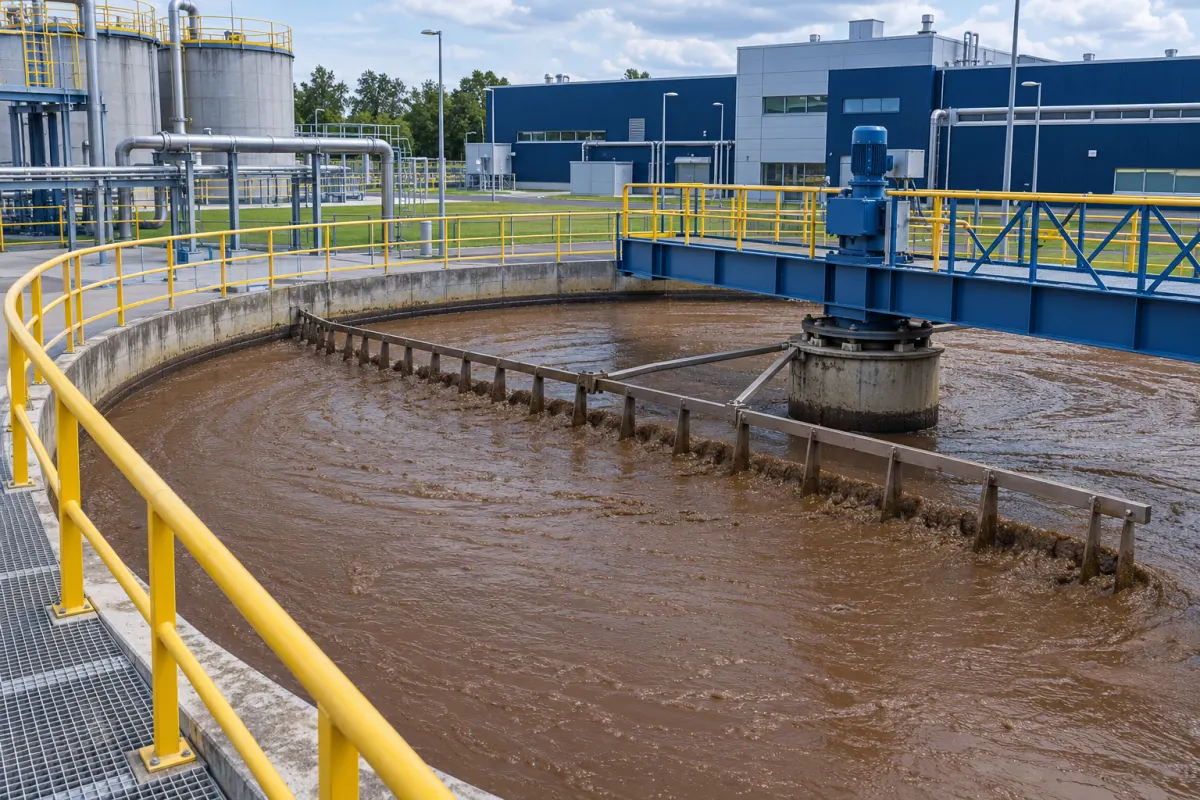
Fats, oils, grease and blood proteins overload biological tanks if not stripped upfront. PAC + cationic PAM on a DAF unit clears the load and dewaters the organic sludge.

High organic strength, emulsified fats and washdown chemicals require matched coagulation and flocculation.
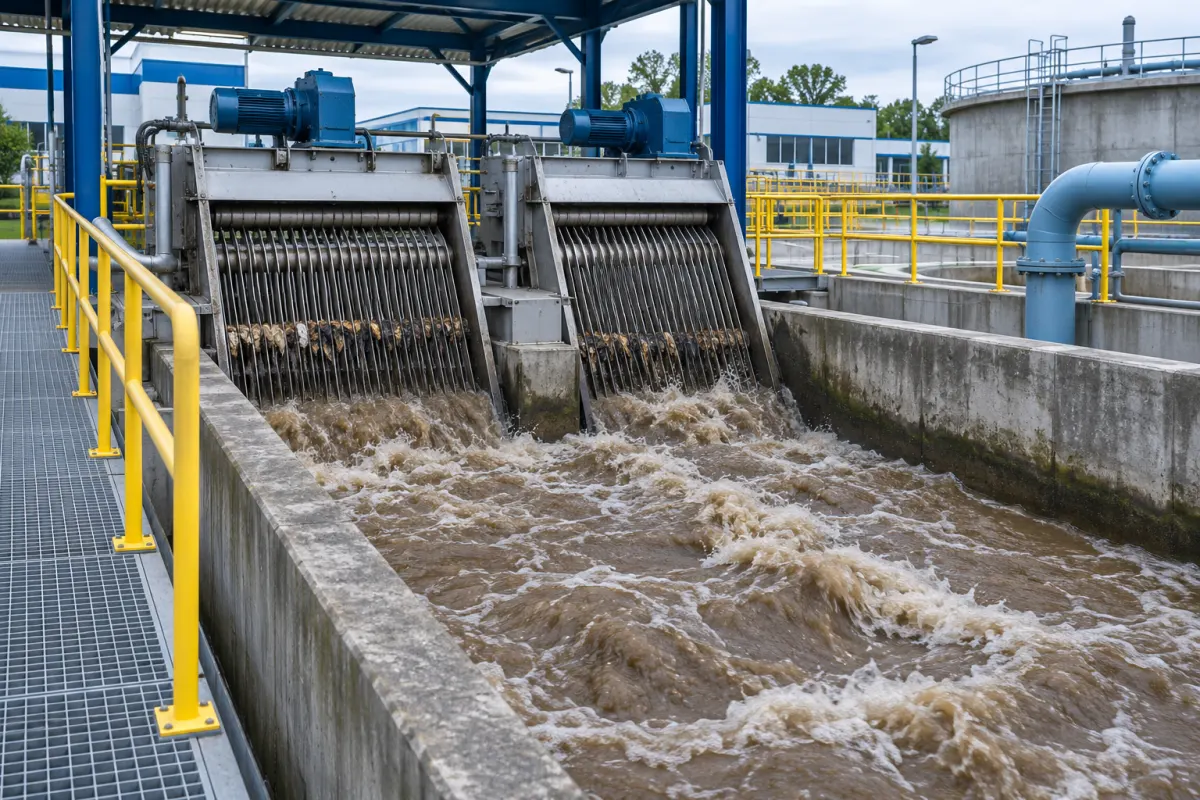
Inlet screen
Fats and proteins stay emulsified and coat downstream biological media.
Washdown peaks
Sanitation cycles spike pH, detergents and suspended solids.
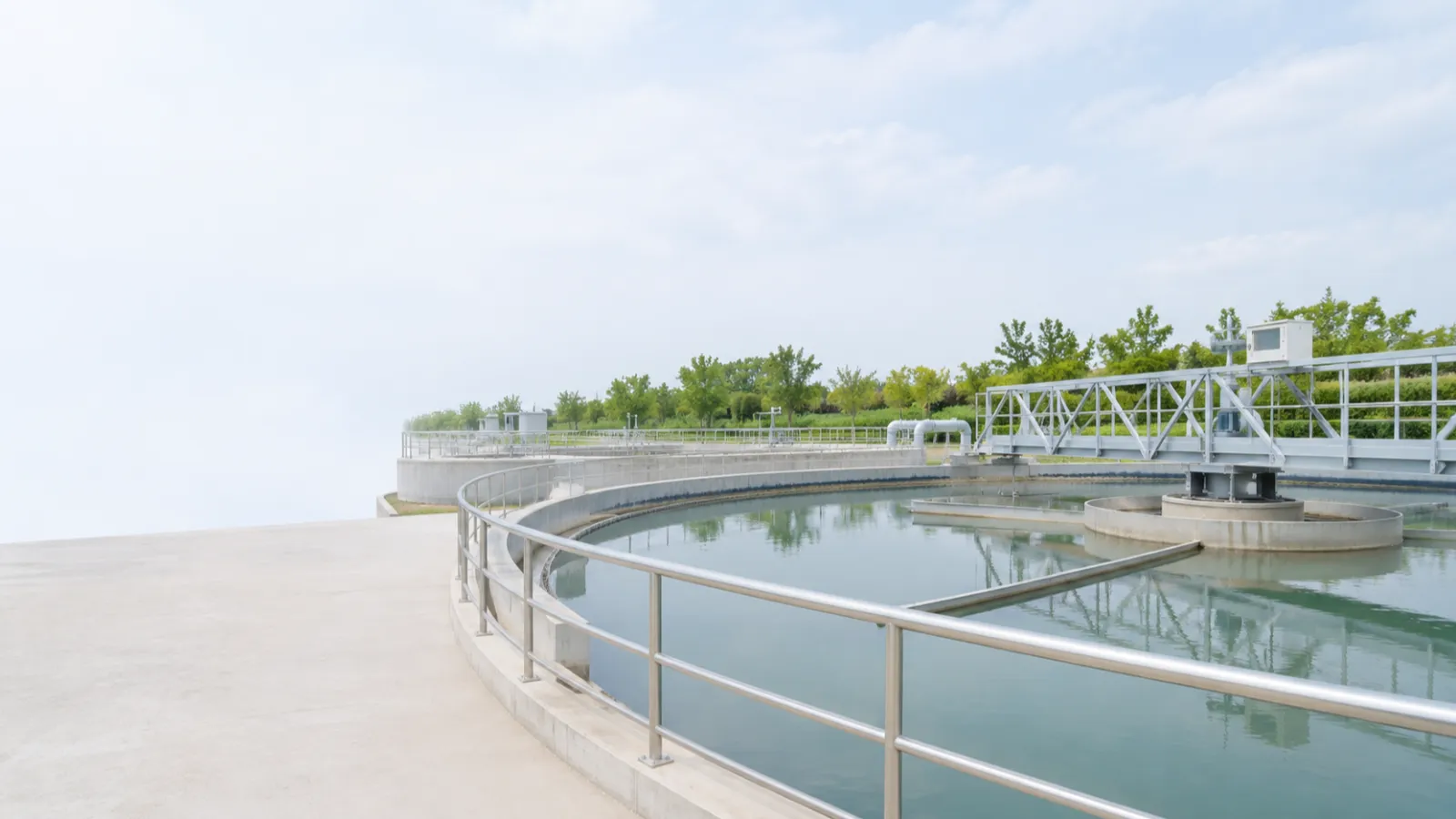
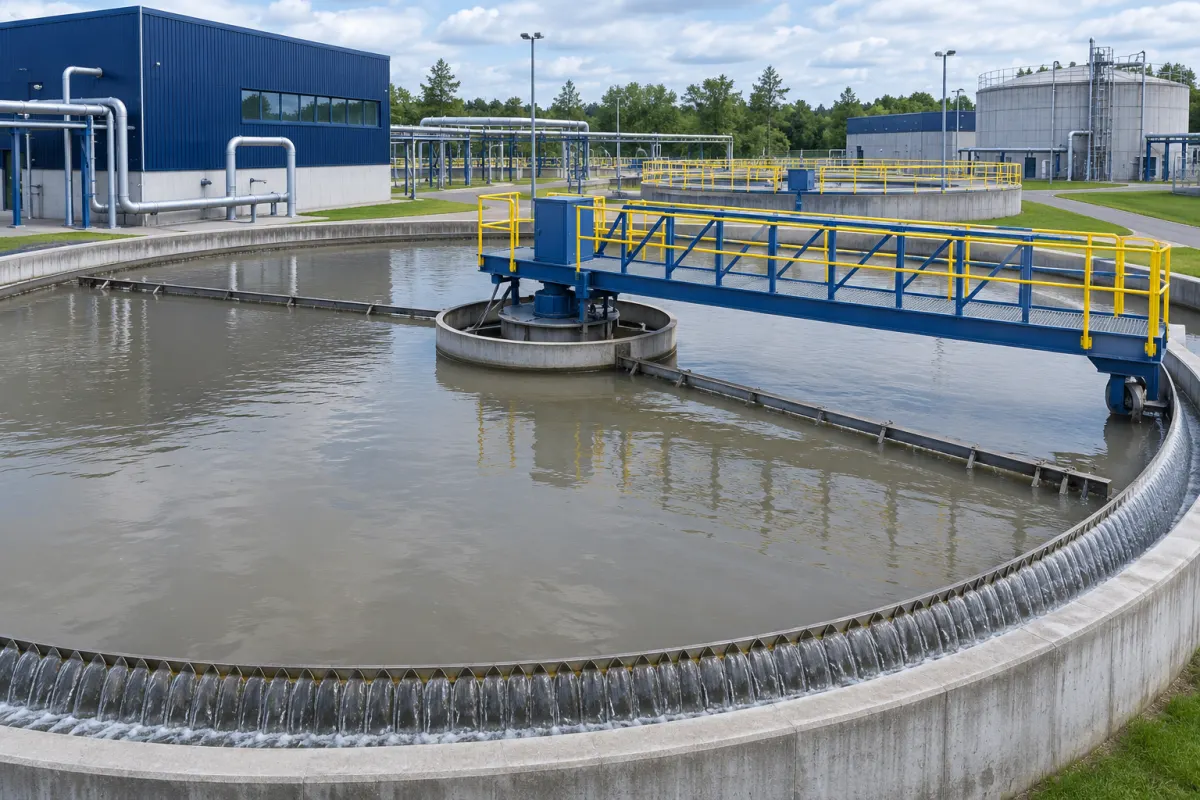
DAF tank
Without the right PAM charge, micro-flocs sink or carry under the DAF baffle.
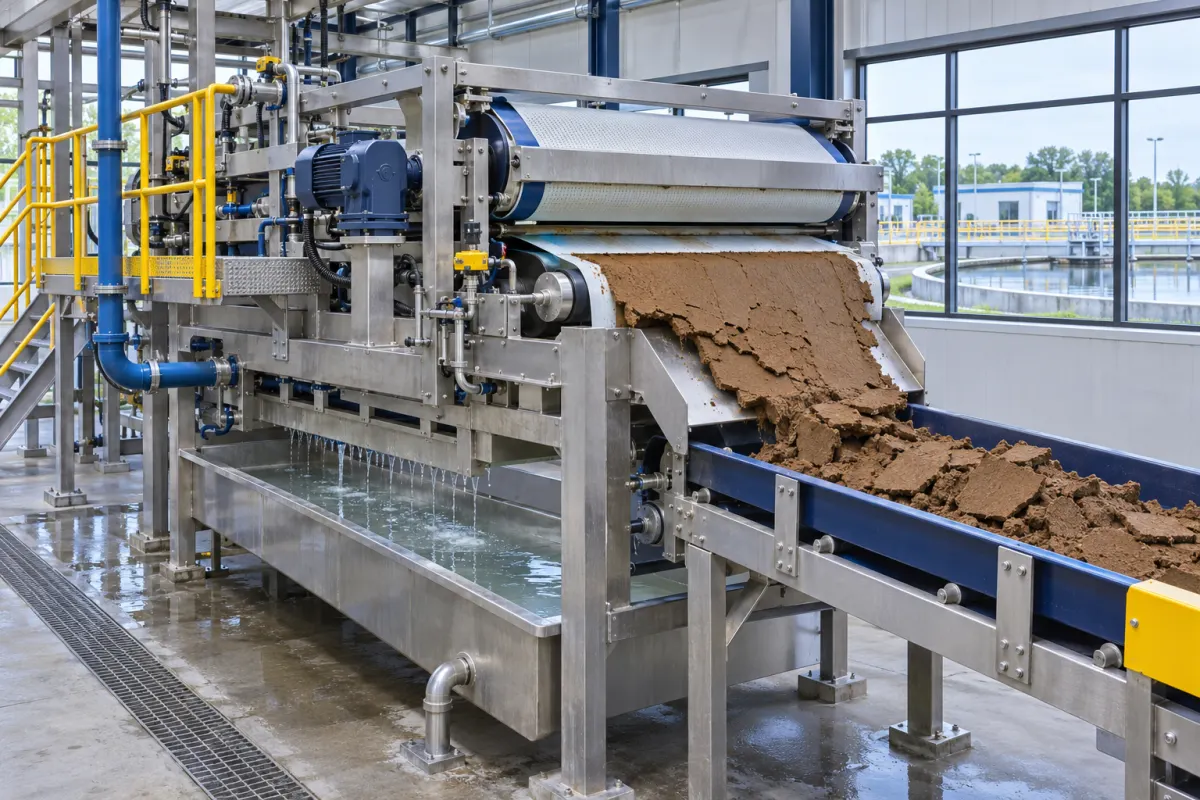
Sludge dewatering
DAF float and biological sludge blind belts and leave wet, odorous cake.
PAC destabilises fats and proteins in the pipe flocculator; cationic PAM builds buoyant DAF flocs and dewaters the sludge.
01
ProblemEmulsified fats, oils and proteins
What it doesBreaks fat emulsions and coagulates suspended proteins
Where to doseFirst injection point in DAF pipe flocculator
02
ProblemPin flocs fail to float cleanly
What it doesBridges fat-protein flocs so micro-bubbles lift them cleanly
Where to doseSecond injection point ahead of DAF tank
03
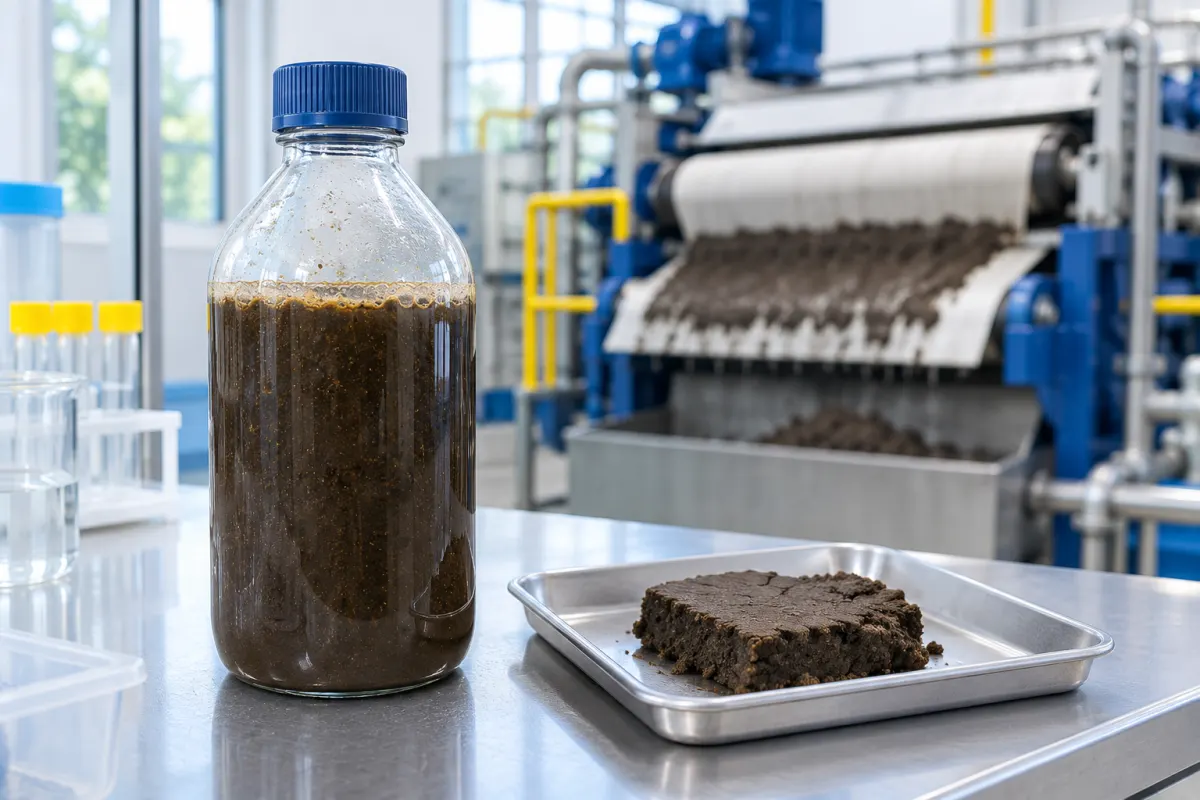
ProblemThin biological and DAF float sludge
What it doesConcentrates organic sludge before dewatering
Where to doseThickener feed line
04
ProblemWet, greasy sludge cake
What it doesReleases bound water for drier cake and clear filtrate
Where to doseAhead of screw press, belt press or centrifuge
Send 1 L of DAF feed water and 1 L of sludge; we test PAC + cationic PAM ratios side by side.
Breaks fat emulsions and precipitates proteins.
Builds buoyant flocs for thick DAF float.
Polishes residual TSS and phosphorus.
Dewaters DAF float and biological sludge.
Dairy, meat, seafood and livestock farms carry very different fat-to-protein ratios. We test on your sample.
01
Send effluent & sludge
1 L of DAF feed water and 1 L of press feed sludge.
02
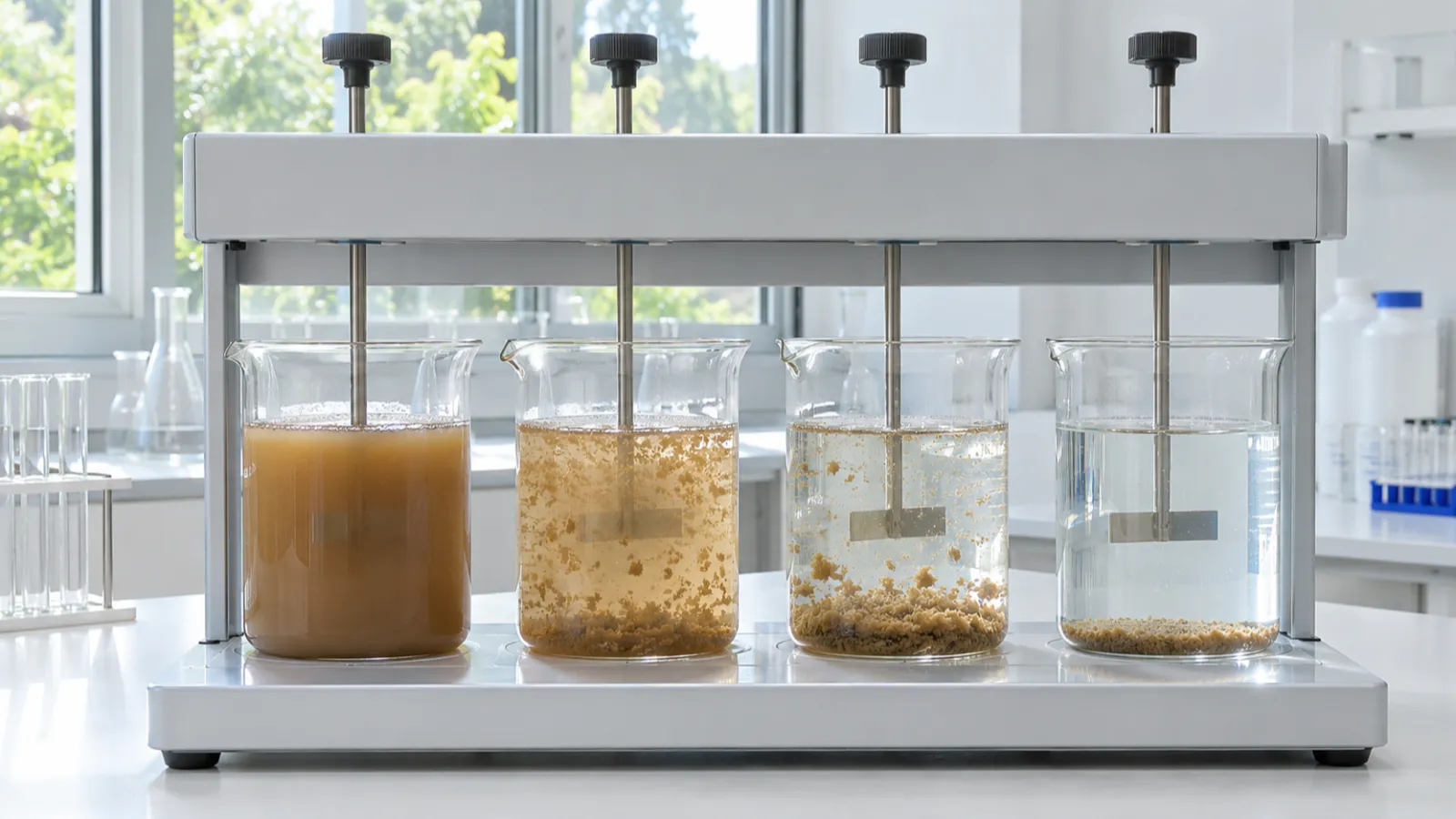
Side-by-side jar test
Compare PAC + cationic PAM ratios for clear subnatant and tight cake.
03
Written report
Recommended grades, ratio and starting dose.
04
Plant trial
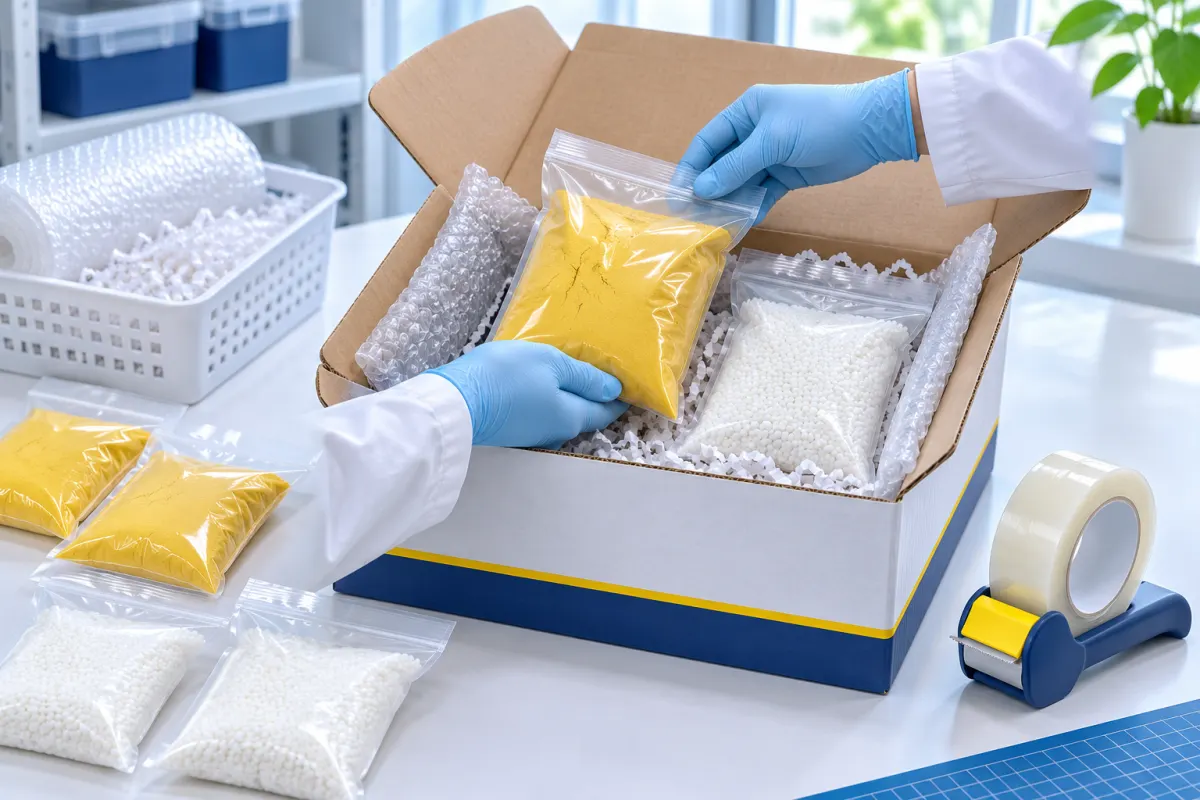
1 kg samples for confirmation on your own DAF and press.
Short answers on DAF chemistry, screw presses and shipping.
PAC breaks emulsified fats and proteins into fine micro-flocs; cationic PAM bridges them into larger flocs that air micro-bubbles can lift cleanly.
Medium to high charge cationic PAM is the usual choice for greasy biological and DAF sludge on screw presses, confirmed by a sludge jar test.
Yes — wastewater treatment is non-potable effluent, so industrial PAC made to GB/T 22627-2022 is the standard choice.
Keep bags sealed and dry; if powder spills, sweep it dry before rinsing with water.
Yes. Both ship in 25 kg bags or 1 t big bags inside one 20 ft container.
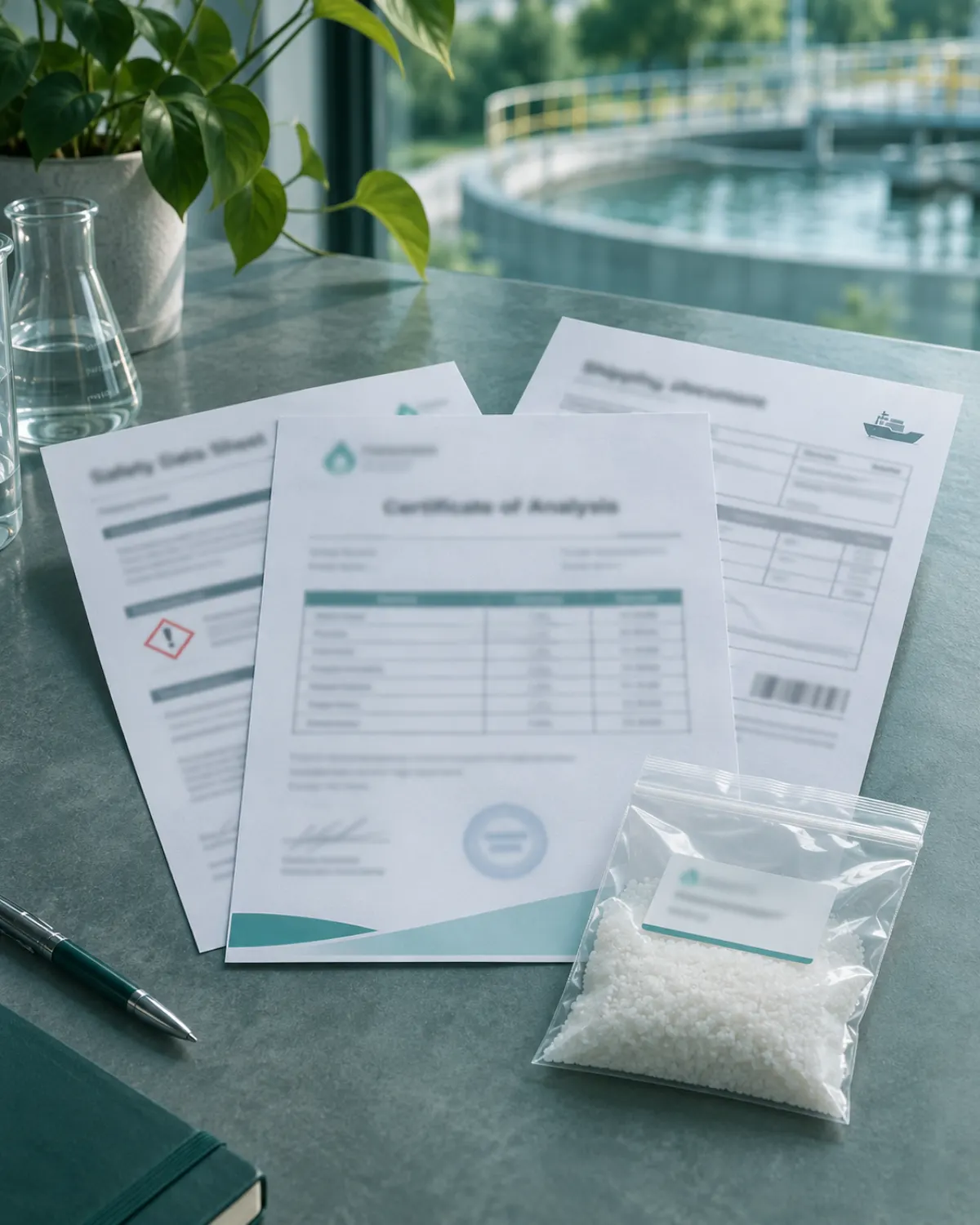
Batch COA, TDS, SDS and certificate of origin (plus Form E for ASEAN).
We send 1 kg samples of the recommended grades for a trial on your own equipment. Samples are free of charge; the buyer pays the courier.
A certificate of analysis (COA) for every batch, plus the TDS and SDS. A certificate of origin comes with every shipment, and Form E for ASEAN destinations.
Minimum order is 1 tonne per grade. We accept T/T (30% deposit, balance before shipment) and L/C at sight. Trial orders start at 1 tonne, so you start small and scale up once the grade is proven.
Tell us what you treat and what you use now. We reply within one working day and tell you where to send the sample.