Polyaluminium ChlorideIndustrial grade · 28% / 30% Al₂O₃
The coagulant for industrial water, wastewater and sludge. It neutralises the charge on fine particles so they clump into flocs that settle. Made to GB/T 22627-2022, with economy grades for wastewater work.
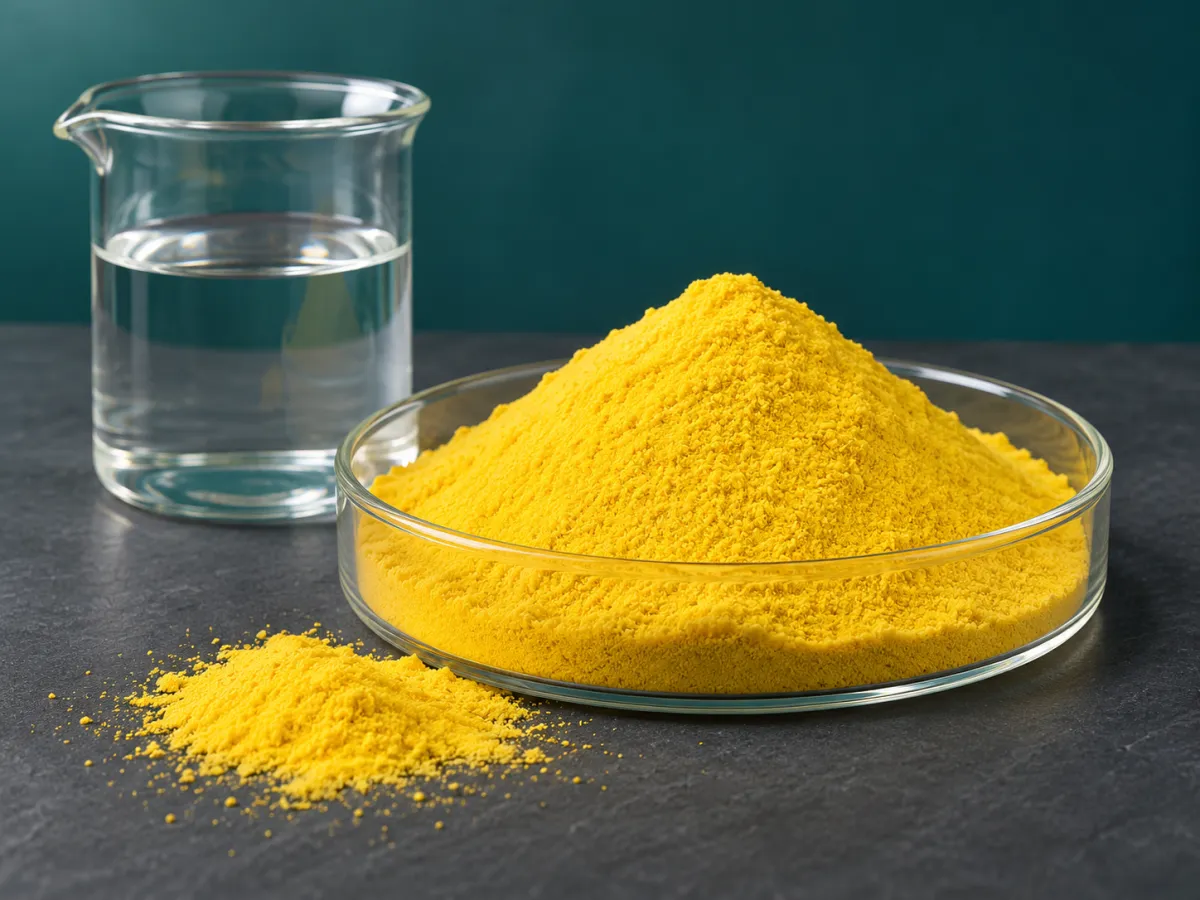
Choose by Al₂O₃ content
Higher Al₂O₃ means more active aluminium per kilogram, so the dose is usually lower. Which grade costs less per tonne of water treated depends on your water — a jar test compares them.
| Grade | Al₂O₃ | Appearance | Standard | Typical use |
|---|---|---|---|---|
| PAC 30% | 30% | Yellow to brown powder | GB/T 22627-2022 | Industrial and municipal wastewater, dyeing, sludge |
| PAC 28% | 28% | Yellow to brown powder | GB/T 22627-2022 | Industrial and municipal wastewater, sludge |
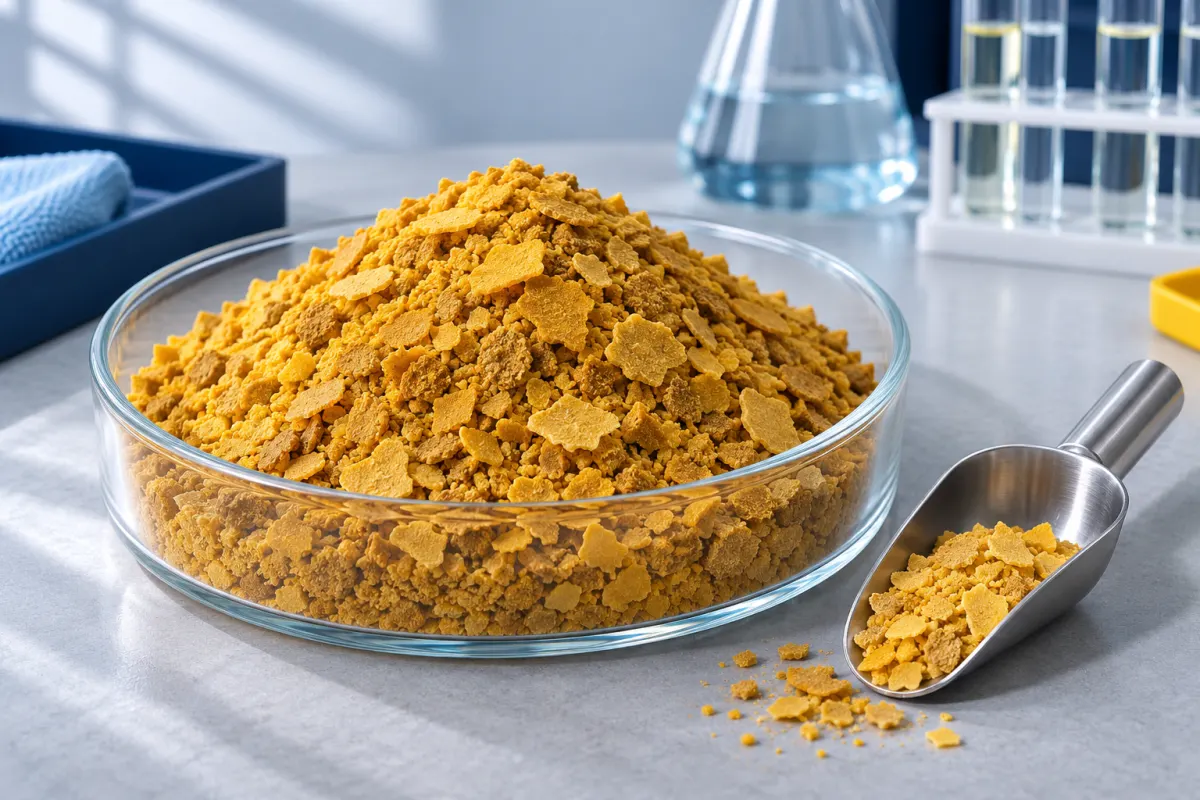
| Economy grades | 20% / 24% / 26% | Brown or yellow powder or granules | Values on TDS and COA | Wastewater, sludge and sand-washing water |
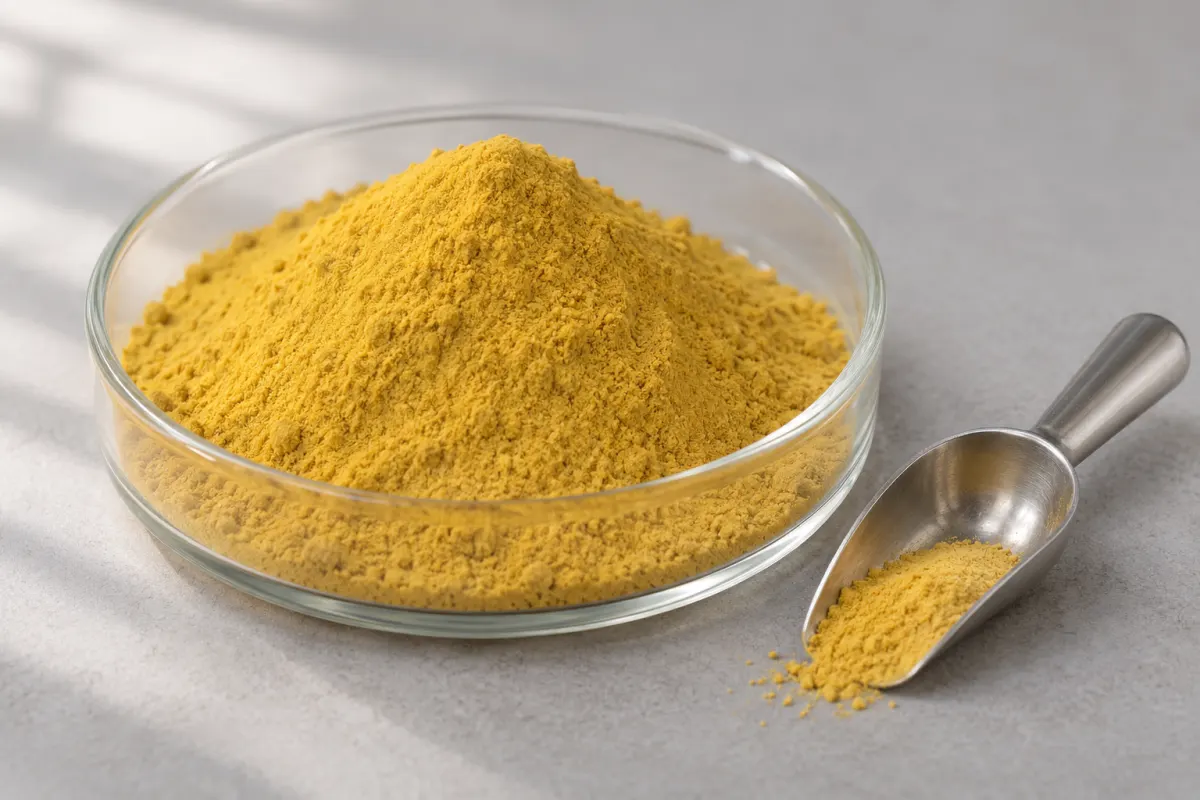
Typical specification
Values for the 28% and 30% grades, as set by GB/T 22627-2022. Economy grades are specified on their own TDS and on every batch COA.
| Item | Value |
|---|---|
| Appearance | Yellow to brown powder |
| Al₂O₃ (solid) | 28% or 30% grade — actual value on the batch COA |
| Basicity | 30–95% (standard range) — actual value on the batch COA |
| pH (10 g/L solution) | 3.5–5.0 |
| Water-insoluble matter | Per COA |
| Heavy metals (As, Pb, Cd, Hg, Cr) | Within GB/T 22627-2022 limits — per COA |
| Standard | GB/T 22627-2022 |
Where industrial PAC goes to work
PAC is usually the first chemical in the line: it coagulates the fine solids, then a PAM flocculant builds them into large flocs.
Municipal sewage & sludge
Primary and secondary clarification, then sludge thickening and dewatering.
Textile dyeing
Removing colour, COD and suspended solids from dyeing and printing effluent.
Mining & tailings
Thickener feed, tailings ponds and process-water recycling.
Steel, metallurgy & coking
Scale pits, rolling-mill water and coking wastewater with oil and iron fines.
Food, slaughter & livestock
Fats, proteins and organic sludge, often treated by dissolved-air flotation.
Not on the list?
Send a litre of your water. We test it with PAC and PAM side by side and tell you which grade works, in writing.
Free jar test →PAC first, PAM second. For organic sludge pair it with cationic PAM; for mineral solids, with anionic PAM. Both ship in the same container.
Four things to get right
These basics apply to every grade; the TDS gives the details.
 01
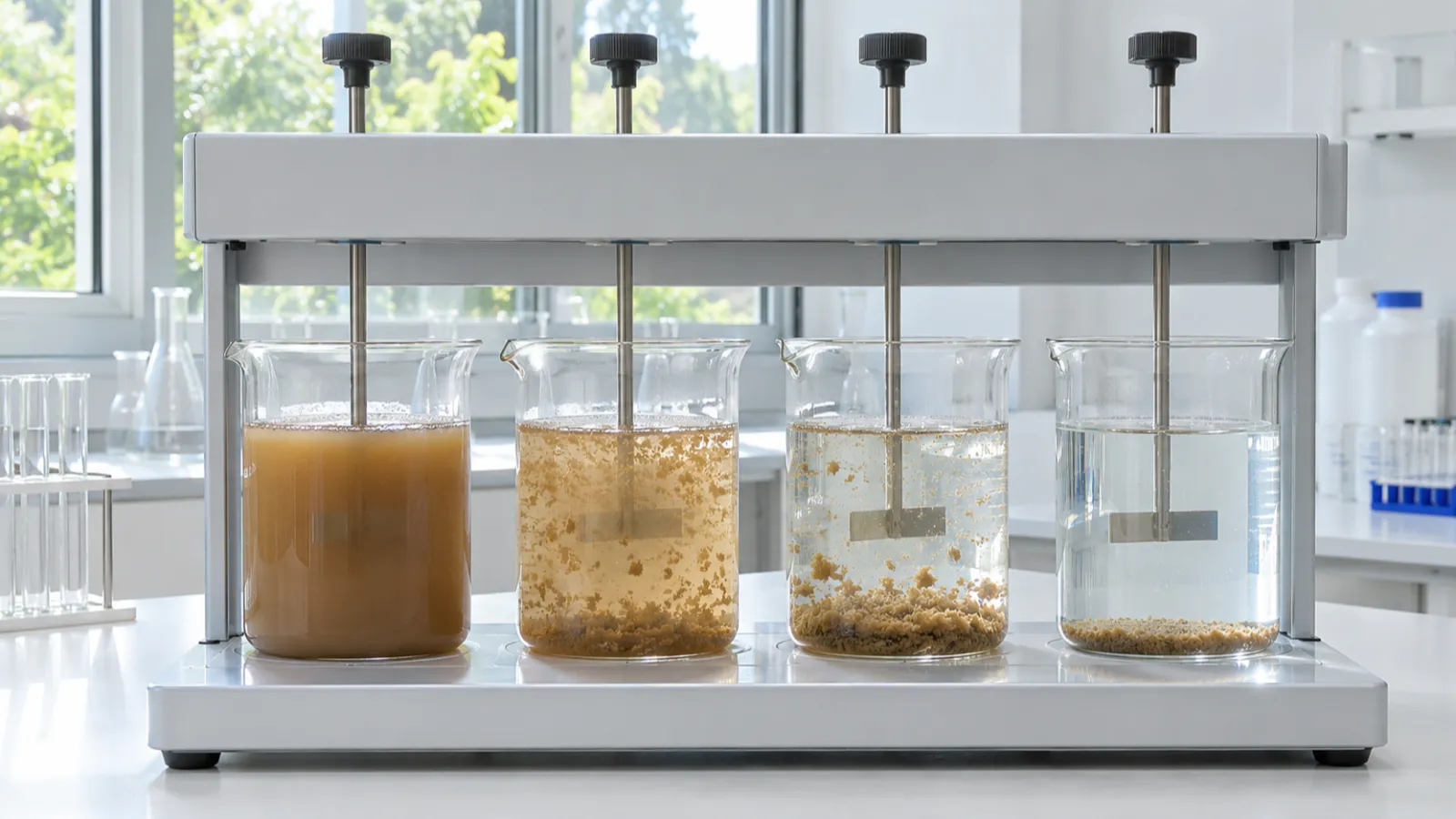
Start with a jar test
Turbidity, pH and solids decide the dose. Send us 1 litre of your water and we report the grade and a starting dose in writing.
 02
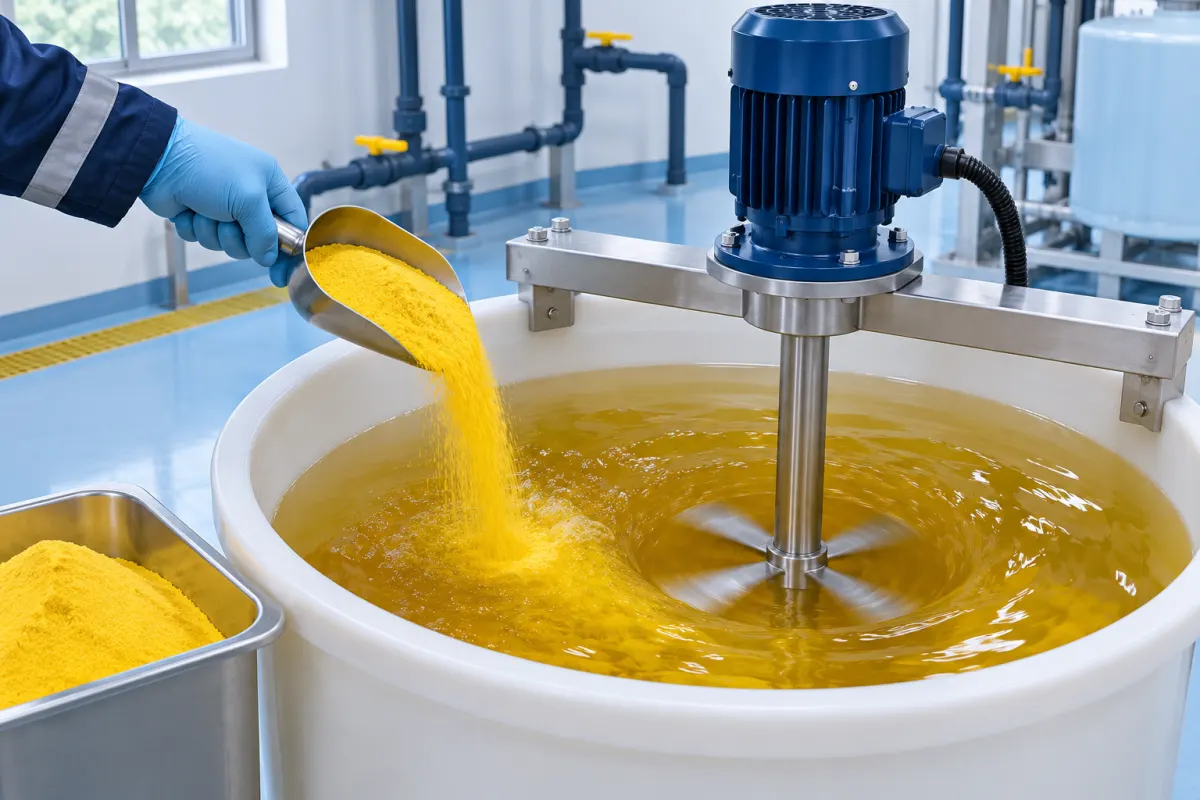
Dissolve before dosing
Dissolve the powder in clean water to make a working solution. The TDS gives the recommended strength for each grade.
 03
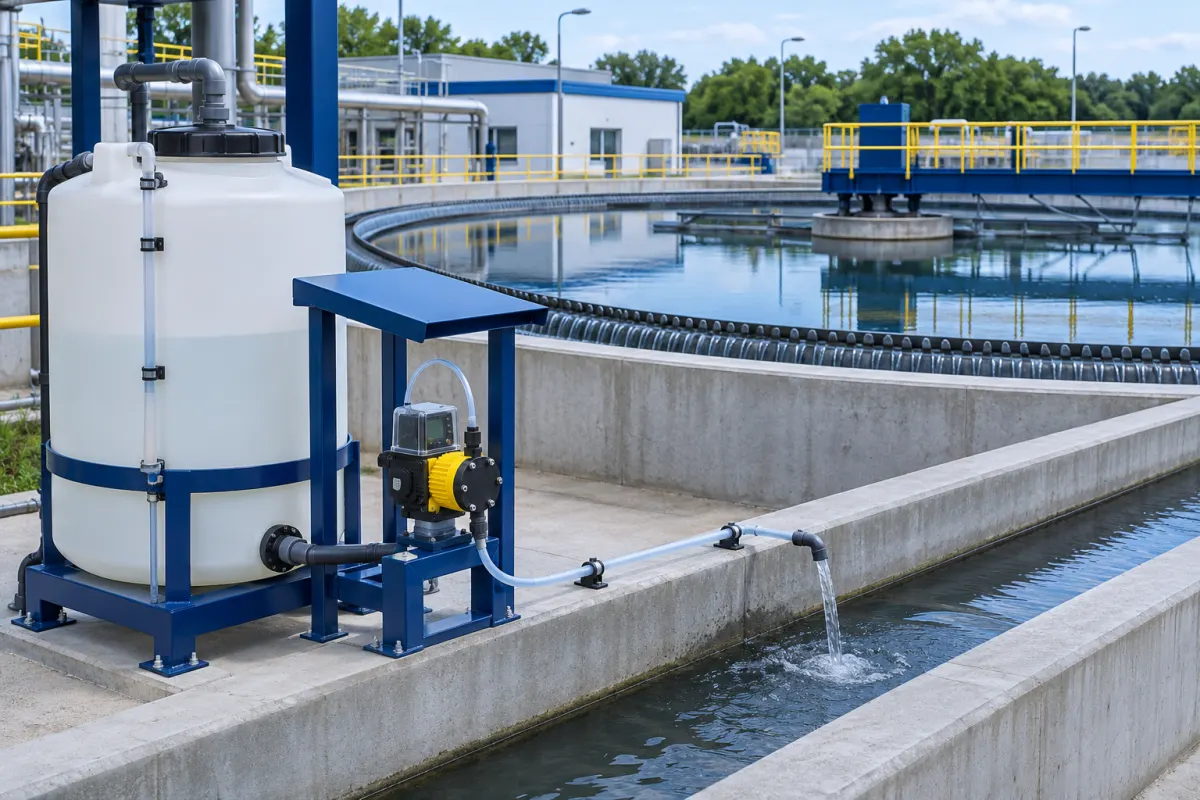
PAC first, PAM second
Add PAC where mixing is fast so it spreads evenly, then add PAM where mixing is gentle so the flocs can grow.
 04
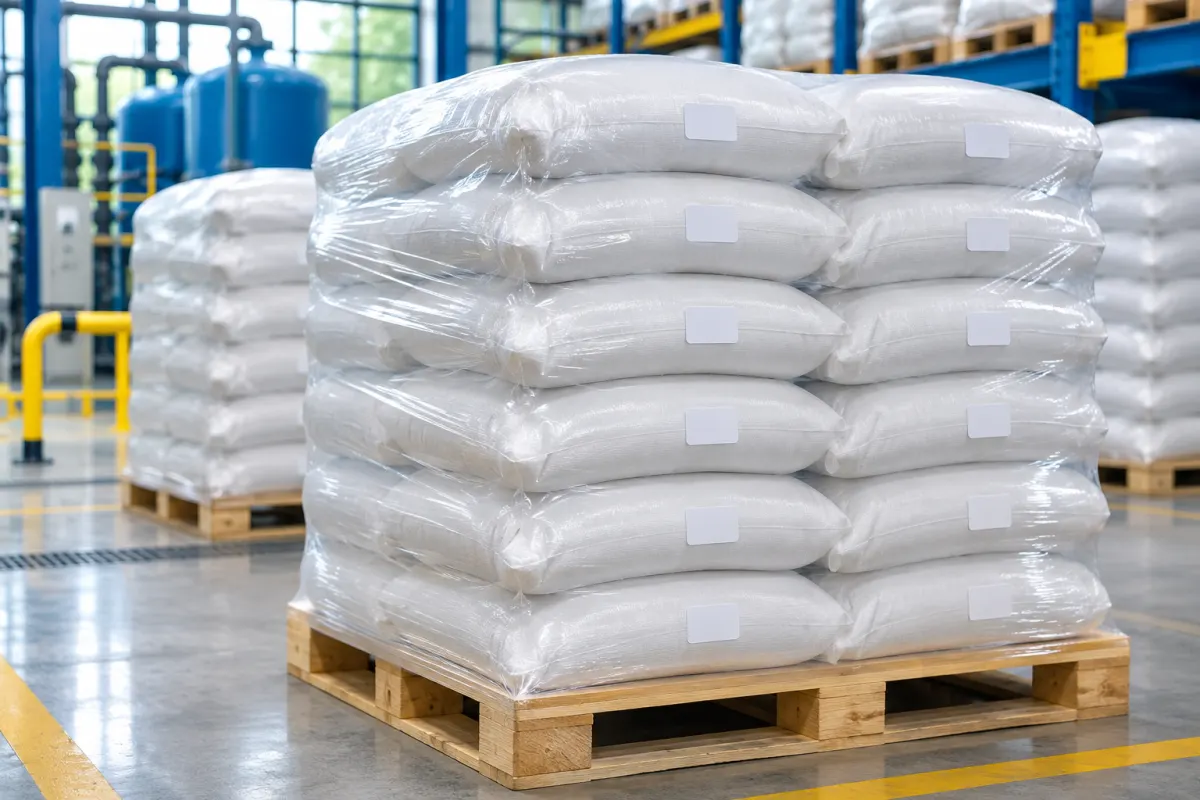
Store dry, handle with care
PAC takes up moisture from the air: keep bags sealed, dry and off the floor. The solution is acidic — wear gloves and eye protection, as set out in the SDS.
Packed to ship, labelled to trace
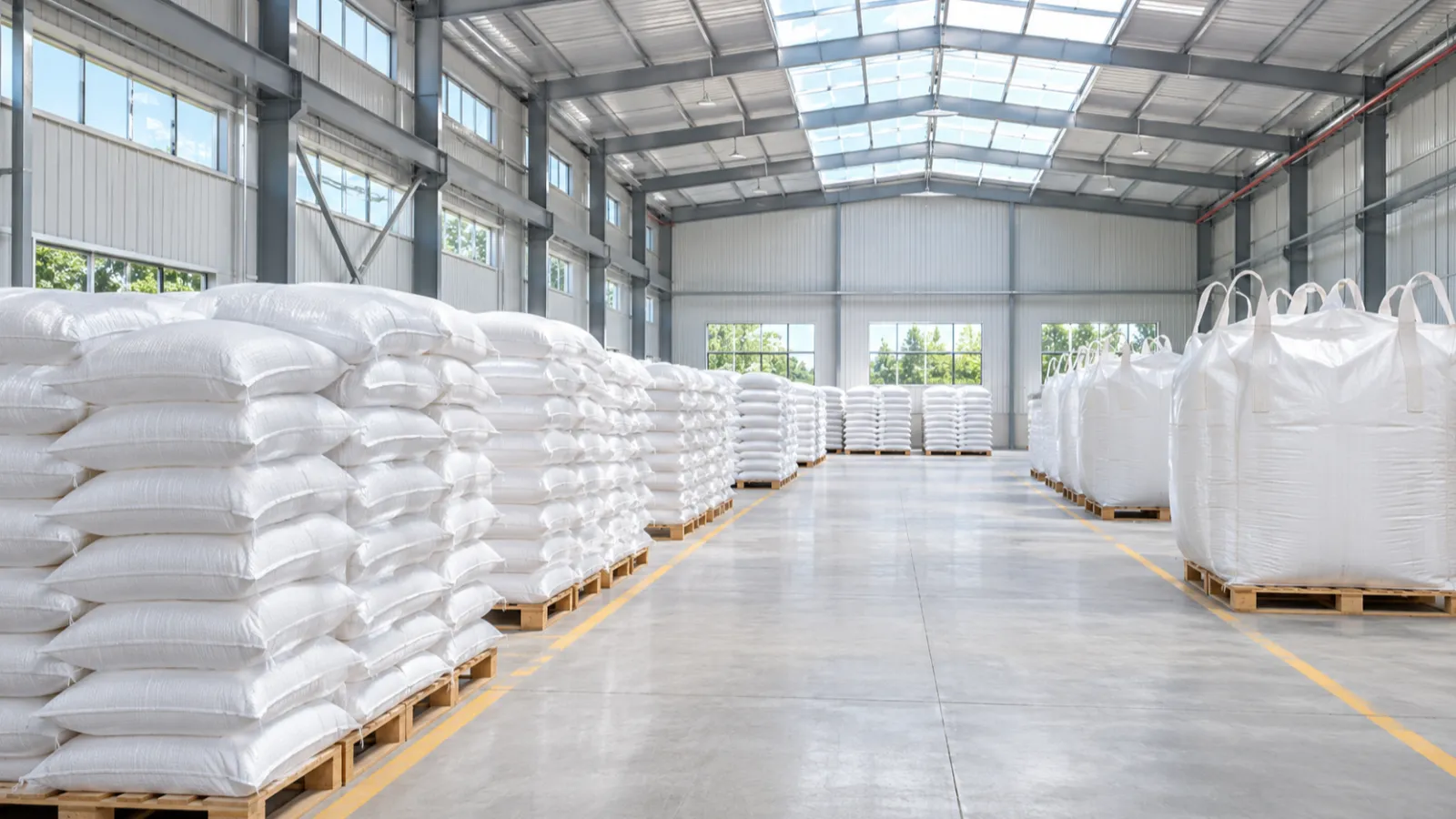
PAC and PAM ship in one container, so you can trial both and order once.
Every batch, on paper.
Ask for the TDS and SDS before you order. The COA travels with every shipment.
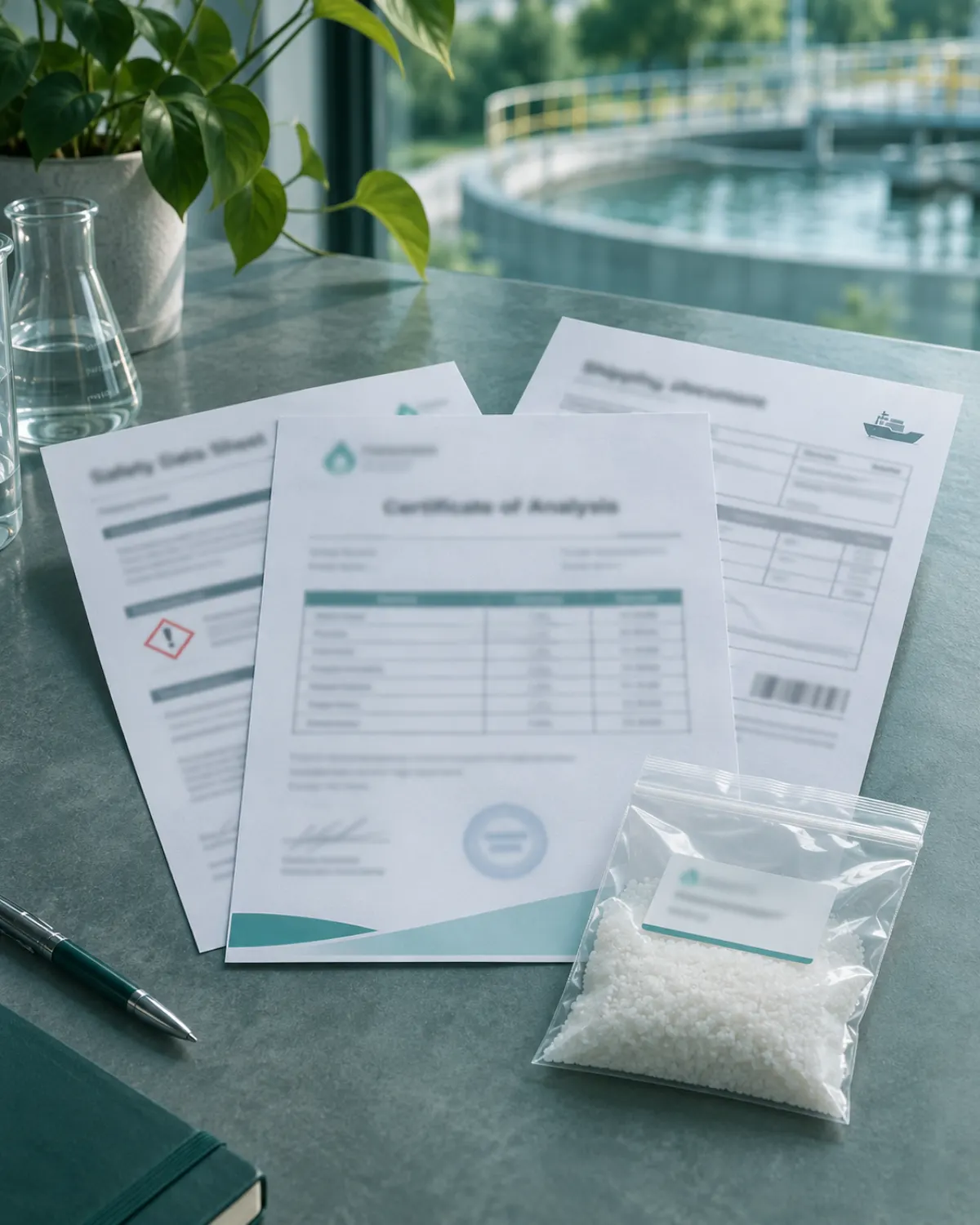
Certificate of analysis
Every batchMeasured values for the batch, matched to the batch number on the bag.
Request COA →Technical data sheet
Before you orderGrade specification, recommended solution strength, storage and shelf life.
Request TDS →Safety data sheet
Before you orderHazards, handling, storage and transport information.
Request SDS →Certificate of origin · Form E
Every shipment · Form E for ASEANCertificate of origin with every shipment; Form E for ASEAN destinations, for preferential duty.
Request C/O →
Questions buyers ask about industrial PAC.
Short answers on grades, documents and shipping. Anything else, ask us directly.
Replies within one working day
28% or 30% — which should I buy?
30% PAC has more aluminium per kilogram, so you usually dose less of it. 28% costs less per tonne. Which is cheaper per tonne of water treated depends on your water; a jar test compares the two side by side.
Can industrial PAC be used for drinking water?
No. For potable water use drinking-water PAC, made to GB 15892-2020, which sets stricter limits on heavy metals and other impurities.
How are the economy grades specified?
The 20%, 24% and 26% grades are made for wastewater, sludge and sand-washing water. Their values are stated on the TDS and on every batch COA, and the jar test shows whether an economy grade does the job on your water.
Do I also need PAM?
Often, yes. PAC forms small flocs; PAM bridges them into large, fast-settling ones. Cationic PAM suits organic sludge and anionic PAM suits mineral solids. The jar test tells you whether you need both and in what ratio.
How is it packed and shipped?
In 25 kg bags or 1 t big bags. A 20 ft container typically holds about 20–25 t of PAC, depending on the grade and whether pallets are used. Lead time is 7–15 days from order confirmation, shipping from Qingdao, Tianjin or Shanghai.
What documents come with each shipment?
A COA for every batch, plus the TDS and SDS. A certificate of origin comes with every shipment, and Form E for ASEAN destinations.
How should PAC be stored?
PAC takes up moisture from the air. Keep bags sealed, dry, off the floor and out of the rain. The solution is acidic, so wear gloves and eye protection when handling it. Shelf life is stated on the TDS for each grade.
Are samples free?
We send 1 kg samples of the recommended grades for a trial on your own equipment. Samples are free of charge; the buyer pays the courier.
What is the minimum order and what payment terms do you accept?
Minimum order is 1 tonne per grade. We accept T/T (30% deposit, balance before shipment) and L/C at sight. Trial orders start at 1 tonne, so you start small and scale up once the grade is proven.
Get a price for PAC.
Tell us the grade, monthly volume and destination port. We reply within one working day with a price.
For a quote in one reply, include
- Grade (28%, 30% or economy)
- Monthly volume
- Destination port