Anionic PolyacrylamideAPAM · low / medium / high MW · GB/T 17514-2017
Long-chain negatively charged flocculant for fast settling of heavy mineral solids. Built for sand and coal washing, mining thickeners, steel mill scale pits and piling mud in neutral or alkaline water.
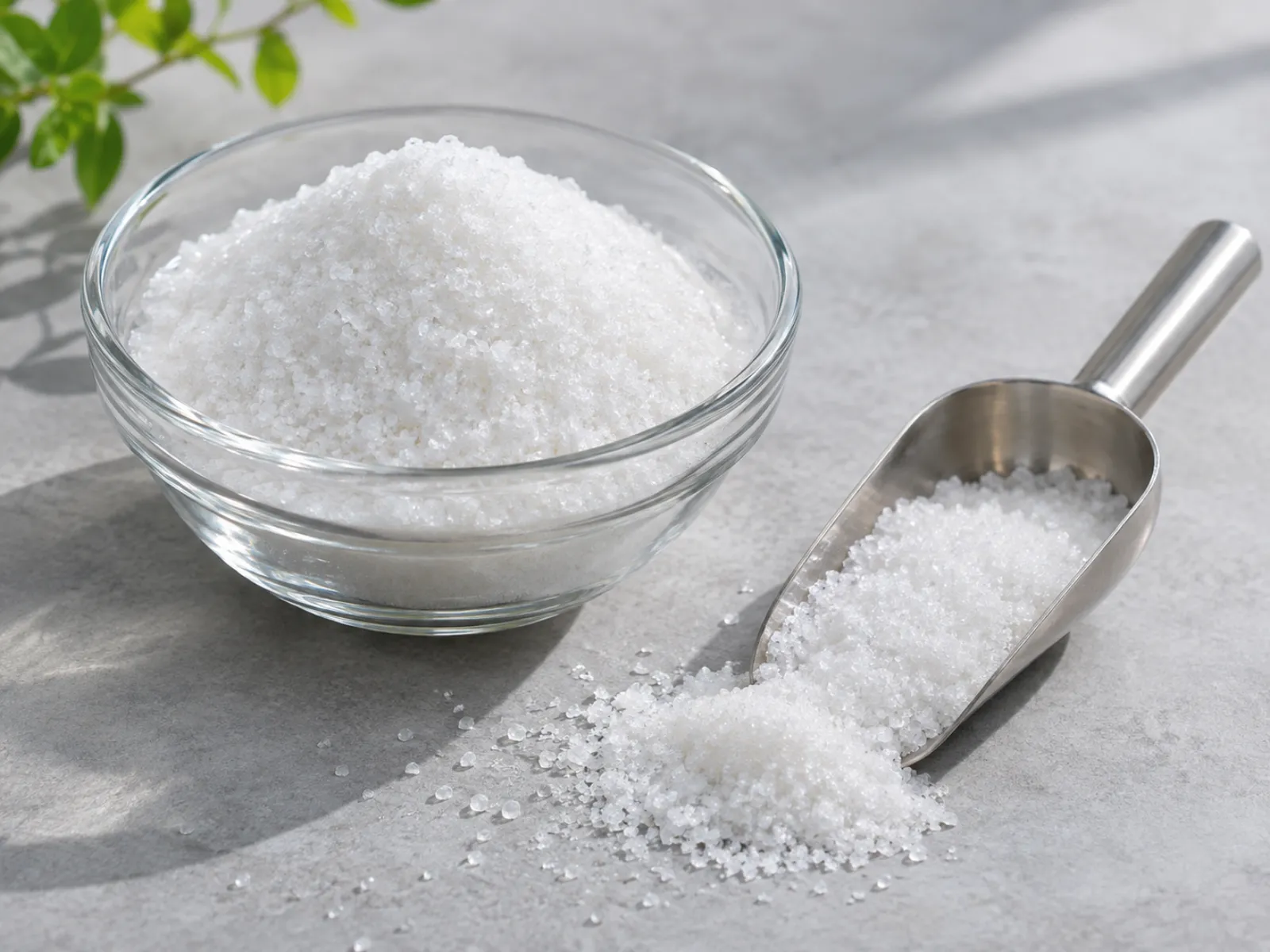
Choose by molecular weight and solids load
Longer polymer chains bridge heavy mineral particles faster, while lower-MW grades give tighter supernatant clarity in finer suspensions. A jar test sets the exact MW and anionicity.
| Grade | MW & Anionicity | Appearance | Standard | Typical use |
|---|---|---|---|---|
| Low–medium MW APAM | Low–medium MW · low–medium charge | White granules or powder | GB/T 17514-2017 | Industrial wastewater clarification after PAC, fine mineral suspensions |
| High MW APAM | High MW · medium charge | White granules or powder | GB/T 17514-2017 | Sand & coal washing, mining thickeners, tailings ponds, steel rolling water |
| Ultra-high MW APAM | Very high MW · tuned charge | White granules or powder | GB/T 17514-2017 | High-solids piling & tunnel mud, heavy ore tailings rapid settling |
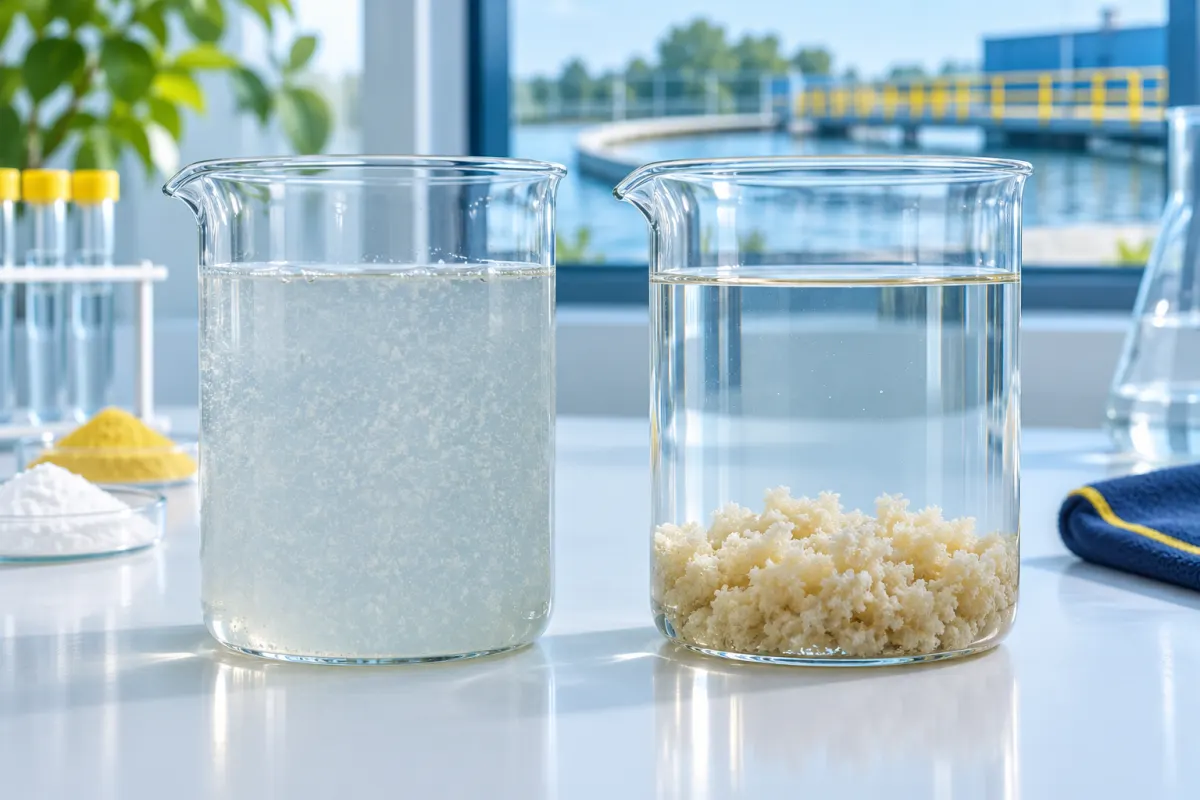
Typical specification
Made to GB/T 17514-2017. Exact molecular weight and anionicity are confirmed on every batch COA.
| Item | Value |
|---|---|
| Appearance | White granules or powder |
| Solid content | ≥ 88.0% |
| Residual acrylamide monomer (dry) | ≤ 0.05% |
| Dissolution time | ≤ 90 min |
| Water-insoluble matter | Per COA |
| Molecular weight & anionicity | Low / medium / high — actual values on batch COA |
| Standard | GB/T 17514-2017 |
Where anionic PAM goes to work
Designed for inorganic mineral slurries where rapid settling and water reuse matter most.
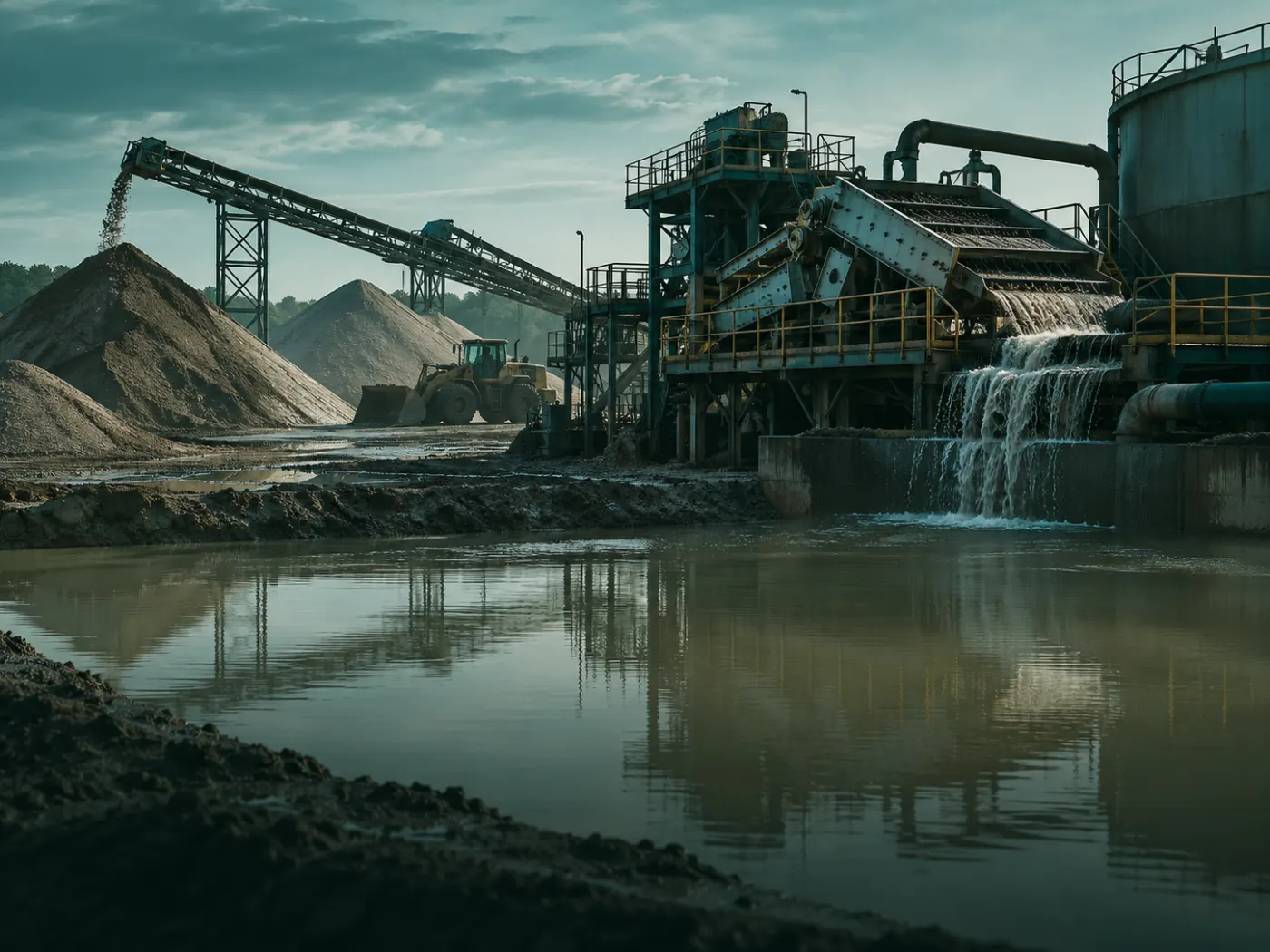
Sand & coal washing
Rapid thickener settling and filter-press dewatering of clay and coal fines.
Mining & tailings
High-rate thickeners, tailings consolidation and process-water recovery.
Steel, metallurgy & coking
Scale pits, rolling-mill water and gas-scrubbing slurry with iron fines.
Piling & industrial wastewater
Coagulant-flocculant clarification of high-solids industrial effluent.
Not on the list?
Send a litre of your water. We test it with PAC and PAM side by side and tell you which grade works, in writing.
Free jar test →Coarse mineral slurries often settle with anionic PAM alone. When fine clay stays hazy above the settled solids, add industrial PAC first to coagulate the haze.
Four things to get right
Simple make-down habits prevent wasted polymer and plugged lines.
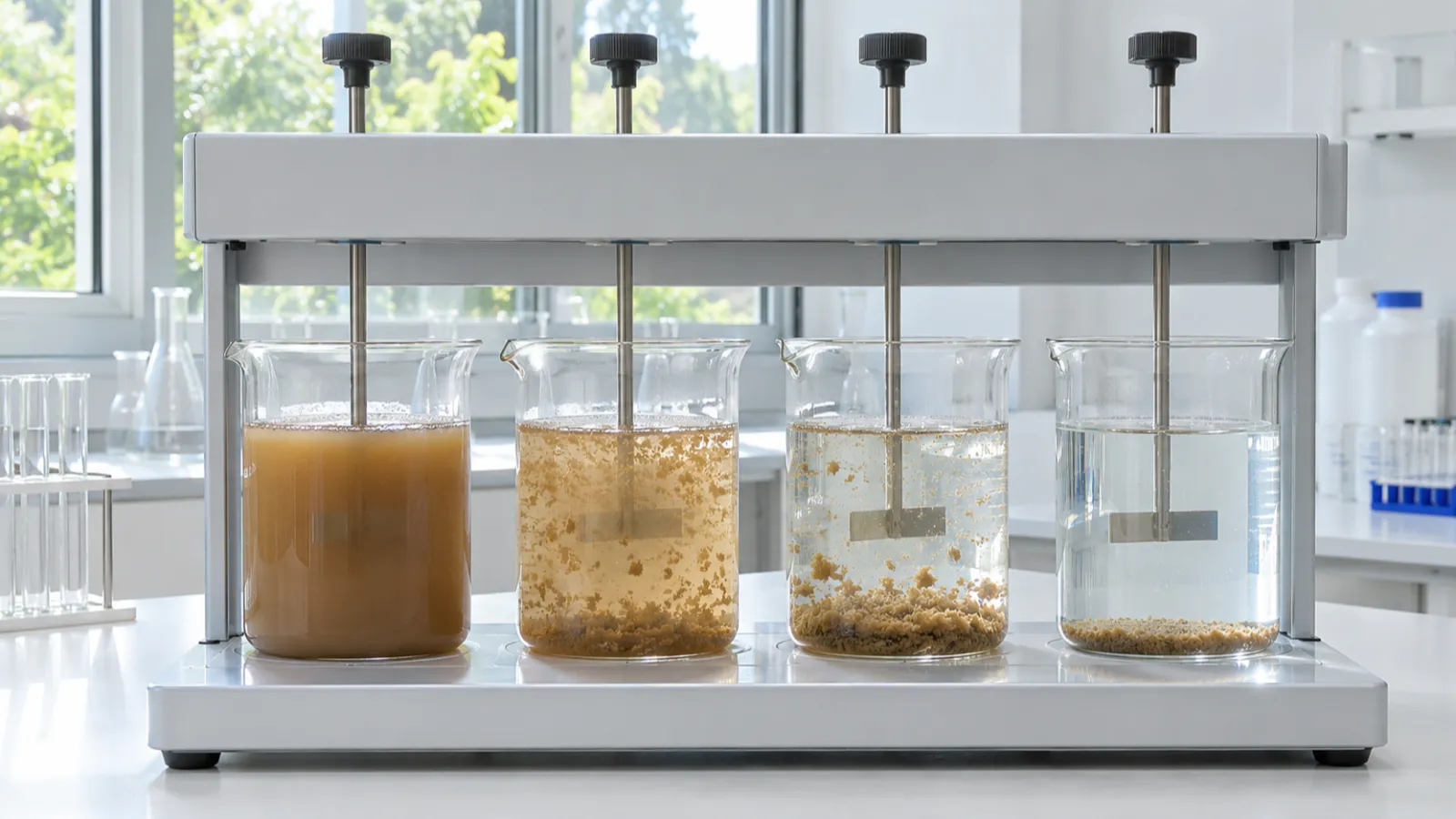 01
Check settling speed & clarity
Send 1 L of your slurry. We compare MW grades for both settling rate and overflow clarity.
 02
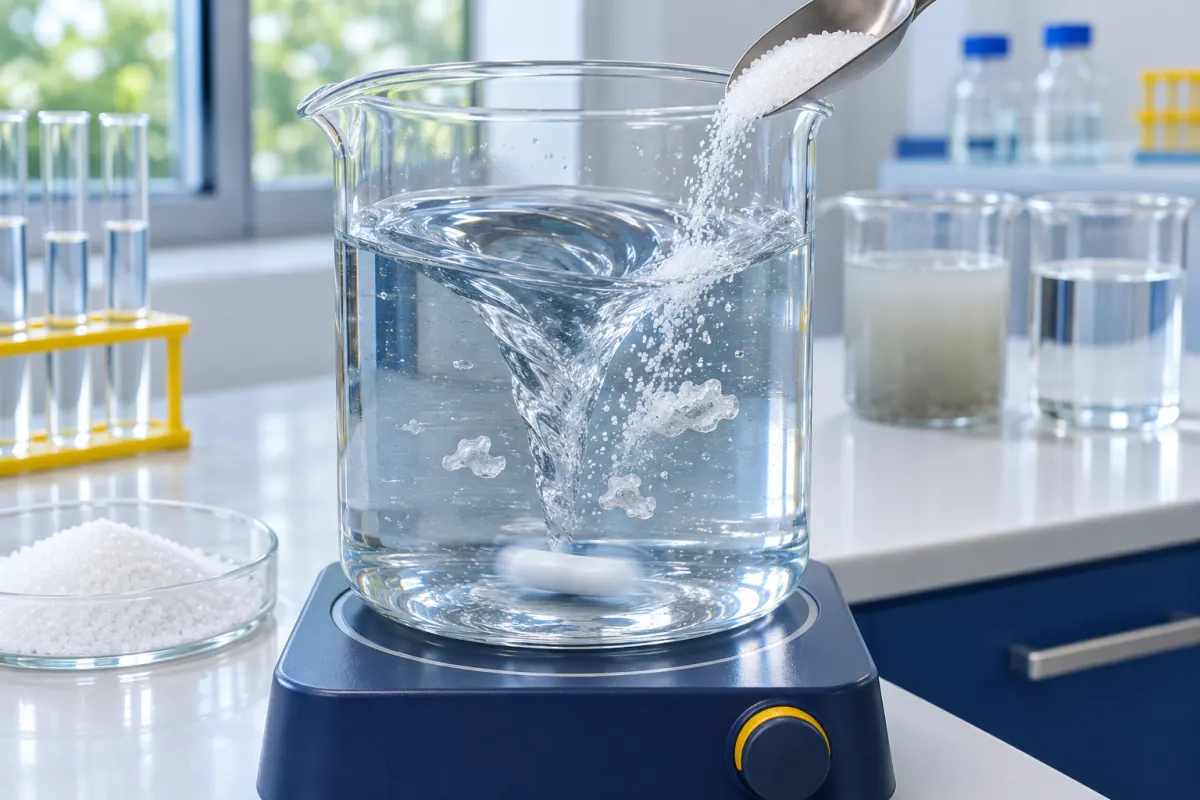
Make a 0.1–0.2% solution
High-MW anionic PAM is viscous — keep solution strength around 0.1–0.2% in clean water and stir gently until clear.
03
Dilute at the feedwell
In thickeners, secondary in-line dilution spreads the polymer evenly through high-solids slurry for faster settling.
 04
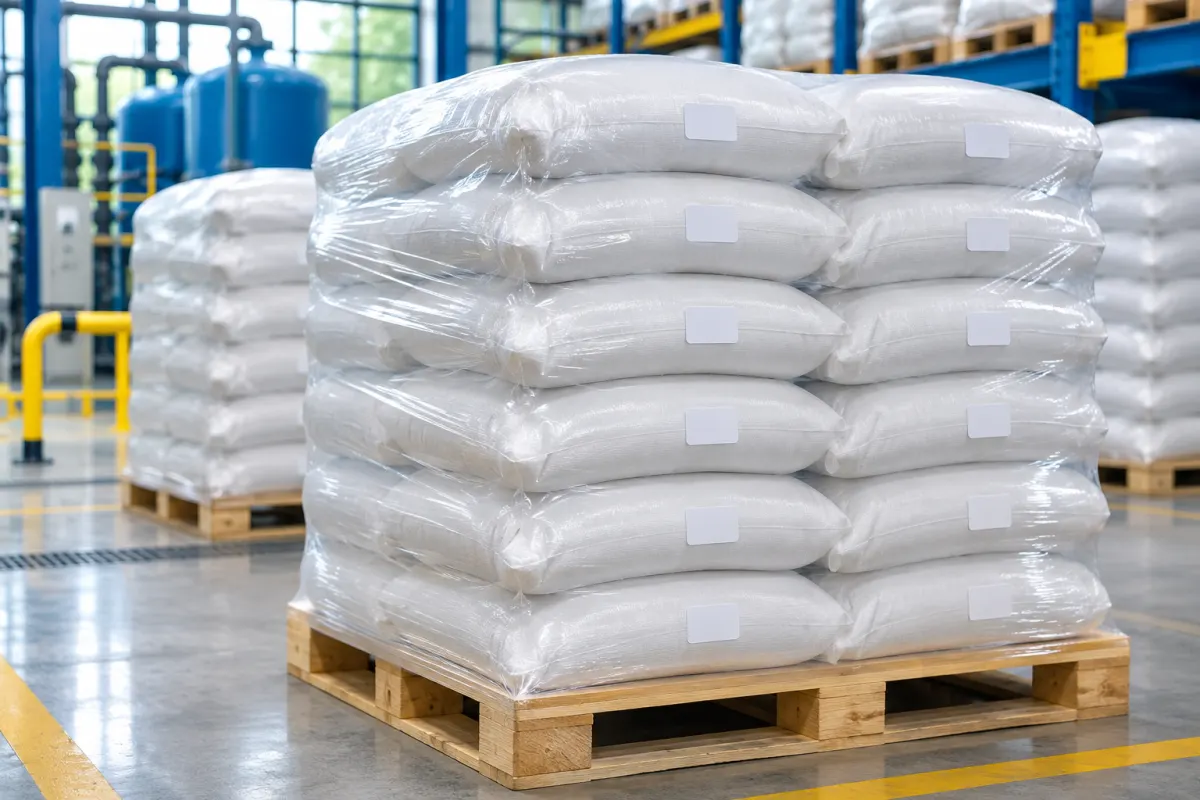
Keep bags sealed and dry
Store off the floor away from rain and sun. Spilled wet PAM is very slippery — sweep dry powder before washing.
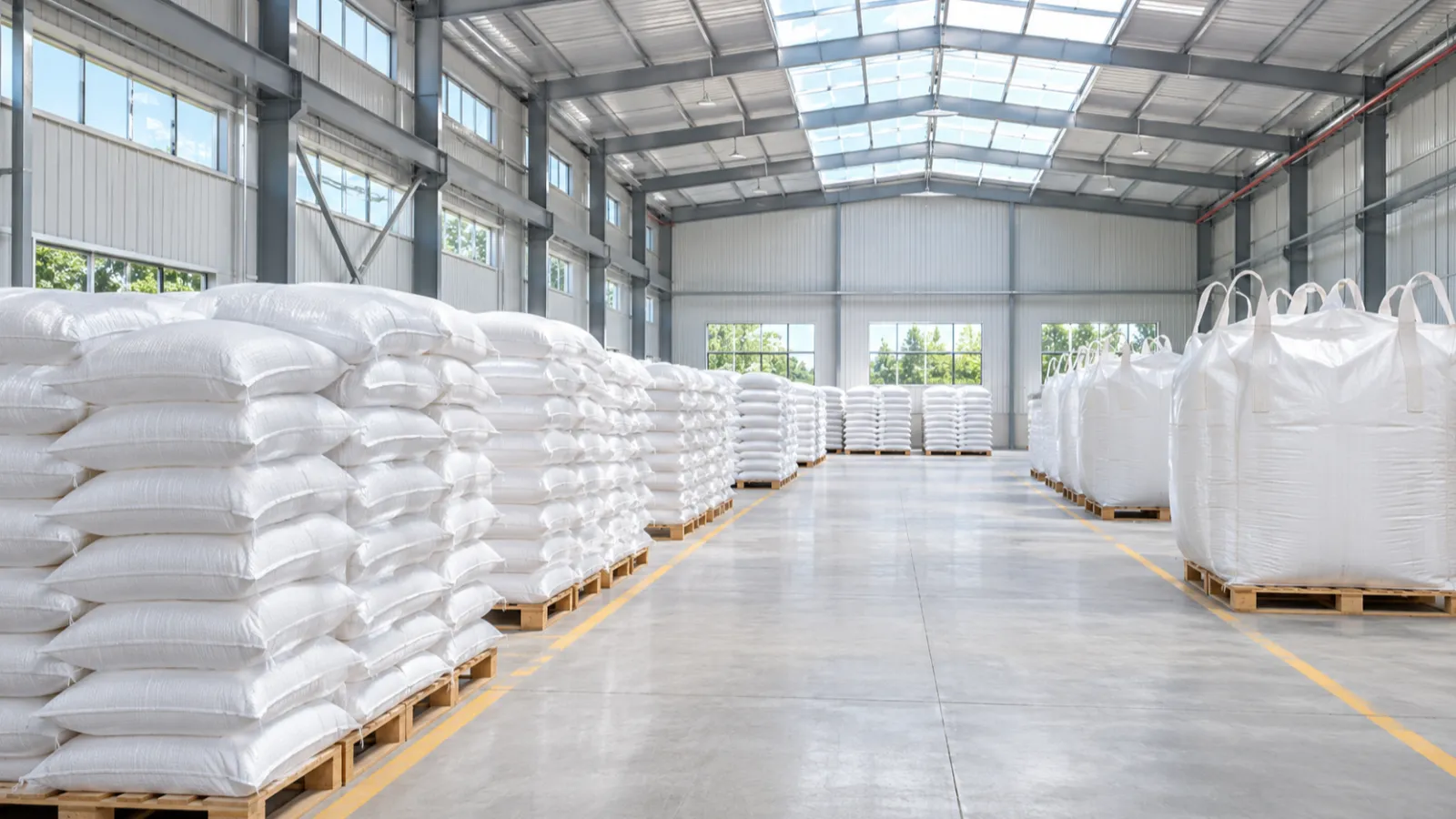
Packed for export, mixed with PAC
25 kg bags or 1 t big bags, shipped alone or combined with PAC in one container.
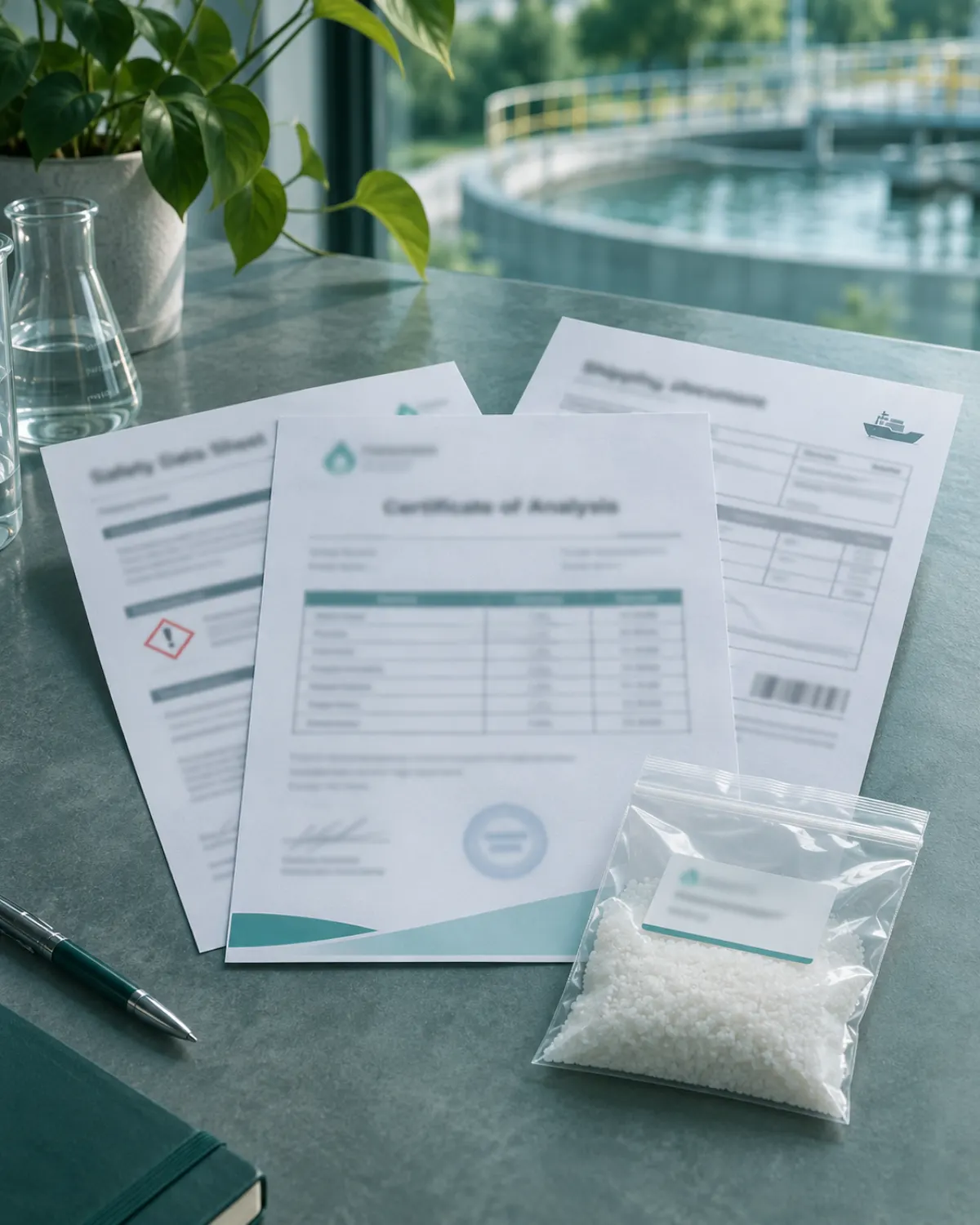
Every batch, on paper.
Ask for the TDS and SDS before you order. The COA travels with every shipment.
Certificate of analysis
Every batchMeasured values for the batch, matched to the batch number on the bag.
Request COA →Technical data sheet
Before you orderGrade specification, recommended solution strength, storage and shelf life.
Request TDS →Safety data sheet
Before you orderHazards, handling, storage and transport information.
Request SDS →Certificate of origin · Form E
Every shipment · Form E for ASEANCertificate of origin with every shipment; Form E for ASEAN destinations, for preferential duty.
Request C/O →
Questions buyers ask about anionic PAM.
Short answers on molecular weight, fine clay and shipping.
Replies within one working day
Why does my wash water stay cloudy even though the sand settles fast?
Anionic PAM bridges heavy particles quickly, but negatively charged fine clay colloids can stay suspended. Adding a small dose of industrial PAC ahead of anionic PAM usually clears the haze.
Is higher molecular weight always better?
Not always. Very high MW settles heavy solids fast, but takes longer to dissolve and can trap water in fine sludges. A jar test finds the best balance for your thickener or filter press.
What pH range does anionic PAM work in?
Anionic PAM performs best in neutral to alkaline water. For strongly acidic wastewater, nonionic PAM is usually the better starting point.
How should anionic PAM be dissolved?
Add the powder slowly into clean water under gentle stirring to make a 0.1–0.3% solution, avoiding lumps (“fish eyes”). Allow 60–90 minutes for full dissolution.
How is it packed and how much fits in a 20 ft container?
In 25 kg bags or 1 t big bags. A 20 ft container typically holds 16–20 t depending on grade and palletisation. Lead time is 7–15 days from Qingdao, Tianjin or Shanghai.
Can I order PAC and anionic PAM in one shipment?
Yes. Many sand-washing and mining buyers load both in the same 20 ft container with separate COAs for each batch.
Are samples free?
We send 1 kg samples of the recommended grades for a trial on your own equipment. Samples are free of charge; the buyer pays the courier.
What is the minimum order and what payment terms do you accept?
Minimum order is 1 tonne per grade. We accept T/T (30% deposit, balance before shipment) and L/C at sight. Trial orders start at 1 tonne, so you start small and scale up once the grade is proven.
What documents come with each shipment?
A certificate of analysis (COA) for every batch, plus the TDS and SDS. A certificate of origin comes with every shipment, and Form E for ASEAN destinations.
Get a price for anionic PAM.
Tell us what solids you settle, your pH and monthly volume. We reply within one working day.
For a quote in one reply, include
- Application (sand, coal, mining, steel)
- Approximate pH & current grade, if any
- Monthly volume & destination port