Flocculants · PAM

Polyacrylamide flocculants: cationic, anionic and nonionic.

PAM’s long polymer chains bridge small particles into large flocs that settle or dewater fast. Choose the charge by what you treat — organic sludge, mineral solids or acidic water.

3 typesCationic · anionic · nonionic
Solid content ≥ 88%Powder grades
2 national standardsGB/T 31246 · GB/T 17514-2017
Low / medium / highMolecular weight or charge
Show 3 products

PAM products

Each type comes in low, medium and high molecular weight or charge.

Flocculant

Cationic PAM

Cationic polyacrylamide (CPAM)

Dewatering organic sludge on belt presses, screw presses and centrifuges; paper, food and municipal plants.

Low / medium / high charge
Solid content
≥ 88%
Standard
GB/T 31246
Charge density
5–95% range
Flocculant

Anionic PAM

Anionic polyacrylamide (APAM)

Mineral solids: sand and coal washing, mining tailings, steel mill water, piling and tunnel mud.

Low / medium / high MW
Solid content
≥ 88%
Standard
GB/T 17514-2017
Residual monomer
≤ 0.05%
Flocculant

Nonionic PAM

Nonionic polyacrylamide (NPAM)

Acidic wastewater and some dyeing effluent, where ionic grades lose performance.

Low / medium / high MW
Solid content
≥ 88%
Standard
GB/T 17514-2017
Residual monomer
≤ 0.05%

Not sure which one you need?

Send a litre of your water: we test the combinations side by side and report the grades, ratio and starting dose in writing.

Choose by what you treat

Pick the charge first

The charge of the PAM should suit the particles in your water. Molecular weight and charge density are then tuned on a jar test.

You are treatingTypical examplesStart withWhy
Organic sludgeMunicipal, food, livestock and paper sludge on presses or centrifugesCationic PAMOrganic particles carry a negative charge; cationic PAM neutralises and bridges them for a drier cake.
Mineral solidsSand and coal washing, mining tailings, steel mill water, piling mudAnionic PAMLong anionic chains bridge heavy mineral particles into fast-settling flocs.
Acidic waterLow-pH process water, some dyeing effluentNonionic PAMNonionic PAM keeps working at low pH, where ionic grades lose performance.
Coloured or oily effluentDyeing, printing, food and slaughter wastewaterPAC + cationic PAMPAC breaks colour or emulsions into micro-flocs; cationic PAM builds them into flocs that settle or float.
01Make a dilute solution

Dissolve the powder to a 0.1–0.3% solution in clean water before dosing.

02Add slowly, stir gently

Sprinkle the powder into the vortex under gentle stirring. Lumps form undissolved “fish eyes”.

03Keep it dry

Keep bags sealed, dry and out of direct sun. Shelf life is stated on each TDS.

Often dosed before PAMCoagulants · PAC

Industrial PAC for wastewater and sludge; drinking-water PAC for potable water.

See coagulants →
FAQ

Questions about choosing PAM.

Short answers on grades, standards and use. Anything else, ask us directly.

Talk to us sales@claripoly.com WhatsApp +86 134 1983 6447
ZZhanteng · Export & Technical Sales
Replies within one working day
What we provide Ask a question →
Cationic, anionic or nonionic — which do I need?

As a starting point: cationic PAM for organic sludge dewatering (municipal, food, paper); anionic PAM for mineral solids (sand and coal washing, mining, steel); nonionic PAM for acidic water and some dyeing effluent. A jar test on your own sample confirms the grade and dose.

What do molecular weight and charge density mean?

Molecular weight is the length of the polymer chain: longer chains bridge more particles and build bigger flocs. Charge density is the share of charged units on the chain, and is matched to the charge of the particles in your water. Both are chosen on a jar test.

How should PAM be dissolved and stored?

Add the powder slowly into clean water under gentle stirring to make a 0.1–0.3% solution, and avoid adding it in lumps, which form undissolved “fish eyes”. Keep bags sealed, dry and out of direct sun. Shelf life is typically 12–24 months depending on the grade, and is stated on each TDS.

Which standards do your PAM products meet?

Anionic and nonionic PAM are made to GB/T 17514-2017, and cationic PAM to GB/T 31246. Measured values are on the COA for every batch.

How does the free jar test work?

Send 1 litre of raw water or sludge with a short note on your process, equipment and current product. We test several PAC and PAM combinations side by side and send back a written report with the recommended grades, the PAC : PAM ratio and a starting dose.

Are samples free?

We send 1 kg samples of the recommended grades for a trial on your own equipment. Samples are free of charge; the buyer pays the courier.

What documents come with each shipment?

A certificate of analysis (COA) for every batch, plus the TDS and SDS. A certificate of origin comes with every shipment, and Form E for ASEAN destinations.

How is PAM packed and shipped?

In 25 kg bags or 1 t big bags. A 20 ft container typically holds about 16–20 t of PAM, depending on the grade and whether pallets are used. Lead time is 7–15 days from order confirmation, shipping from Qingdao, Tianjin or Shanghai.

What is the minimum order and what payment terms do you accept?

Minimum order is 1 tonne per grade. We accept T/T (30% deposit, balance before shipment) and L/C at sight. Trial orders start at 1 tonne, so you start small and scale up once the grade is proven.

Buying

Same terms for every product

Buying FAQ →
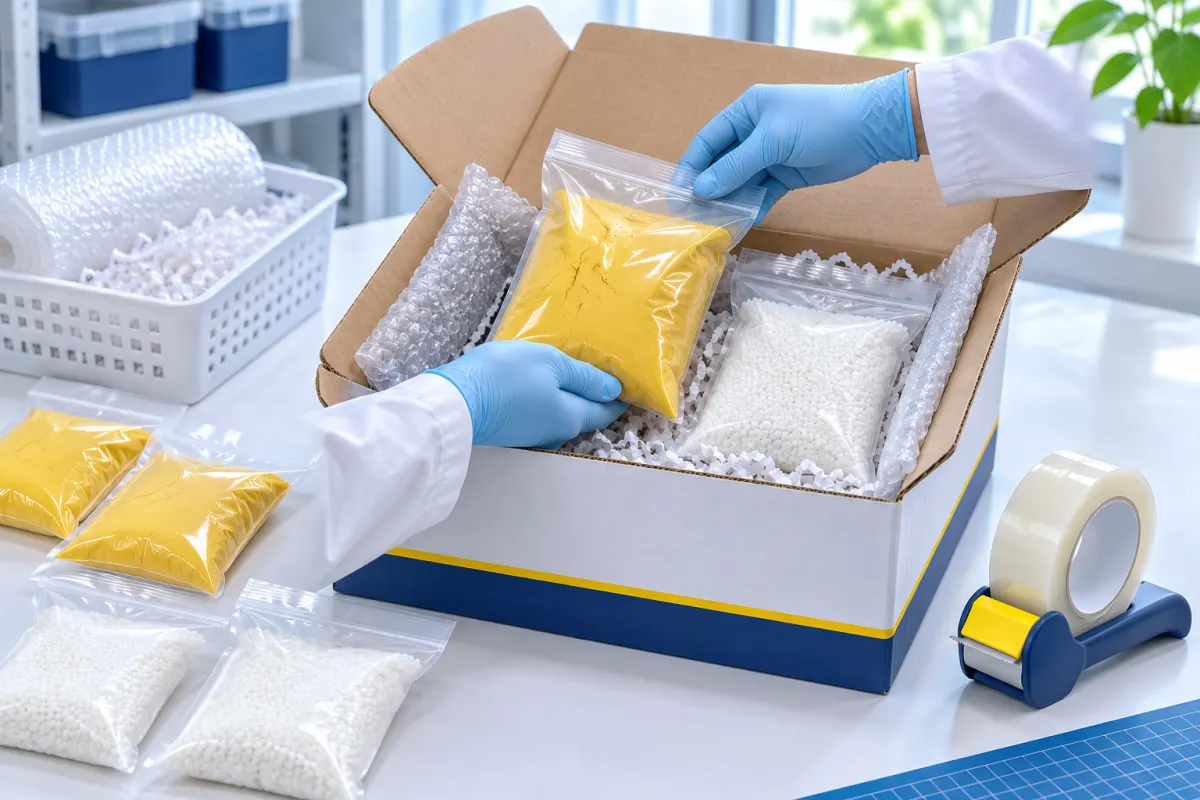
1 kg sample bags being packed for courierSamples

1 kg samples of the recommended grades, free of charge. The buyer pays the courier.

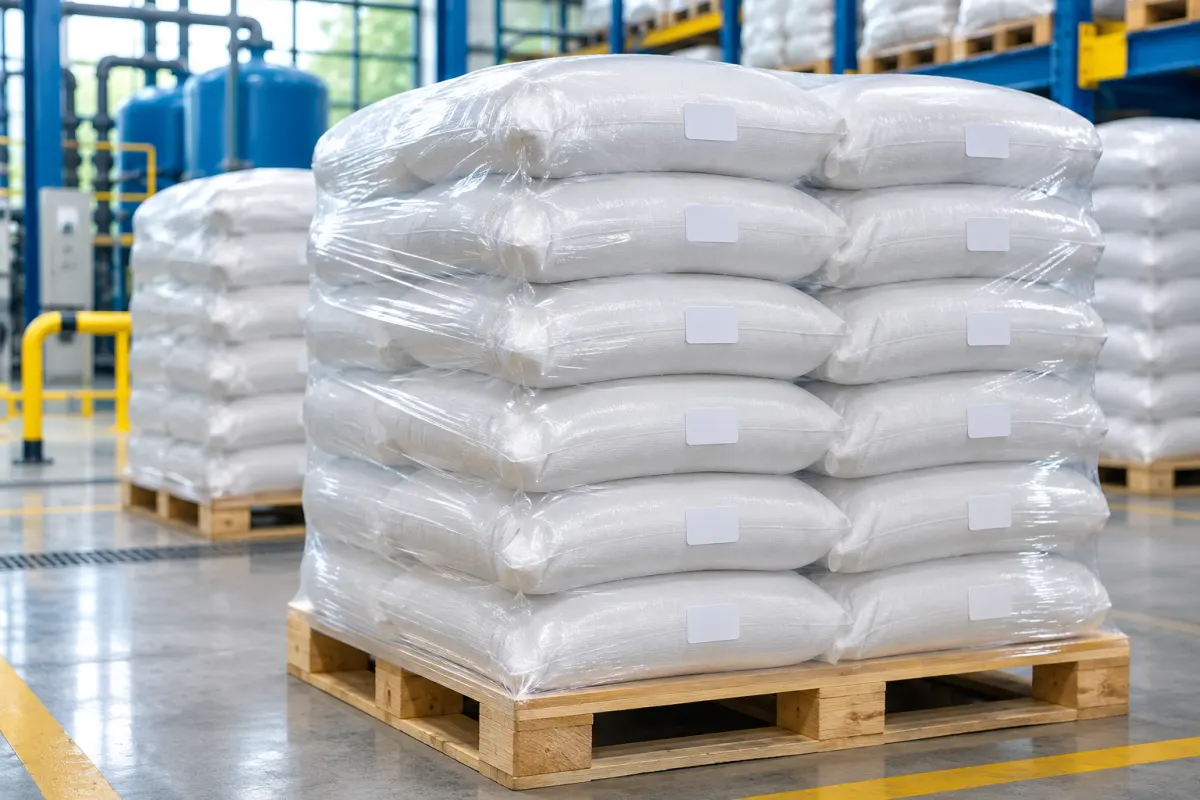
25 kg bags stacked on palletsPacking

25 kg bags or 1 t big bags. Your brand or neutral packing — see OEM.

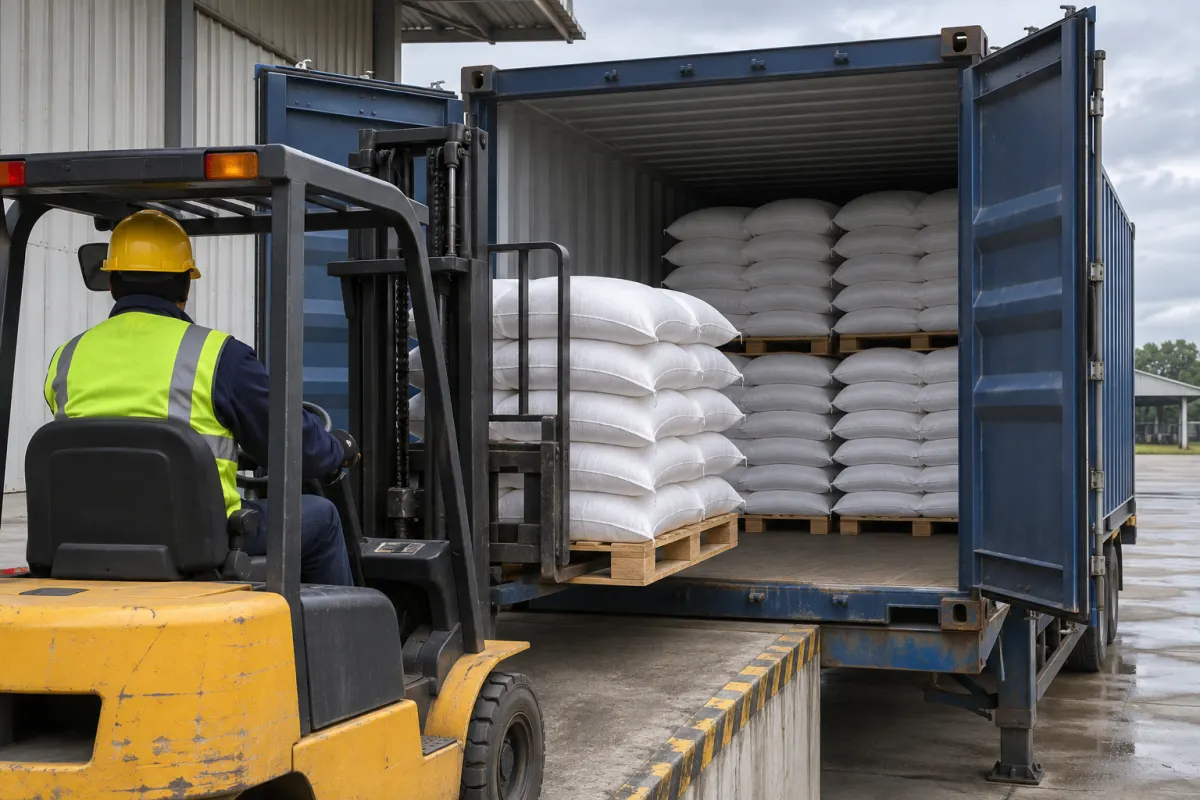
Bags being loaded into a shipping containerShipping

7–15 days from order confirmation, from Qingdao, Tianjin or Shanghai.

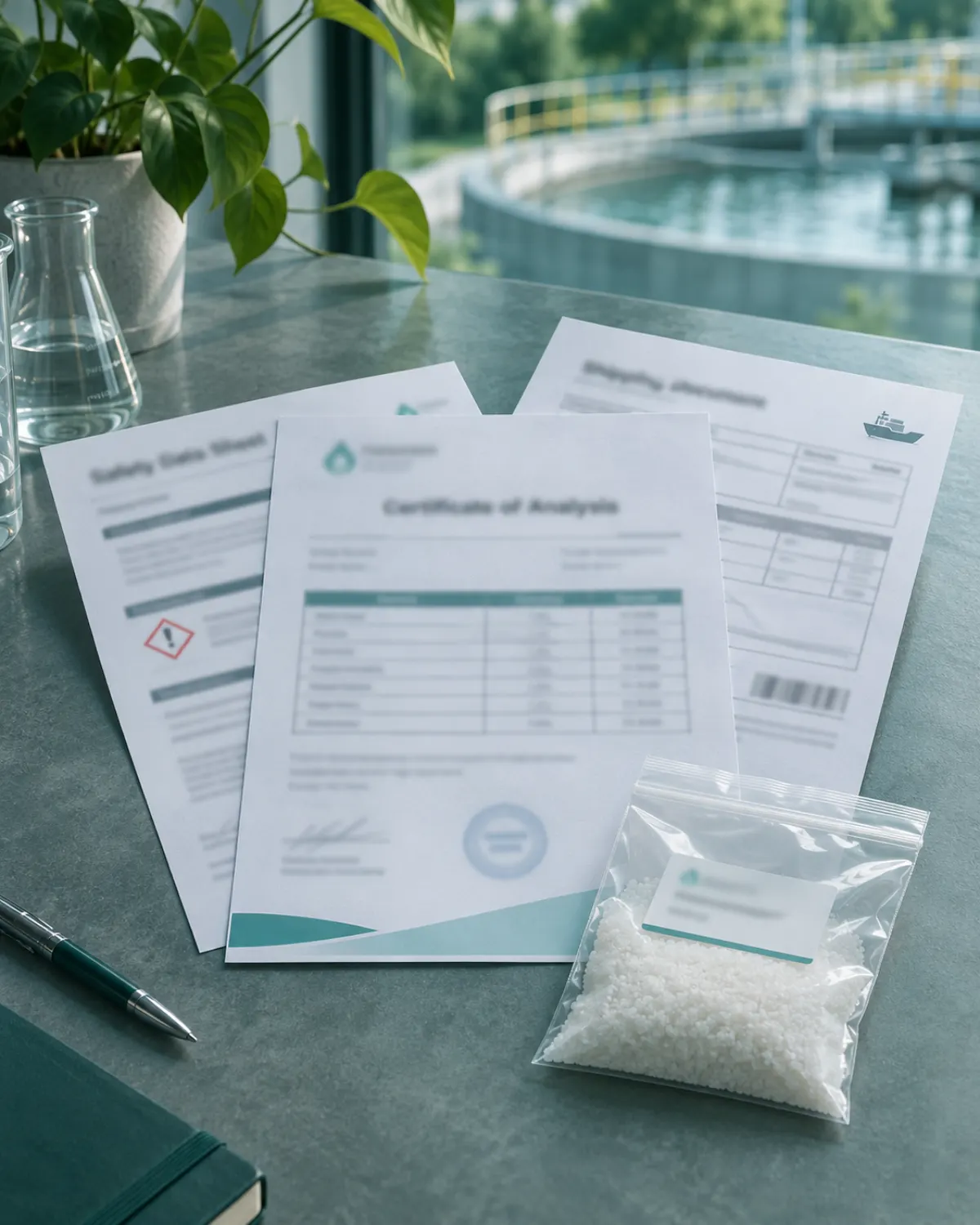
A certificate of analysis and data sheetsDocuments

COA with every batch, plus TDS and SDS. Certificate of origin with every shipment.

Get a price for PAM.

Tell us what you treat and the PAM you use now. We reply within one working day.

Z
Your contactZhantengExport & Technical Sales

To get a quote in one reply, include

  • Application or industry
  • Product and dose you use now
  • Monthly volume and destination port

    Quotation for PAM

    What do you need?

    Your water, as far as you know:

    We reply within one working day.