Cationic PolyacrylamideCPAM · low / medium / high charge · GB/T 31246
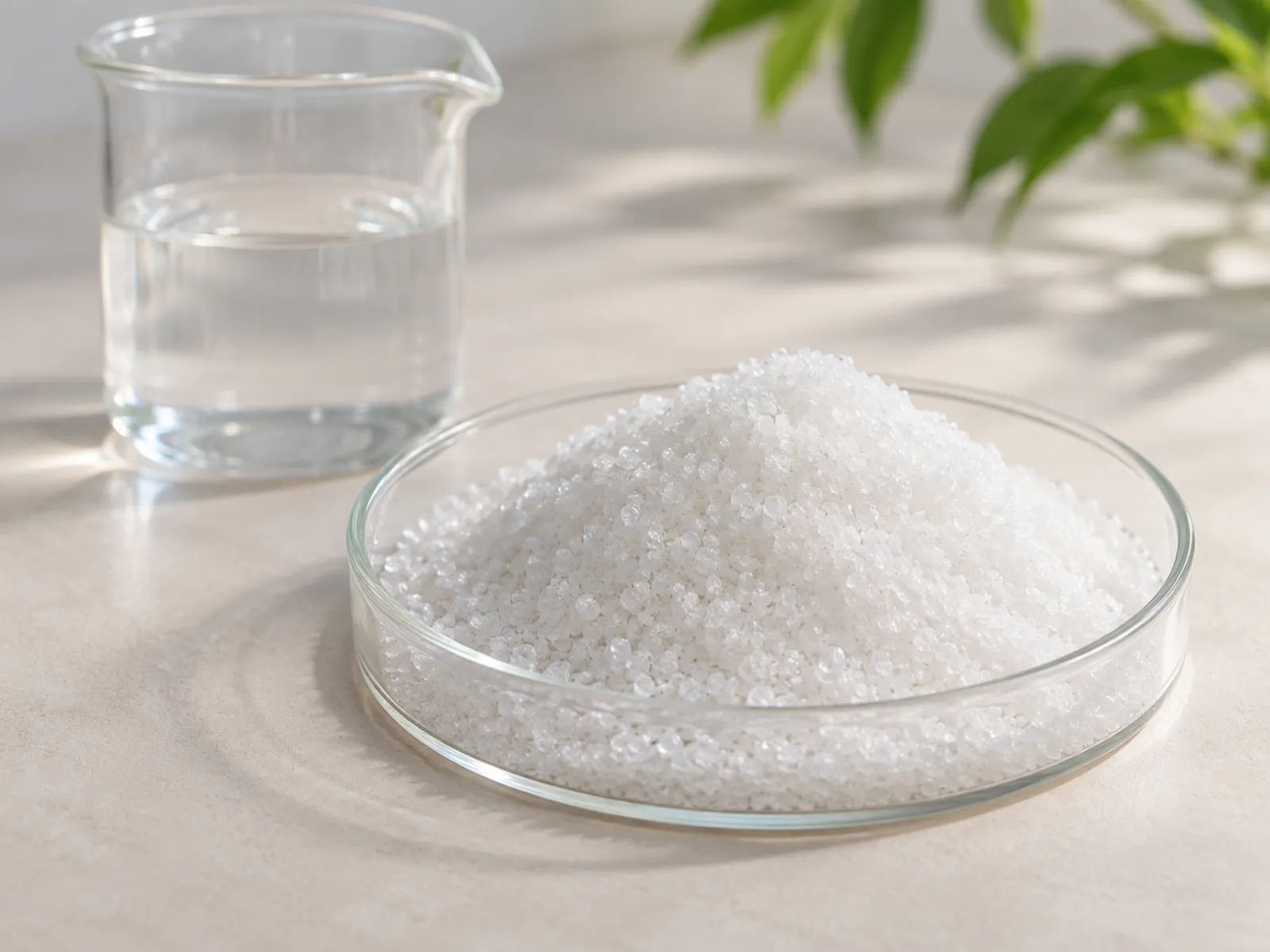
Positively charged flocculant for dewatering organic sludge and clarifying oily or biological wastewater. Built for belt presses, screw presses and high-shear centrifuges — charge density matched on a jar test.
Choose by charge density and equipment
Organic sludge carries a negative charge. Higher organic content and higher shear machines (like centrifuges) usually need higher charge density — confirmed on your own sludge sample.
| Grade | Charge & MW | Appearance | Standard | Typical use |
|---|---|---|---|---|
| Low charge CPAM | Low charge · medium–high MW | White free-flowing granules | GB/T 31246 | Sludge thickening, paper retention & drainage, light organic effluent |
| Medium charge CPAM | Medium charge · medium–high MW | White free-flowing granules | GB/T 31246 | Municipal belt presses, screw presses, food and paper sludge dewatering |
| High charge CPAM | High charge · shear-resistant | White free-flowing granules | GB/T 31246 | Centrifuges, digested municipal sludge, oily & high-organic sludge |
Typical specification
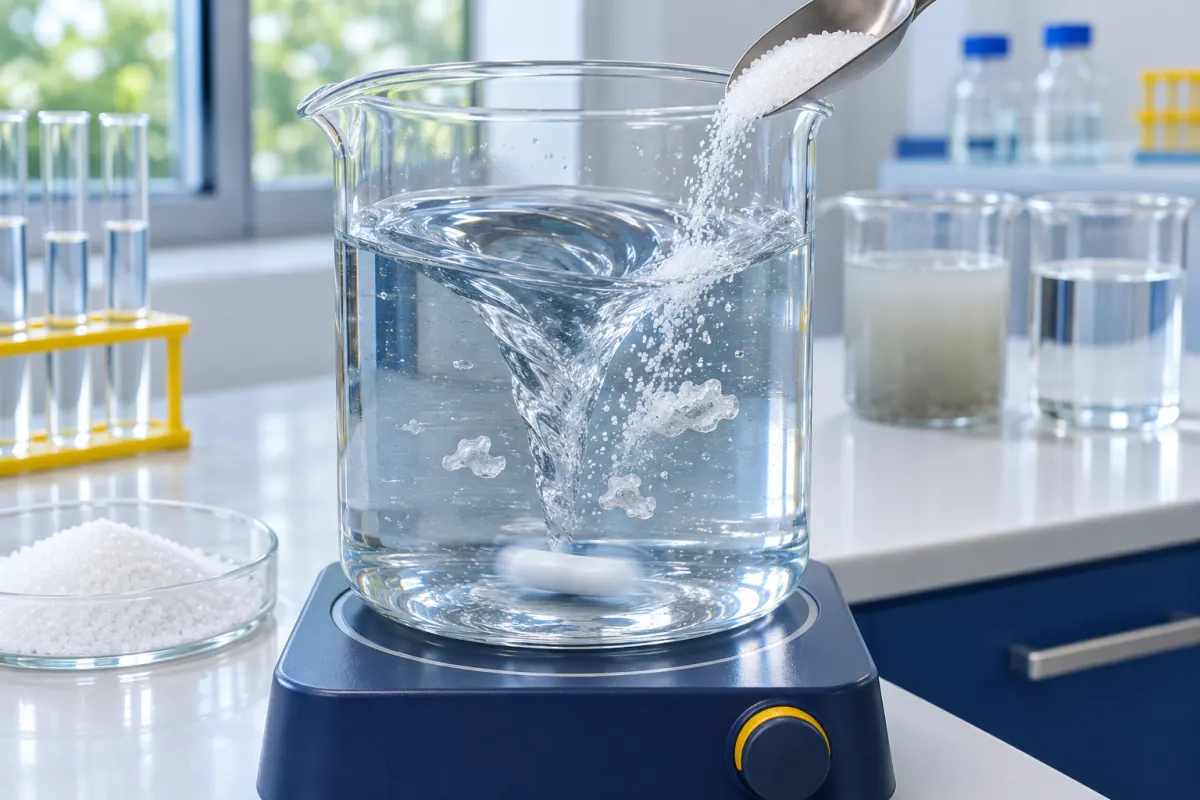
Made to GB/T 31246. Exact charge density and molecular weight are matched to your sludge and confirmed on the batch COA.
| Item | Value |
|---|---|
| Appearance | White granules or powder |
| Solid content | ≥ 88.0% |
| Charge density (cationicity) | 5.0–95.0% range (low / medium / high grades — per COA) |
| Molecular weight | ≥ 1 million — matched by grade, per COA |
| Dissolution time (1 g/L) | ≤ 60 min |
| Water-insoluble matter | ≤ 0.30% |
| Residual acrylamide monomer (dry) | ≤ 0.10% |
| Standard | GB/T 31246 |
Where cationic PAM goes to work
Built for organic solids and biological sludge across municipal and industrial plants.
Municipal sewage & sludge
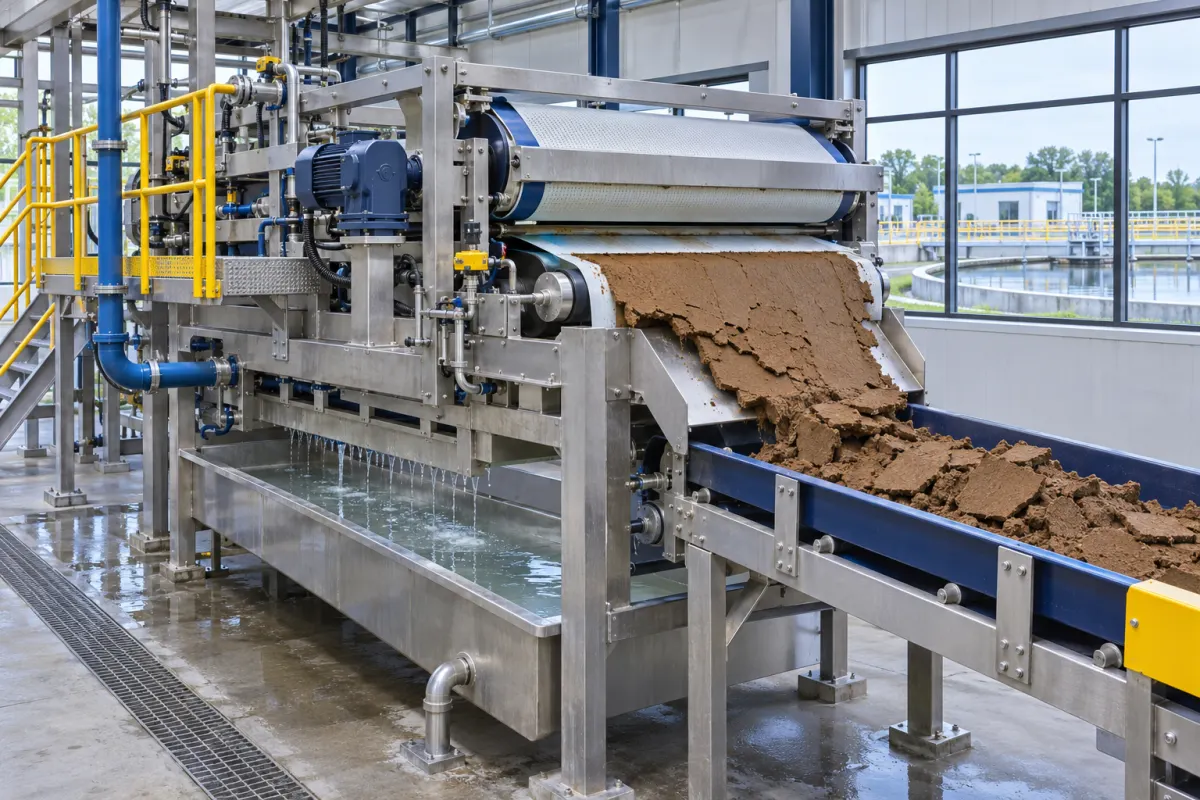
Sludge thickening and dewatering on belt presses, screw presses and centrifuges.
Food, slaughter & livestock
High-fat and protein wastewater on DAF units, plus organic sludge dewatering.
Paper & pulp
Retention and drainage aid on paper machines and dewatering of mill sludge.
Textile dyeing
Flocculating colour-bearing biological and chemical sludge after PAC coagulation.
Not on the list?
Send a litre of your water. We test it with PAC and PAM side by side and tell you which grade works, in writing.
Free jar test →For effluent clarification and DAF, dose industrial PAC first and cationic PAM second. For pure biological sludge dewatering, cationic PAM often works on its own. Both ship in one container.
Four things to get right
How you dissolve PAM matters as much as the grade you pick.
 01
Match charge on your sludge
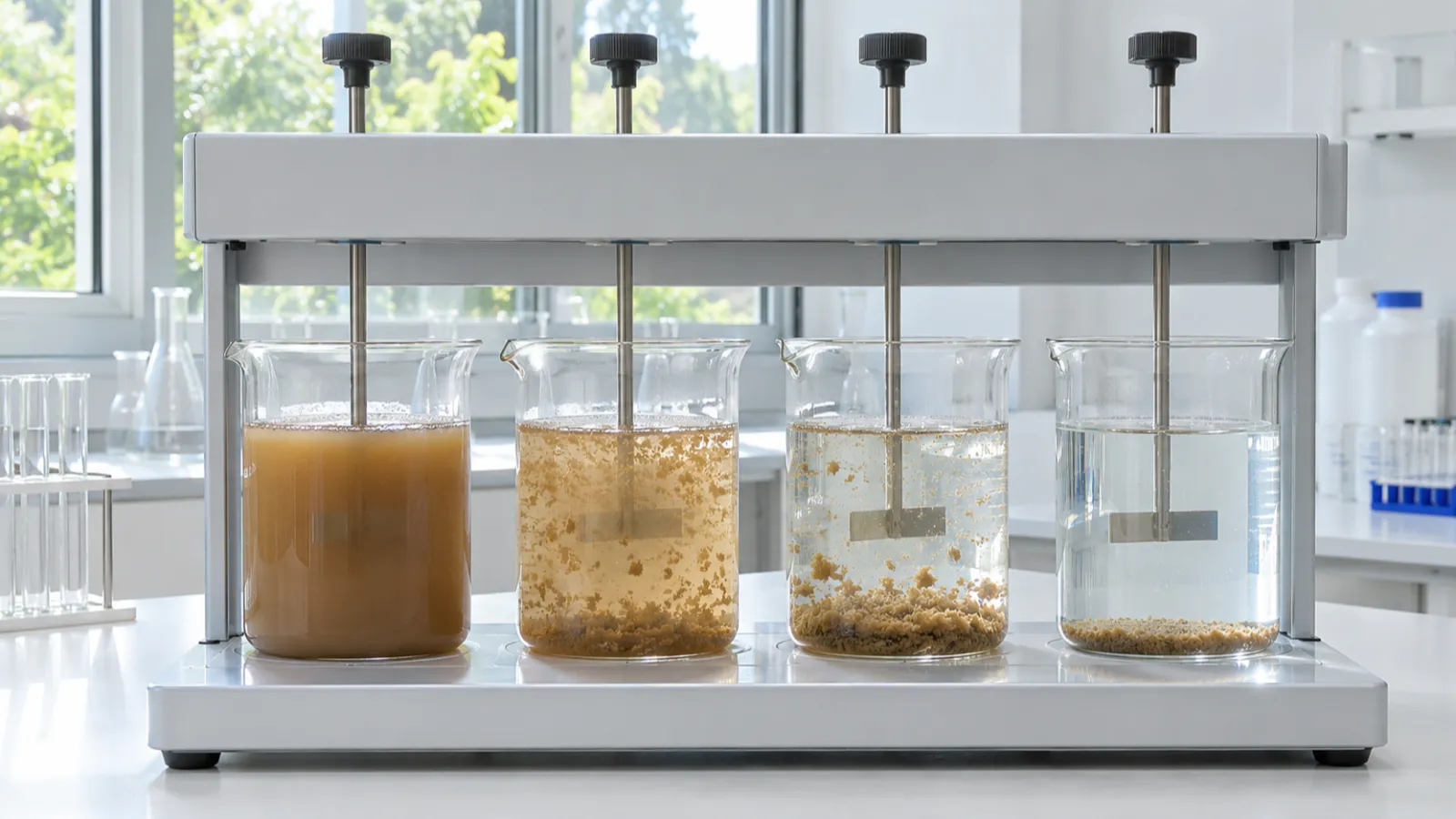
Sludge changes by season and process. Send 1 L of feed sludge and we compare low, medium and high charge grades side by side.
02
Dissolve slowly to 0.1–0.2%
Sprinkle powder evenly into the vortex of clean water under gentle stirring. Dumping lumps creates undissolved “fish eyes”.
 03
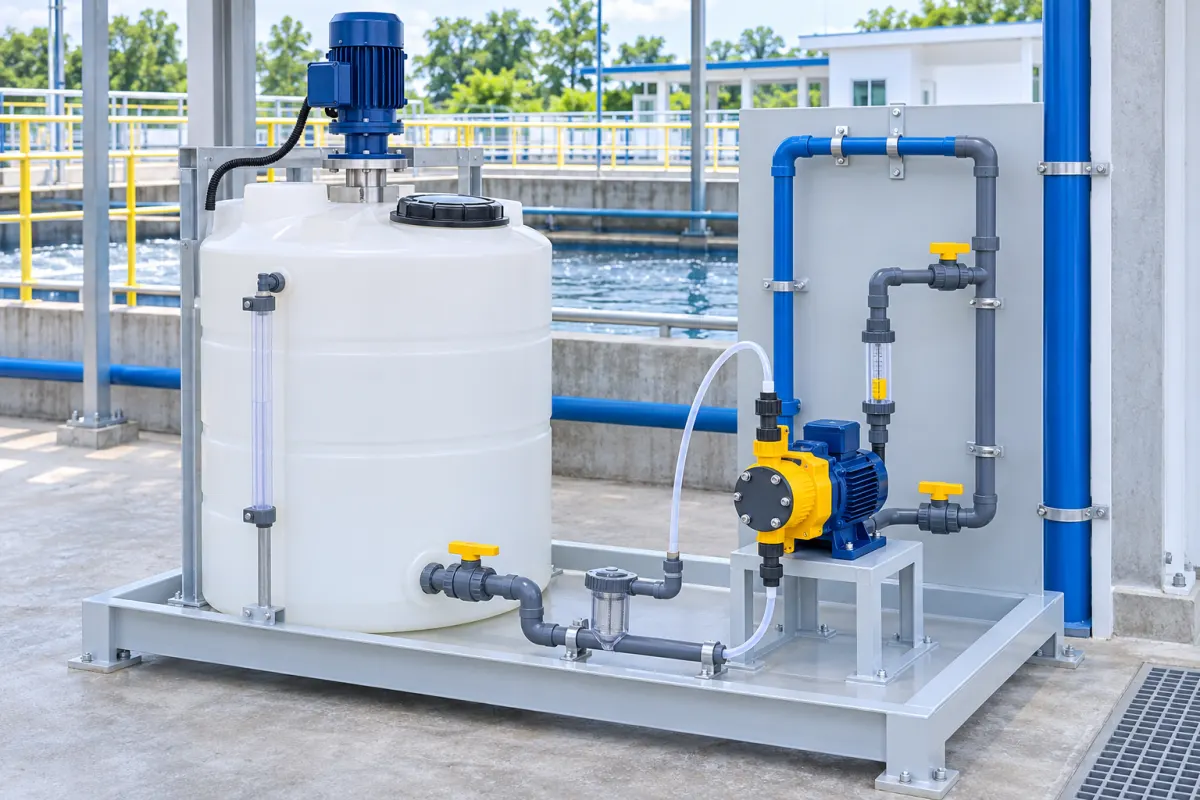
Avoid high-shear pumps
Use progressive-cavity or diaphragm dosing pumps so long polymer chains are not sheared before reaching the sludge.
 04
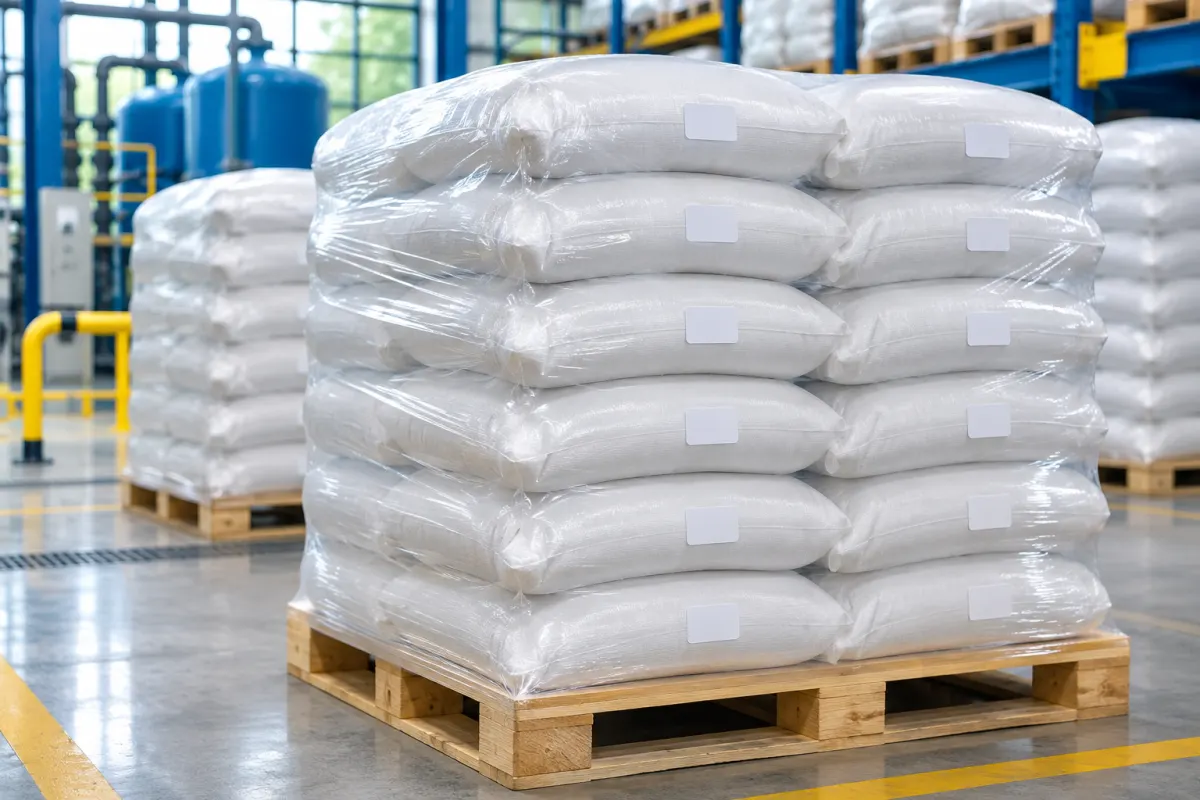
Store dry, use solution fresh
Keep bags sealed and out of direct sun. Prepared cationic solution loses viscosity over time — mix what you use within 24 hours.
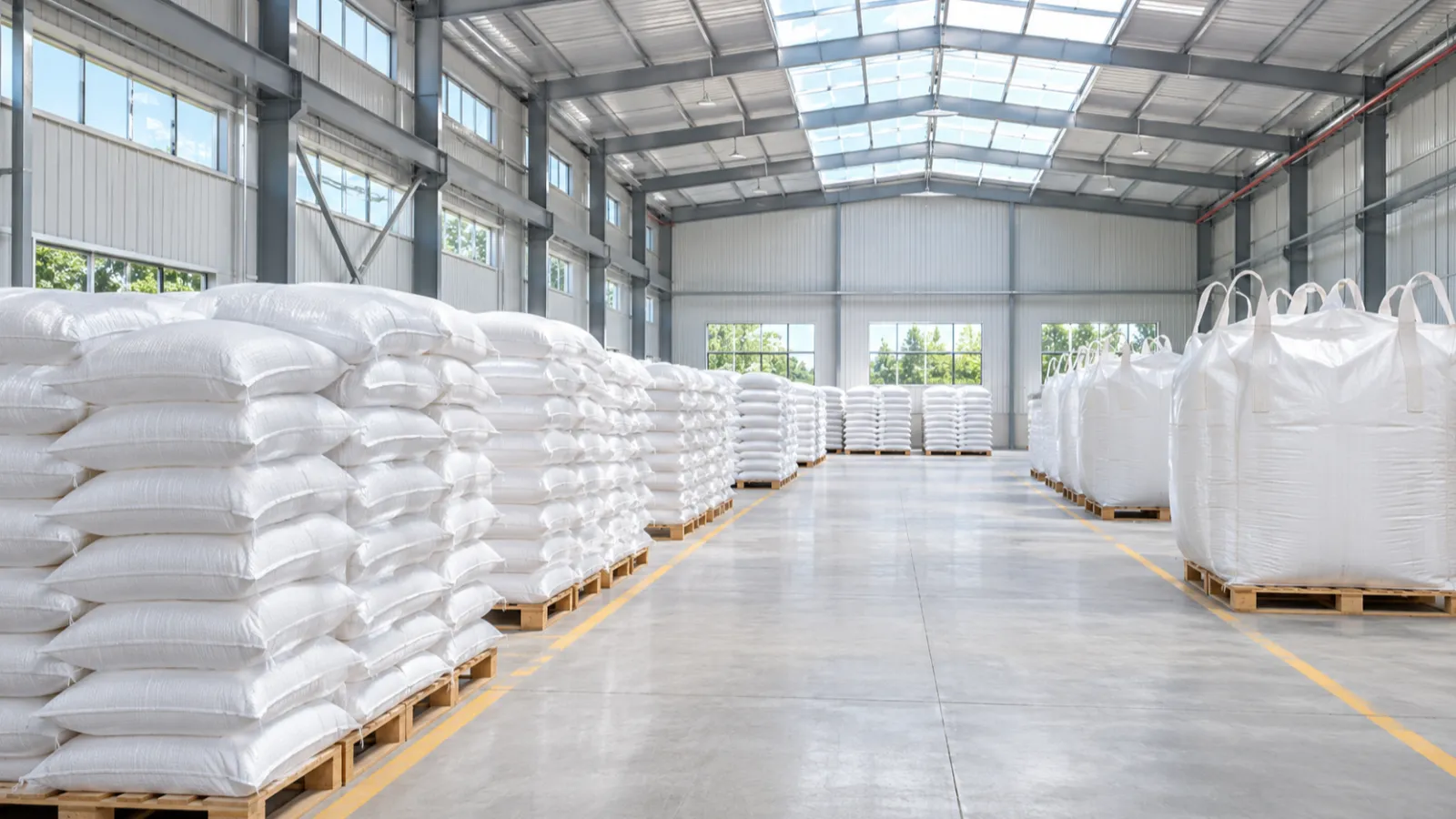
Packed to stay free-flowing
Moisture-barrier liners keep granules dry in transit. Ships together with PAC in one container.
Every batch, on paper.
Ask for the TDS and SDS before you order. The COA travels with every shipment.
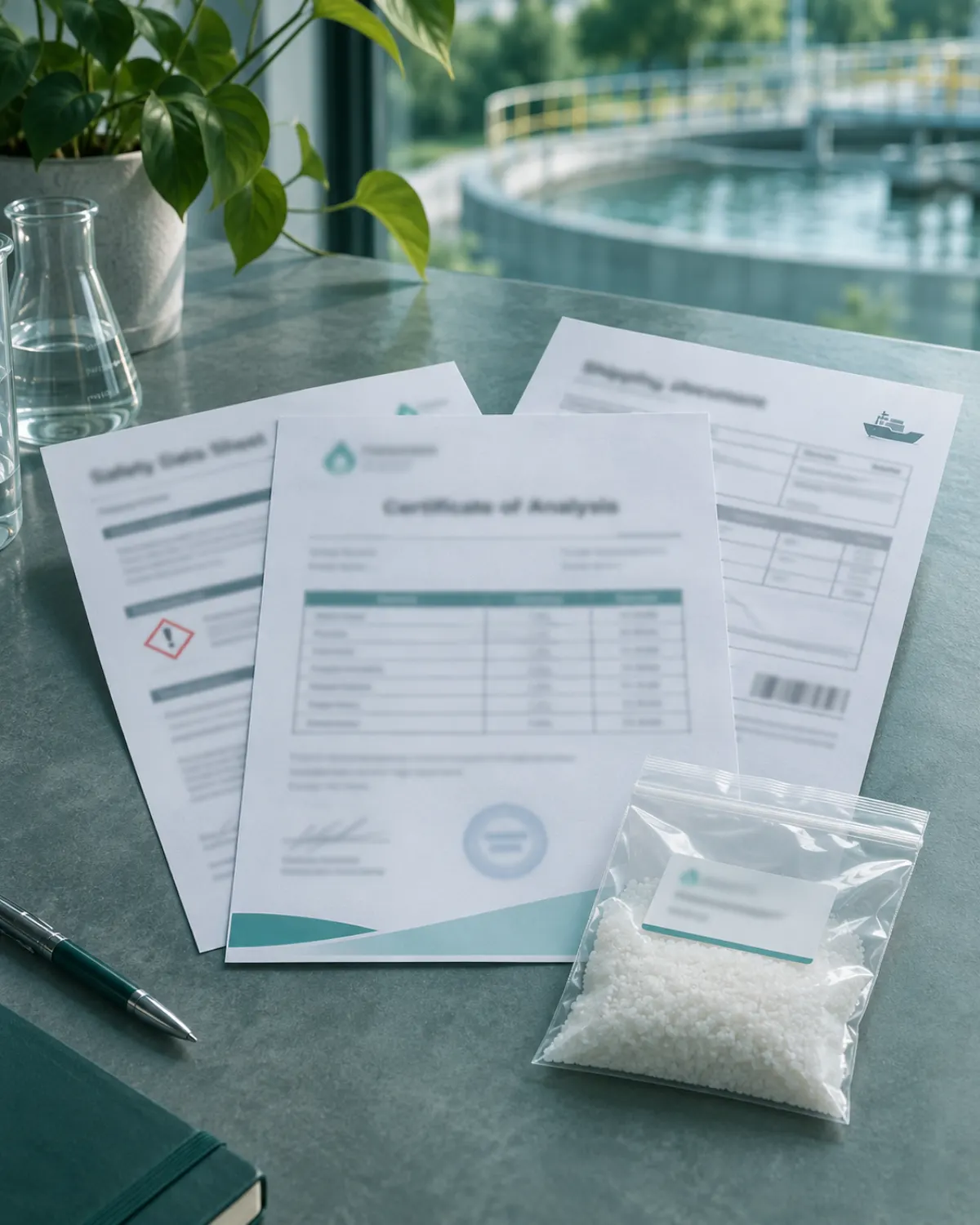
Certificate of analysis
Every batchMeasured values for the batch, matched to the batch number on the bag.
Request COA →Technical data sheet
Before you orderGrade specification, recommended solution strength, storage and shelf life.
Request TDS →Safety data sheet
Before you orderHazards, handling, storage and transport information.
Request SDS →Certificate of origin · Form E
Every shipment · Form E for ASEANCertificate of origin with every shipment; Form E for ASEAN destinations, for preferential duty.
Request C/O →
Questions buyers ask about cationic PAM.
Short answers on charge density, dissolving and shipping.
Replies within one working day
Which charge density do I need for a belt press, screw press or centrifuge?
Belt and screw presses often run well on medium-charge CPAM, while high-shear centrifuges and digested sludges frequently prefer higher charge. A jar test on your actual sludge confirms the driest cake at the lowest dose.
How do I dissolve cationic PAM without forming “fish eyes”?
Feed the dry powder slowly and evenly into clean water under gentle stirring (around 60–200 rpm) to make a 0.1–0.3% solution, and allow 45–60 minutes for full hydration.
Can I use cationic PAM with PAC?
Yes. For DAF and coloured or oily wastewater, dose PAC first in rapid mixing and cationic PAM second in slow mixing.
How much cationic PAM fits in a 20 ft container?
Typically 16–20 t per 20 ft container, depending on bag format and whether pallets are used. You can also mix PAC and PAM in the same container.
What is the shelf life?
Typically 12–24 months in sealed, dry bags stored out of direct sunlight; exact shelf life is stated on each grade TDS.
Do you supply custom models or private-label bags?
Yes. We supply under your brand or neutral export packing — see our OEM & private label page.
Are samples free?
We send 1 kg samples of the recommended grades for a trial on your own equipment. Samples are free of charge; the buyer pays the courier.
What is the minimum order and what payment terms do you accept?
Minimum order is 1 tonne per grade. We accept T/T (30% deposit, balance before shipment) and L/C at sight. Trial orders start at 1 tonne, so you start small and scale up once the grade is proven.
What documents come with each shipment?
A certificate of analysis (COA) for every batch, plus the TDS and SDS. A certificate of origin comes with every shipment, and Form E for ASEAN destinations.
Get a price for cationic PAM.
Tell us your sludge type, dewatering machine and monthly volume. We reply within one working day.
For a quote in one reply, include
- Sludge source & equipment (belt / screw / centrifuge)
- Current charge density or grade, if known
- Monthly volume & destination port