Application file · Mining & tailings

Mining & tailings

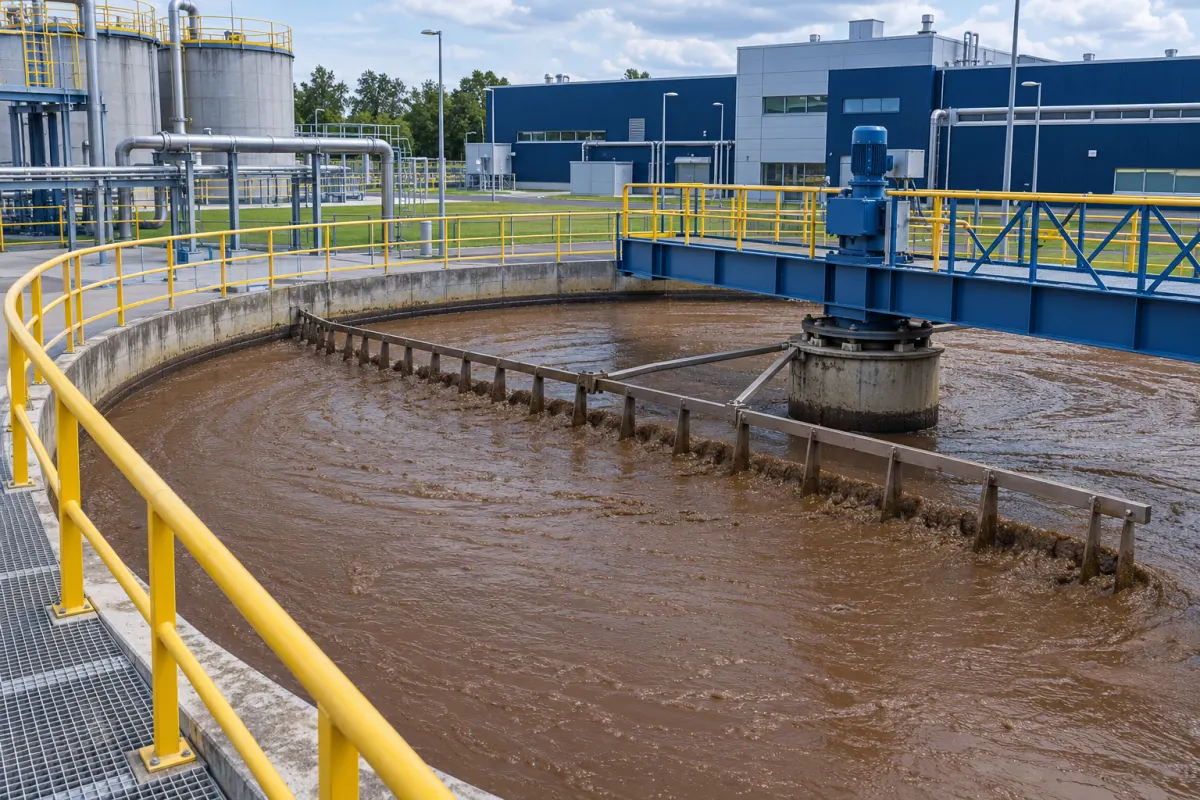
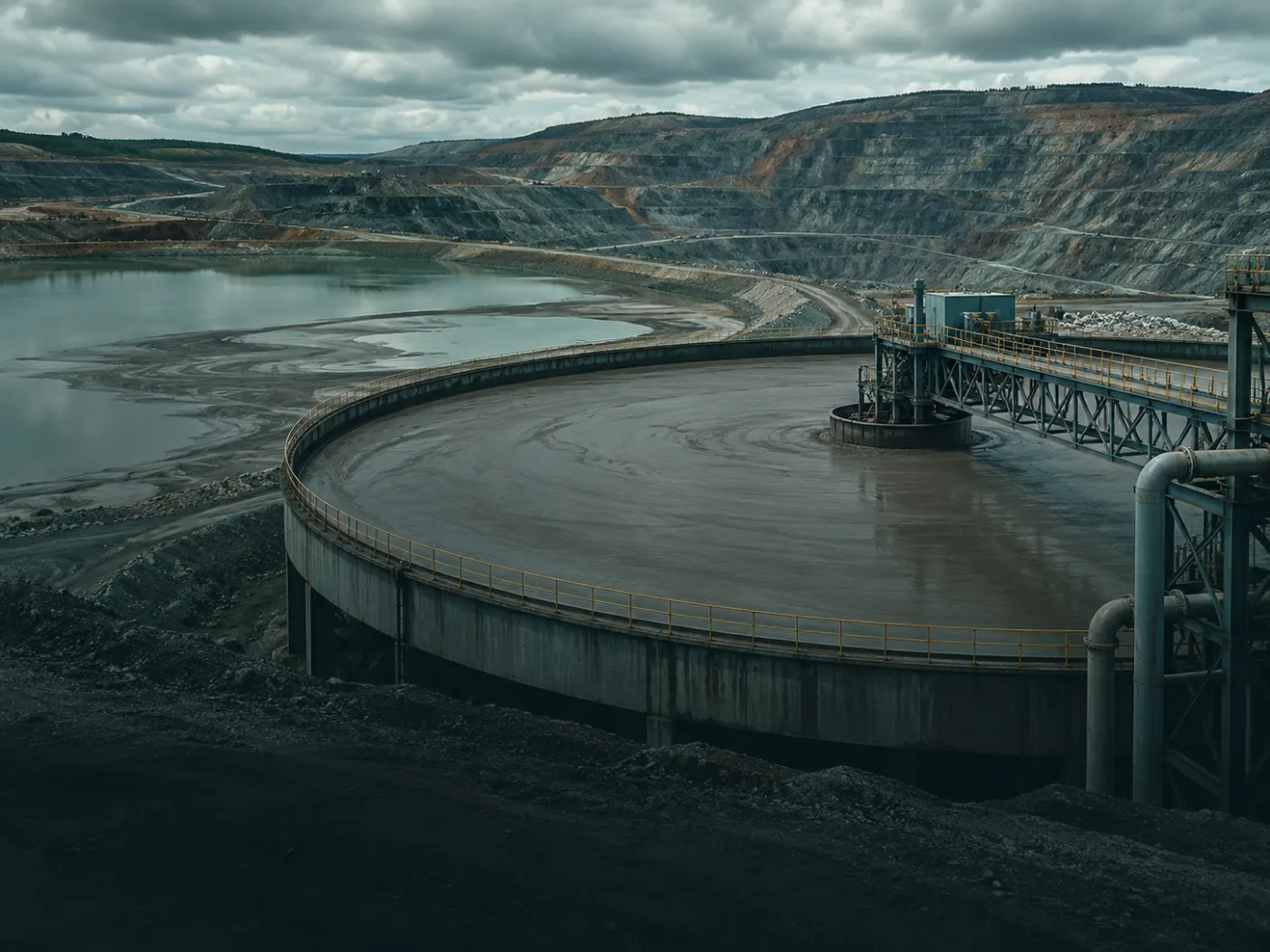
Thickener & tailingsAnionic PAMfast settling · clear overflow
Fine clay & slimePAC (when needed)clear hazy overflow

Ore type, pH and clay content change from pit to pit. We match molecular weight and anionicity on a settling test with your own tailings slurry.

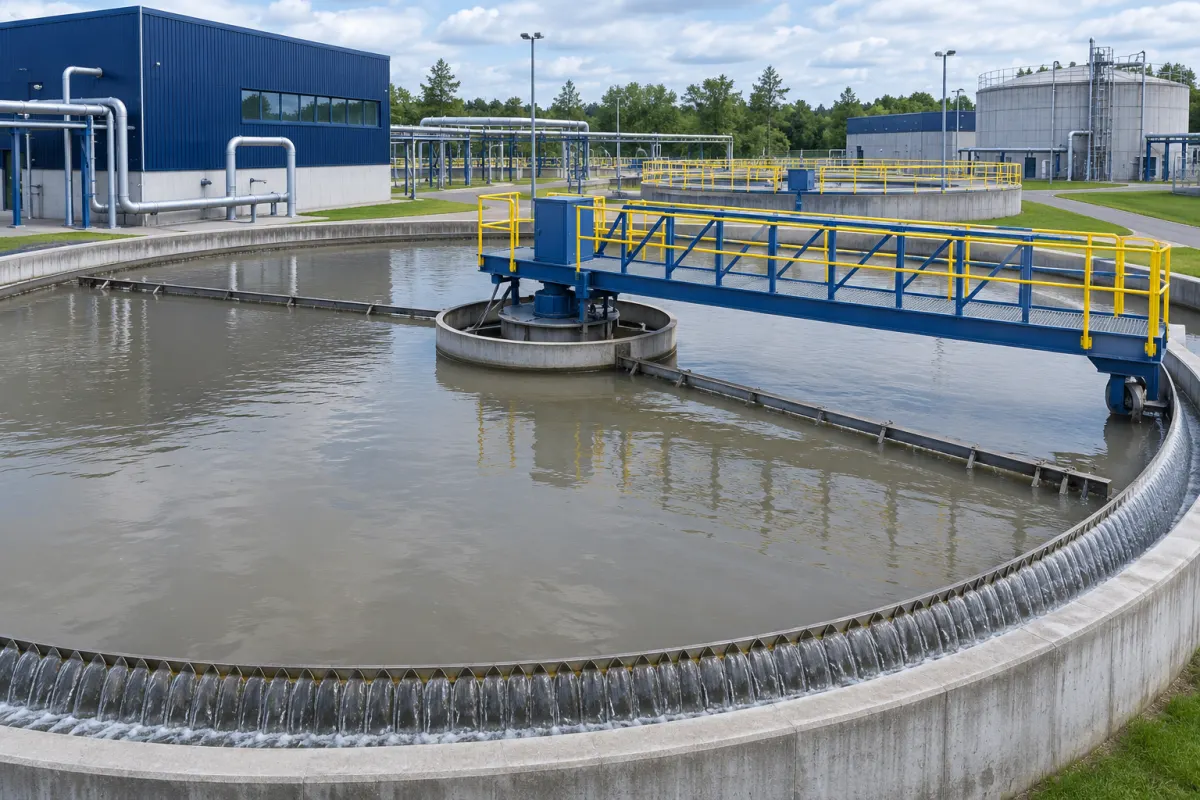
Mining and tailings thickener
Dosed at
Thickener feedwell · tailings line · filter press
Equipment
High-rate thickener, tailings pond, filter press
Targets
Settling rate, overflow clarity, water recovery
Set by
Settling test on your own slurry
The challenge

Four problems in mining water and tailings

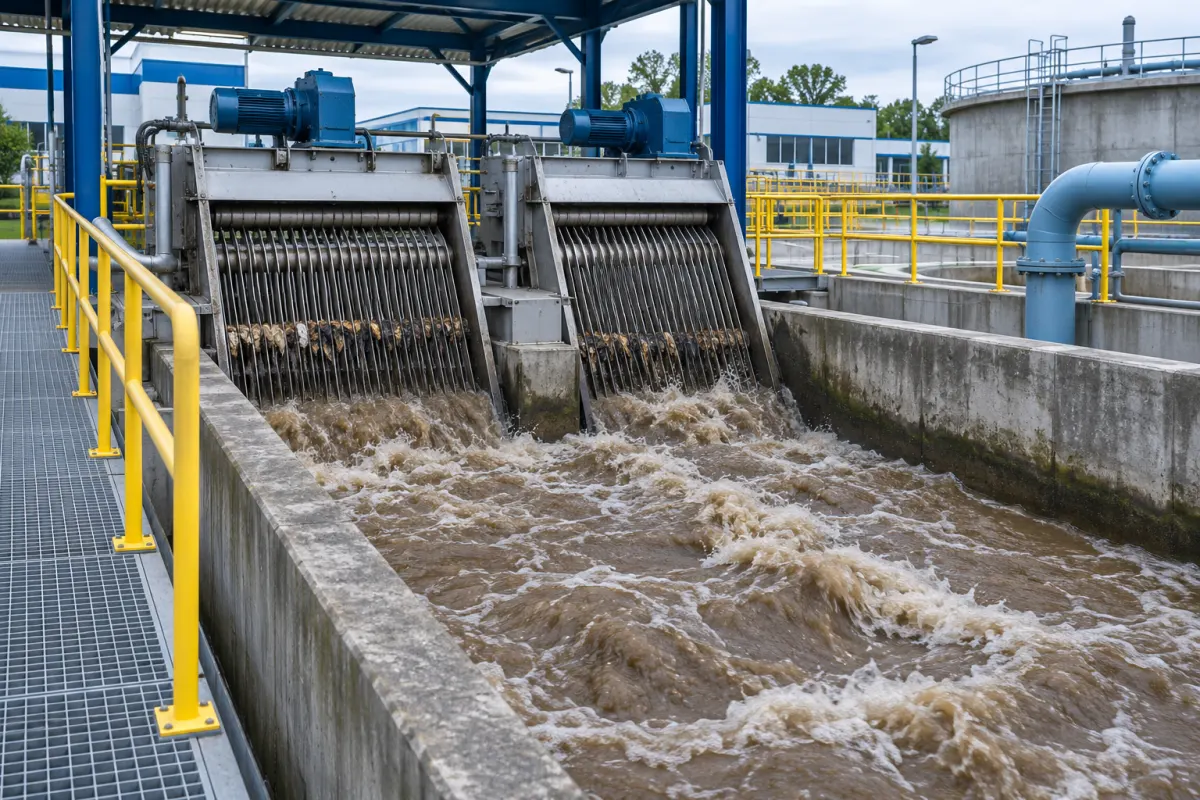
Slow settling limits plant throughput and starves the concentrator of recycled process water.

Tailings slurry inRecycled water & underflow out
01020304
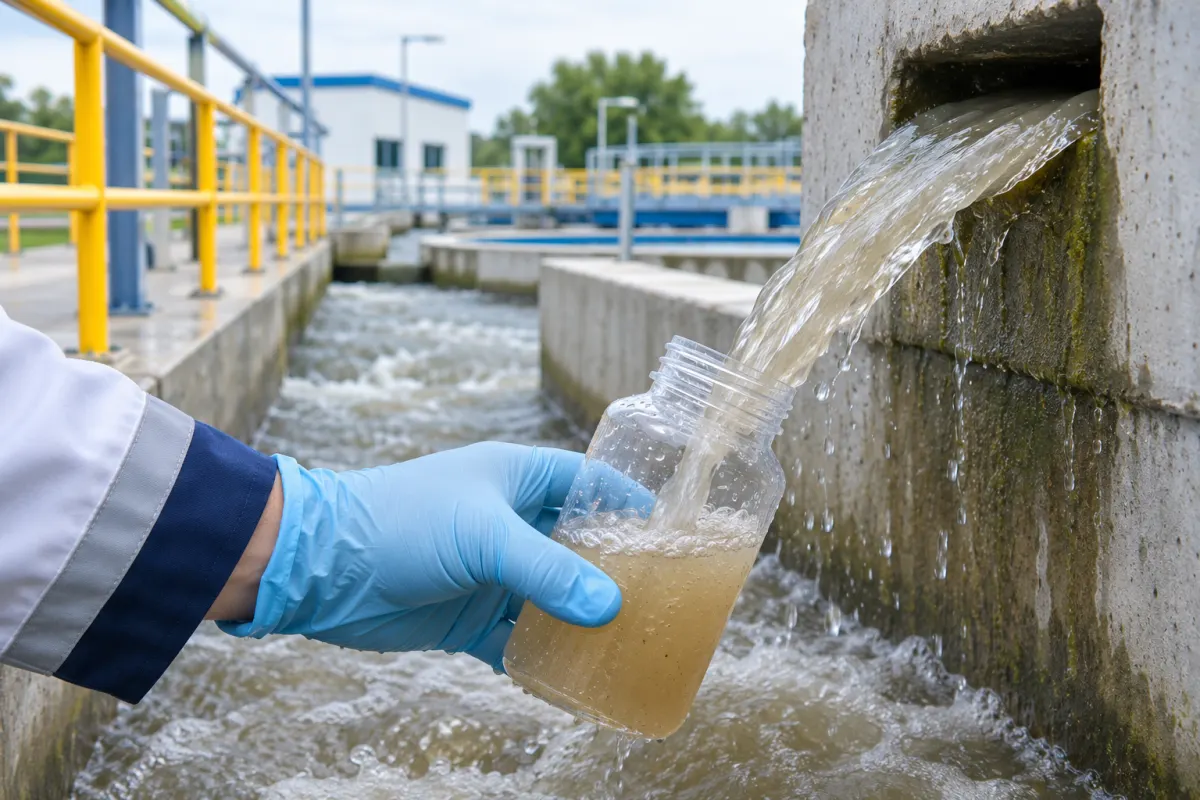
Thickener feed

Slow-settling fine slimes

Fine mineral particles settle too slowly on their own, limiting thickener capacity.

Overflow launder

Cloudy return water

Suspended clay carries over into recycled process water and interferes with flotation.

Underflow pump

High torque or thin underflow

The wrong polymer MW either builds overly sticky beds or leaves underflow too dilute.

Tailings filter

Wet filter cake

Fine tailings blind filter cloths and slow down plate-and-frame or belt filter cycles.

Treatment program

A typical mining program, stage by stage

High-molecular-weight anionic PAM drives rapid settling; PAC or nonionic PAM steps in where fine clay or acidic leach streams are present.

01

Feedwell coagulation

PAC · optional

ProblemFine negatively charged clay stays hazy

What it doesCoagulates colloidal clay before flocculation

Where to doseAhead of the thickener feedwell
02

Thickener flocculation

Anionic PAM

ProblemSlow settling rate, low throughput

What it doesBridges mineral solids into fast-settling dense flocs

Where to doseIn-line diluted into the thickener feedwell

03

Overflow clarification

PAC · optional

ProblemRecycled water turbidity too high

What it doesPolishes return water for concentrator reuse

Where to doseProcess-water clarifier inlet

04

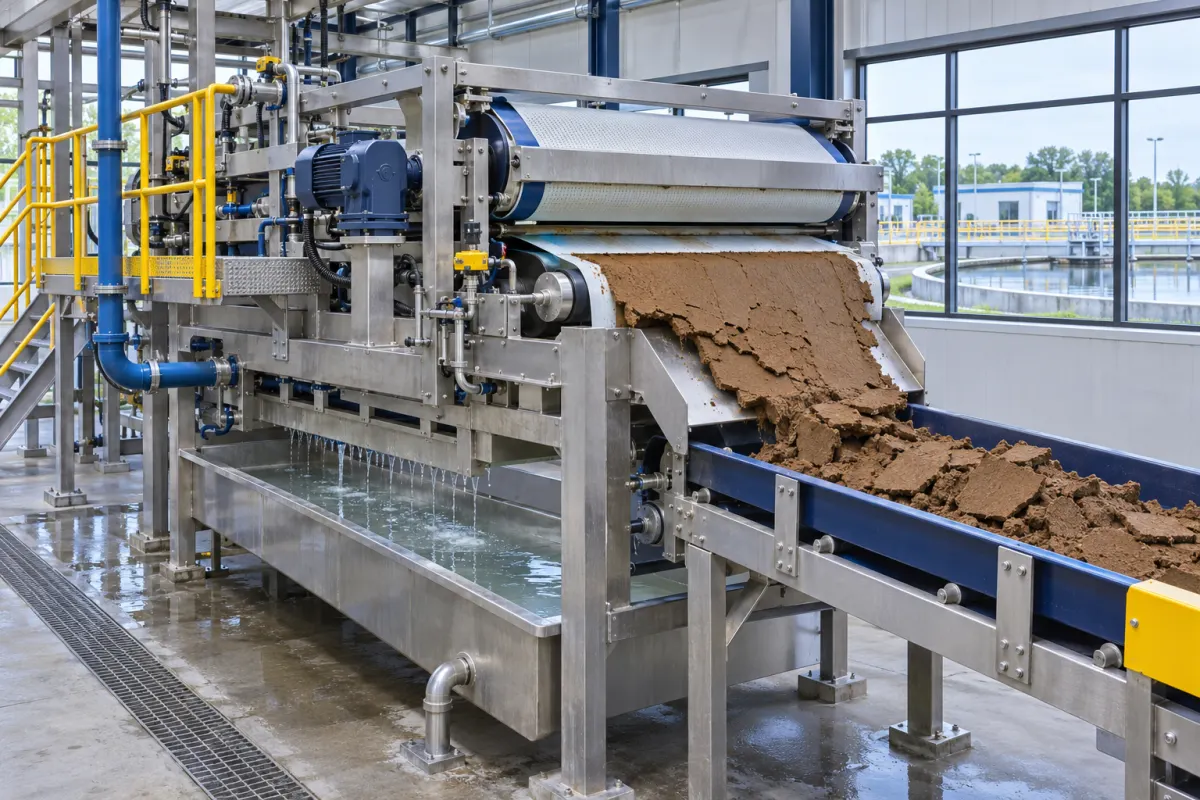
Tailings filtration

Anionic PAM

ProblemLong press cycles, wet cake

What it doesOpens floc structure for faster filtration and cake release

Where to doseFilter-press feed tank

Dosing points

Where each product goes in

Send your thickener flow sheet and slurry pH; we mark dosing and dilution points for your circuit.

Water lineSludge lineDosing pointOptionalHover or tap points 1–5
WATER LINESLUDGE LINETailingsslurryCycloneclassifierHigh-ratethickenerClarifierpondProcesswaterUnderflowtankFilterpressDrytailings1234
1PACOptional
Before thickener feedwell

Coagulates colloidal clay for clearer overflow.

2Anionic PAM
Thickener feedwell

Bridges heavy ore fines for rapid settling.

3PACOptional
Return water pond

Polishes recycled process water when needed.

4Anionic PAM
Filter-press feed

Improves filtration rate and cake dryness.

Free jar test

Tested on your actual ore slurry

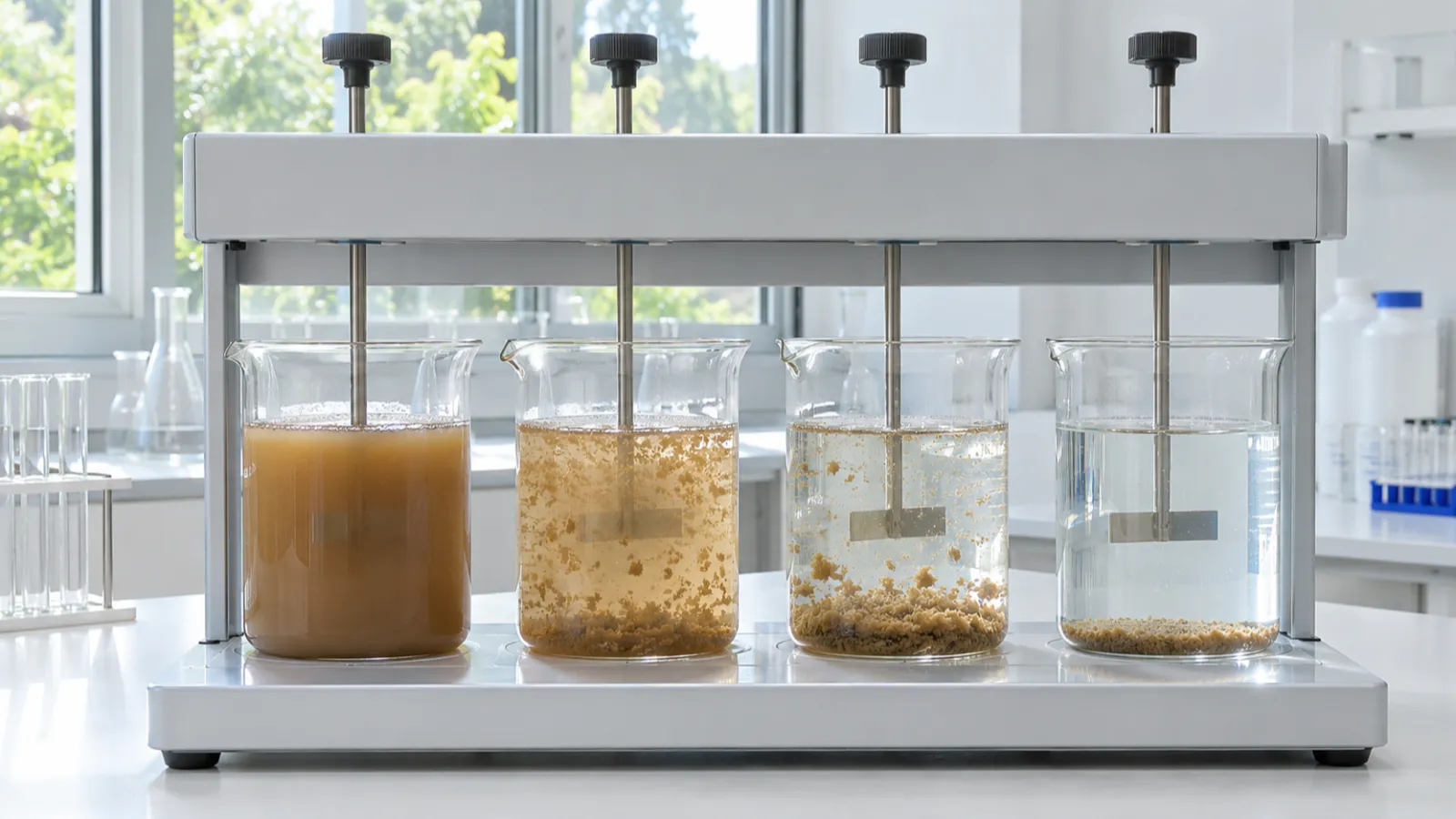
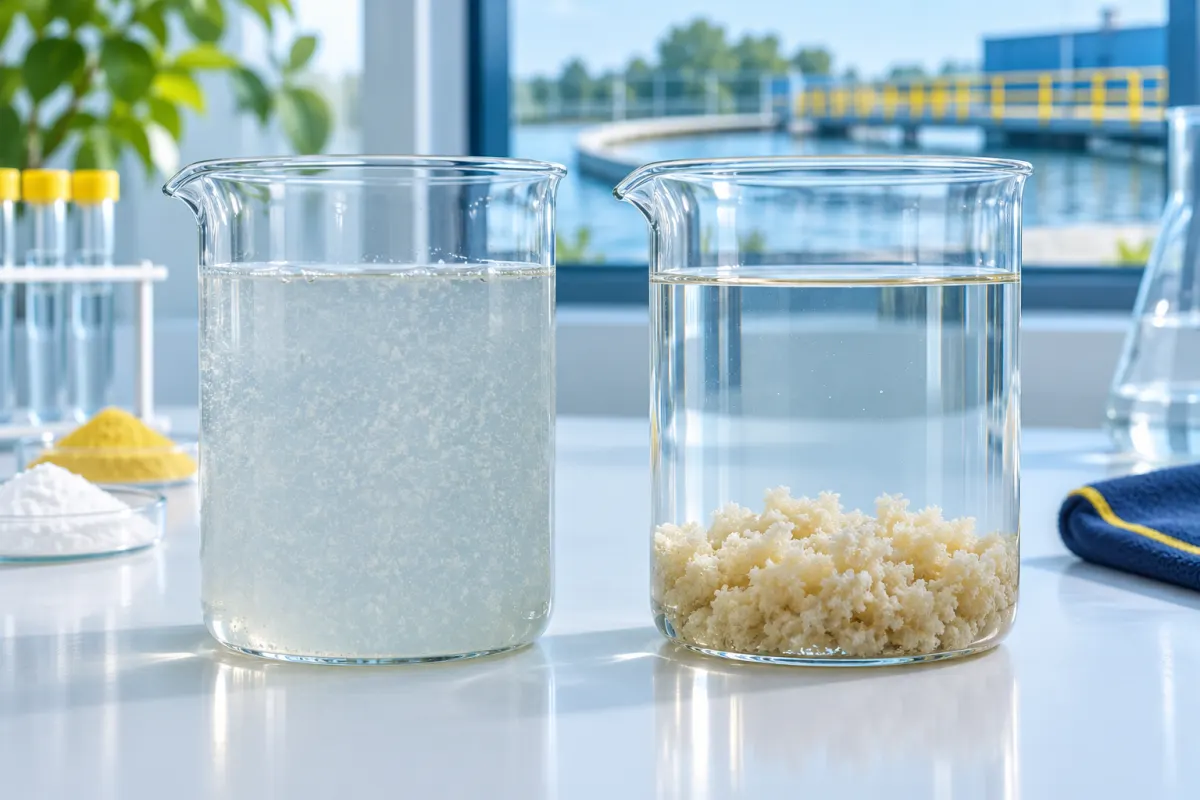
Settling speed, bed compaction and overflow clarity are measured side by side in cylinder tests.

01 Send 1 L of slurry

Thickener feed slurry with a note on ore type, pH and solids percentage.

02 Cylinder settling test

We compare anionic MW and charge grades (plus nonionic if acidic, or PAC if hazy).

03 Written report

Recommended grade, settling curve notes and starting g/t dose.

04 Site trial samples

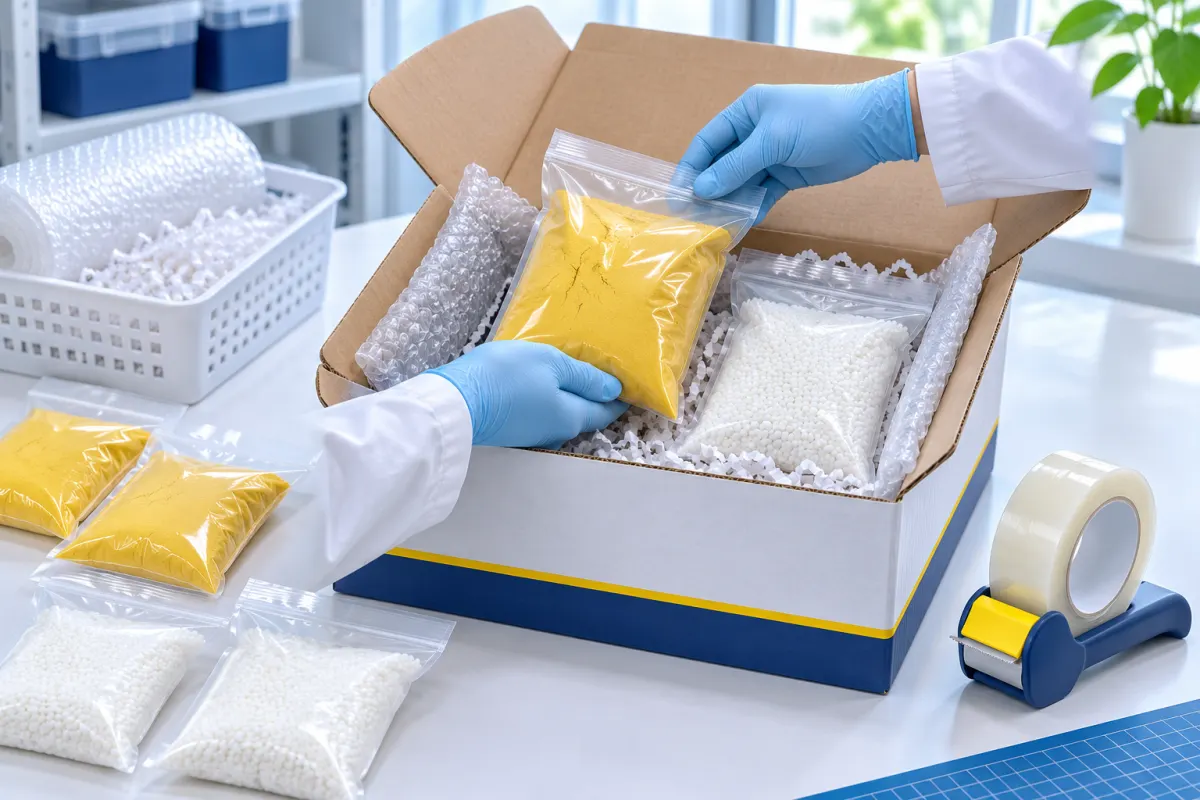
1 kg samples shipped for verification at your mine lab.

FAQ

Questions mining buyers ask.

Short answers on thickener flocculants, acidic circuits and bulk bags.

Talk to us sales@claripoly.com WhatsApp +86 134 1983 6447
ZZhanteng · Export & Technical Sales
Replies within one working day
What we provide Ask a question →
Anionic or nonionic PAM for mining tailings?

Anionic PAM is the standard choice for neutral and alkaline mineral circuits (iron, copper, gold, coal, aggregate). For strongly acidic leach circuits, nonionic PAM is tested alongside anionic.

Do you supply 1 t big bags for mine sites?

Yes. Both 25 kg bags and 1 t FIBC big bags with moisture-barrier liners are available.

Why is my thickener overflow still cloudy?

Fine clay colloids carry a negative charge and resist bridging by anionic PAM alone. Adding a small dose of PAC ahead of the feedwell clears the fine haze.

How do you keep batches consistent across long-term supply?

Every batch is tested before release and carries a batch number on the bag matched to its COA, with retained lab samples for traceability.

What is the lead time and container load?

7–15 days from order confirmation; a 20 ft container holds about 16–20 t of PAM or a mixed load with PAC.

What documents come with export shipments?

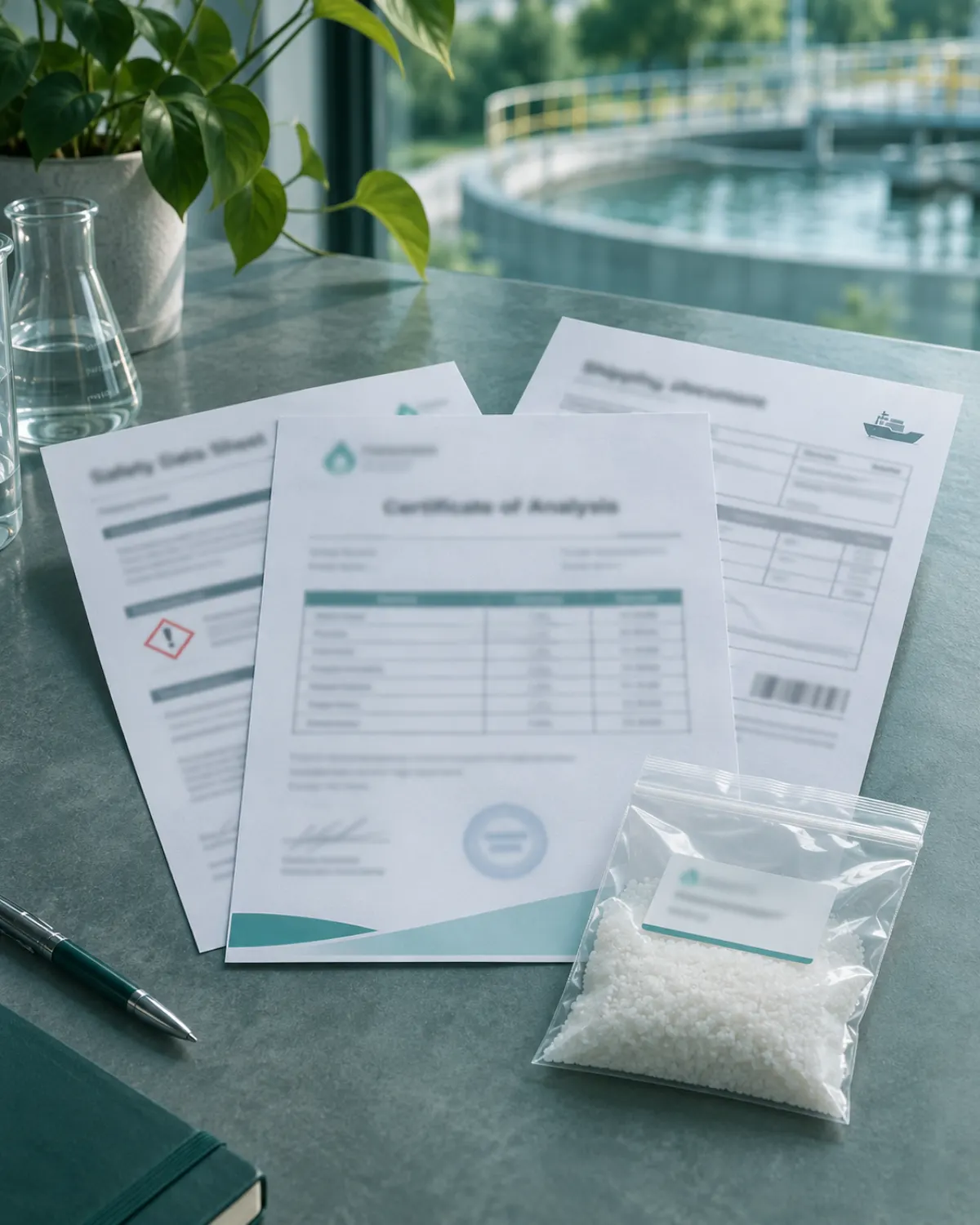
Batch COA, TDS, SDS and certificate of origin with every shipment, plus Form E for ASEAN.

Are samples free?

We send 1 kg samples of the recommended grades for a trial on your own equipment. Samples are free of charge; the buyer pays the courier.

What documents come with each shipment?

A certificate of analysis (COA) for every batch, plus the TDS and SDS. A certificate of origin comes with every shipment, and Form E for ASEAN destinations.

What is the minimum order and what payment terms do you accept?

Minimum order is 1 tonne per grade. We accept T/T (30% deposit, balance before shipment) and L/C at sight. Trial orders start at 1 tonne, so you start small and scale up once the grade is proven.

Tell us about your mining circuit.

Tell us what you treat and what you use now. We reply within one working day and tell you where to send the sample.

Z
Your contactZhantengExport & Technical Sales

To get a quote in one reply, include

  • Application or industry
  • Product and dose you use now
  • Monthly volume and destination port

    Jar test or quotation · mining & tailings

    What do you need?

    Your water, as far as you know:

    We reply within one working day.