Application file · Drinking water

Drinking water

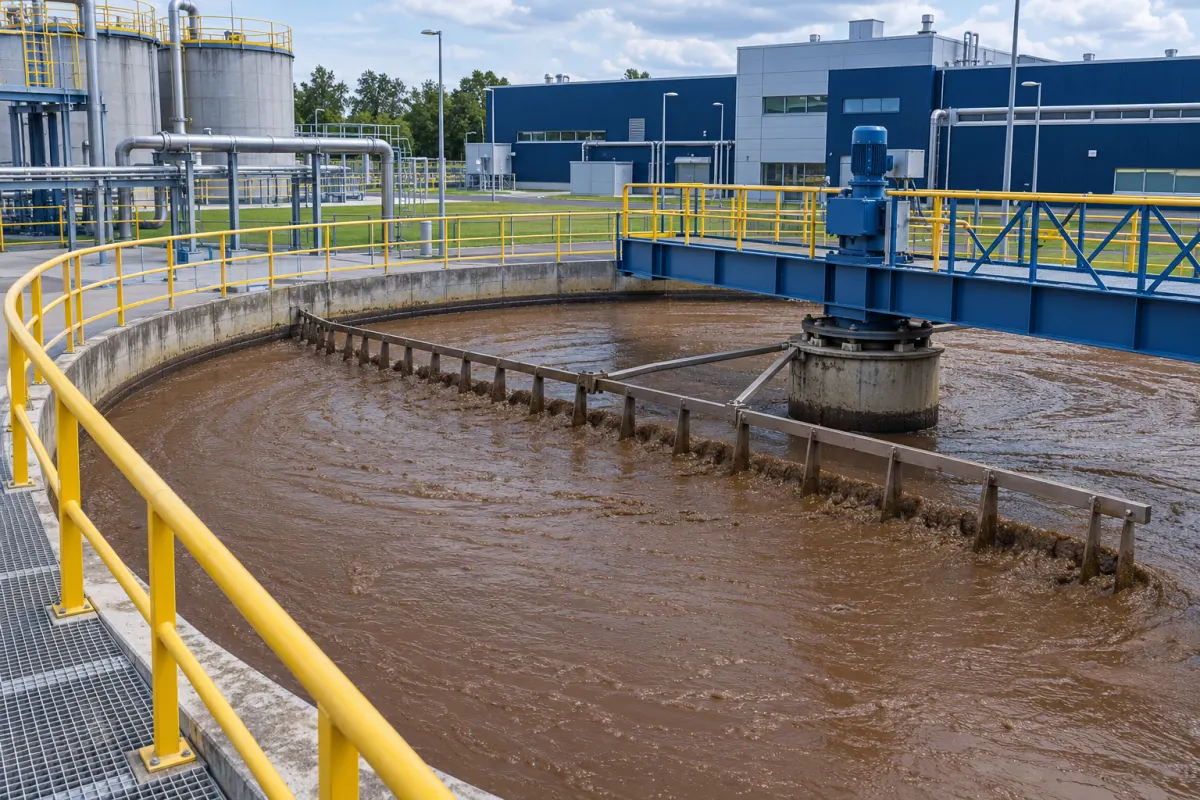
Raw water lineDrinking-water PACturbidity · colour · GB 15892
Sludge line (optional)PAM (potable-compliant)backwash sludge thickening

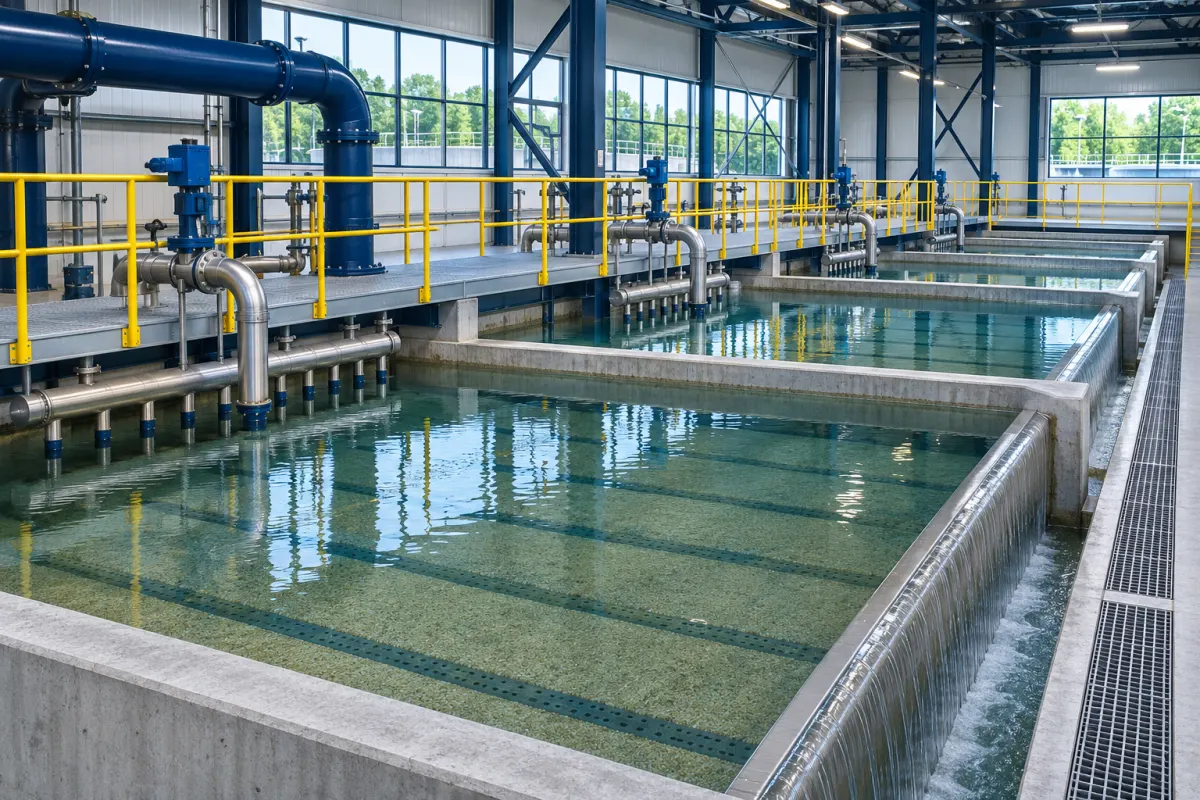
Potable water plants cannot use industrial coagulants. Spray-dried drinking-water PAC made to GB 15892-2020 delivers low heavy metals, fast dissolution and low outlet turbidity.

Drinking water
Dosed at
Rapid mixer · flocculation basin · ahead of filters
Equipment
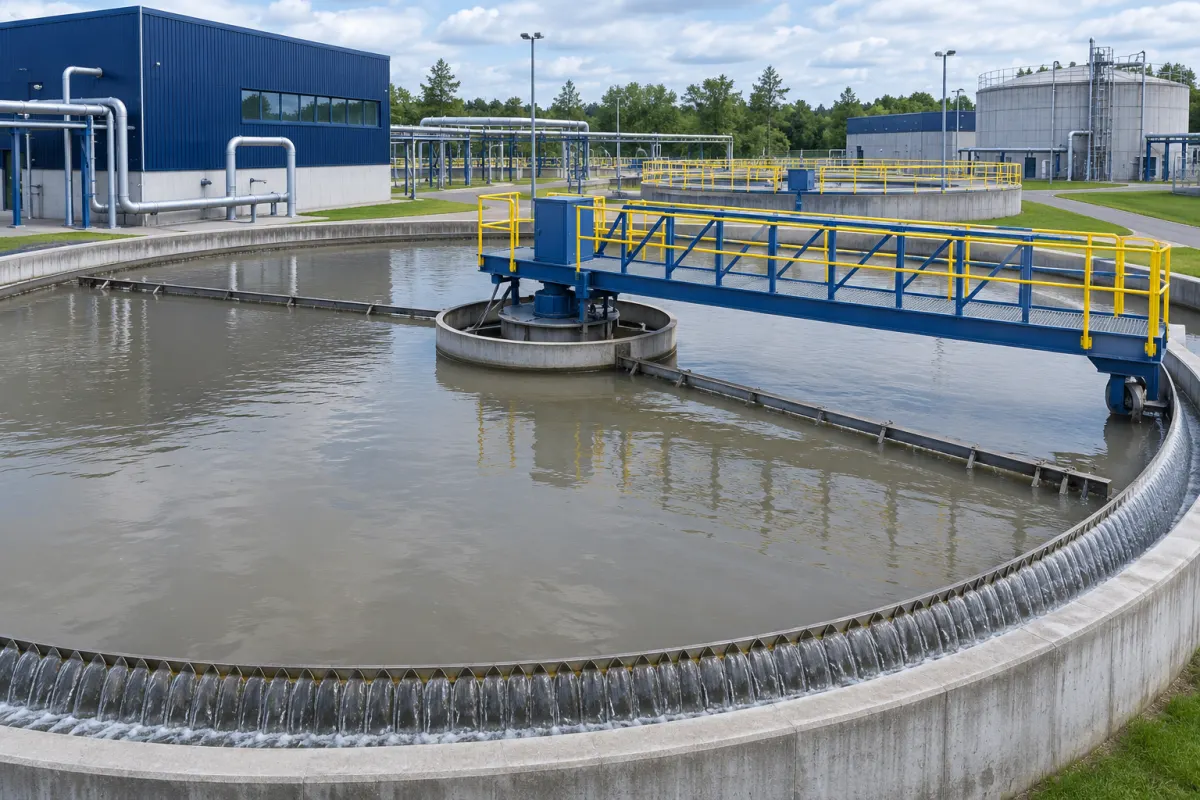
Clarifier, lamella settler, rapid sand filter
Targets
Low turbidity, low residual Al, GB 15892-2020
Set by
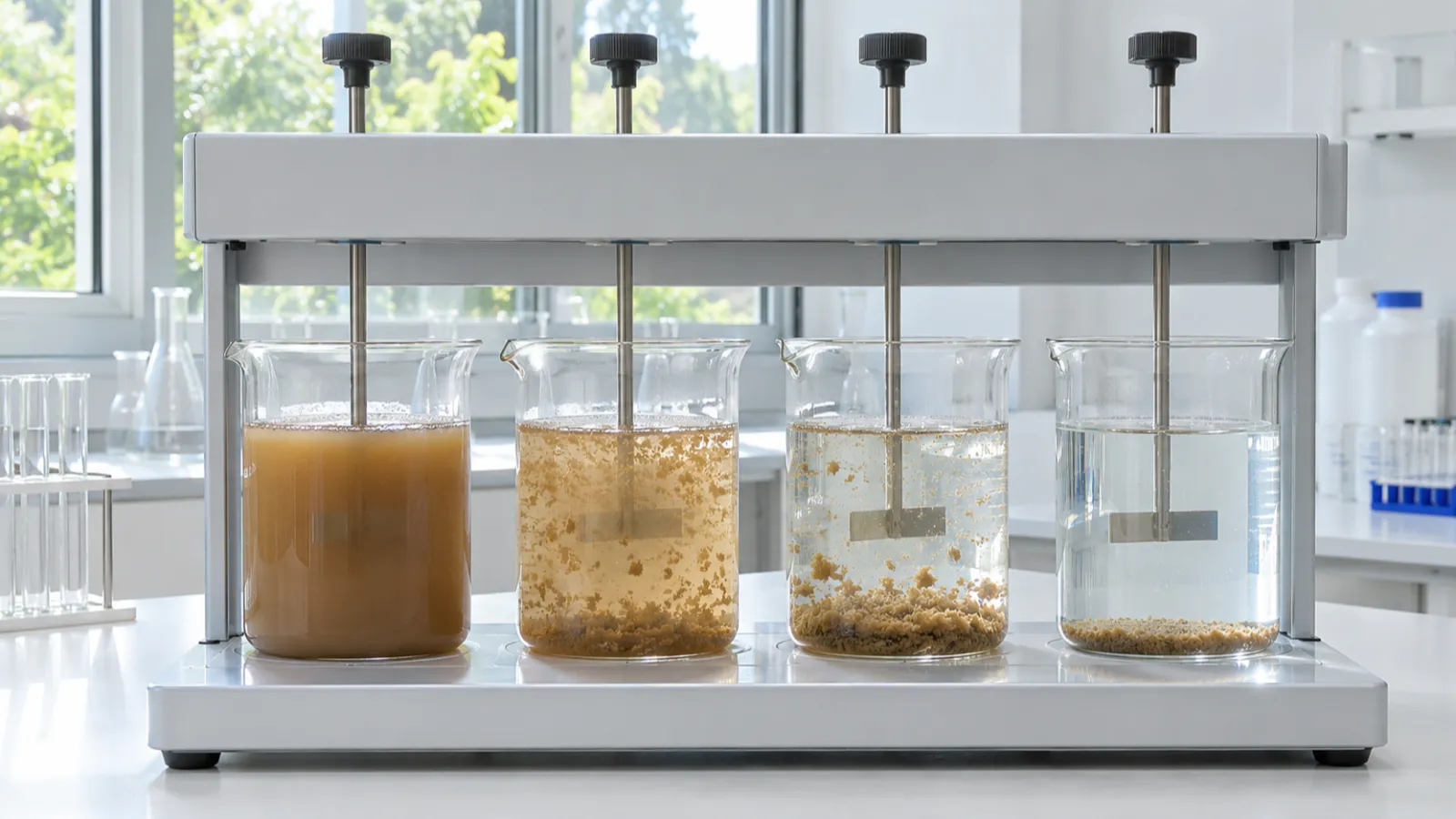
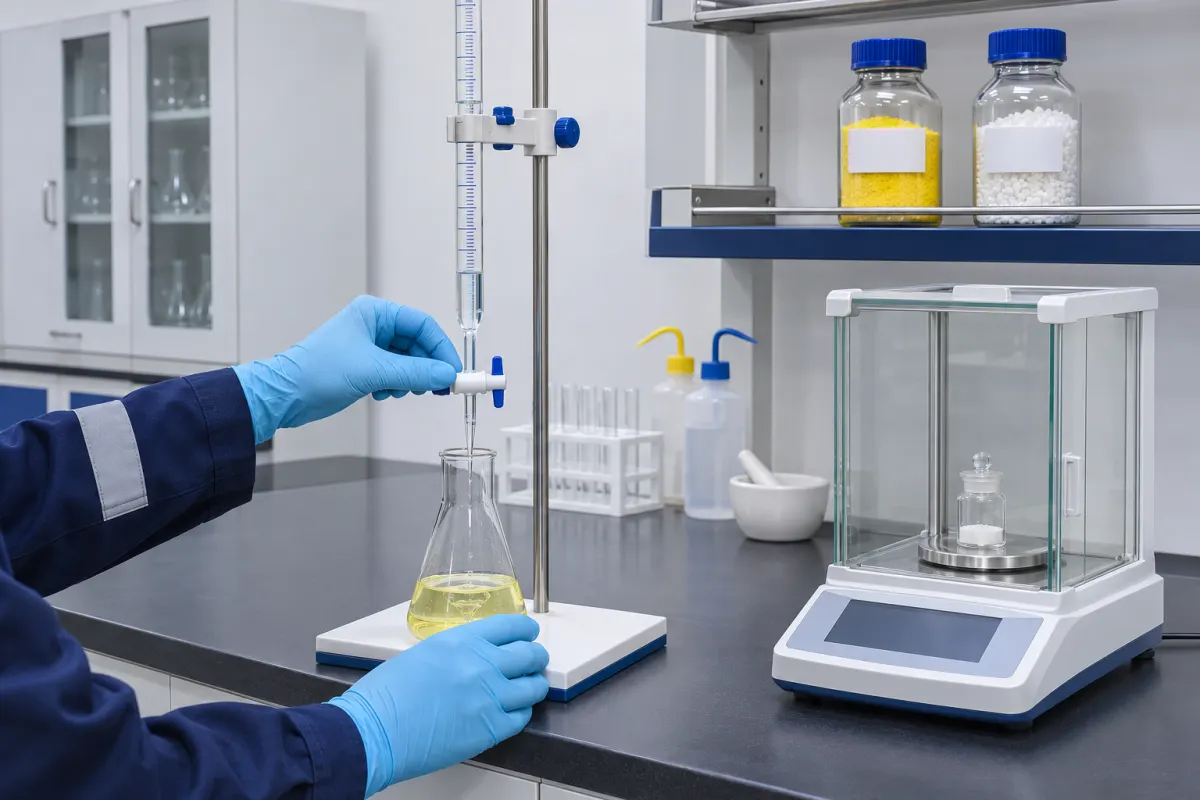
Jar test on your raw water source
The challenge

Four challenges in potable water clarification

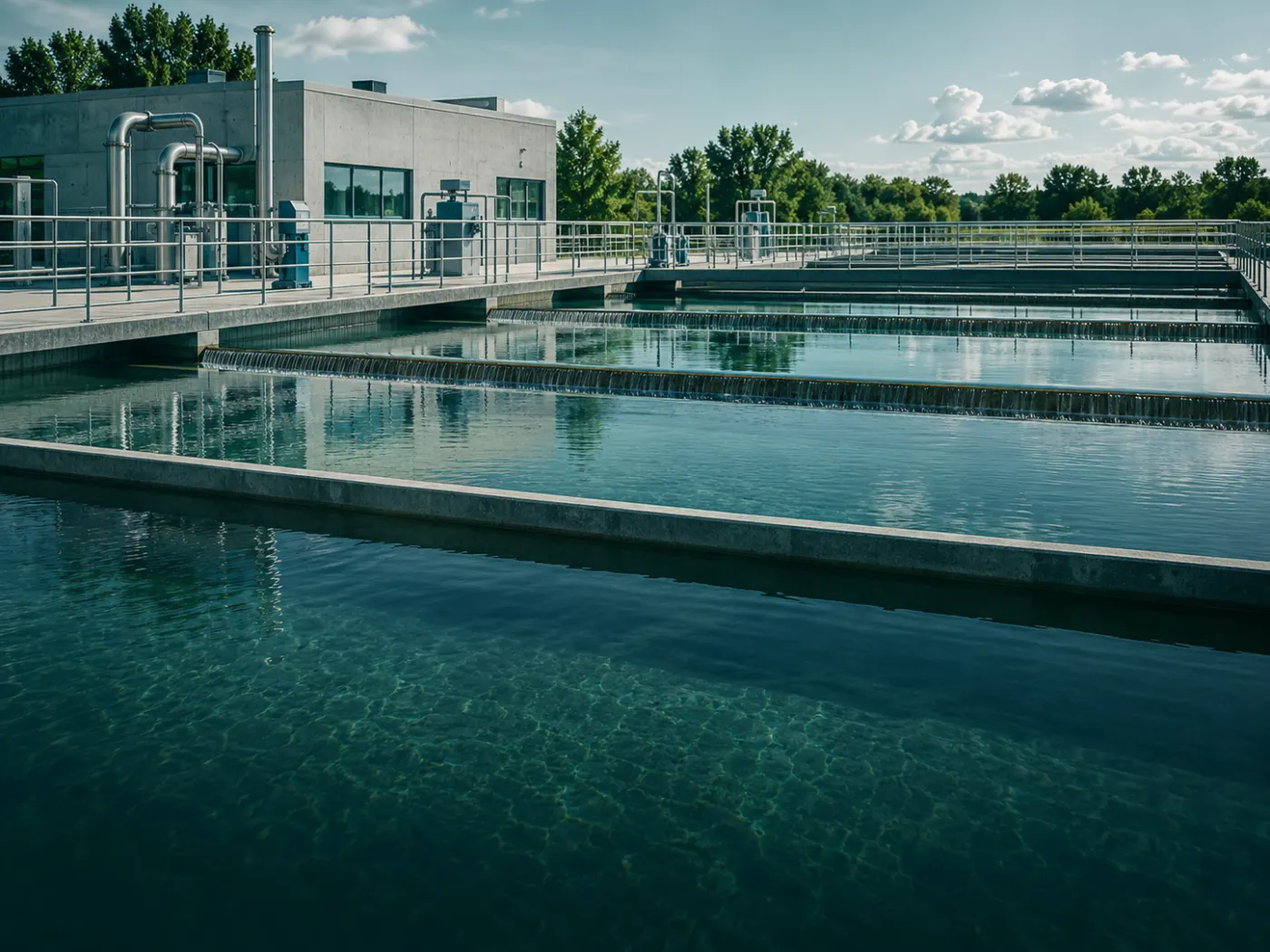
Surface water changes with rain, temperature and algae — requiring a clean, fast-acting coagulant.

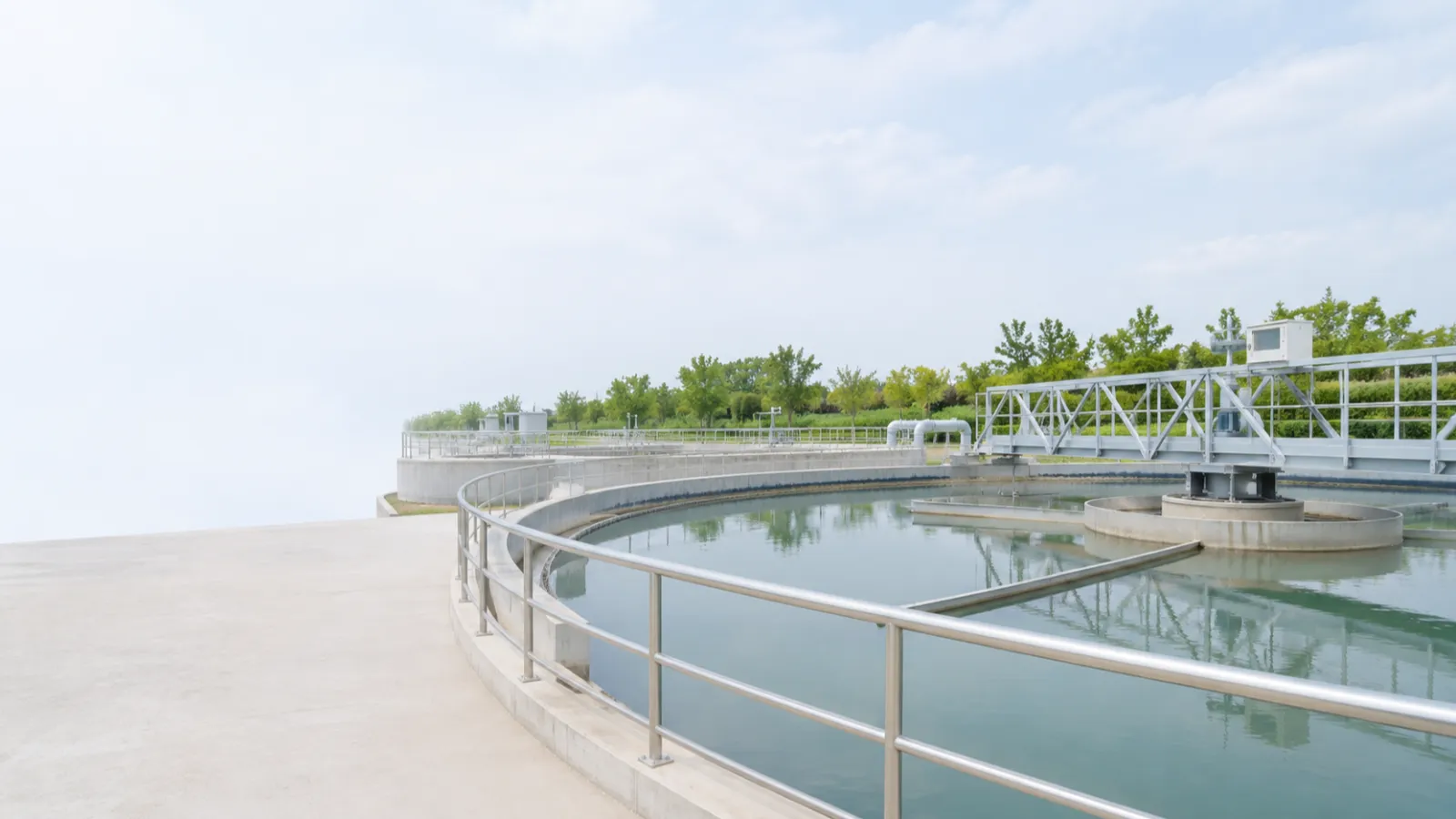
Raw river / reservoir water inClear filtered water out
01020304
Raw intake

Seasonal turbidity spikes

Heavy rain drives silt and clay spikes that overwhelm fixed chemical doses.

Cold / low-turbidity water

Slow floc formation

Low temperature slows alum coagulation; PAC stays effective over a wider pH and temperature range.

Rapid sand filters

Short filter runs

Pin flocs that escape the clarifier shorten filter cycles and increase backwash water loss.

Compliance

Strict heavy-metal limits

Potable plants require documented heavy-metal compliance on every single batch COA.

Treatment program

A typical drinking-water program

Spray-dried drinking-water PAC handles primary clarification and filter aid across seasonal raw-water swings.

01

Rapid-mix coagulation

Drinking-water PAC

ProblemRaw-water turbidity and natural colour

What it doesNeutralises silt, clay and humic colloids instantly

Where to doseRapid mixer or static mixer at plant inlet
02

Flocculation & settling

Drinking-water PAC

ProblemSuspended flocs ahead of filters

What it doesGrows settleable flocs with minimal pH drop

Where to doseFlocculation basin and clarifier

03

Filter polishing

Drinking-water PAC · optional

ProblemFine turbidity reaching sand filters

What it doesTight micro-flocs improve filter capture and run length

Where to doseAhead of rapid sand or dual-media filters

04

Backwash sludge thickening

Anionic PAM · optional

ProblemLarge volume of filter backwash water

What it doesSettles alum/PAC solids for backwash water recovery

Where to doseBackwash holding tank or thickener

Dosing points

Where each product goes in

Send your raw-water turbidity range and plant layout; we run a jar test and confirm starting dose.

Water lineSludge lineDosing pointOptionalHover or tap points 1–5
WATER LINESLUDGE LINERaw riverwaterIntakescreenClarifierbasinRapid sandfilterClearwaterBackwashthickenerSludgepressAlum/PACcake1234
1Drinking-water PAC
Rapid mixer inlet

Primary coagulation of silt, clay and colour.

2Drinking-water PACOptional
Filter aid (if needed)

Improves filter run time during turbidity spikes.

3Anionic PAMOptional
Backwash thickener

Settles clarifier and backwash solids for water reuse.

4Anionic PAMOptional
Sludge press feed

Improves cake release on dewatering press.

Free jar test

Tested on your raw water source

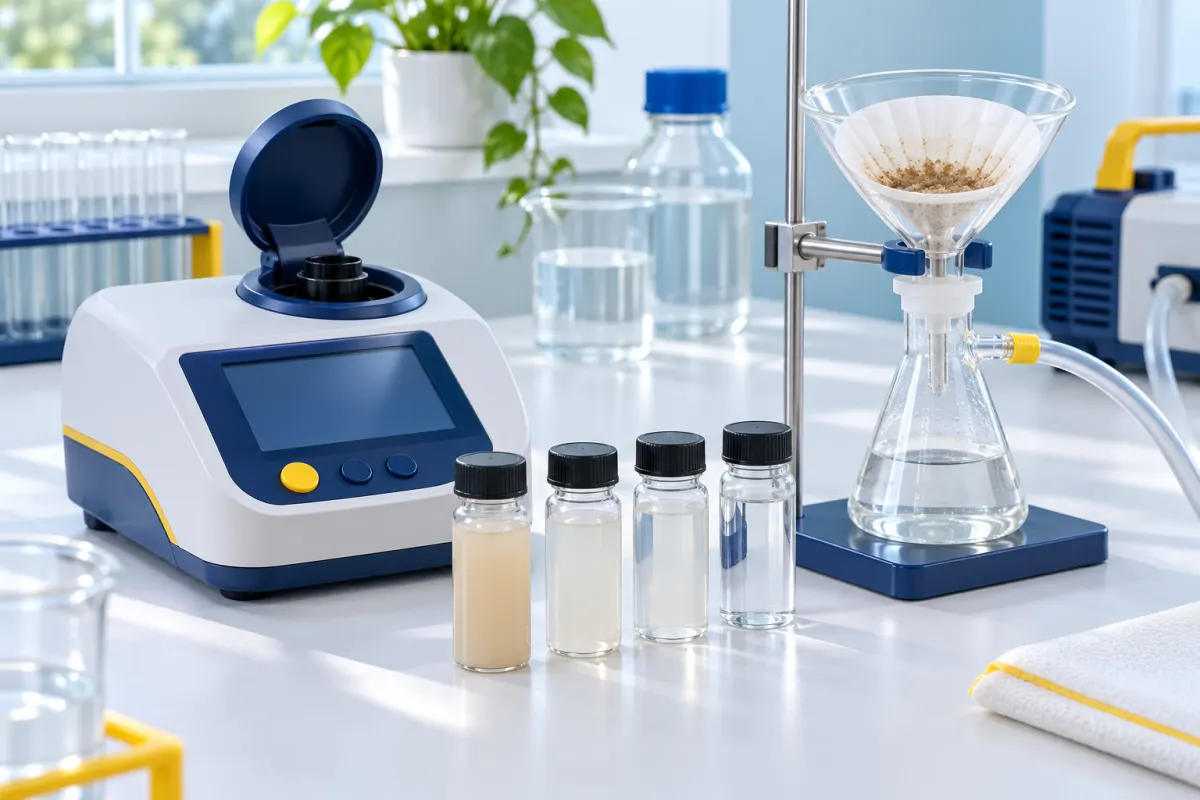
We measure settled turbidity across a dose ladder so your operators have a clear starting point.

01 Send 1 L of raw water

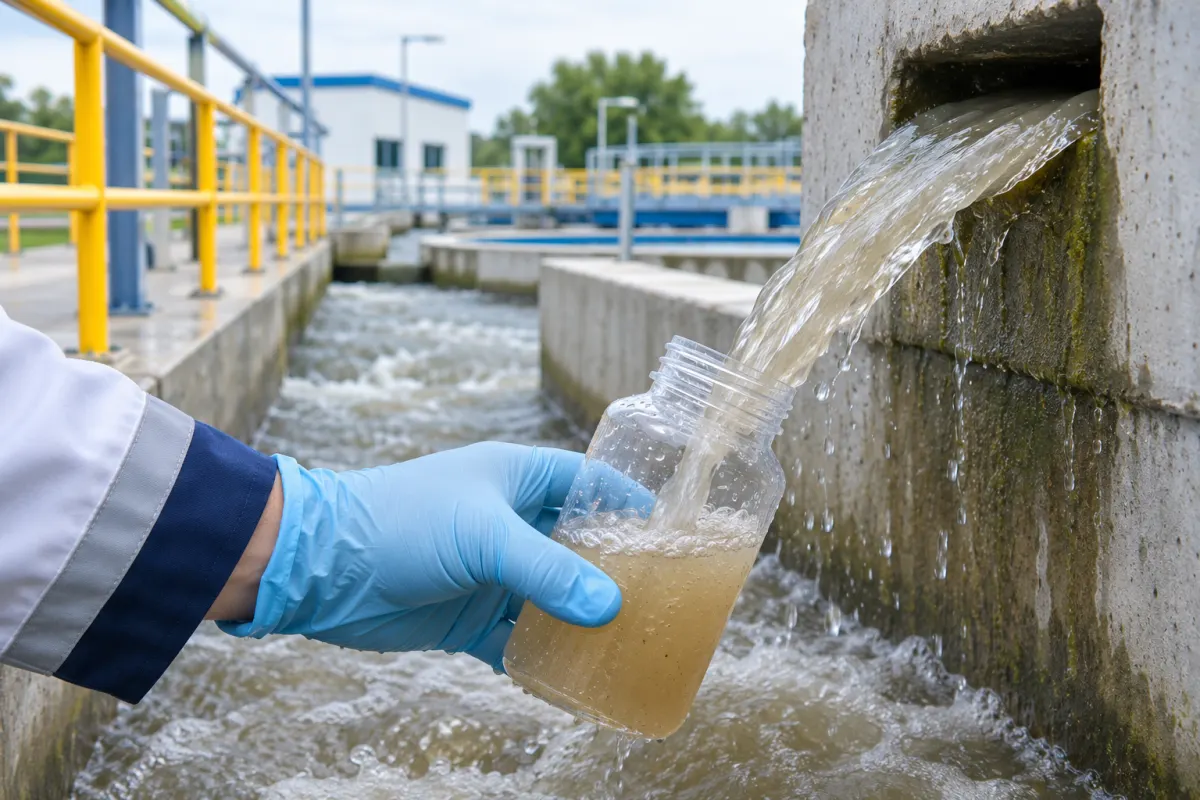
Sample from your river, reservoir or borehole intake.

02 Dose ladder test

Compare drinking-water PAC doses for floc speed and settled clarity.

03 Written report

Recommended grade, starting mg/L dose and pH notes.

04 Plant verification

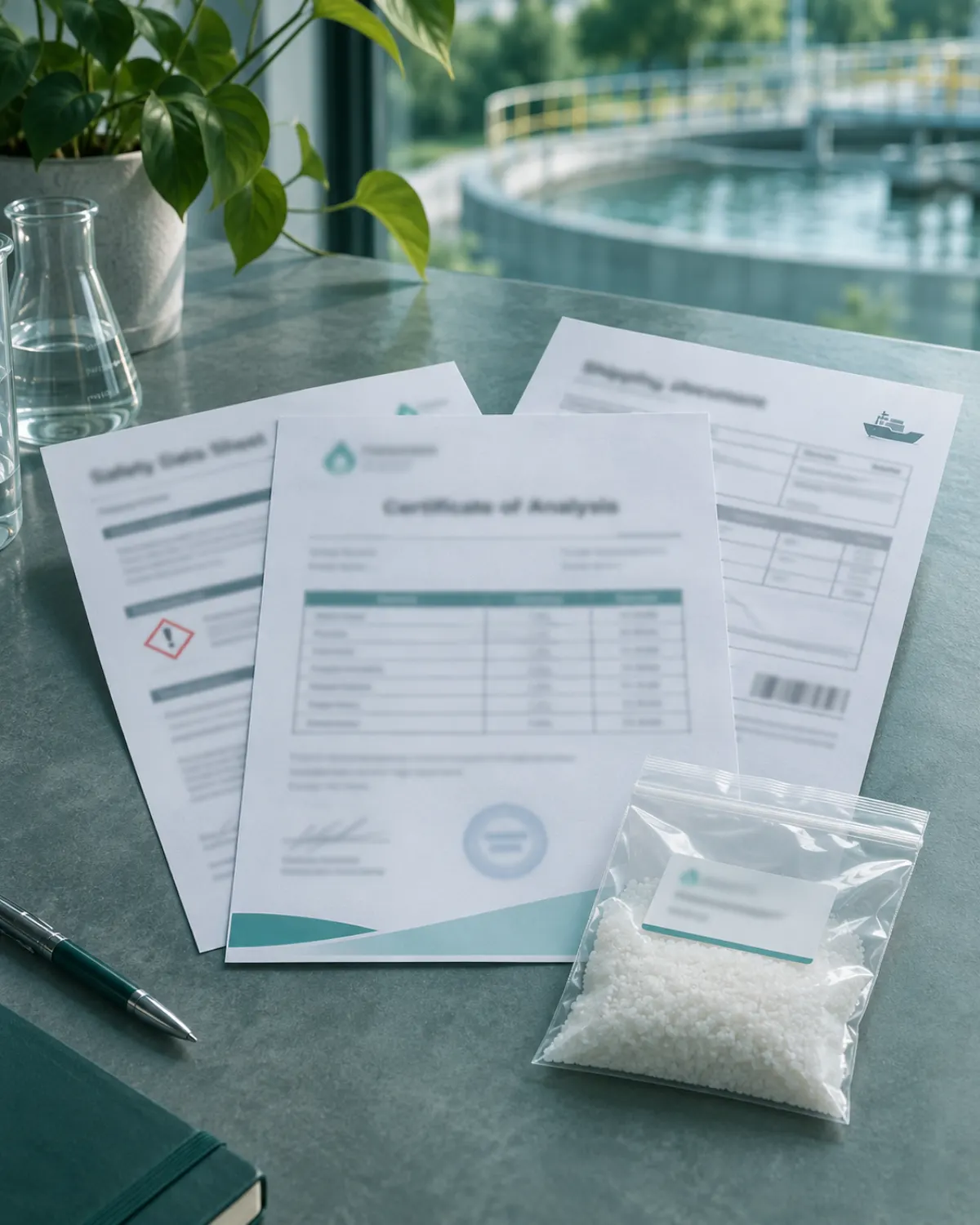
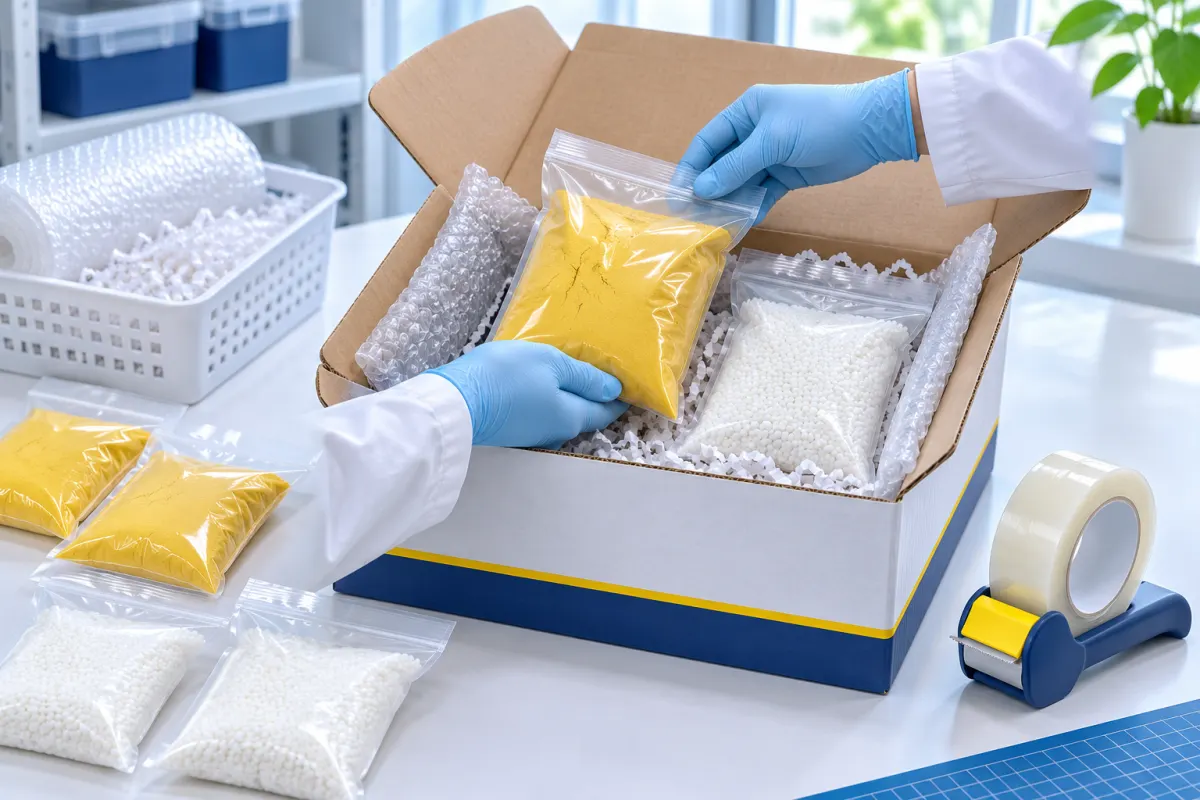
1 kg sample of GB 15892-2020 PAC with TDS, SDS and sample COA.

FAQ

Questions drinking-water plants ask.

Short answers on GB 15892-2020, heavy metals and container supply.

Talk to us sales@claripoly.com WhatsApp +86 134 1983 6447
ZZhanteng · Export & Technical Sales
Replies within one working day
What we provide Ask a question →
Why must potable plants use GB 15892-2020 PAC instead of industrial PAC?

GB 15892-2020 is the mandatory Chinese national standard for drinking-water PAC, setting strict limits on arsenic, lead, cadmium, mercury, total chromium, iron and ammonia nitrogen.

Does PAC work better than aluminium sulphate (alum) in cold water?

PAC is pre-polymerised, so it typically forms flocs faster in cold water, causes less pH drop and requires less alkalinity adjustment than alum.

Does every batch come with heavy-metal test results?

Yes. Each batch is tested and documented on the COA matched to the batch number printed on the bags.

How is drinking-water PAC packed?

In 25 kg woven PP bags with moisture-barrier PE liners or 1 t big bags to keep spray-dried powder dry during sea freight.

What is the lead time?

7–15 days from order confirmation, shipping from Qingdao, Tianjin or Shanghai.

Can you supply TDS, SDS and sample COA for tender approval?

Yes. Ask via the form below and we send the TDS, SDS and a sample COA within one working day.

Are samples free?

We send 1 kg samples of the recommended grades for a trial on your own equipment. Samples are free of charge; the buyer pays the courier.

What documents come with each shipment?

A certificate of analysis (COA) for every batch, plus the TDS and SDS. A certificate of origin comes with every shipment, and Form E for ASEAN destinations.

What is the minimum order and what payment terms do you accept?

Minimum order is 1 tonne per grade. We accept T/T (30% deposit, balance before shipment) and L/C at sight. Trial orders start at 1 tonne, so you start small and scale up once the grade is proven.

Tell us about your water works.

Tell us what you treat and what you use now. We reply within one working day and tell you where to send the sample.

Z
Your contactZhantengExport & Technical Sales

To get a quote in one reply, include

  • Application or industry
  • Product and dose you use now
  • Monthly volume and destination port

    Jar test or quotation · drinking water

    What do you need?

    Your water, as far as you know:

    We reply within one working day.