Drinking-water PACPotable water grade · Al₂O₃ ≥ 29.0% · GB 15892-2020
Spray-dried polyaluminium chloride made to the mandatory drinking-water standard GB 15892-2020. Low heavy metals, fast dissolution and low turbidity for water works and package potable plants.
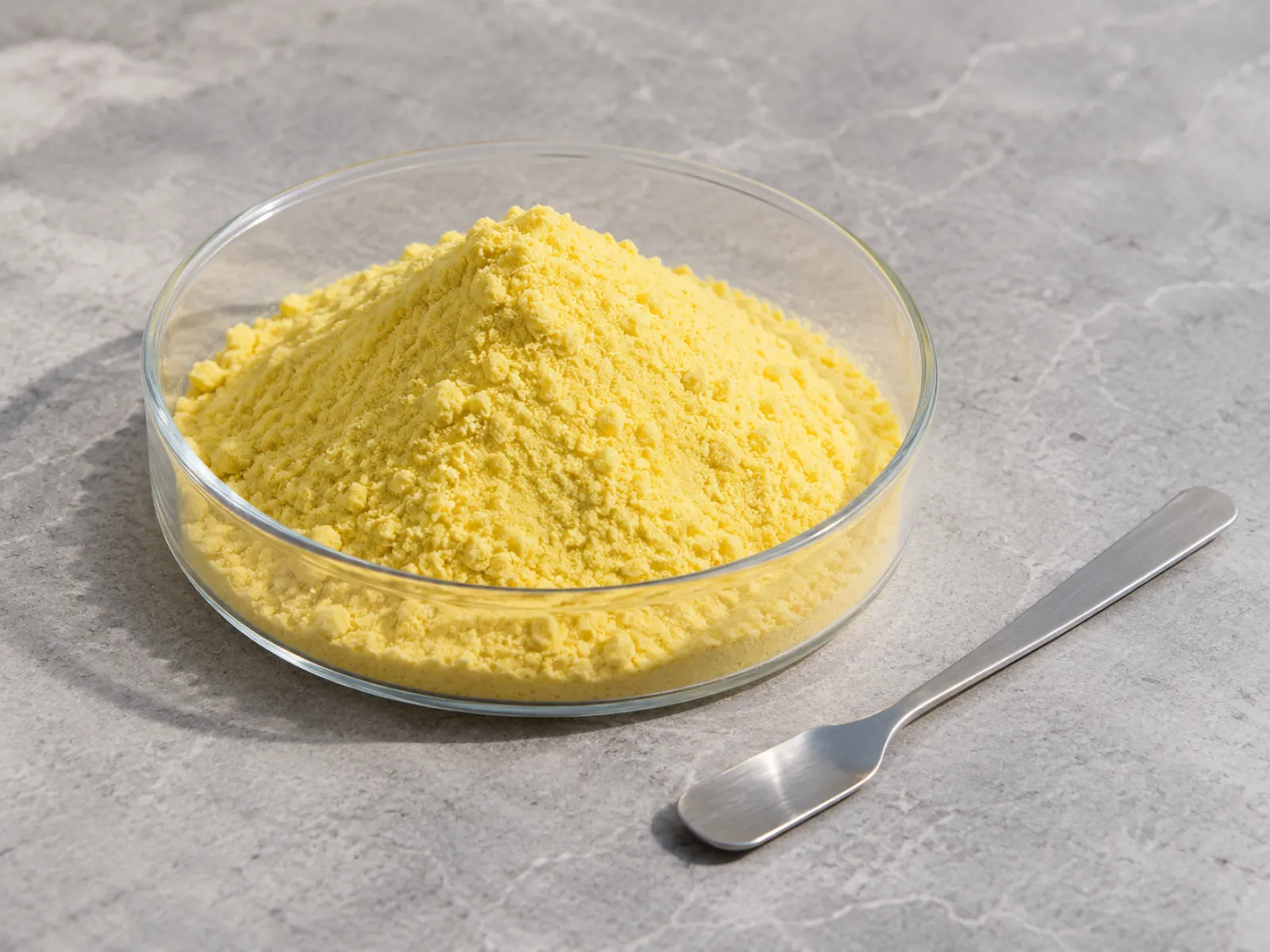
Made for potable water standards
Drinking-water PAC is spray-dried for low insolubles and tested against the heavy-metal limits of GB 15892-2020 on every batch.
| Grade | Al₂O₃ | Appearance | Standard | Typical use |
|---|---|---|---|---|
| Spray-dried PAC 30% | ≥ 29.0% | Light yellow to golden-yellow fine powder | GB 15892-2020 | Municipal water works, surface water, package potable plants |
| Liquid PAC (potable) | ≥ 10.0% | Clear to pale yellow liquid | GB 15892-2020 | Direct-dosing water treatment plants (bulk supply) |
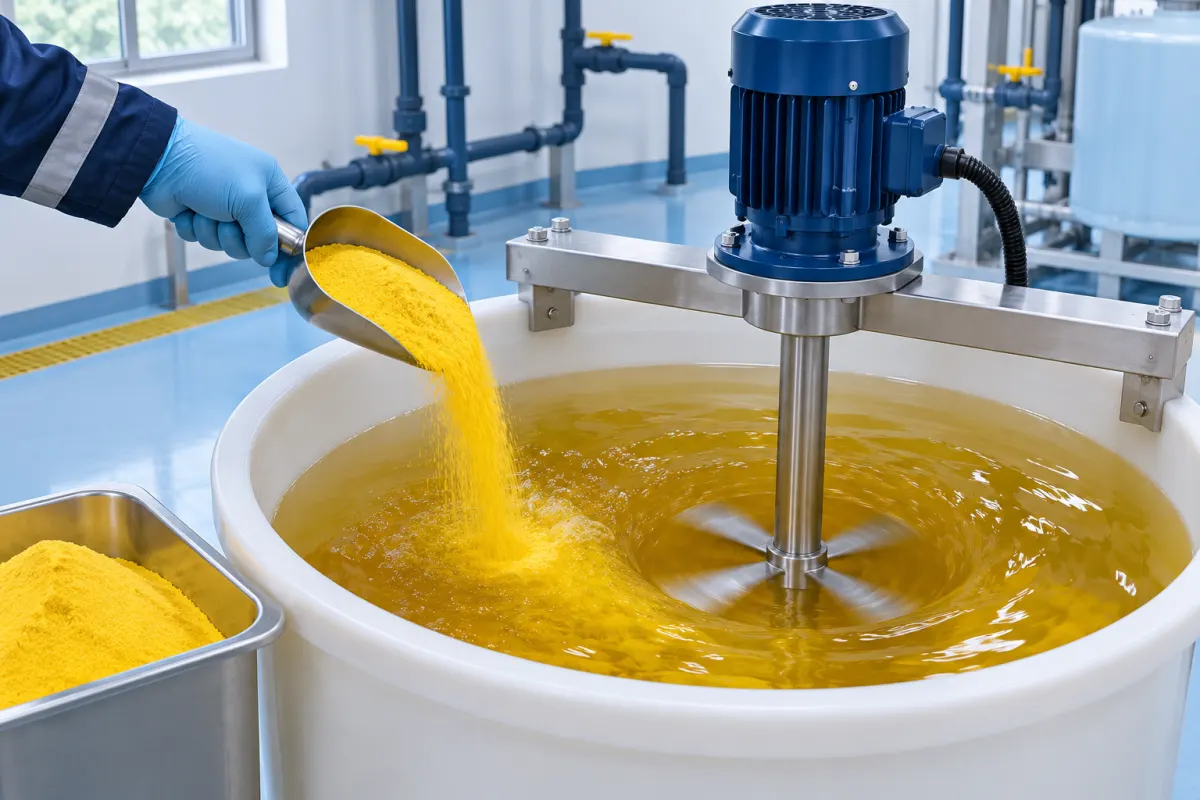
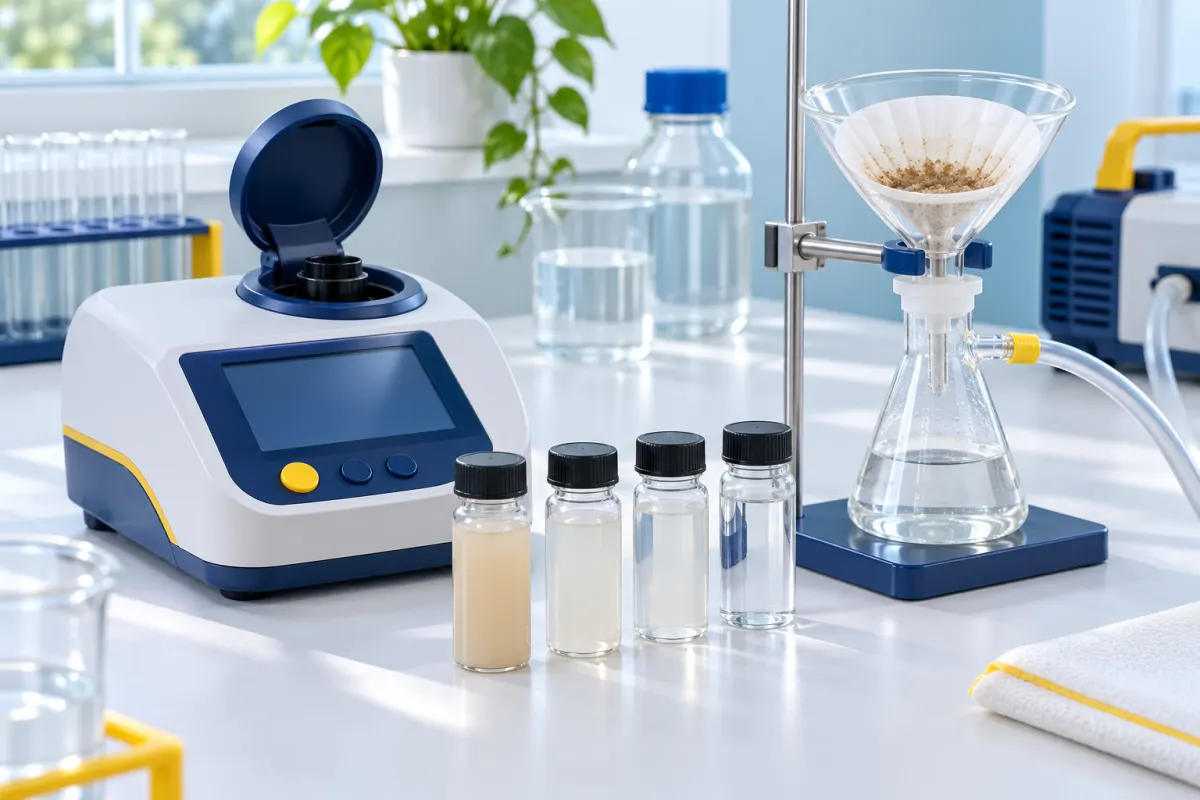
Typical specification
Solid drinking-water grade made to GB 15892-2020. Exact specification confirmed on the batch COA.
| Item | Value |
|---|---|
| Appearance | Light yellow to golden-yellow fine powder |
| Al₂O₃ (solid) | ≥ 29.0% — actual value on the batch COA |
| Basicity | Per COA (within GB 15892-2020 range) |
| pH (10 g/L solution) | 3.5–5.0 |
| Water-insoluble matter | Per COA (low-insoluble spray-dried grade) |
| Heavy metals (As, Pb, Cd, Hg, total Cr) & Fe, NH₃-N | Within GB 15892-2020 limits — per COA |
| Standard | GB 15892-2020 |
Where drinking-water PAC is used
Removes suspended silt, colloids and natural colour from raw river, lake and reservoir water.
Drinking water works
Primary coagulation of river, reservoir and borehole water ahead of clarifiers and rapid sand filters.
Municipal clarification
Low-insoluble coagulation where tight outlet turbidity and low iron/heavy-metal carryover are required.
Process water intake
Clean raw-water clarification for beverage, paper and industrial utility plants.
Not on the list?
Send a litre of your water. We test it with PAC and PAM side by side and tell you which grade works, in writing.
Free jar test →Many water works run drinking-water PAC on its own. When seasonal turbidity spikes, a small dose of potable-approved flocculant can speed settling — confirmed by a jar test on your raw water.
Four things to get right
Basic handling for spray-dried drinking-water PAC; full guidance is on the TDS.
 01
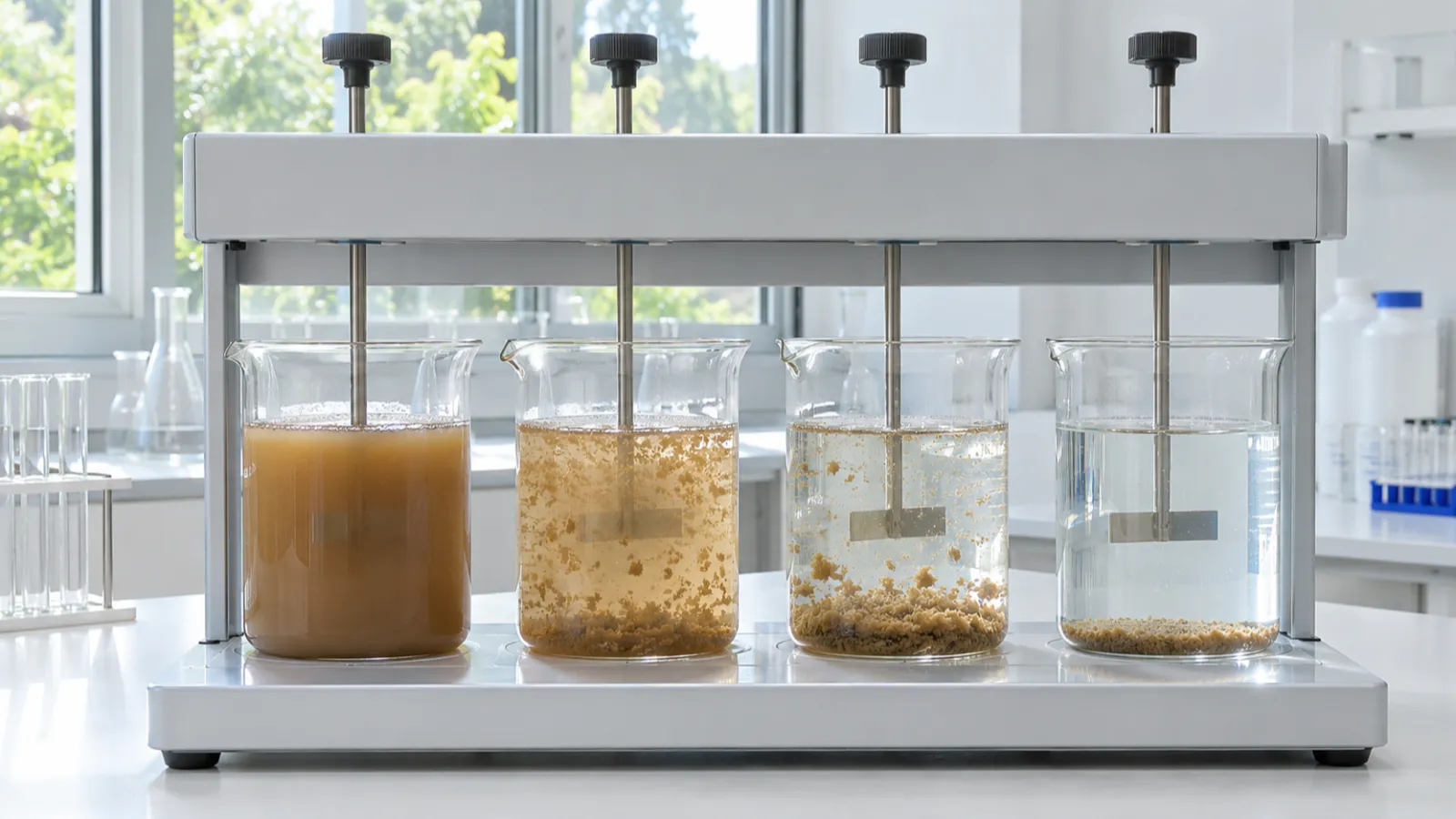
Jar test when raw water shifts
Rain, algae and cold water change raw-water turbidity. Run a quick jar test to adjust the dose before turbidity reaches the filters.
02
Dissolve to 5–10% working solution
Spray-dried PAC dissolves quickly in clean water with minimal residue. Dose via corrosion-resistant metering pumps.
03
Flash mix, then gentle flocculation
Dose at a point of fast turbulence so PAC disperses instantly, then allow gentle flocculation before clarification.
 04
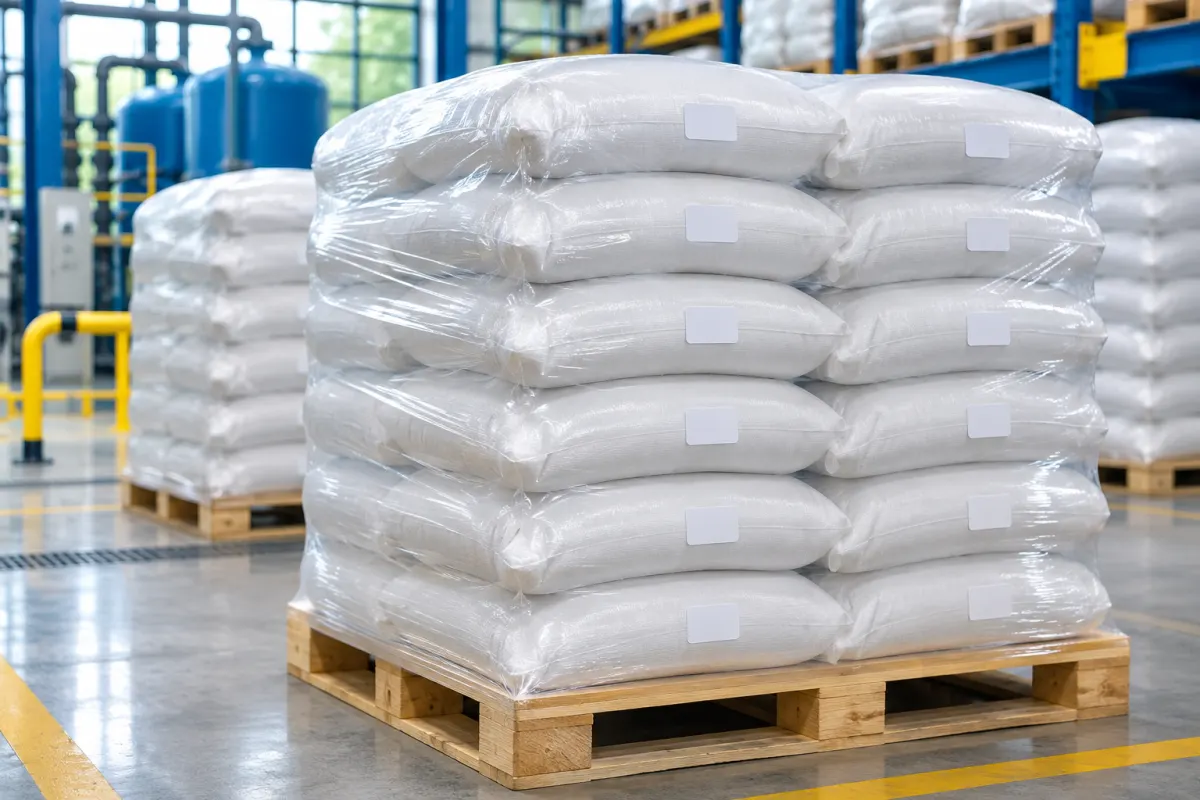
Keep sealed and dry
Store bags off the floor in a cool, dry warehouse. The solution is mildly acidic — wear eye protection and gloves.
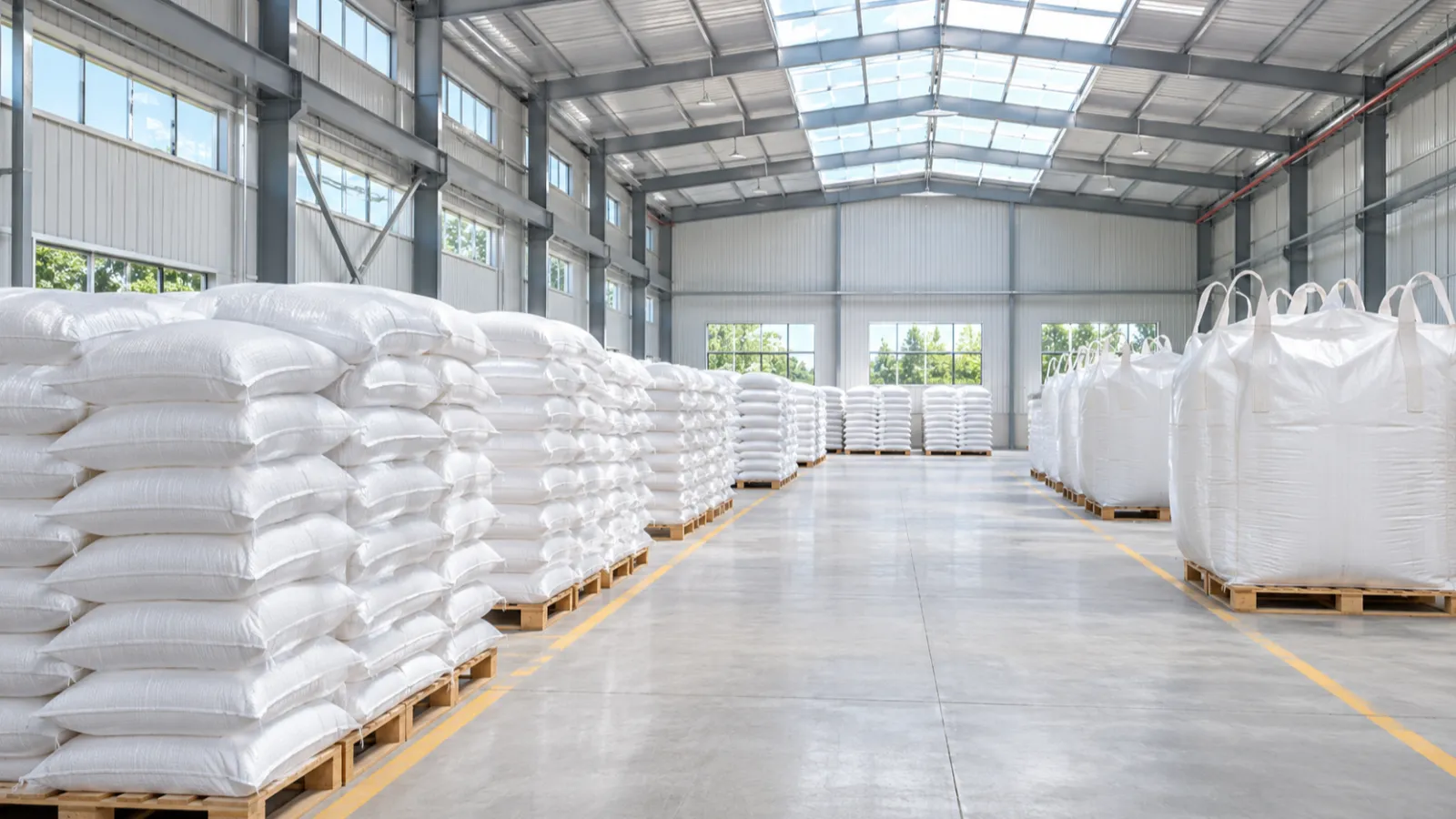
Packed to stay dry and traceable
Moisture-barrier PE inner liners protect fine spray-dried powder during sea freight.
Every batch, on paper.
Ask for the TDS and SDS before you order. The COA travels with every shipment.
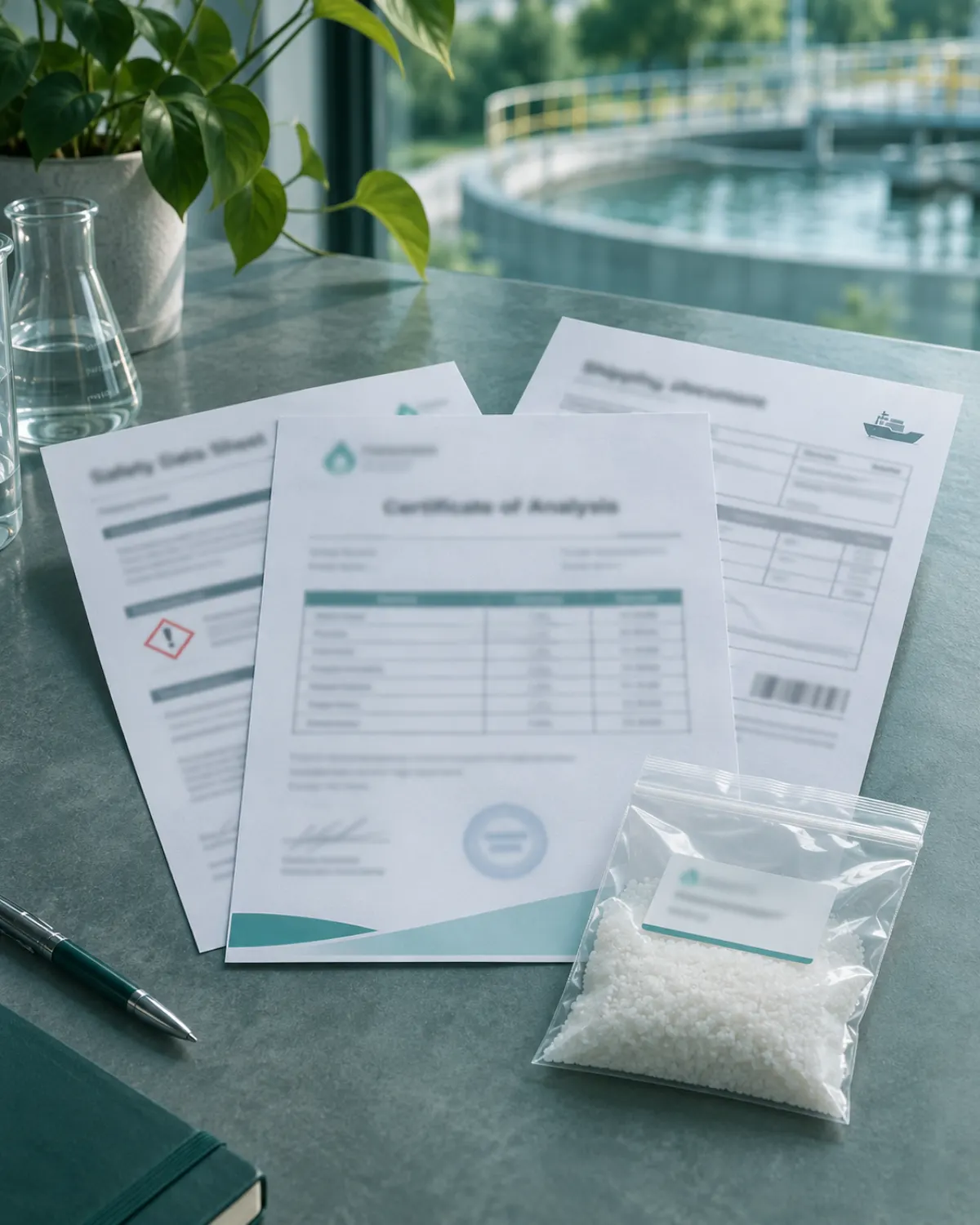
Certificate of analysis
Every batchMeasured values for the batch, matched to the batch number on the bag.
Request COA →Technical data sheet
Before you orderGrade specification, recommended solution strength, storage and shelf life.
Request TDS →Safety data sheet
Before you orderHazards, handling, storage and transport information.
Request SDS →Certificate of origin · Form E
Every shipment · Form E for ASEANCertificate of origin with every shipment; Form E for ASEAN destinations, for preferential duty.
Request C/O →
Questions buyers ask about drinking-water PAC.
Short answers on GB 15892-2020, heavy metals and shipping.
Replies within one working day
How is drinking-water PAC different from industrial PAC?
Drinking-water PAC is made to the mandatory standard GB 15892-2020, with strict limits on arsenic, lead, cadmium, mercury, total chromium, iron and ammonia nitrogen, plus Al₂O₃ ≥ 29.0% for solid grades. Industrial PAC follows GB/T 22627-2022 for wastewater and sludge.
Why is it spray-dried instead of drum-dried?
Spray drying produces a finer, lighter yellow powder with lower water-insoluble matter, so it dissolves faster and leaves less sediment in dosing tanks and chemical lines.
Do you provide heavy-metal test results with every shipment?
Yes. Measured batch values, including Al₂O₃, basicity, pH and heavy-metal compliance to GB 15892-2020, are stated on the COA matched to the batch number on the bags.
Can drinking-water PAC ship in the same container as industrial PAC or PAM?
Yes. Separate pallets and clear batch labels let you combine drinking-water PAC with other Claripoly grades in one 20 ft container.
How is it packed and shipped?
In 25 kg bags with moisture-barrier PE liners or 1 t big bags. A 20 ft container holds about 20 t palletised or 25 t floor-loaded. Lead time is 7–15 days from Qingdao, Tianjin or Shanghai.
What documents come with each shipment?
A batch COA, TDS, SDS and certificate of origin with every shipment, plus Form E for ASEAN destinations.
How should PAC be stored?
PAC takes up moisture from the air. Keep bags sealed, dry, off the floor and out of the rain. The solution is acidic, so wear gloves and eye protection when handling it. Shelf life is stated on the TDS for each grade.
Are samples free?
We send 1 kg samples of the recommended grades for a trial on your own equipment. Samples are free of charge; the buyer pays the courier.
What is the minimum order and what payment terms do you accept?
Minimum order is 1 tonne per grade. We accept T/T (30% deposit, balance before shipment) and L/C at sight. Trial orders start at 1 tonne, so you start small and scale up once the grade is proven.
Get a price for drinking-water PAC.
Tell us your required standard, monthly volume and destination port. We reply within one working day.
For a quote in one reply, include
- Drinking-water PAC (GB 15892-2020)
- Monthly volume & bag size
- Destination port