Application file · Textile dyeing

Textile dyeing

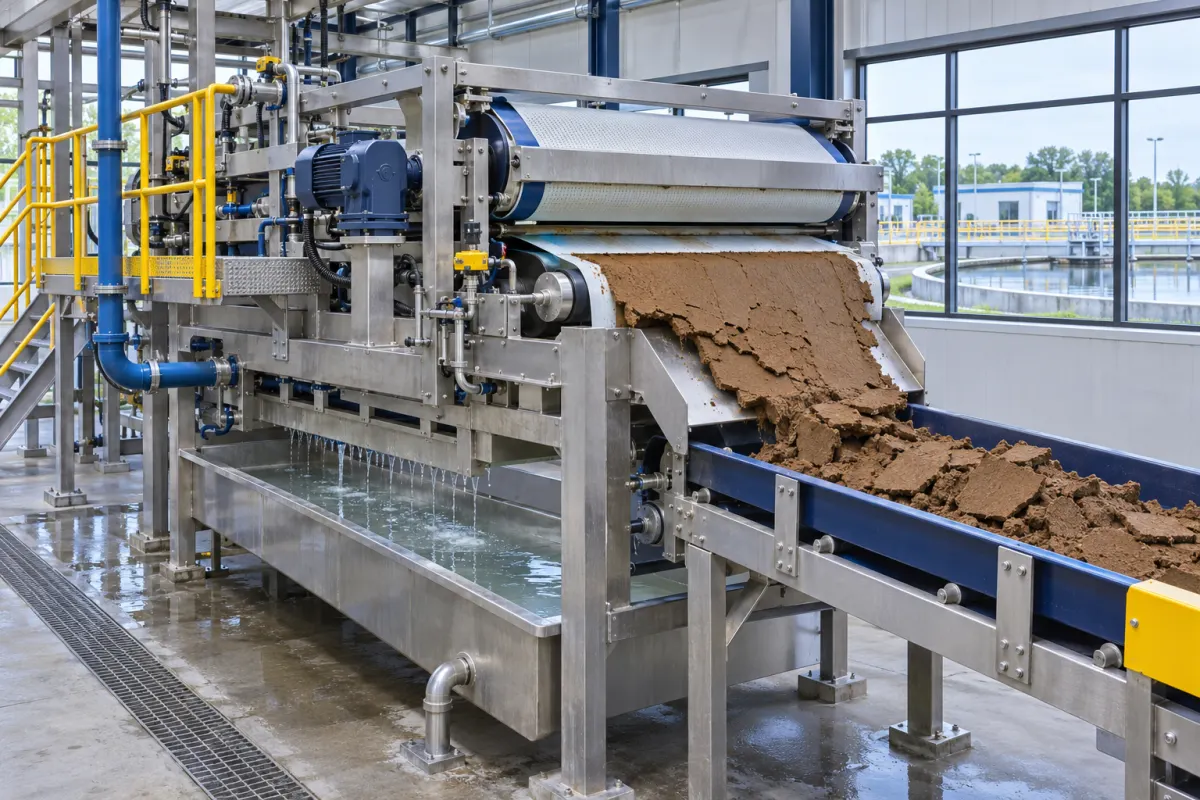
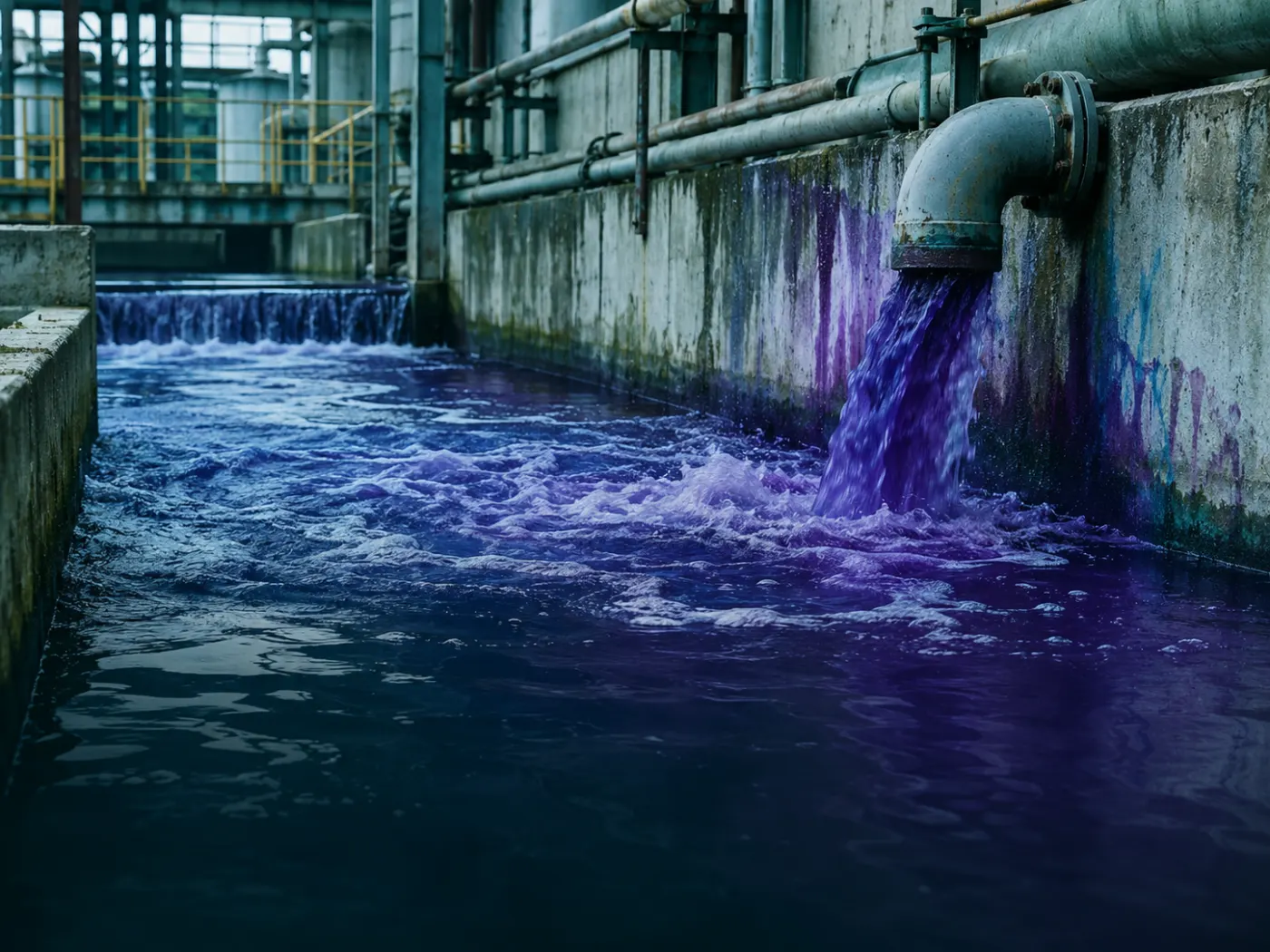
Colour & COD linePACdecolourise · lower COD
Floc & sludge lineCationic / nonionic PAMsettle · dewater

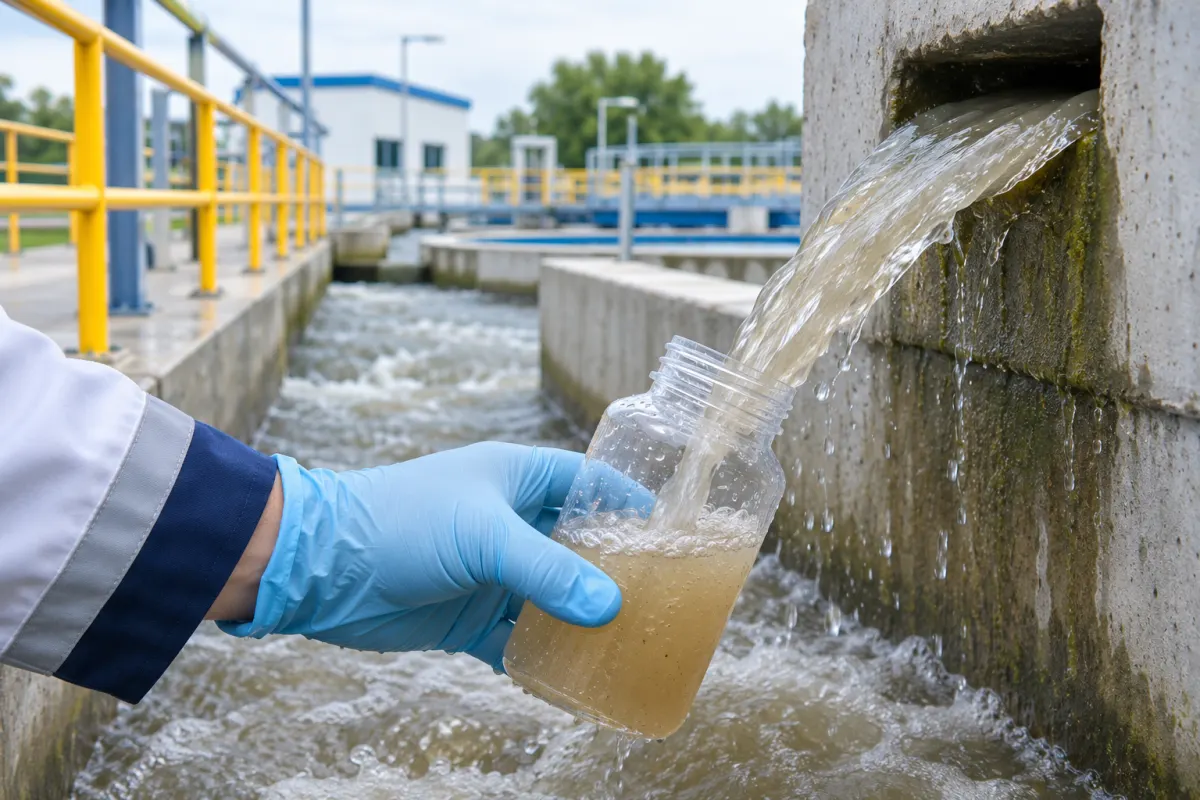
Reactive, disperse and vat dyes change colour and pH from batch to batch. We test PAC paired with cationic and nonionic PAM on your actual effluent.

Textile dyeing effluent treatment
Dosed at
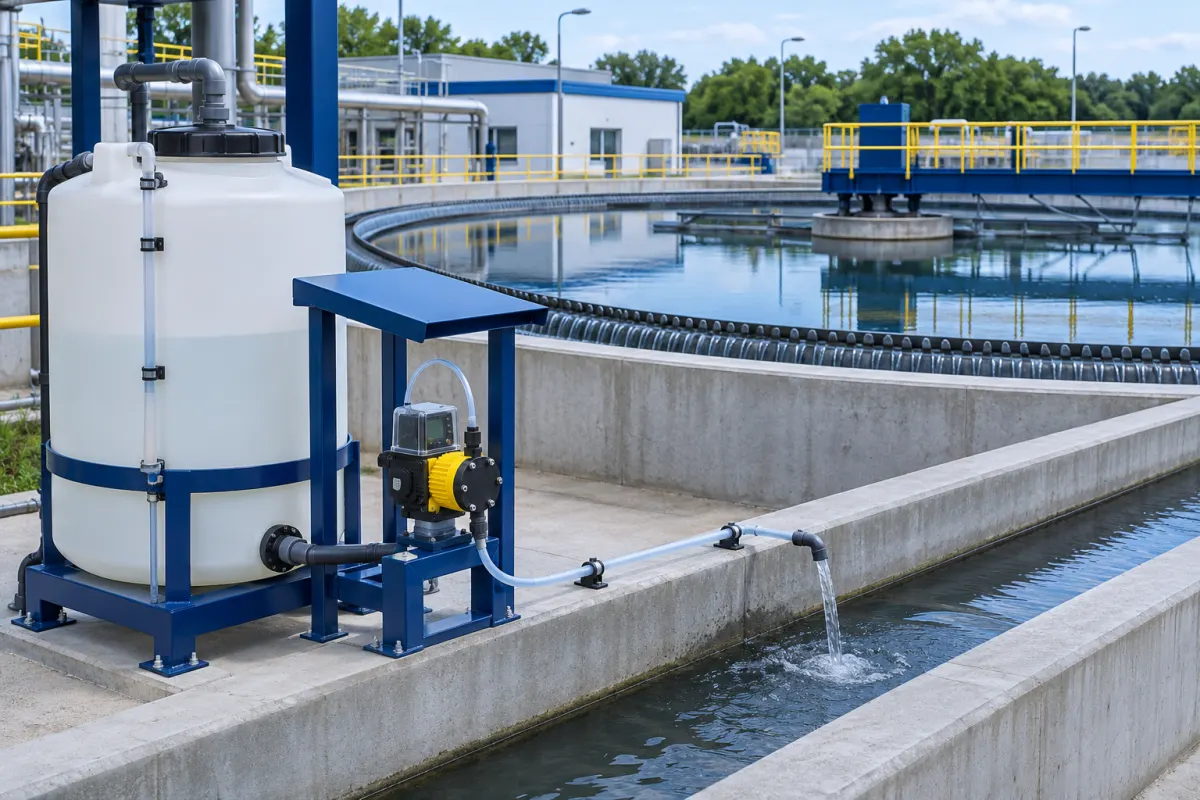
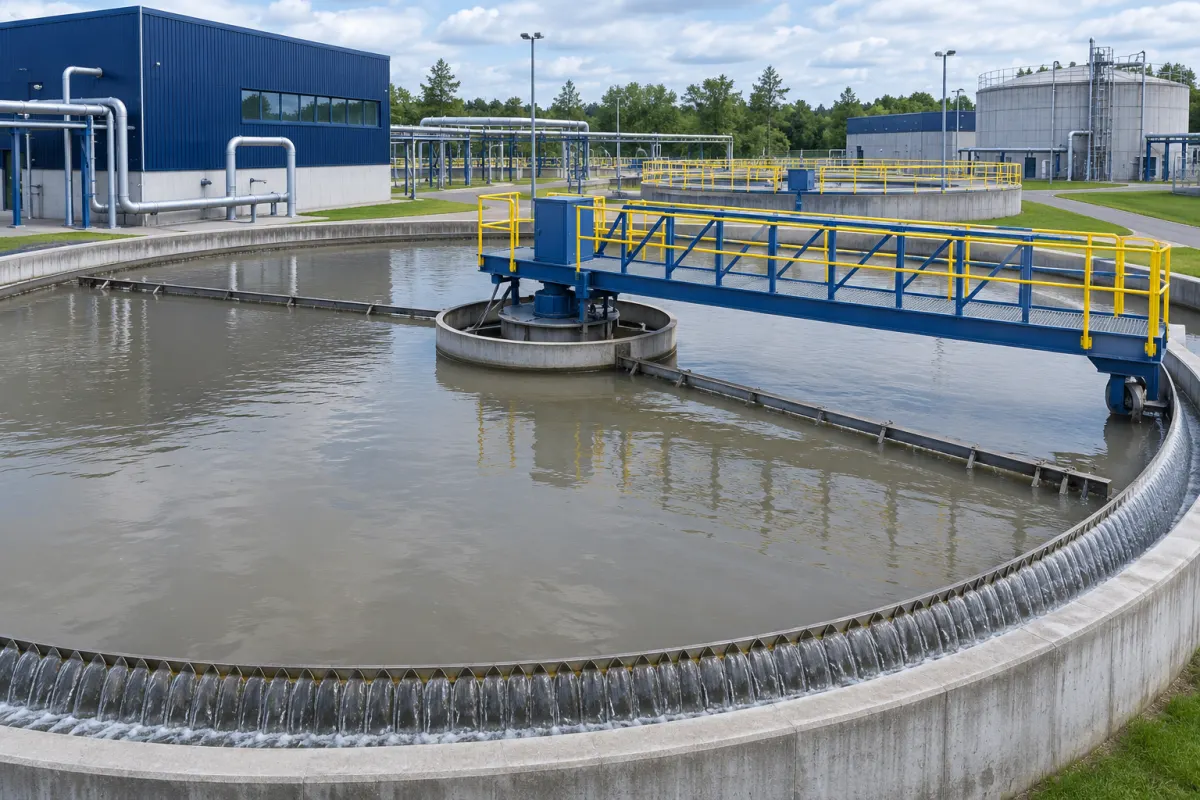
Equalisation · coagulation tank · clarifier · press
Equipment
Clarifier, DAF, belt press, plate filter press
Targets
Colour removal, COD reduction, dry dye sludge
Set by
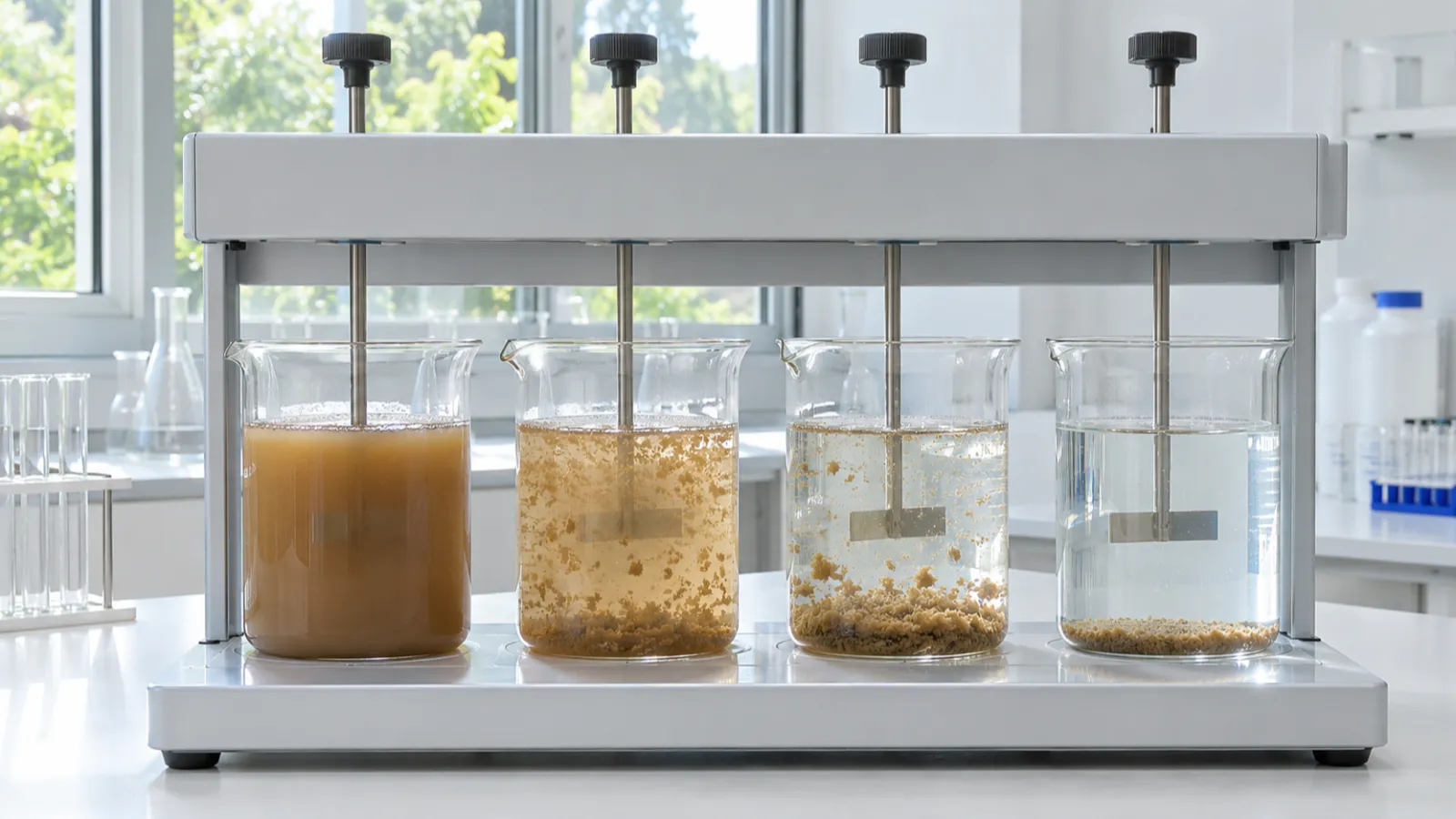
Jar test on your dye effluent
The challenge

Four challenges in dyeing and printing wastewater

High colour, surfactants and shifting pH make dyeing effluent one of the hardest streams to keep stable.

Coloured dye effluent inClear water & cake out
01020304
Equalisation tank

Colour and pH swing every shift

Different dye baths shift pH from acidic to strongly alkaline within hours.

Coagulation tank

Stubborn dissolved colour & COD

Biological treatment alone leaves visible colour and refractory COD.

Clarifier / DAF

Light, slow-settling dye flocs

PAC micro-flocs are light and easily wash over the weir without the right PAM.

Sludge press

Sticky chemical-biological sludge

Dyeing sludge is hard to press dry unless polymer charge matches the mix.

Treatment program

A typical textile-dyeing program

PAC breaks colour and emulsified auxiliaries first; cationic or nonionic PAM bridges the micro-flocs and dewaters the sludge.

01

Coagulation & colour removal

PAC

ProblemHigh colour, COD and surfactants

What it doesNeutralises dye colloids and precipitates colour

Where to doseFlash mixer after pH equalisation
02

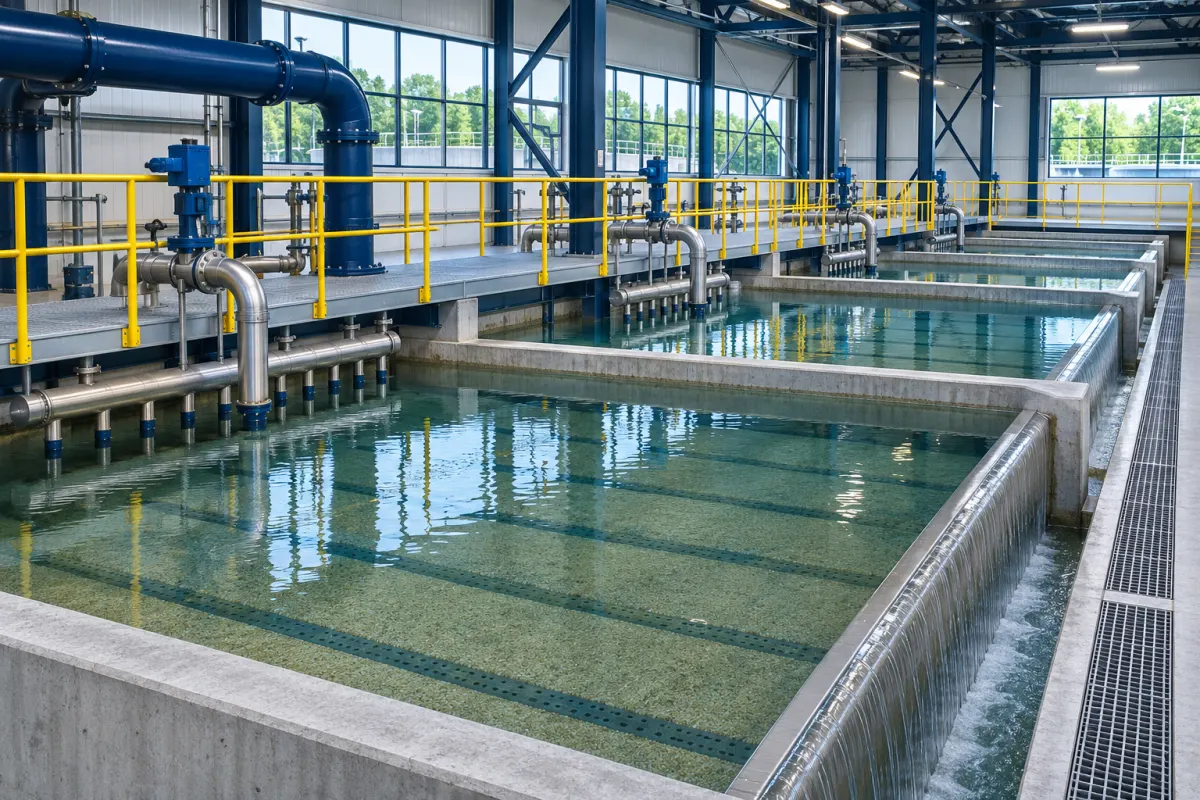
Flocculation & settling

Nonionic PAM Cationic PAM · optional

ProblemPin flocs carry over the clarifier weir

What it doesBuilds fast-settling flocs across fluctuating pH

Where to doseFlocculation zone ahead of clarifier or DAF

03

Tertiary polishing

PAC

ProblemResidual colour after biological stage

What it doesFinal colour and COD polishing before discharge

Where to doseAhead of tertiary clarifier or sand filter

04

Dye sludge dewatering

Cationic PAM

ProblemWet chemical + bio sludge cake

What it doesReleases water cleanly on belt or plate press

Where to doseSludge feed line ahead of dewatering press

Dosing points

Where each product goes in

Send 1 L of equalised dye effluent; we test PAC + cationic and PAC + nonionic side by side.

Water lineSludge lineDosing pointOptionalHover or tap points 1–5
WATER LINESLUDGE LINERaw dyeeffluentEqualisation& pHPrimaryclarifierBiologicaltreatmentSecondaryclarifierTreatedeffluentSludgethickenerBelt / platepressDye sludgecake1234
1PAC
Before primary clarifier

Breaks colour, surfactants and suspended solids.

2Nonionic PAMOptional
Primary flocculation

Bridges dye flocs cleanly even at low pH.

3PAC
Before secondary clarifier

Polishes residual colour and COD.

4Cationic PAM
Press feed line

Dewaters mixed chemical and biological sludge.

Free jar test

Tested on your actual dye effluent

No two dye houses share the same dye mix. We compare PAC grades with cationic, anionic and nonionic PAM on your sample.

01 Send 1 L of effluent

Equalised wastewater (plus sludge if you also dewater).

02 Colour & floc test

Parallel jar tests comparing colour clarity, settling speed and floc strength.

03 Written report

Recommended PAC + PAM grades, ratio and starting dose.

04 Trial samples

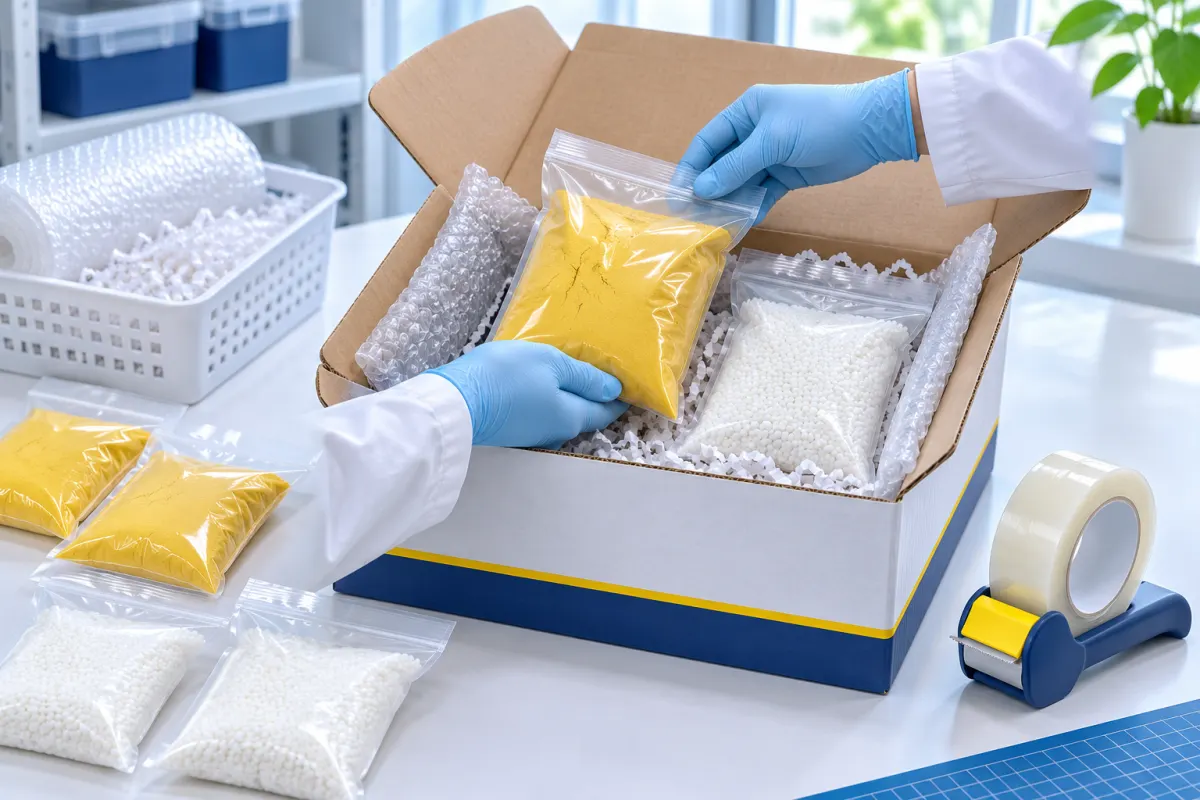
1 kg samples shipped for a trial on your own treatment plant.

FAQ

Questions textile dyeing plants ask.

Short answers on colour removal, PAM choice and mixed containers.

Talk to us sales@claripoly.com WhatsApp +86 134 1983 6447
ZZhanteng · Export & Technical Sales
Replies within one working day
What we provide Ask a question →
Cationic or nonionic PAM for dyeing wastewater?

If effluent is acidic or high-salt, nonionic PAM often outperforms ionic grades in clarification. For dewatering mixed biological + chemical dye sludge, cationic PAM is usually stronger.

Is 30% PAC better than 28% for colour removal?

30% PAC delivers more active aluminium per kilogram, often lowering dose on heavy colour loads. A jar test compares cost per cubic metre treated.

Does PAC lower pH in dyeing effluent?

PAC solution is mildly acidic (pH 3.5–5.0), which can actually help when alkaline dyeing effluent needs neutralisation.

Can PAC and two types of PAM ship in one container?

Yes. You can load PAC, nonionic PAM and cationic PAM together in one 20 ft container, each clearly batch-labelled.

What is the lead time?

7–15 days from order confirmation, shipping from Qingdao, Tianjin or Shanghai.

What documents come with every shipment?

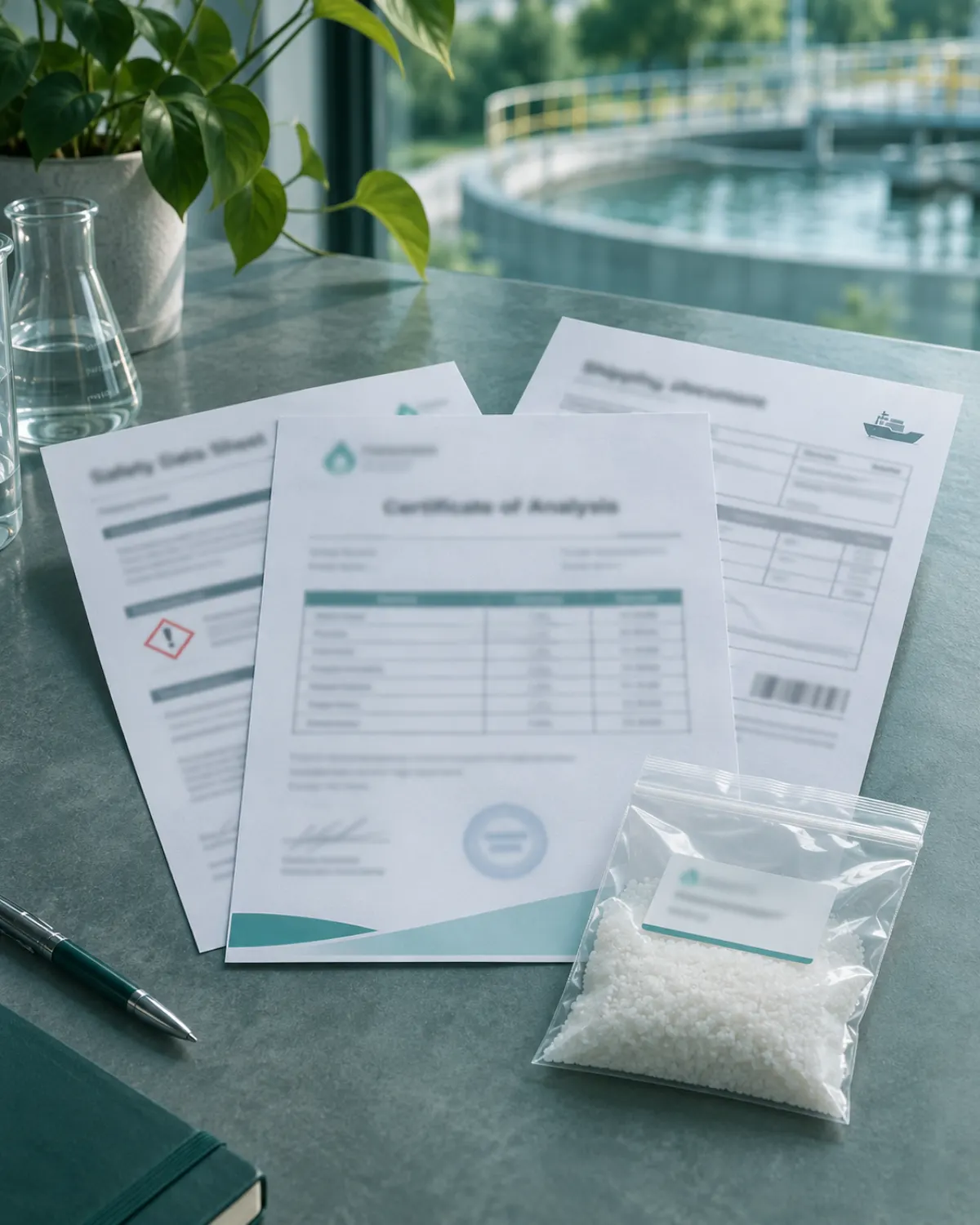
Batch COA, TDS, SDS and certificate of origin (plus Form E for ASEAN).

Are samples free?

We send 1 kg samples of the recommended grades for a trial on your own equipment. Samples are free of charge; the buyer pays the courier.

What documents come with each shipment?

A certificate of analysis (COA) for every batch, plus the TDS and SDS. A certificate of origin comes with every shipment, and Form E for ASEAN destinations.

What is the minimum order and what payment terms do you accept?

Minimum order is 1 tonne per grade. We accept T/T (30% deposit, balance before shipment) and L/C at sight. Trial orders start at 1 tonne, so you start small and scale up once the grade is proven.

Tell us about your dyeing plant.

Tell us what you treat and what you use now. We reply within one working day and tell you where to send the sample.

Z
Your contactZhantengExport & Technical Sales

To get a quote in one reply, include

  • Application or industry
  • Product and dose you use now
  • Monthly volume and destination port

    Jar test or quotation · textile dyeing

    What do you need?

    Your water, as far as you know:

    We reply within one working day.