Storage and handling side by side
| Item | PAC (powder) | PAM (powder / granules) |
|---|---|---|
| Main storage risk | Moisture uptake & caking | Moisture uptake (causes fish eyes) & UV/heat degradation |
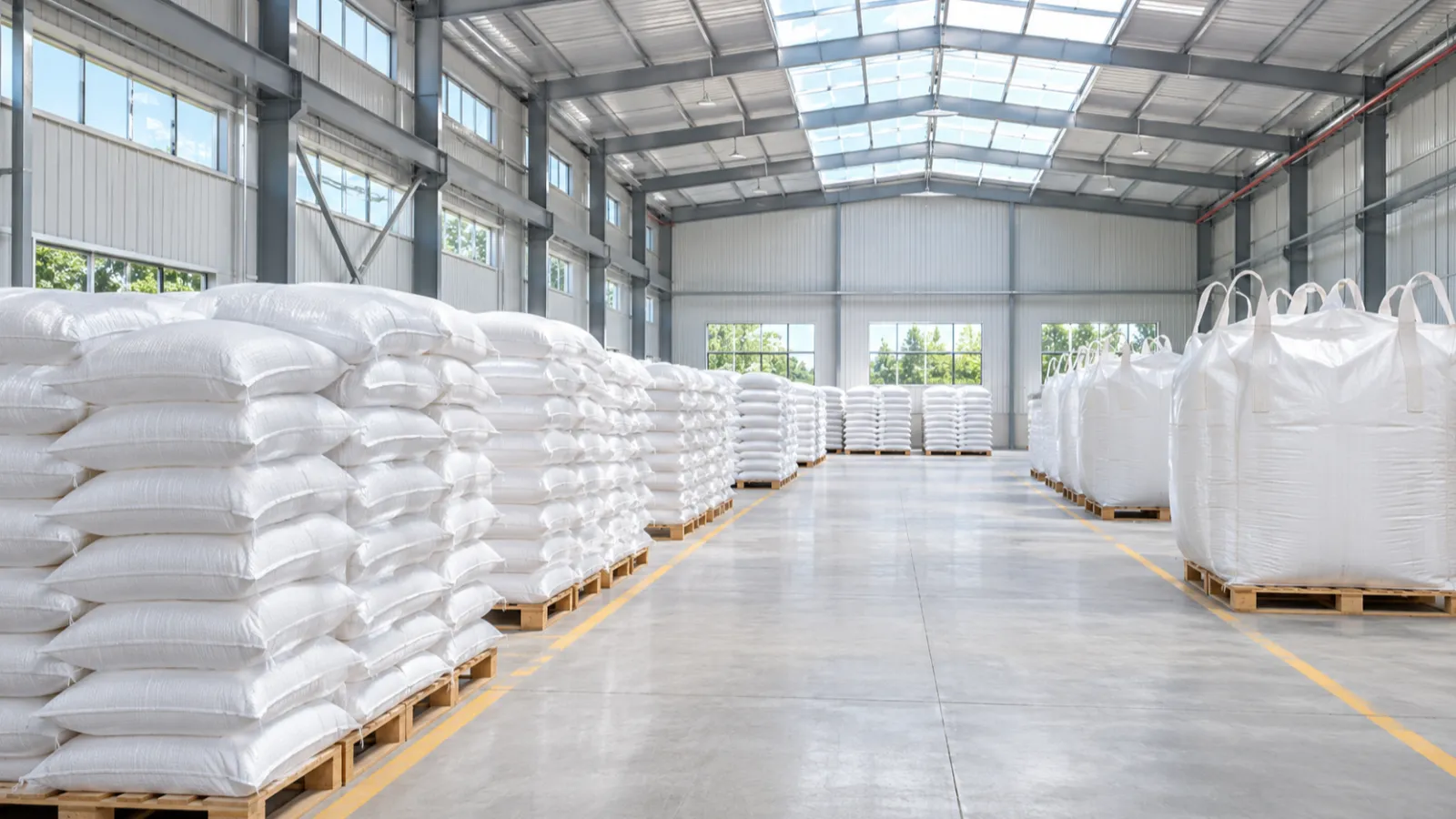
| Warehouse setup | Cool, dry, ventilated, off floor on pallets | Cool, dry, out of direct sun, off floor on pallets |
| PPE when handling | Gloves, eye protection, dust mask (solution is acidic pH 3.5–5.0) | Gloves, eye protection, dust mask |
| Spill cleanup | Sweep dry; rinse residue with plenty of water | Sweep dry completely first — wet PAM is very slippery |
| Tank materials | PE, FRP, PVC (avoid bare carbon steel) | PE, FRP, stainless steel (avoid rusty steel) |
Always follow the product-specific Safety Data Sheet (SDS) supplied before your first order.
Free jar testTest it on your own water.
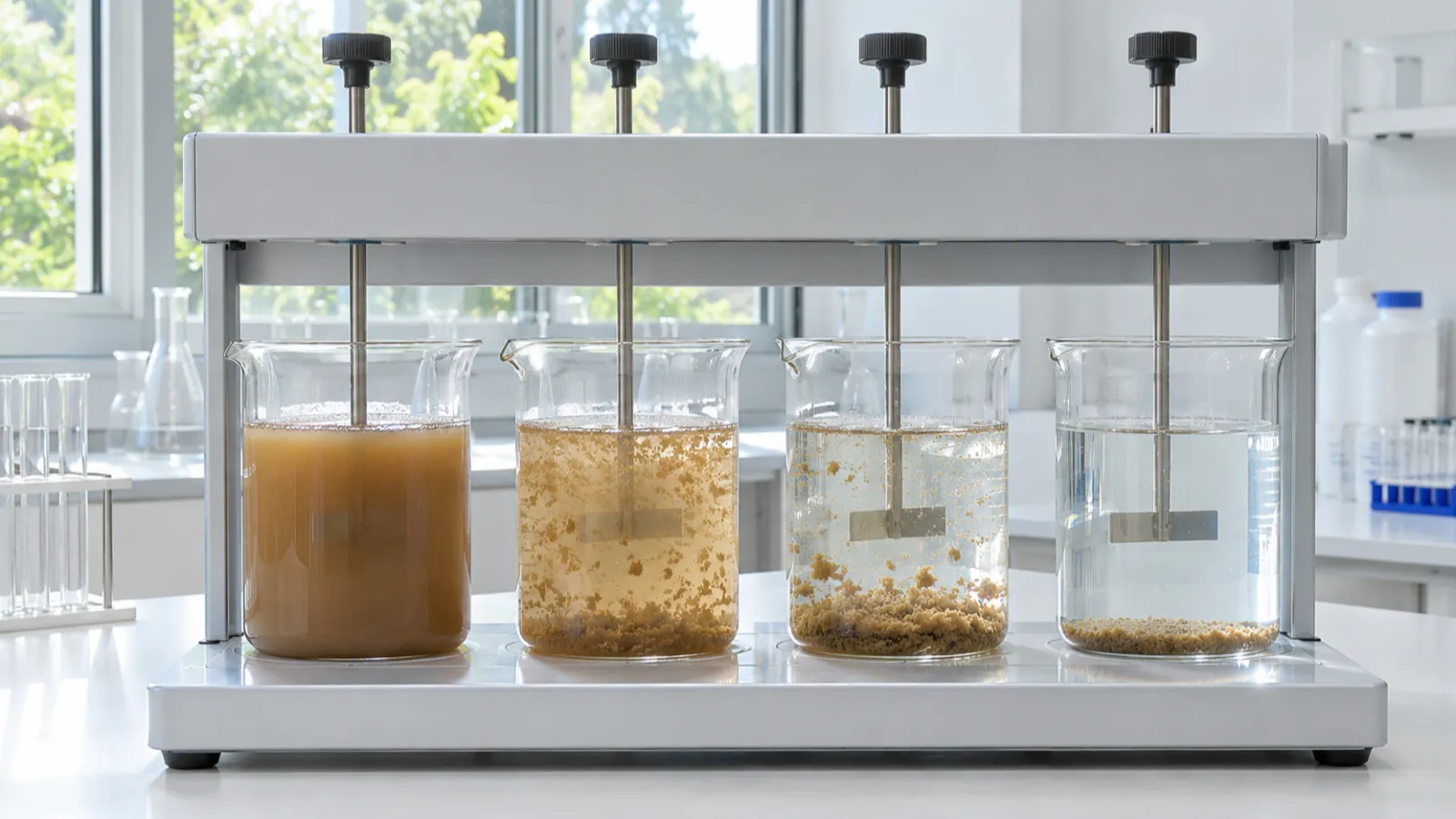
Send 1 litre of raw water or sludge. We test PAC and PAM grades side by side and send a written report with grades, ratio and starting dose.
How it works →FAQ
Short answers. For your own water, a jar test gives the real one.
Can slightly caked PAC still be used?
Lightly caked PAC usually still dissolves and works in wastewater, though it takes longer to dissolve — keep bags sealed to avoid caking in the first place.
Does Claripoly pack with moisture-barrier liners for sea freight?
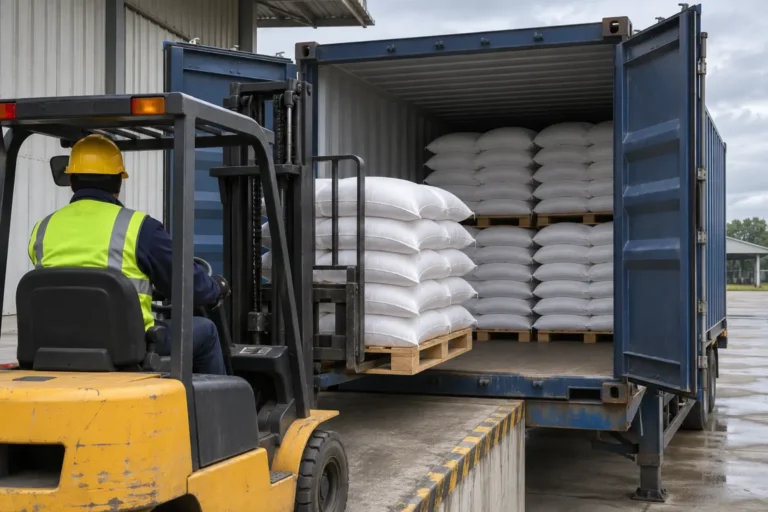
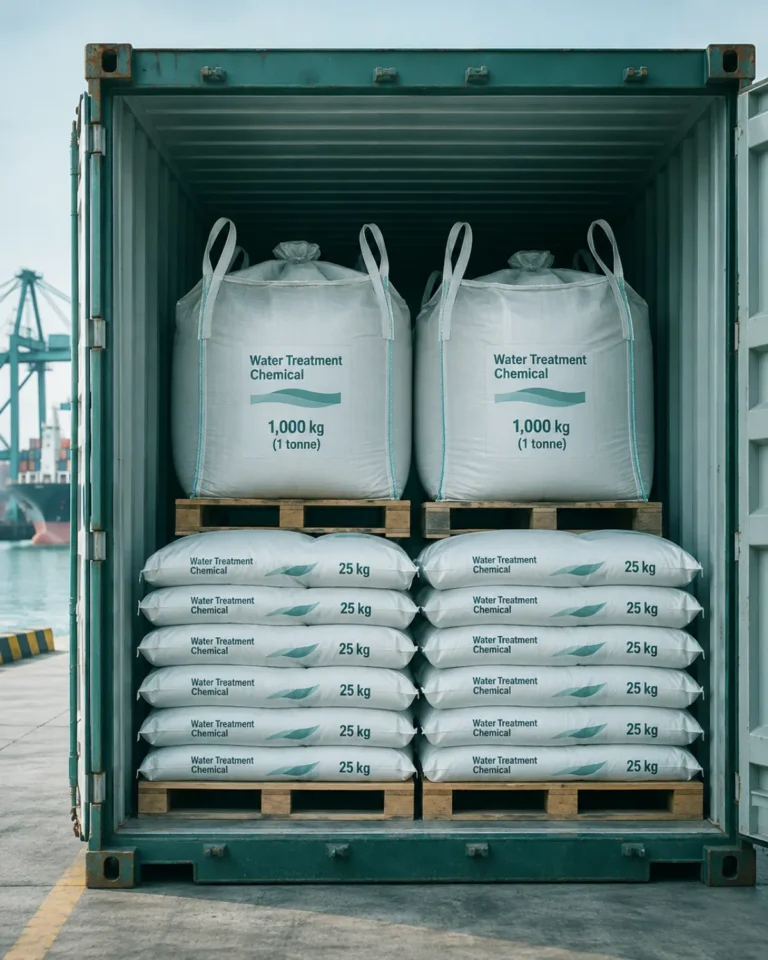
Yes. Both 25 kg bags and 1 t FIBC big bags include PE inner liners to protect product during ocean transit.
Tagged
All guides →
 Checklist
 Guide
 Guide