ApplicationsGuide

Textile dyeing wastewater: colour removal with PAC + PAM

Short answer

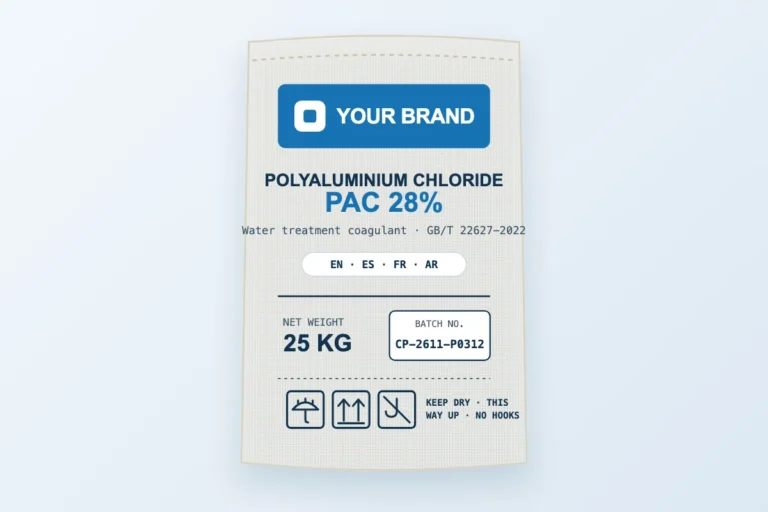
Dose industrial PAC (usually 30% or 28% Al₂O₃) after pH equalisation to break dye colloids and cut COD, then follow with nonionic PAM (for acidic or high-salt streams) or cationic PAM (for neutral/biological sludge) to build fast-settling flocs.

By ClaripolyUpdated Nov 2026Grades and doses: set by a jar test on your water
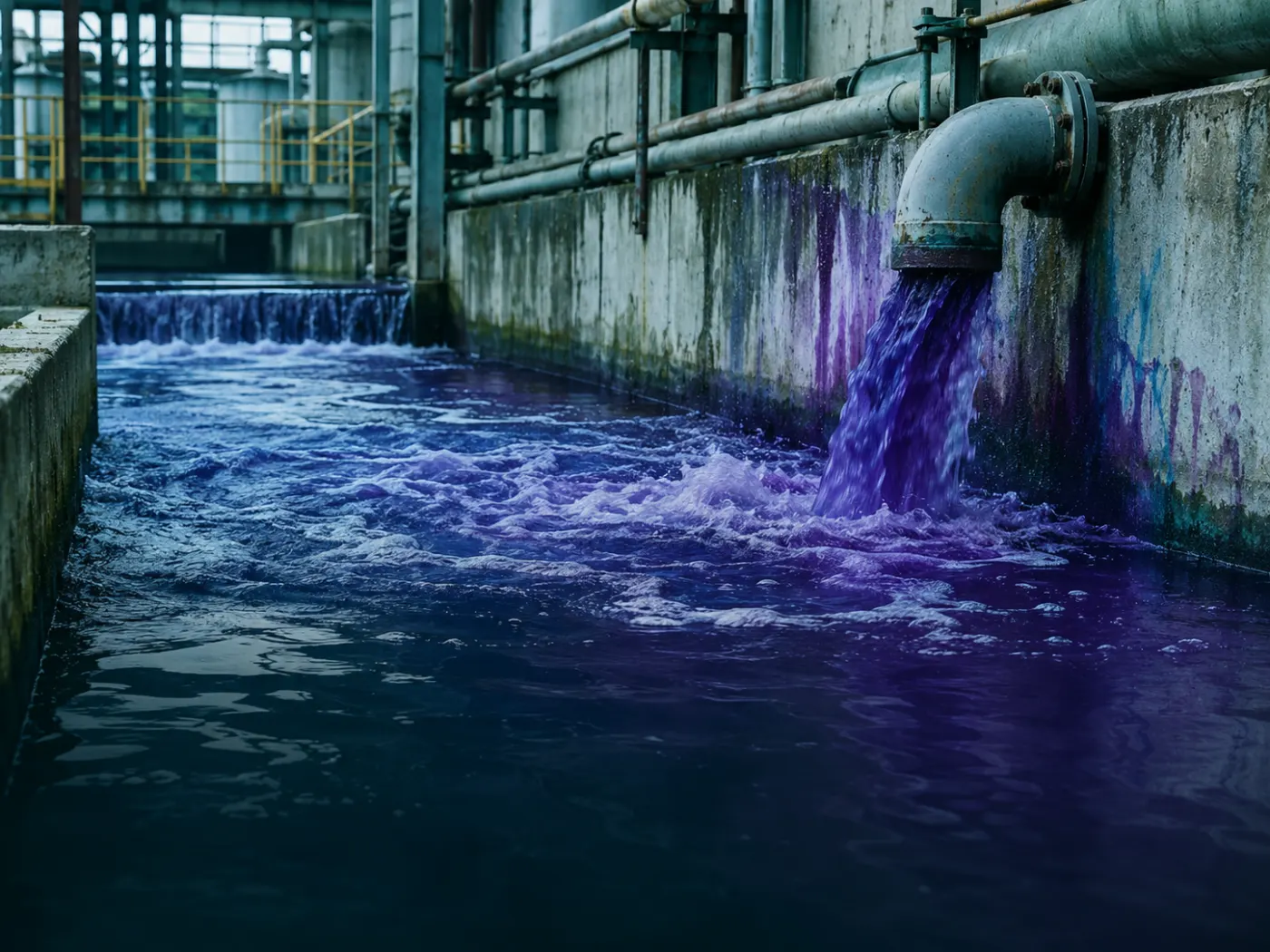
Textile dyeing effluent treatment
PAC breaks dissolved dye colour; nonionic or cationic PAM settles the flocs cleanly
Key points
1Equalise pH first

Dye baths swing sharply in pH; equalisation keeps PAC working inside its optimal pH 5–9 window.

2PAC first, PAM second

PAC breaks colour into micro-flocs; PAM settles them so colour does not wash over the clarifier weir.

3Test nonionic vs cationic side by side

High-salt or acidic dyeing streams often favour nonionic PAM over ionic grades.

Why dyeing effluent needs a two-chemical program

Reactive, disperse and vat dyes are engineered to stay dissolved and resist breakdown. Biological tanks alone leave visible colour and high COD.

Industrial PAC coagulates emulsified dyes and surfactants; following with nonionic PAM or cationic PAM clears the clarifier rapidly. See our textile dyeing application page for the full flow sheet.
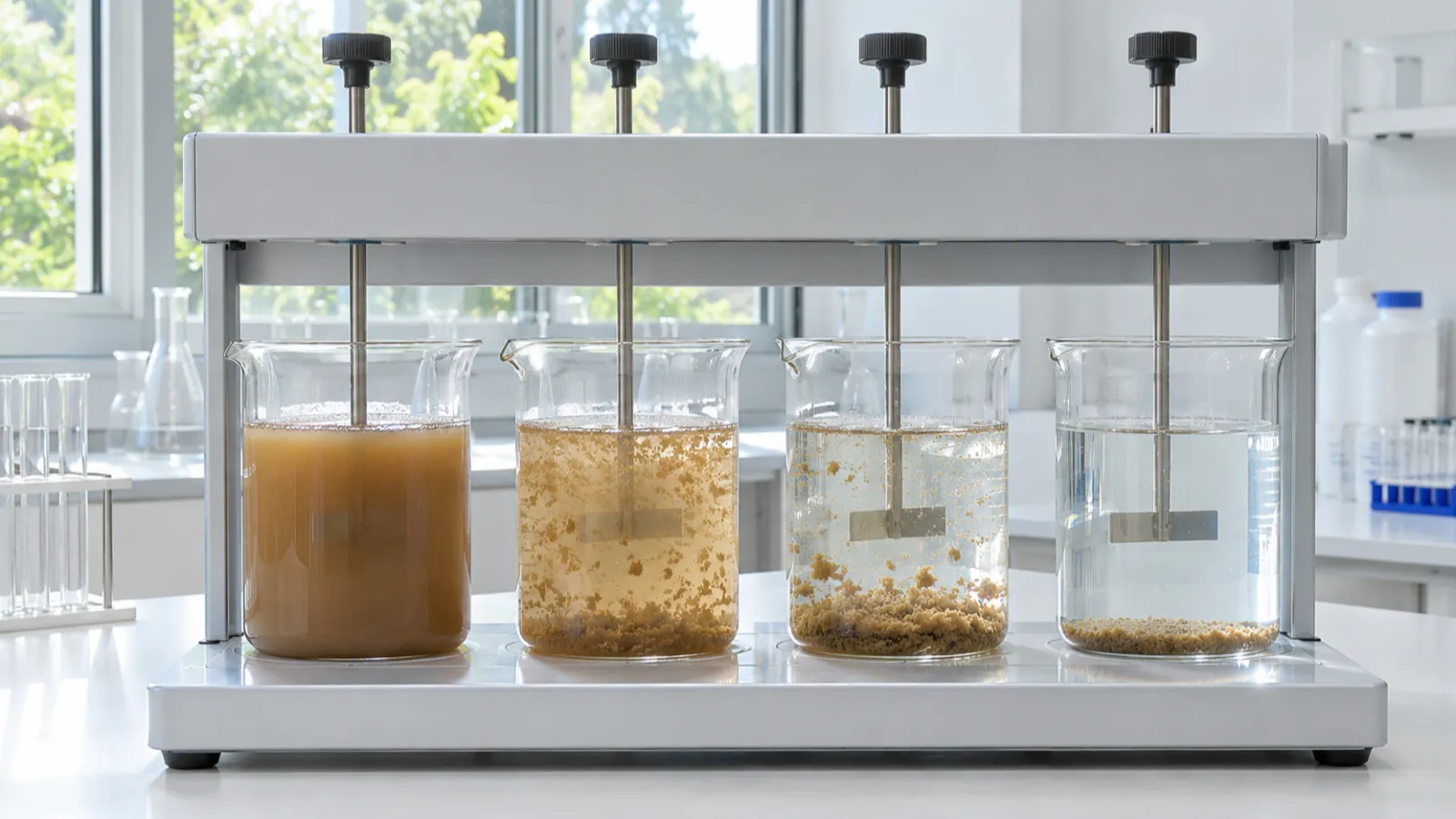
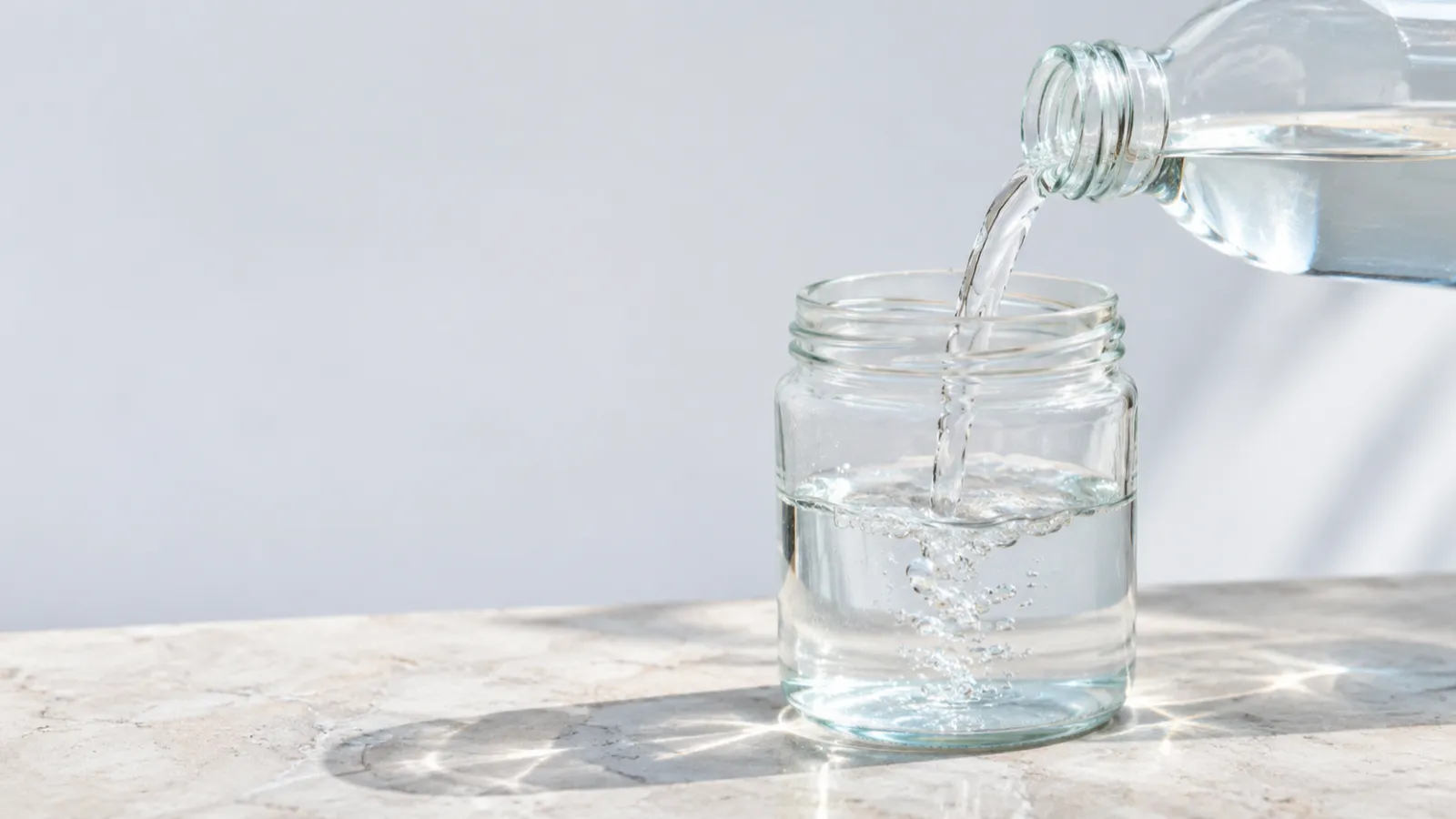
Jar test beakers from cloudy to clear
Free jar testConfirm grade and dose on your sample.

Send 1 litre of water or sludge. We test PAC and PAM combinations side by side and send a written report.

How it works →

FAQ

Short answers. For your own water, a jar test gives the real one.

Is 30% PAC better than 28% for dyeing wastewater?

30% PAC carries more active aluminium per kilogram and often cuts dose on heavy colour loads — a jar test compares total cost per m³.

Can we order PAC, nonionic PAM and cationic PAM in one shipment?

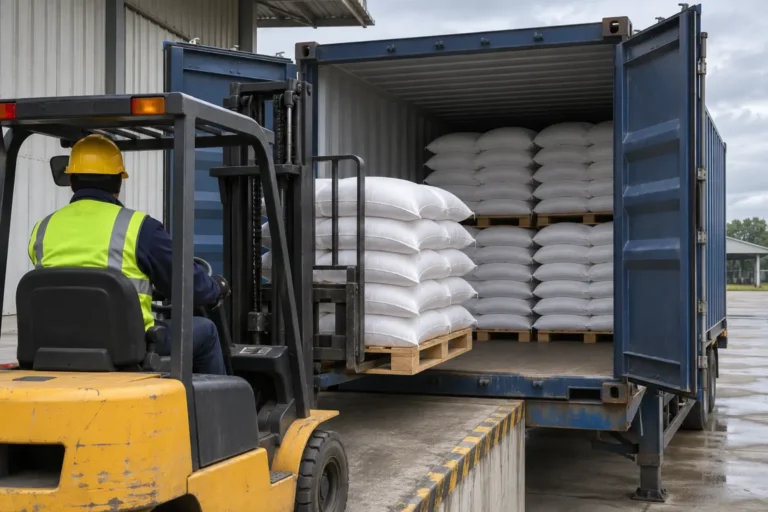
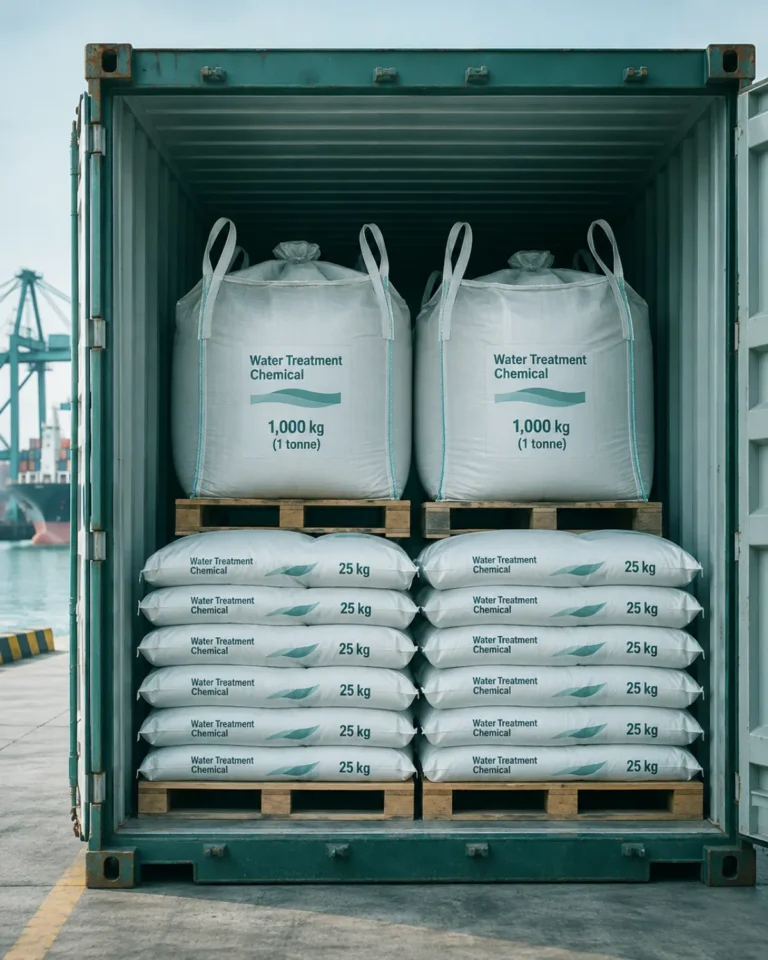
Yes. All three grades can ship together in one 20 ft container with individual batch COAs.

Tell us about your water.

Ask about choosing, dosing or dissolving PAC and PAM. We reply within one working day.

Z
Your contactZhantengExport & Technical Sales

For a quick technical answer, include

  • Your industry or water source
  • What you are seeing, e.g. small flocs or a wet cake
  • The product and equipment you use now

    Free jar test or quotation

    What do you need?

    Your water, as far as you know:

    We reply within one working day.